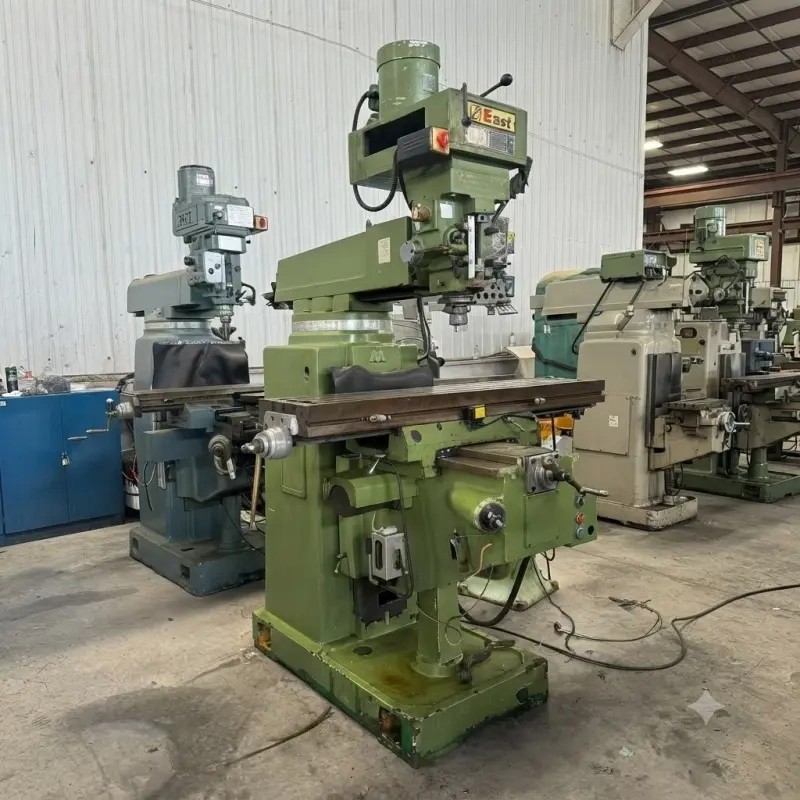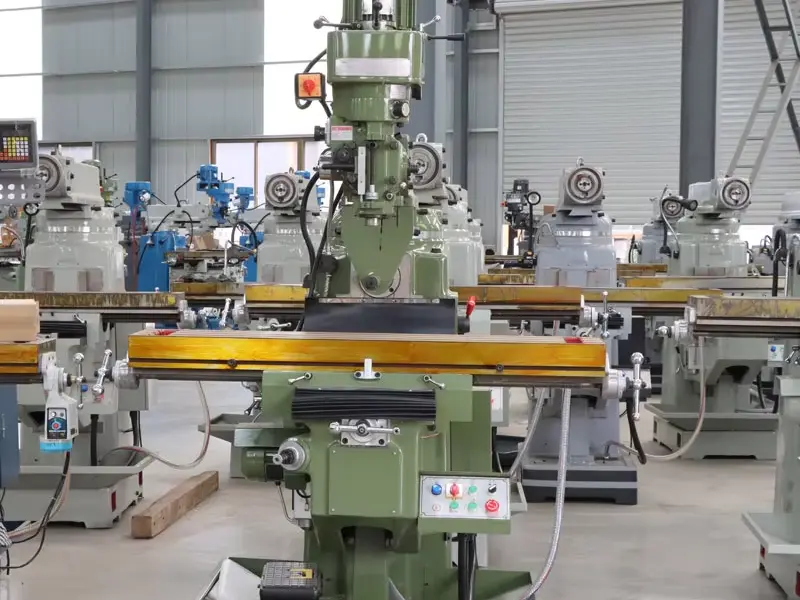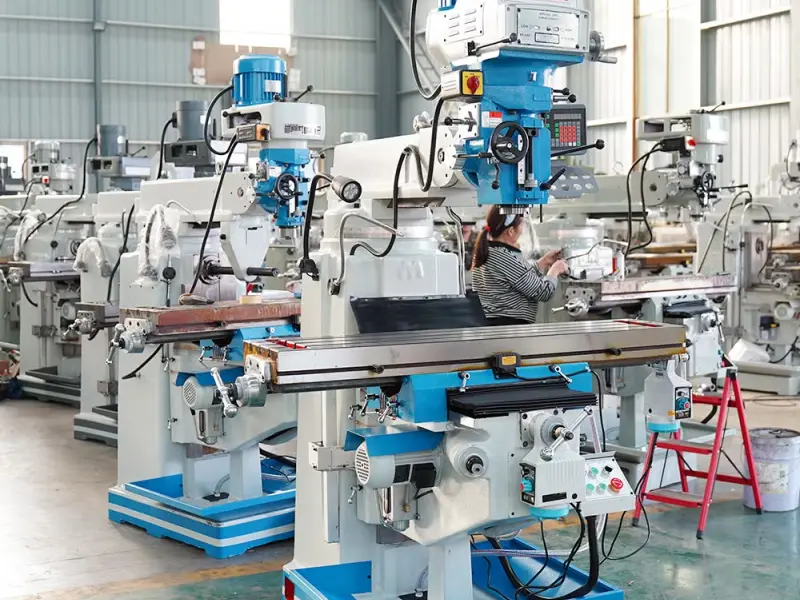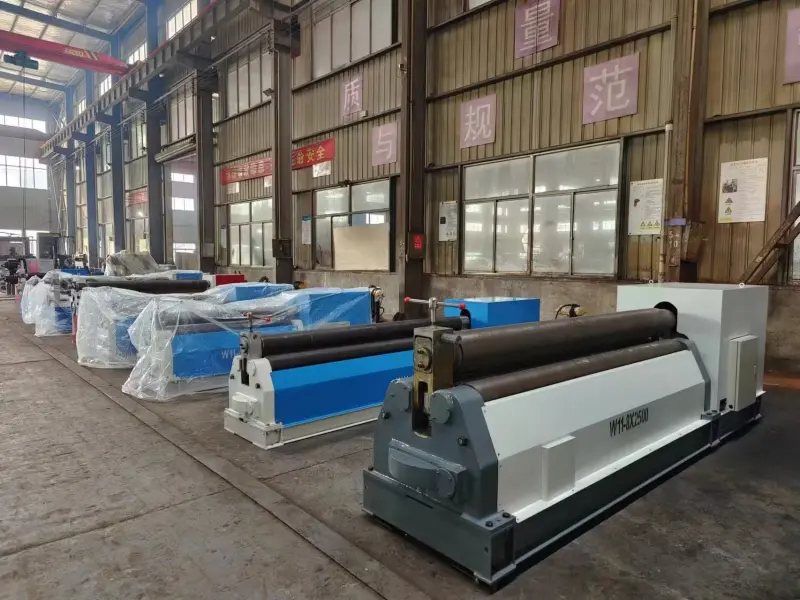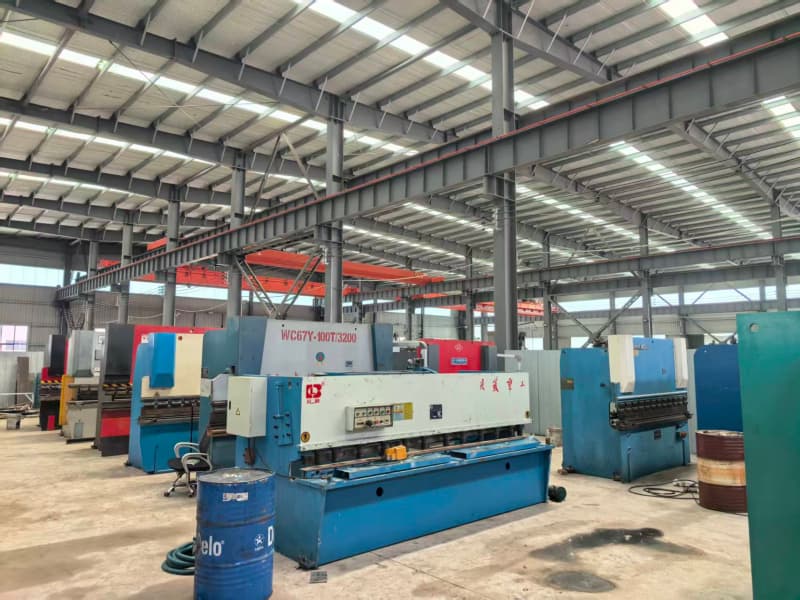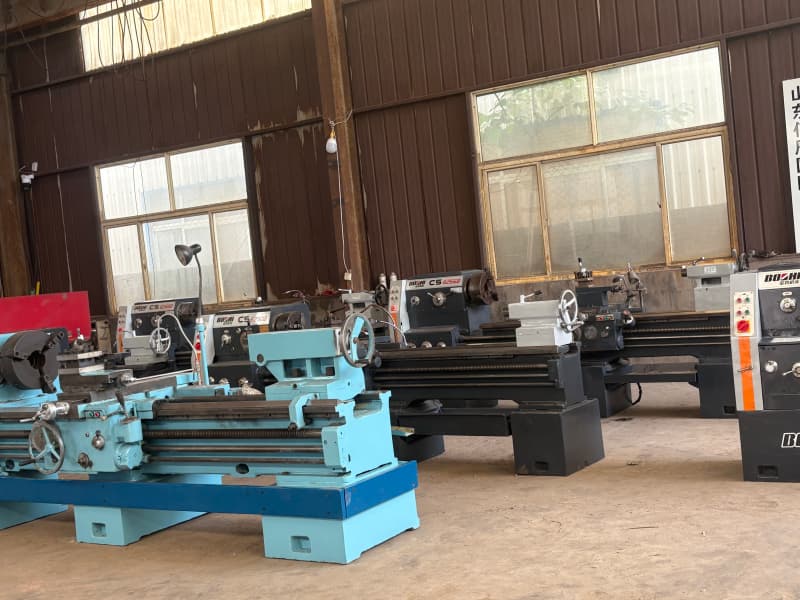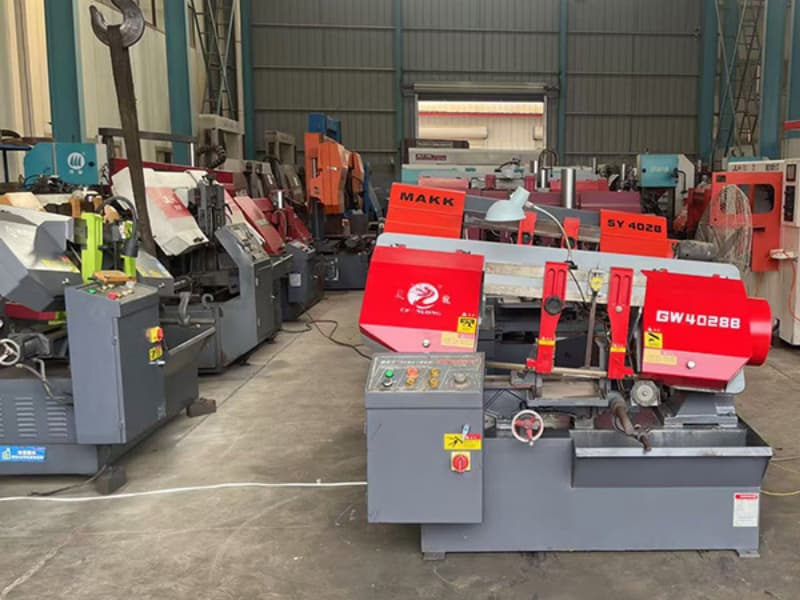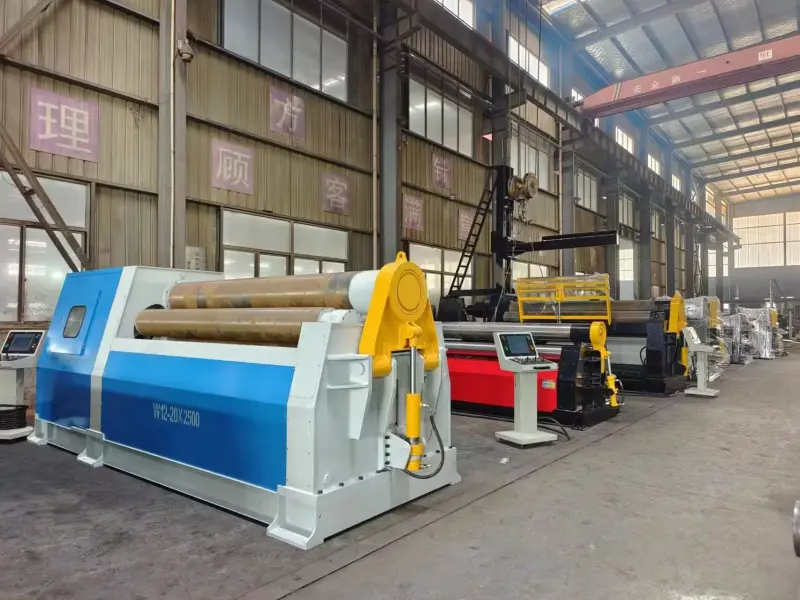


Most Indonesian workshops need another lathe but cannot justify a new-machine budget. Buying blind from overseas often ends in a machine that does not match the photos. Our warehouse solves both problems with real stock and real proof.
An Indonesian buyer chose our used lathe machine because we showed real stock in the warehouse, sent running test videos before payment, opened the machine to live inspection, and handled export packing to Indonesia — so he knew exactly what he was paying for before the container left China.
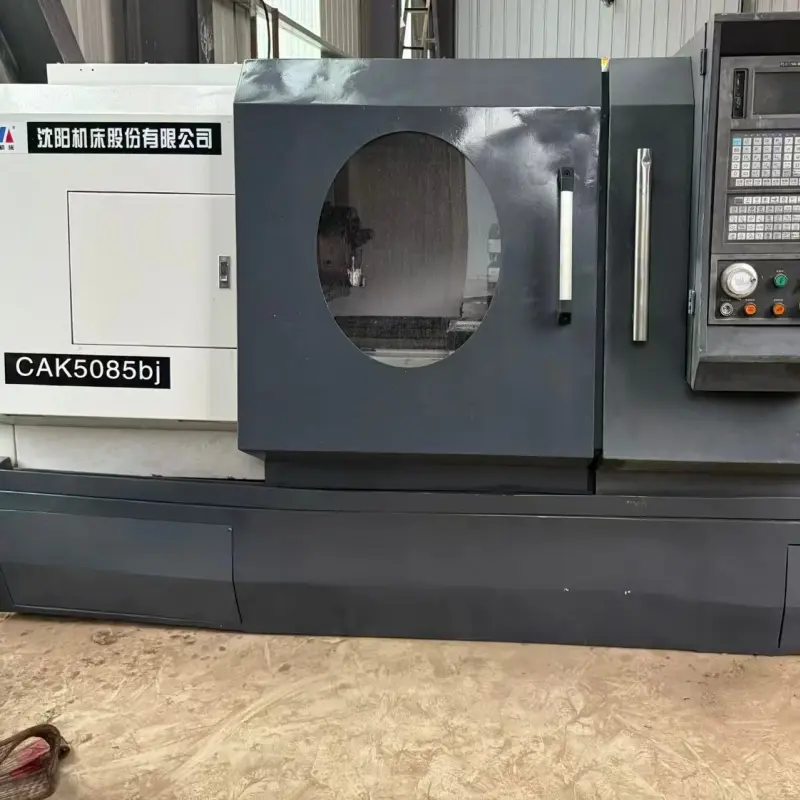
I talk to buyers from Indonesia almost every week. Some run small repair shops in Surabaya. Some run machine shops in Bekasi that feed the automotive supply chain. And almost all of them tell me the same story: local reconditioned lathes are expensive, new machines take months, and the used machines they bought online before did not match the listing. Last quarter, one of those buyers decided to do things differently. He flew less and asked more. He watched our videos instead of trusting our words. This article walks through how he chose a used lathe machine from our warehouse, why he made each decision, and what you can copy from his process if Indonesia is your next sourcing stop.
What Was the Indonesian Buyer Actually Looking For?
The buyer did not start with a model number. He started with parts. He makes shafts, bushings, and flanged fittings for local contractors, and his old lathe could no longer hold tolerance on longer workpieces.
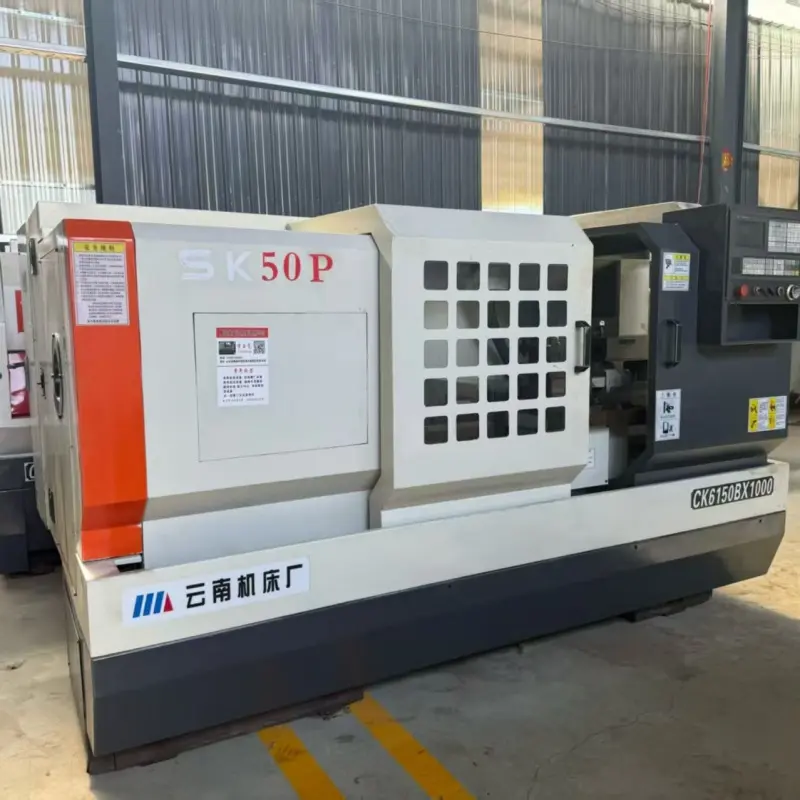
He needed a conventional lathe with at least 630 mm swing over bed, a long distance between centers, a healthy spindle, and honest documentation — delivered to Indonesia without surprises. We matched him to a used CW-series machine from ready stock.
Start With the Parts, Not the Price Tag
When he first messaged me, his opening question was about price. I pushed back, politely. I asked what he cuts. His answer shaped everything: shafts up to about 2 meters, mild steel and some stainless, batch sizes of a few dozen pieces. That told me the machine needed a long bed, a rigid headstock, and nothing exotic. Indonesia’s own import data tells the same story. Between May 2025 and April 2026, Indonesia recorded about 1,520 lathe machine import shipments, and China was the top partner, ahead of Taiwan and Japan. Most of those entries are workhorse machines — C-series and CW-series conventional lathes, gap-bed models, and a steady flow of used CNC units under HS code 8458. Indonesian buyers are not shopping for showpieces. They shop for machines that turn steel every day. So we skipped the fancy questions and matched his parts list to the machine.
| His requirement | What we checked on the machine |
|---|---|
| Shafts up to 2 m | Distance between centers and bed length |
| Mild steel, some stainless | Spindle bore, motor power, gearbox condition |
| Batch production | Carriage and cross slide smoothness under power |
| Local operators, manual work | Conventional controls, clear threading gearbox |
| Fast restart after arrival | Ready stock, spare chuck jaws, complete tool post |
Why Ready Stock Mattered More Than He Expected
His previous supplier made him wait for a machine to be “arranged”. That machine arrived late and poorly packed. When we told him the lathe was standing in our own yard in Liaocheng, ready to inspect, that changed the conversation. A ready-stock machine can be powered on the same week. We can film it, test it, and let his inspector touch it before payment. A factory-order machine cannot offer any of that. He later told me this was the moment he decided to move forward [Zora will replace — customer name, city, and exact quote to be confirmed by Zora]. I understand why. In used machinery, waiting is not free. Every idle week is a week his second shift sits empty.
What the Indonesian Market Told Us Before We Quoted
I keep rough notes on where Indonesian demand sits, because it shapes what we hold in stock. Industry data puts Indonesia’s equipment import penetration around 88%, which means most metalworking capacity in the country arrives in a container from somewhere else. China sits at the front of that queue. Every December, buyers from across the archipelago walk the Manufacturing Indonesia exhibition in Jakarta, compare machines, collect brochures, and then do the math. A growing number of them reach the same conclusion he did: the exhibition shows them what new machines cost, and the price gap against a good used machine is too wide to ignore. His parts did not need a 2026 machine. They needed straight bedways, a quiet spindle, and a supplier who answers messages. So when he asked me why so many Indonesian workshops buy used lathes from China, I gave him the short version: the workhorse models he grew up on — the C6130s, C6240s, CW62100s — were built heavy, maintained simply, and they keep cutting long after their first owners upgrade. The market is deep, the prices are honest, and the machines are already standing on the ground waiting for an inspector.
How Did We Prove the Machine’s Condition Before Payment?
This is the part most suppliers skip, and it is where most used-machine deals die. He had been burned before by photos that hid worn bedways.
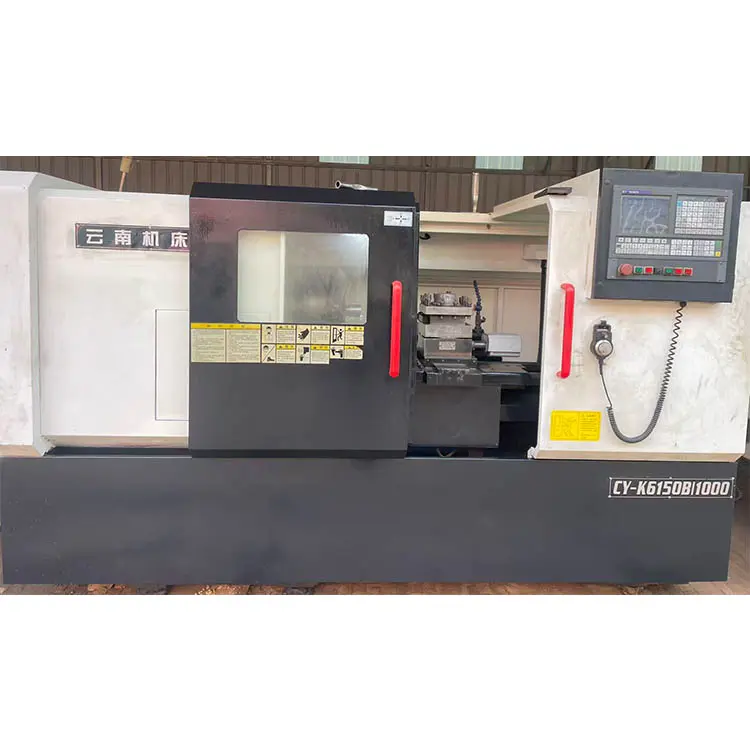
We sent full running test videos, measured spindle runout with a dial indicator, walked the carriage across the whole bed, and welcomed his third-party inspector — spindle runout stayed within 0.01–0.02 mm, which is the range a serious used lathe should meet.
The Running Test Video We Record for Every Machine
I record the same video for every serious buyer, and I encourage them to demand it from any supplier. The lathe powers on cold. I run the spindle through its speed range and let the microphone pick up the headstock. Worn bearings make a high-pitched noise you cannot fake away, and chipped gears clunk on camera. Then I mount a steel bar, take a test pass, and engage the automatic longitudinal feed. If the feed stutters, the camera shows it. He watched these videos with his maintenance man over WhatsApp before he even asked for a price. In our experience this video does more to close a deal than any brochure, because it proves the three things a static photo never can: the motor starts, the gearbox engages, and the machine actually cuts.
What the Inspector Checked on Site
He chose a third-party inspection before paying the balance, which I fully support — for buyers who cannot visit Liaocheng, an SGS-style inspection is the next best thing. The inspector spent the morning with the machine and checked it the standard way: geometric accuracy against the spirit of ISO 230-1, spindle runout with a dial indicator in the taper, tailstock alignment with a test bar between centers, and a full carriage travel across the bed looking for tight spots or scoring near the chuck, where wear shows first. Everything I let people touch, I expect to be touched. A machine that hides nothing survives any inspection.
| Inspection point | Method used | Result we expect on a good used lathe |
|---|---|---|
| Spindle runout | Dial indicator in spindle taper | Within 0.01–0.02 mm |
| Bedways | Visual check and full carriage travel | No deep scoring; smooth feed |
| Tailstock alignment | Test bar between centers, dial indicator | Parallel within small tolerance |
| Threading gearbox | Engage all levers and pitches | No slipping or jumping |
| Electrical cabinet | Contactor, e-stop, wiring condition | Safe stop, correct voltage for Indonesia |
| Accessories | Chuck jaws, tool post, steadies counted | Complete against our packing list |
What the Videos Cannot Show — and How We Covered It
A video proves motion. It cannot prove paperwork, so we covered that gap separately. We photographed the machine’s serial plate and the nameplate data, and sent a written specification sheet: swing over bed, distance between centers, spindle bore, motor rating, and machine weight. We listed every accessory that ships with it — chuck and jaws, tool post, steadies, change gears — and counted them against the packing list before the case was closed. He asked about maintenance history, and I told him honestly what we knew about the machine’s previous owner and what we did not. I would rather lose a sale than discover later that I guessed. We also sent photos of the electrical cabinet with the door open, because a tidy cabinet tells you how the last owner treated the machine. Paint can be resprayed in an afternoon. Wiring habits cannot. By the time his inspector boarded the flight, he had already seen 90% of what the inspector would confirm. That is the point. Inspection should be confirmation, not discovery.
Voltage, Packing, and the Details That Bite Later
Here is a detail many buyers discover too late: Indonesian industrial power is commonly 380 V / 50 Hz three-phase, and a machine wired for the wrong supply will burn a motor in its first week. We confirmed his voltage before packing and set the cabinet accordingly. Then we packed for sea freight, not for a truck ride. Anti-rust oil on the bedways and spindle, film wrap over the exposed steel, the carriage and tailstock locked in place, chuck and accessories boxed separately, and the whole machine strapped inside a wooden case in the container. The voyage from Qingdao to Tanjung Priok or Tanjung Perak takes weeks, and the salt air does not forgive sloppy packing. His machine arrived, the crate opened clean, and the lathe cut a test shaft the same week it was installed [Zora will replace — arrival date and port to be confirmed].
Why Pay Our Price Instead of Buying New or Local?
Once the machine passed inspection, the money conversation became easy. But it is worth laying the three options side by side, because this is the decision every Indonesian workshop owner faces.
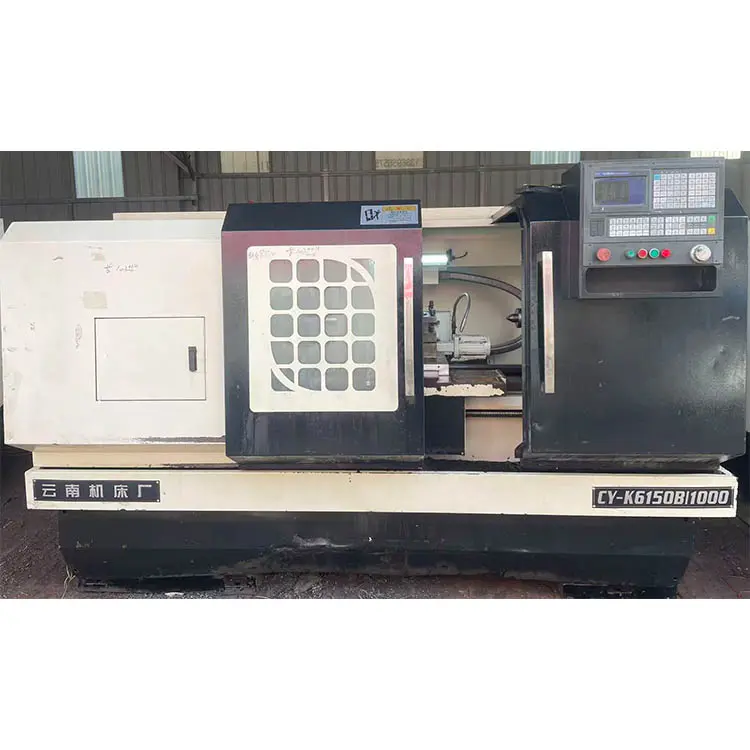
A used lathe from our warehouse typically lands well below the cost of a new import and below the reconditioned Japanese machines offered locally in Jakarta, while offering inspected condition and much faster delivery than a factory order.
| Option | Typical landed cost | Delivery time | Condition certainty | Best for |
|---|---|---|---|---|
| Used lathe from our warehouse (inspected) | Lowest to mid | Weeks, ready stock | Verified by video + third-party inspection | Workshops needing capacity now |
| New lathe imported from China or Taiwan | Highest | Months, factory lead time | Factory warranty, new tolerance | High-volume, tight-tolerance production |
| Local reconditioned Japanese lathe | Mid to high | Fast if in stock | Depends on the rebuilder | Buyers who value Japanese castings |
A few honest numbers help here. Indonesian import records show new horizontal lathes in the largest sizes entering at roughly $25,000–28,000 per set, while used conventional lathes of the same families move through customs at a fraction of that. On the local side, a reconditioned Japanese lathe listed in Jakarta can run tens of thousands of dollars — one 1,100 mm swing machine we saw listed at around Rp 375 million. That machine is genuinely good. But for a workshop turning shafts and bushings, our position is simple: a verified used CW-series machine does the same turning work at a price that leaves budget for tooling, a spare chuck, and the first month of wages for the operator who will run it. The new machine wins when you need tight, repeatable tolerances around the clock. The used machine wins when you need capable capacity this quarter. That is the trade he made, and I would make it too.
The Hidden Costs He Asked About First
I respect buyers who ask about the costs that come after the invoice, because those are the ones that sink budgets. He listed them before I did. Sea freight from Qingdao to Jakarta or Surabaya, and whether to share container space or ship alone. Indonesian import duty and VAT on used machinery under the relevant HS codes, which his customs agent confirmed before we signed. Unloading at his workshop — a lathe of this class needs a fork lift or a small crane on arrival. Tooling and consumables, because a lathe without inserts, centers, and a steady rest is a sculpture. And spare parts: we shipped an extra set of chuck jaws and a belt with the machine, which costs almost nothing now and saves weeks if the original wears. When he added everything up, the used machine still landed far below any new option, and he had a number he could defend to his partners. My advice to any buyer is the same: ask for the landed cost, not the machine price. The supplier who answers that question willingly is usually the supplier who has nothing to hide.
Conclusion
He chose our warehouse because we proved the machine before asking for money — real stock, real videos, real inspection, real packing. Choose the same way, whatever supplier you pick.