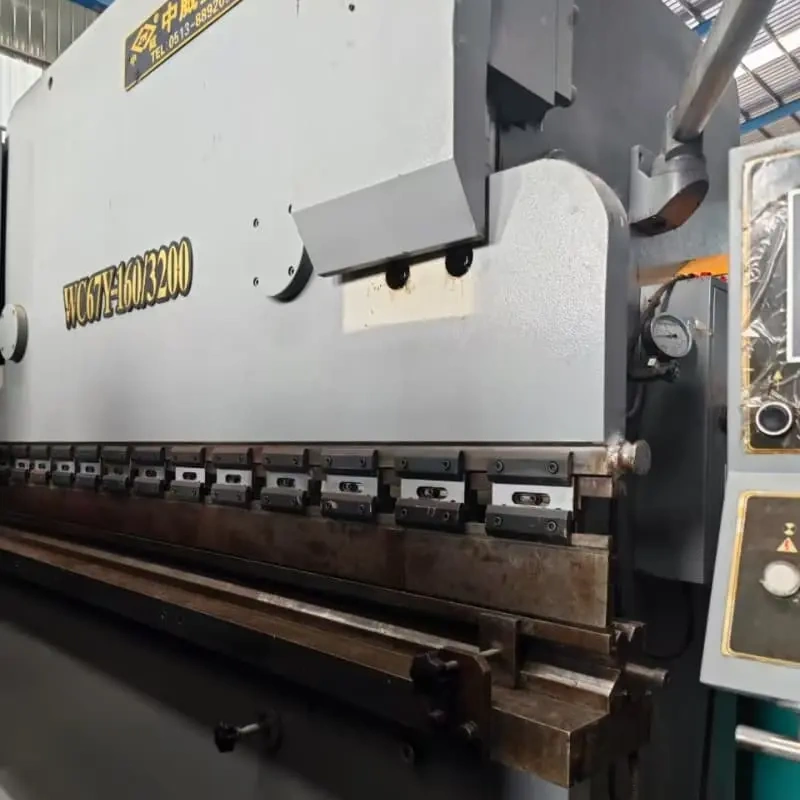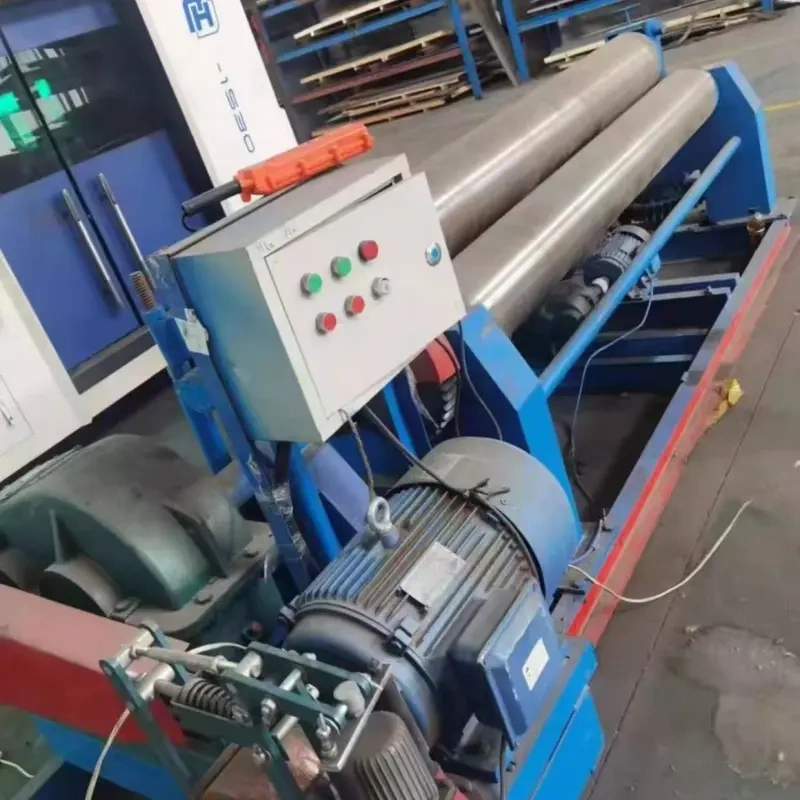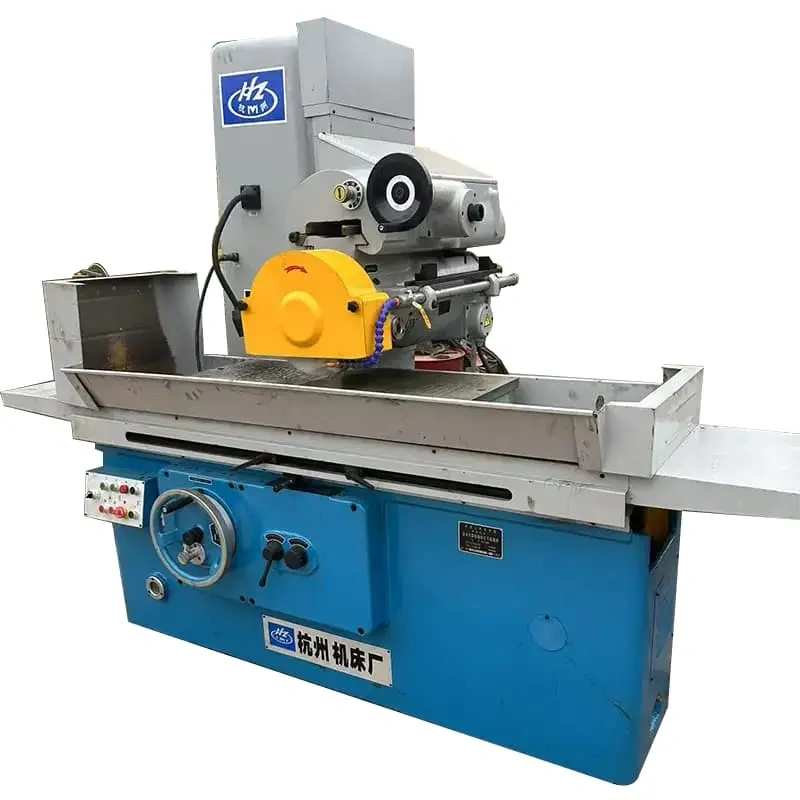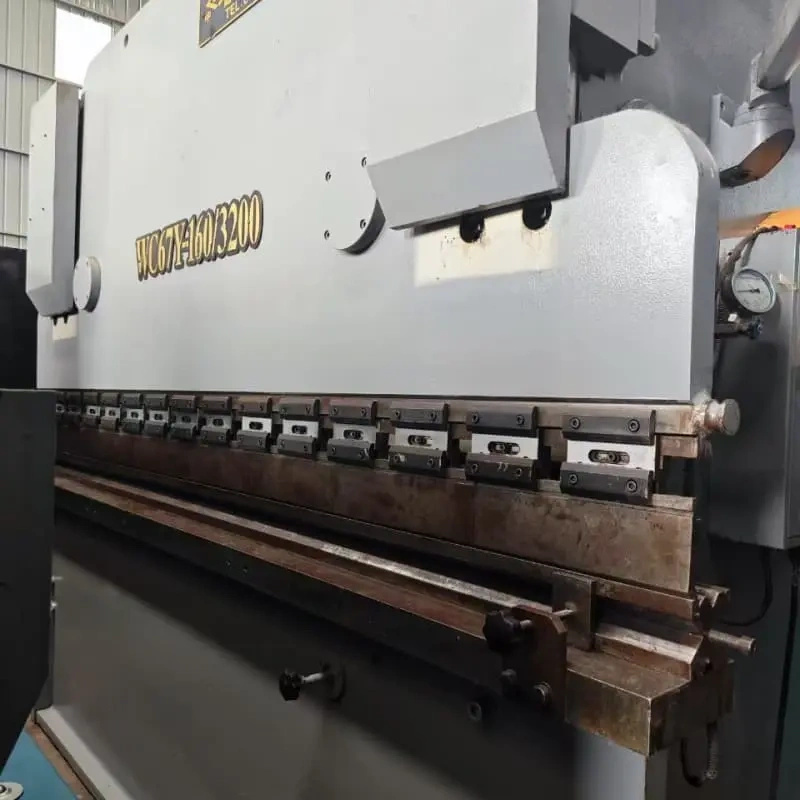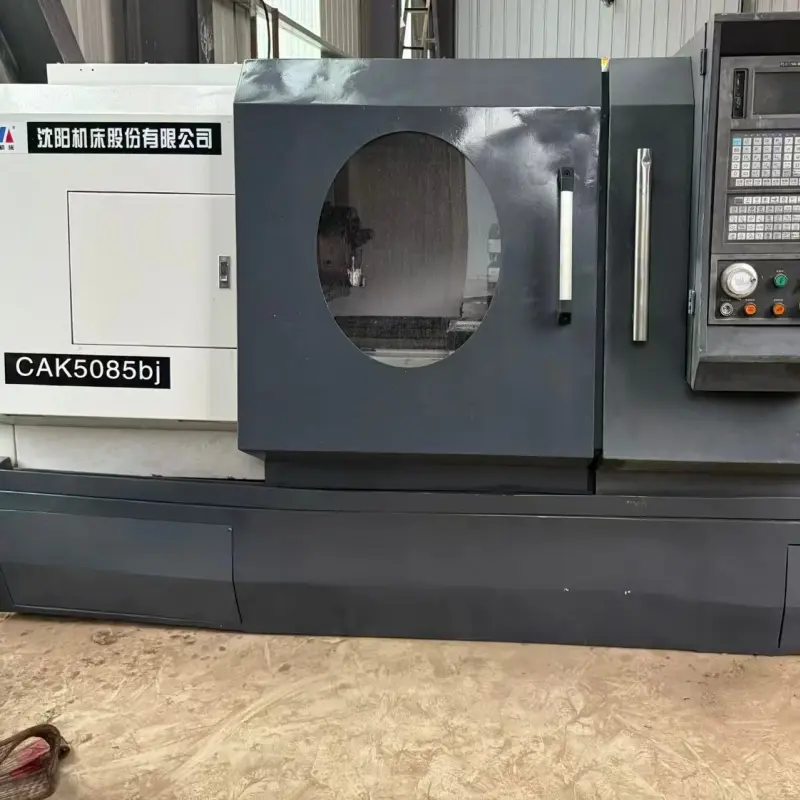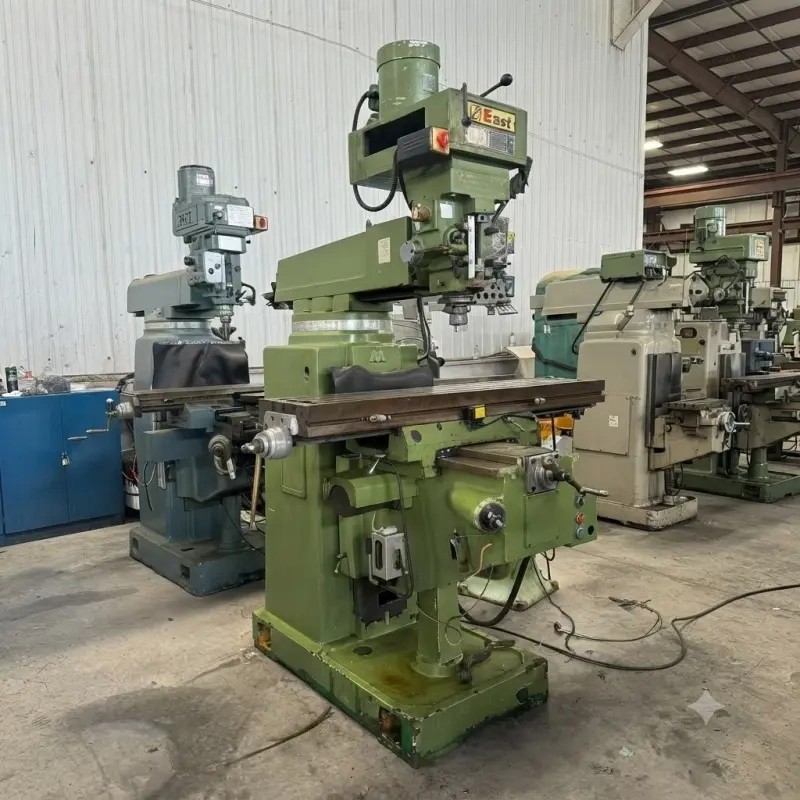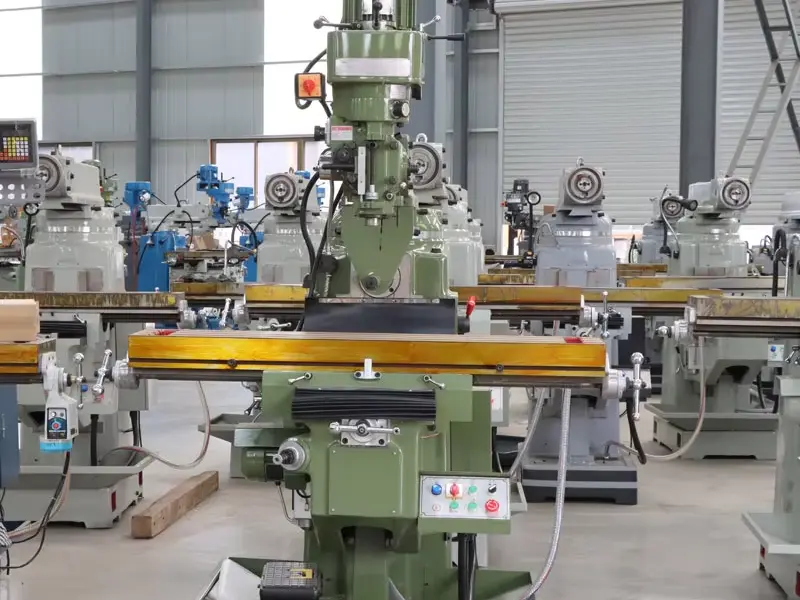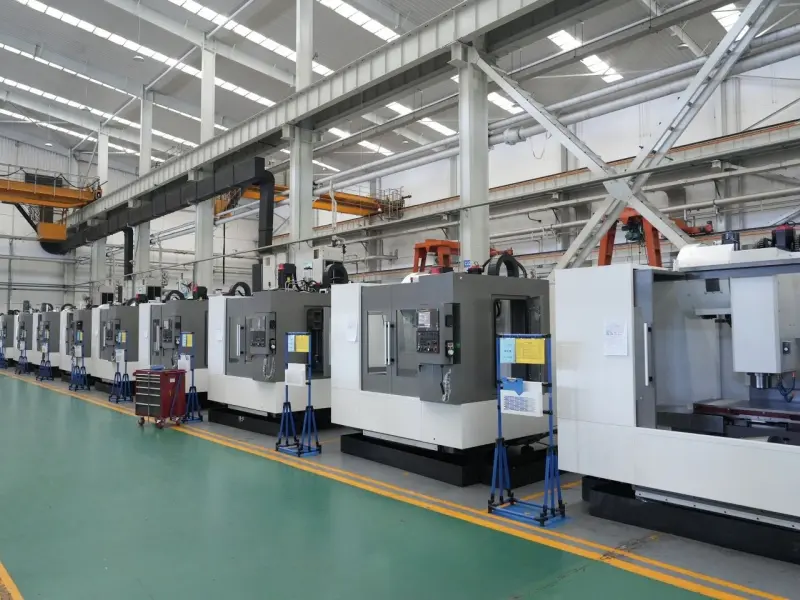


At METALEX 2026 I heard the same question at every second booth: how do we add capacity without paying new-machine prices? The honest answer for many ASEAN buyers sits in the used market.
METALEX Thailand 2026 closed its 40th edition at BITEC Bangkok on 21 November, with about 3,000 international brands, 169 screened innovation projects and a humanoid-robot showcase. The clearest trend for Southeast Asian buyers: heavy mid-range CNC demand that used machines serve at 30–60% of new cost.
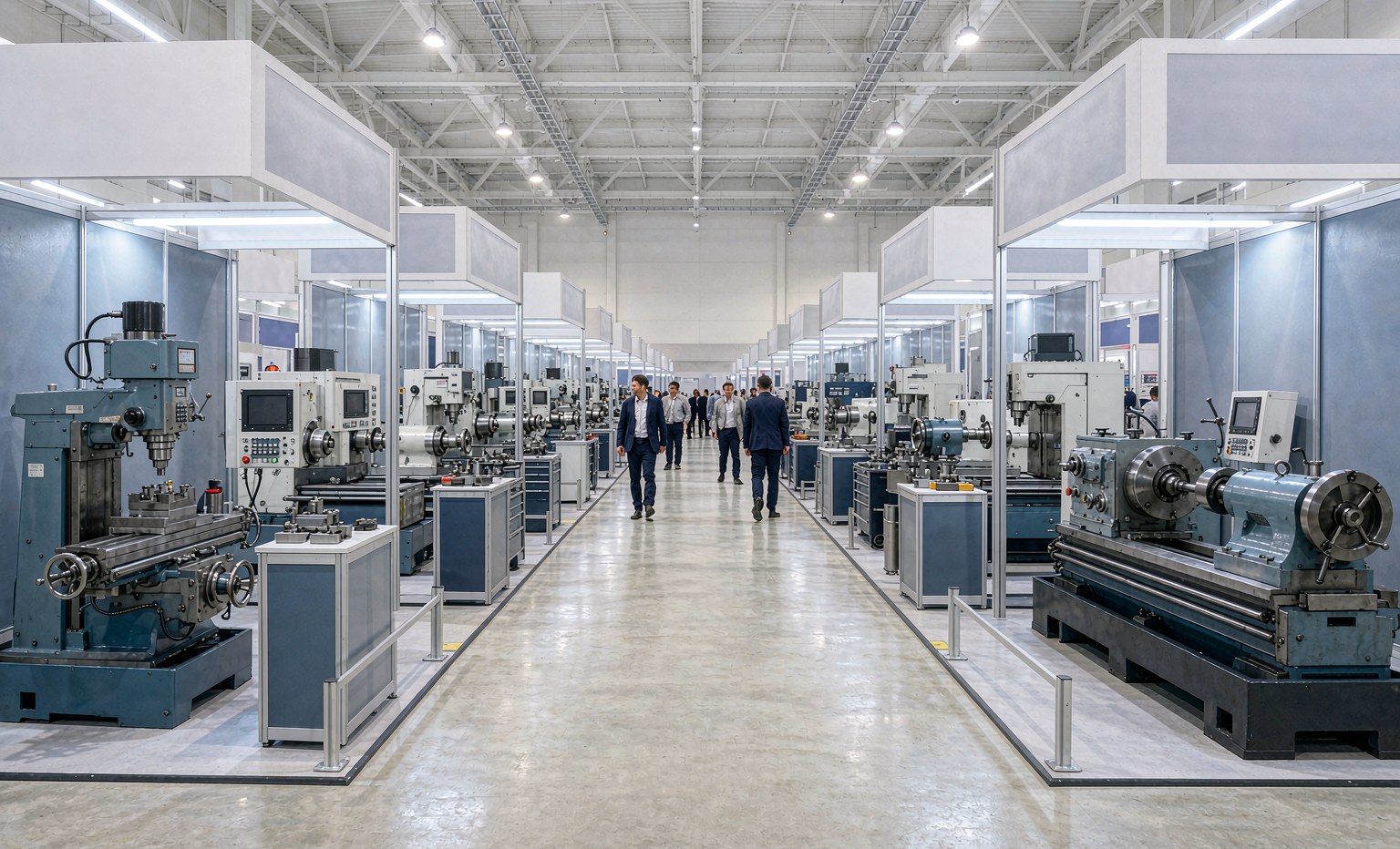
I spent the four show days walking between the big builder stands and the smaller trading companies, and the contrast told its own story. The flagship stands sold the future: robots, digital twins, connected factories. The aisles in between sold reality: buyers with calculator apps open, asking what a capable three-axis machine actually costs and how fast it can land in their workshop. This article is my working notes from the floor. I cover what the 40th edition of METALEX displayed, why Thailand’s machine tool demand is structured the way it is, and how I would turn a week of show intelligence into a used-machinery purchase that pays for itself.
What Did the 40th Edition of METALEX Actually Put on the Floor?
Trade shows exaggerate. Every banner claims a revolution, and marketing floats upward. Still, the raw facts of this edition tell you exactly where Southeast Asian manufacturing demand is moving.
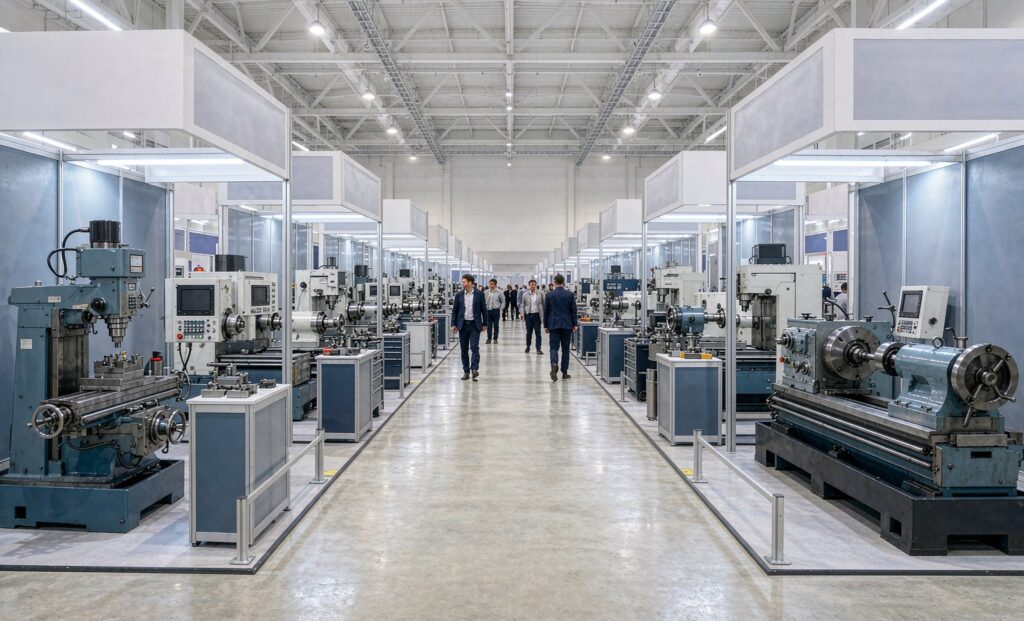
METALEX 2026 ran 18–21 November at BITEC Bangkok, marking 40 years with roughly 3,000 international brands from 50 countries, an 80,000-square-metre floor, 169 screened innovation projects with 525 regional or global debuts, and a humanoid-robot showcase called ROBO WOW.
The Numbers Behind the 40th Edition
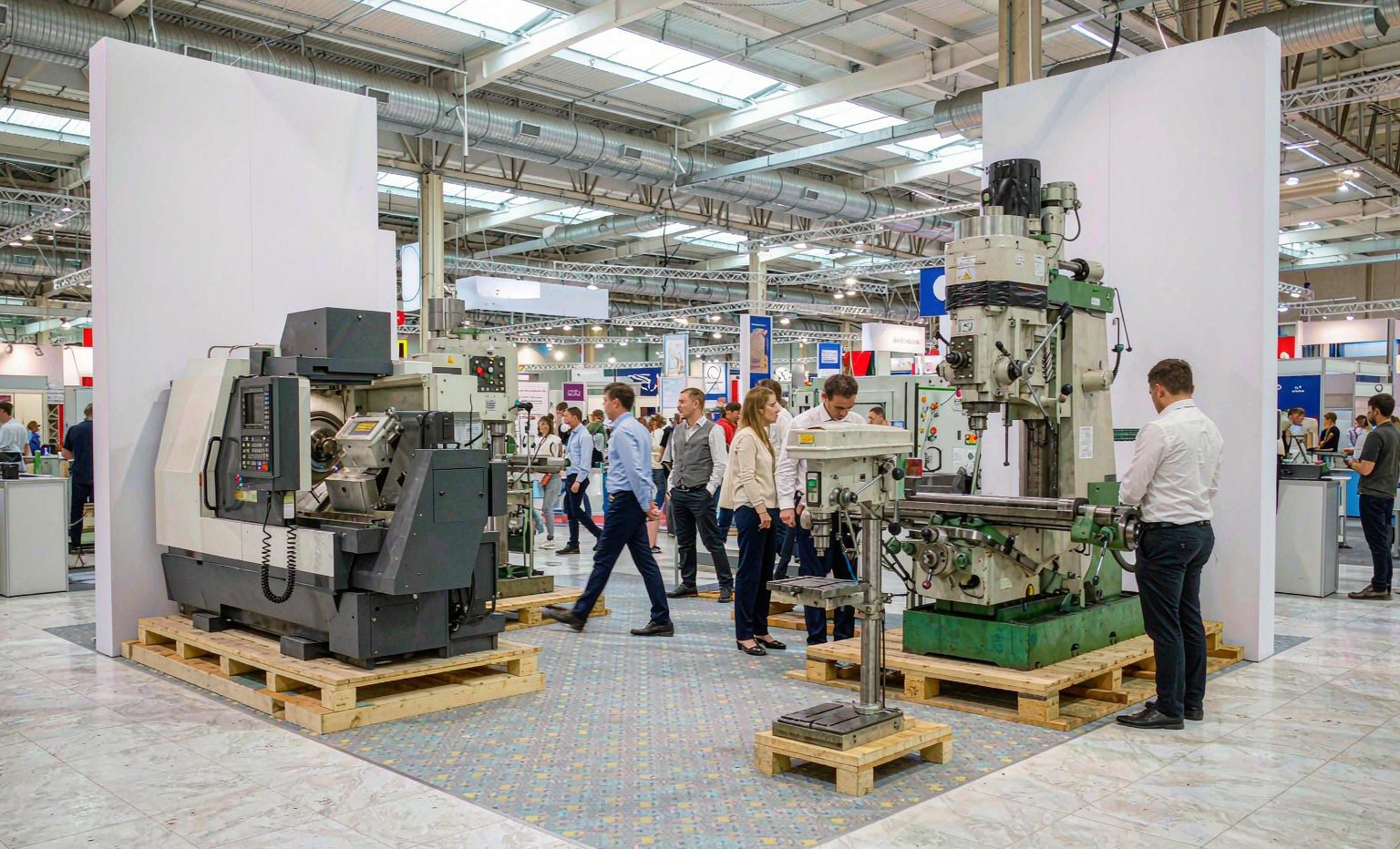
METALEX is the largest machine tool and metalworking exhibition serving ASEAN, organized by RX Tradex in Bangkok every November since 1987. The 2026 edition carried the theme “Infinite Possibilities” for its 40th anniversary, and the organizers used the milestone to push the show beyond pure equipment trading. The Future Tech @ METALEX zone screened 169 innovation projects across eight tracks, from AI-driven connected manufacturing to safety and workforce skills, and organizers counted 525 regional or global technology debuts across the floor. The ROBO WOW humanoid robot showcase drew the biggest crowds, with live demonstrations of humanoids handling material transfer and inspection tasks in metalworking scenarios. The METALEX TOMORROW forum track ran 80 sessions on EV component manufacturing, metallurgy, industrial AI deployment and low-carbon machining, while the MASTERCLASS workshops taught hands-on skills to shop-floor engineers.
For a buyer, each of those numbers translates into a practical signal. Here is how I read them:
| Show fact | What it means for a machinery buyer |
|---|---|
| 3,000+ brands, 50 countries, 18 international pavilions | The supplier base for this region is crowded. You have real negotiating leverage if you compare seriously. |
| 100,000+ trade visitors expected | Demand is deep, not niche. Lead times on popular machine classes will keep tightening. |
| 169 innovation projects, 8 Future Tech tracks | Automation is being packaged for small factories now, not only for automotive giants. |
| ROBO WOW humanoids at a 40th anniversary show | Labour scarcity in Thailand is structural. Machines that can accept robot tending hold resale value better. |
| 80 forum sessions heavy on EV parts and industrial AI | The order book behind the show is EV and electronics machining. Plan your machine mix around it. |
Eight Innovation Tracks, One Practical Message
I expected the Future Tech zone to be a museum of ideas only large plants could afford. It was not. Many of the screened projects targeted exactly the pain points that small and mid-size factories complain about: digitalization cost, retrofit complexity, and skills gaps. Several Taiwan and Chinese builders showed CNC lathes with robot loading cells priced for job shops, not just tier-one automotive lines. One exhibitor demonstrated a retrofit kit that adds probing and tool-life monitoring to an older machining centre, which is essentially the same upgrade path we recommend to used-machine customers.
That observation matters more than it sounds. When a trade show starts selling automation as an add-on rather than a ground-up system, second-hand machines become more valuable, not less. A solid used VMC with a rigid bed and a healthy spindle can accept a probing kit, a pallet changer or a robot loader far more cheaply than it can be replaced by a new connected machine. I tell buyers this in nearly every conversation: the show floor is quietly pricing the retrofit market for you.
EV Parts Are Writing the Orders Now
The strongest demand signal at the show came from the electric vehicle supply chain. Regional industry trackers put the growth of battery tray machining orders at around 41% and die-cast part post-machining at around 33% across 2025 and 2026. Chinese carmakers building plants in Rayong and Chonburi have pulled their tier-one and tier-two suppliers along, and every one of those suppliers needs large machining centres, boring machines and precision milling capacity. Thailand produces more than a million vehicles a year, and the pickup and EV export business keeps those machining orders coming.
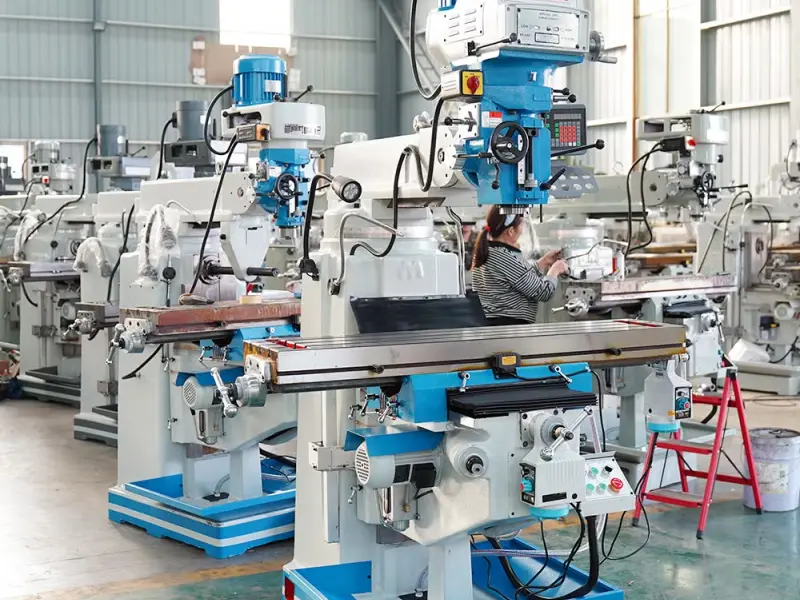
Here is my honest shop-floor opinion, formed over years of matching buyers with machines: most of these new EV suppliers do not need a brand-new five-axis centre to hit their tolerances on battery trays and housings. They need rigidity, table size and spindle hours that still have life in them. A late-model used machining centre with a 1,000-millimetre table, verified geometry and a documented test cut does that work for 40 to 60% of the new price. That is precisely the gap the used market exists to fill, and it is why I left the EV stands more optimistic about our side of the business than the new-machine side. See our used machining centre stock for the machine classes I mean.
Why Does Thailand’s Machine Tool Market Depend So Heavily on Imports?
Thailand builds more than a million vehicles a year and exports pickup trucks worldwide, yet it manufactures almost none of the precision machines that cut those parts. That mismatch defines every purchase in this market.
Thailand’s machine tool market is worth about USD 650 million in 2026 and imports roughly 95% of its precision CNC equipment. Japan and Germany hold around 52% of the high end, while Chinese and Korean builders lifted their combined share from 27.3% in 2022 to 39.6% in 2026.
Four Industrial Clusters Drive Four Different Machine Lists
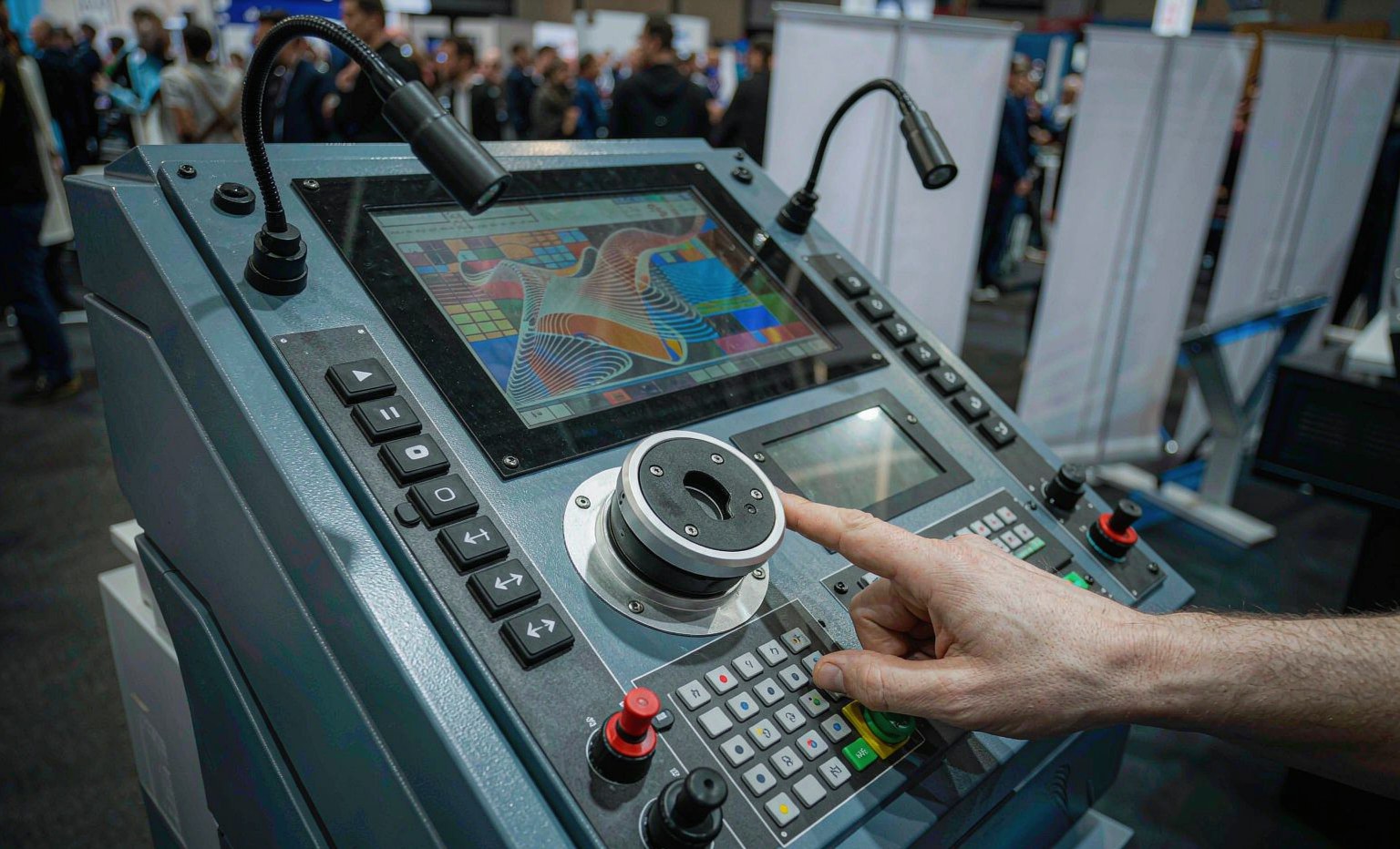
Thailand is not one machine tool market. It is four distinct clusters, and each one shops for a different machine list. If you sell into Thailand, or buy there, you need to know which cluster your parts live in, because the machine classes barely overlap.
| Cluster | Typical parts | Machines in demand |
|---|---|---|
| Rayong and Chonburi (automotive and pickup) | Engine blocks, gearbox housings, brake parts | Vertical and horizontal machining centres, CNC turning centres |
| Ayutthaya, Prachinburi, Chonburi (hard disk and electronics) | Precision housings, spindles, fixtures and jigs | High-speed small machining centres, precision milling |
| Samut Prakan and Bangkok (mould and die) | Injection moulds, stamping dies | Graphite milling, hard milling, wire EDM |
| Eastern Economic Corridor (EV and new energy) | Motor housings, battery trays, die-cast parts | Large machining centres, boring machines, five-axis |
A used machinery supplier who does not understand this split will quote the wrong machine every time. A buyer who ignores it will overpay for capability his parts never use. When a Rayong brake-component shop asks me for a machine, I ask about the gearbox housings on their drawing before I ask about their budget, because the two questions are the same question.
The Money and the Policy Behind It
The import dependence has a policy engine behind it. Thailand’s Board of Investment grants approved projects full import-duty exemption on production machinery, and the Eastern Economic Corridor adds infrastructure and land packages on top. The numbers are not small: BOI investment applications reached about 1.876 trillion baht in 2025, up 67% year on year, and the first half of 2026 alone brought in around 1.47 trillion baht. Machinery, automation and robotics accounted for 82 projects worth roughly 13.1 billion baht in the recent count. Small manufacturers get their own ladder, with tiered corporate tax rates that start at zero for profits under 300,000 baht.
What does this have to do with used machines? Everything. When duty exemption applies to imported machinery regardless of whether it is new or used under the qualifying scheme, the effective price gap between a new machine and a late-model used one widens even further in the buyer’s favour. The used machine’s lower invoice means lower VAT exposure and lower working capital locked into the project. I have walked buyers through this arithmetic on a whiteboard more times than I can count, and the result rarely changes: for three-axis job-shop work in the automotive and parts clusters, a verified used machine plus the BOI duty break beats a new machine on total cost of ownership almost every time. The main keyword to hold onto here is the Thailand machine tool import process, because policy is where the money hides.
The Rule That Quietly Changed for Used Machines
One announcement matters more to used-machine buyers than anything else on the show floor. On 27 May 2026, Thailand’s Board of Investment extended the import licence processing time for second-hand machinery — including CNC lathes, milling machines and modular automation cells — from roughly 90 days to about 180 days. At the same time, all supporting technical documents such as operation manuals, safety assessments and energy reports must now be submitted as certified Thai translations. English or Chinese originals are no longer accepted on their own.
Read that as a buyer, not as a bureaucrat. The longer approval window means your used machine order needs to be placed months earlier than your production start date, or you will be paying for idle capacity elsewhere while the licence sits in a queue. The certified translation requirement means your supplier’s documentation quality is now a hard operational issue, not a nice-to-have. A used machine that ships without complete manuals, nameplate data that matches the invoice, and clean safety documentation will stick in customs, and sticking costs real money per day. This is exactly why we prepare documentation sets, third-party inspection reports and matching nameplate records before a machine ever leaves our yard. The regulation is tightening on paper, but in practice it is tightening on suppliers, and disciplined suppliers turn that into an advantage.
What Should Used-Machinery Buyers Take Away From the Show Floor?
New machines filled the bright stands. Budgets did not. The practical takeaway is converting show-floor intelligence into a procurement decision that survives contact with your cash flow.
Use a show like METALEX as a pricing benchmark, not a shopping trip. Compare the new models on display against late-model used equivalents, then buy used whenever the capability gap does not touch your parts. For standard three-axis and turning work, that discipline typically saves 40–60% per spindle.
New Versus Used: Where the Gap Is Real and Where It Is Not
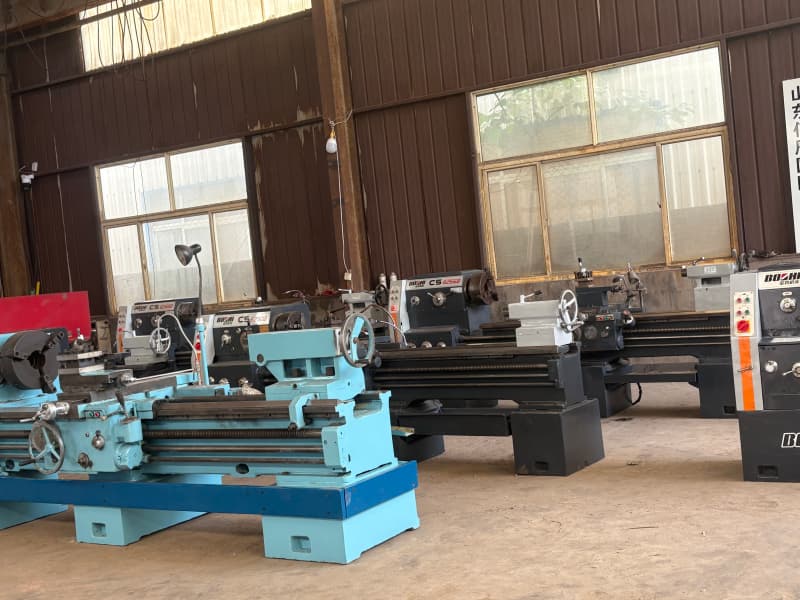
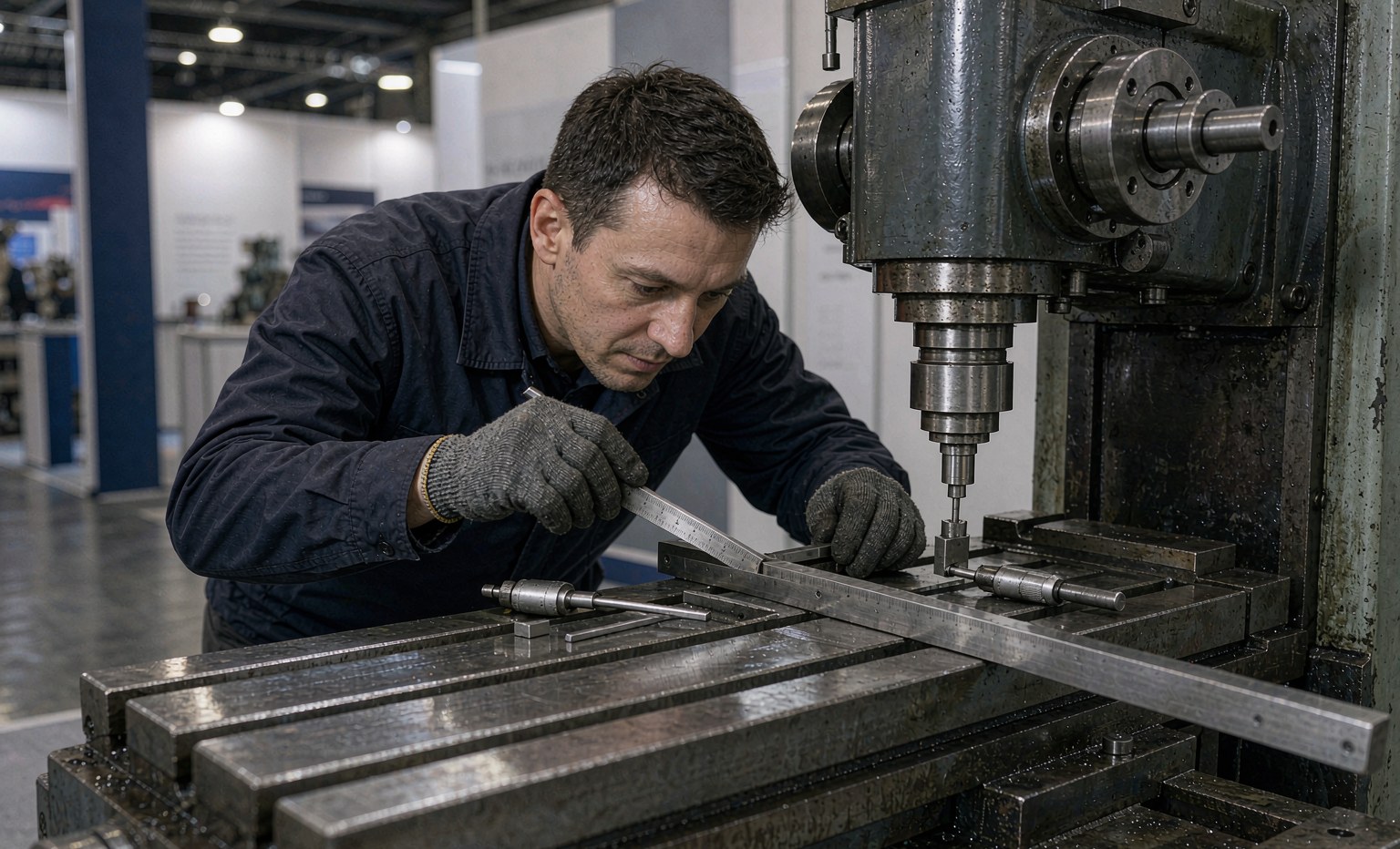
Walking the fair, I noted list prices quietly and compared them against the late-model used machines we move every month. The gap depends entirely on what you are buying. New equipment wins outright where the part demands it: five-axis simultaneous work, sub-micron grinding, high-speed hard milling for moulds. But the majority of Southeast Asian job-shop work — flanges, housings, brackets, shafts, plates, simple cylinders — sits squarely in the capability band where a ten-year-old, well-maintained machine is functionally identical to the new one on the stand.
Here is the comparison I carry in my head after every show:
| Decision factor | New machine | Late-model used machine |
|---|---|---|
| Purchase price | Full list, often plus options | 30–60% of new for comparable capability |
| Lead time | 3–9 months depending on builder queue | Stock machines ship in 1–4 weeks after inspection |
| First-year depreciation | Steepest, often 15–25% | Already absorbed by the first owner |
| Five-axis and aerospace capability | Clear winner | Rarely available, do not force it |
| Three-axis job-shop and turning work | Equivalent on paper | Equivalent in practice when geometry is verified |
| Automation readiness | Native, factory-integrated | Achievable via retrofit kits at modest cost |
| Documentation and risk profile | Factory-backed warranty | Depends on seller discipline — demand test reports |
| Spare parts | Guaranteed through the dealer channel | Check controller family and drive availability before buying |
The two rows buyers underestimate are the last two. Documentation and spare parts decide whether a used machine is a bargain or a boat anchor, and neither shows up in a photo. That is why the inspection process matters more than the price negotiation.
Timing Your Order Around the BOI Queue
The 180-day used-machinery licence window changes procurement sequencing more than it changes machine choice. My practical advice after watching buyers work through this since May: build the licence timeline into the project plan first, and let the machine search follow it. Order the machine when the project schedule gives you six months of buffer, not when the machine appears in stock. Ask your supplier for the documentation pack — manuals inventory, nameplate photos, safety assessment support, test reports — before you pay the deposit, and reject any machine whose paperwork cannot be assembled within two weeks. A supplier who hesitates on documents is telling you how your customs clearance will go.
Also plan the arrival inspection while you are at it. Machines spend weeks in a container at over 90% relative humidity, so the first checks after arrival — rust spots, coolant system condition, a slow warm-up run, a repeat of the pre-shipment test cut — should already be on your checklist before the machine leaves China. Every serious exporter will support this; the ones who resist it are filtering themselves out.
The Checks I Would Run Before Paying Any Deposit
A buyer I work with in Saudi Arabia — a rational, efficiency-focused procurement manager — told me our company was the first used machinery supplier who provided real machine videos and third-party inspection support before payment. His earlier suppliers sent photos that did not match the machines, and one shipment arrived with transport damage from weak packing. His fix list has become my standard recommendation: real running videos of the exact machine, SGS or equivalent third-party inspection before shipment, wooden case packing with anti-rust protection, and full export documentation matched to the nameplate. None of this is exotic. All of it is checkable before money moves.
So my pre-deposit checklist is short and blunt. Verify the machine exists as described, on video, running a real cut. Demand the spindle runout and geometry numbers in writing. Confirm the controller and drives are a supported family with parts availability in your country. Match every document to the nameplate. And align the whole timeline with the BOI queue, because in 2026 the paperwork is now the critical path, not the machine. Buyers who run this list do not get surprises; buyers who skip it fund my industry’s bad reputation.
Conclusion
METALEX 2026 confirmed real demand, tight budgets and a mid-range CNC battleground. Buy the capability your parts need, not the badge on the banner, and let the used market carry the rest.