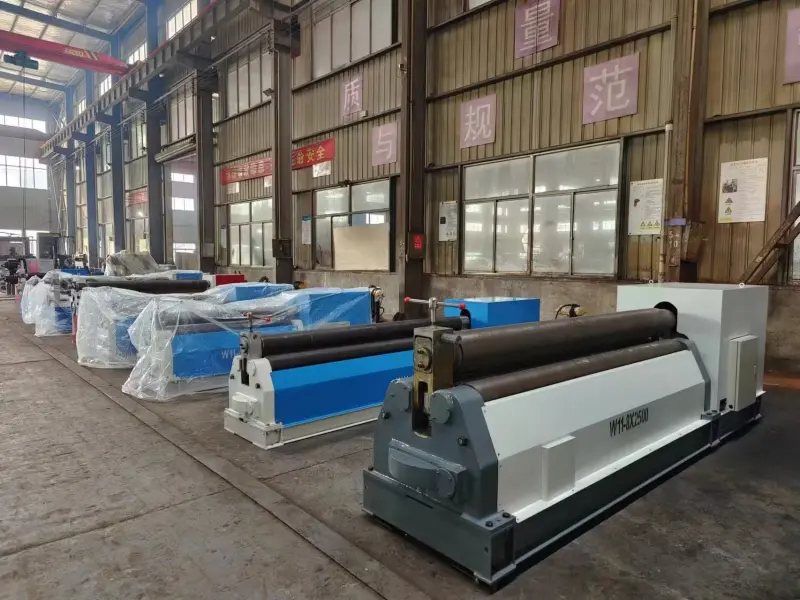
What Is the Difference Between Three-Roll and Four-Roll Plate Rolling Machines?
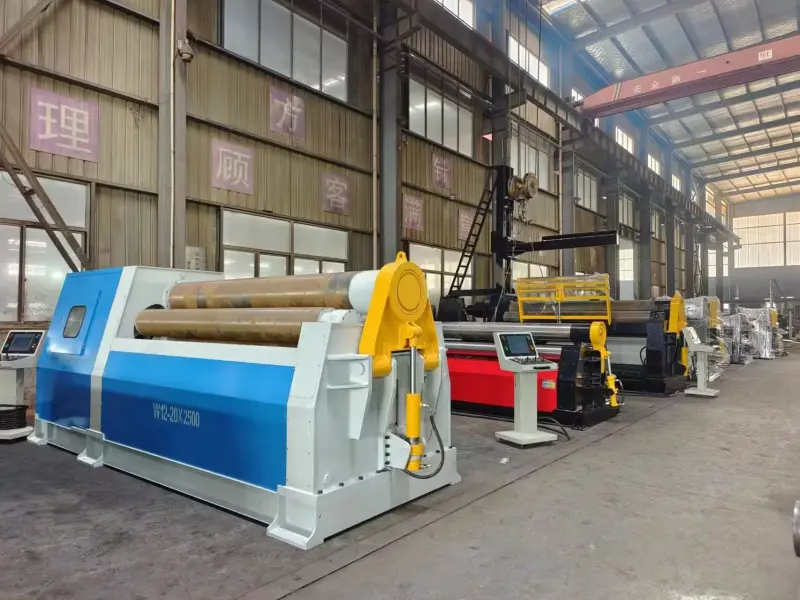
Two plate rolls, same tonnage on paper. One closes a cylinder in one pass. The other leaves straight edges, a crane flip, and extra scrap. Here is how to tell t

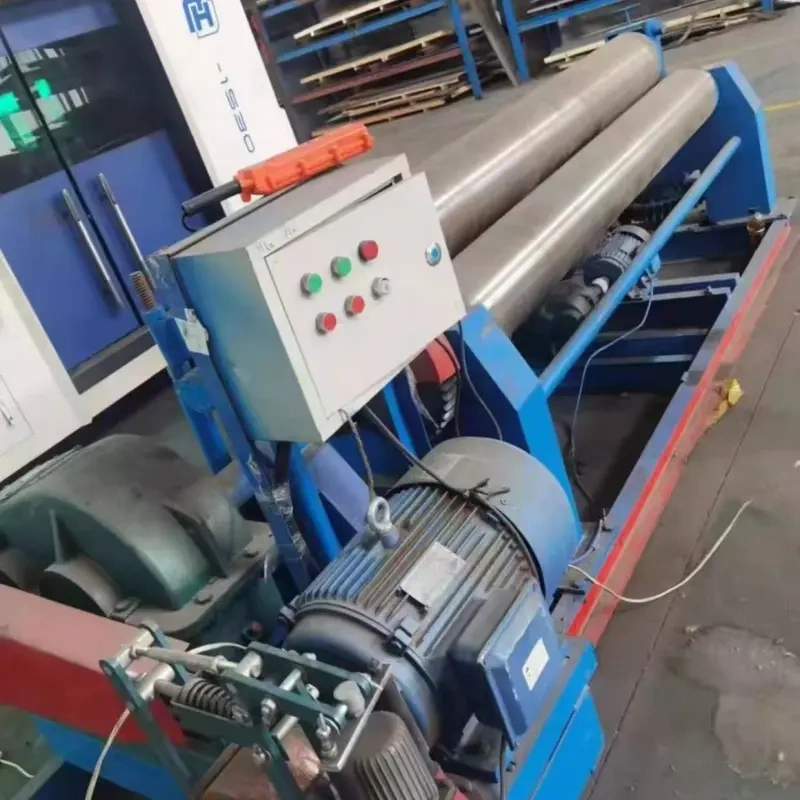
Two plate rolls, same tonnage on paper. One closes a cylinder in one pass. The other leaves straight edges, a crane flip, and extra scrap. Here is how to tell t
A used plate rolling machine looks fine on the yard and rolls badly in your workshop. One oval shell or a soft hydraulic circuit can cost you weeks of rework. H
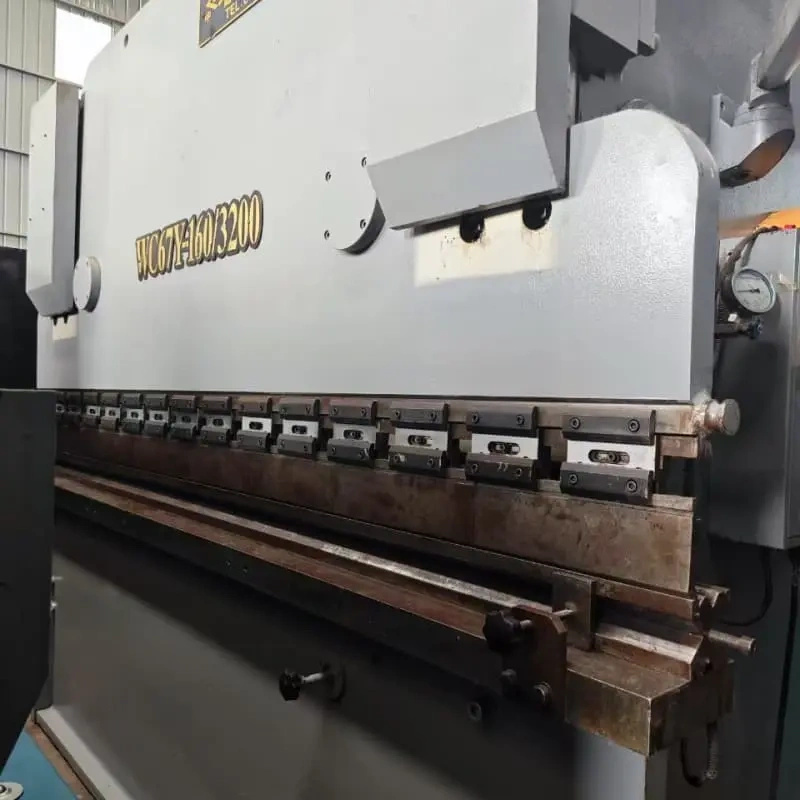
A Mexican fabricator was about to wire money for a press brake he had never touched. One worn ram would have cost him a season of rework. A test video settled i
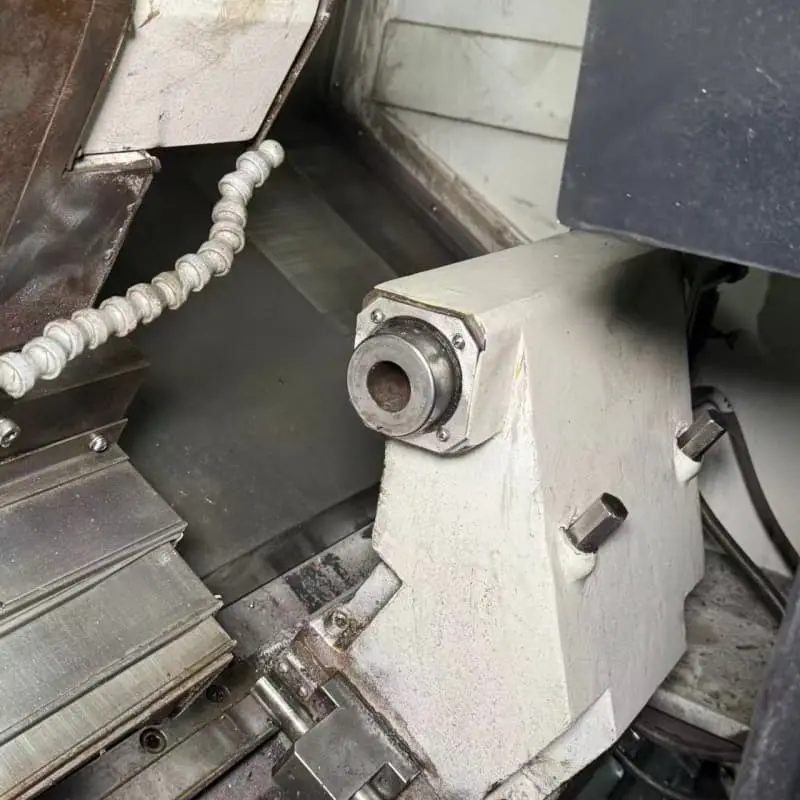
A used CNC lathe can look perfect in photos and still fail its first production week. For a parts manufacturer, one wrong machine means scrapped batches, missed
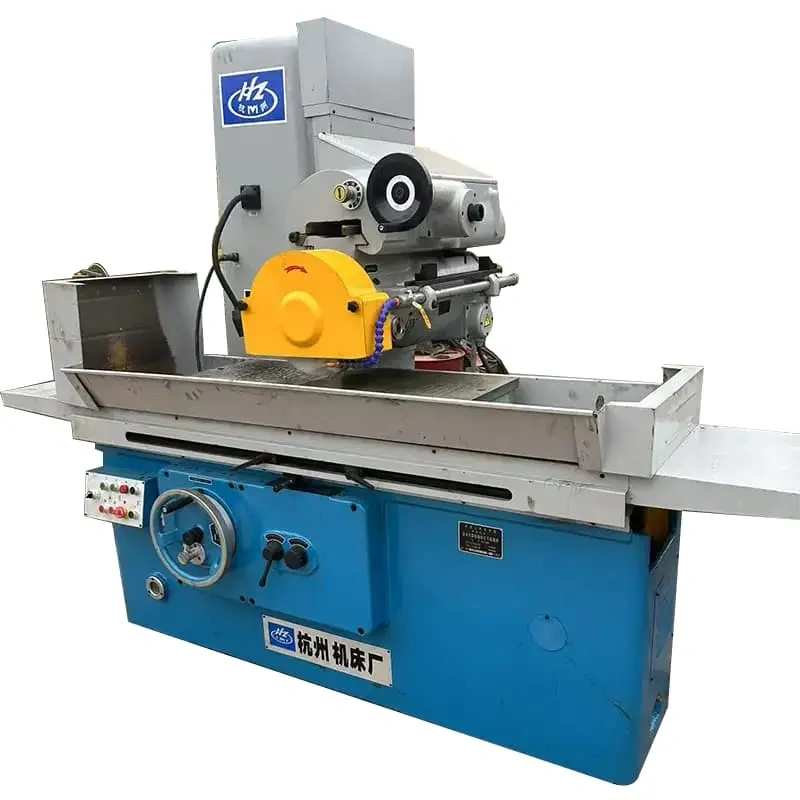
Precision parts that miss tolerance become scrap, not discounts. I have watched rework batches eat a quarter’s margin, and the cure is nearly always the same: b
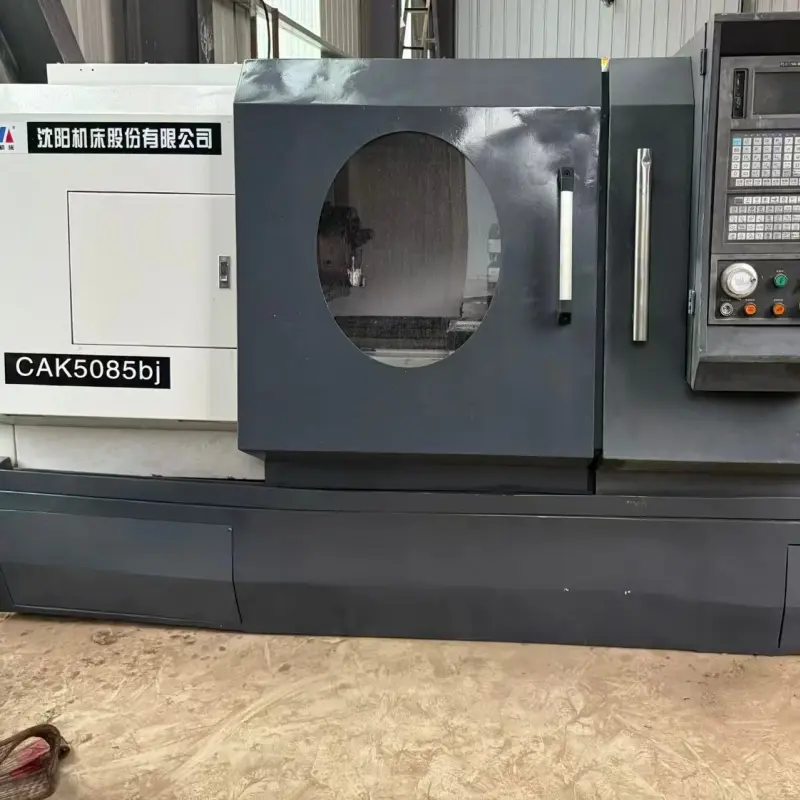
A used CNC lathe can look perfect in photos and still fail on your floor. One skipped power-on test turns a bargain into weeks of downtime. Here is exactly how
A seller sends a short video and a one-page report. Both can look clean. Both can still hide a tired spindle. Here is how we tell evidence from theater. A used
Thick plate fights back. Roll it wrong and you get a barrel-shaped shell, a straight seam and a scrapped plate. Here is how the three rolls actually form steel.
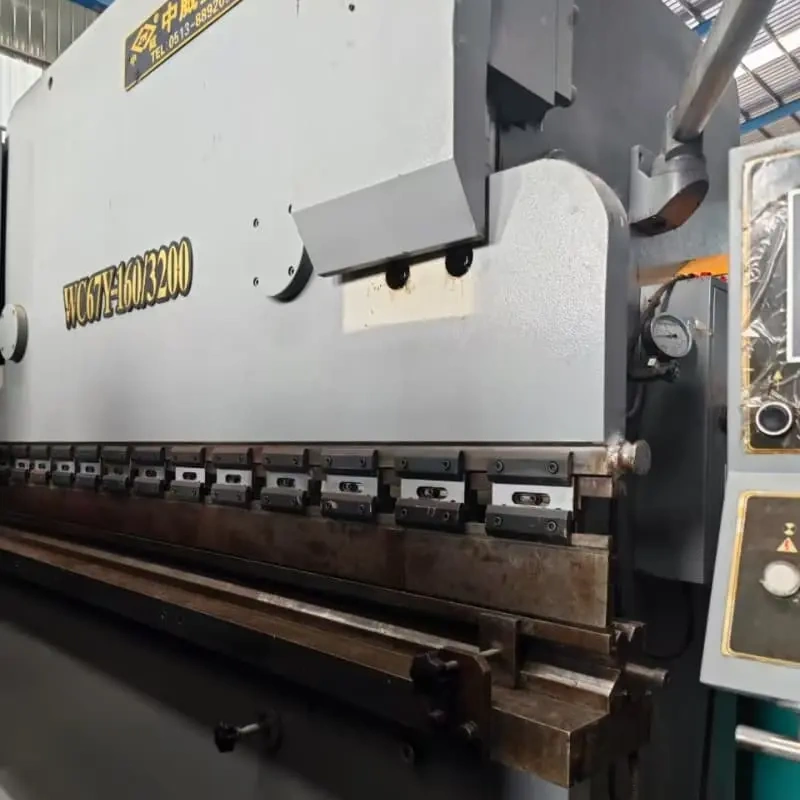
An overseas buyer cannot walk into the yard and kick the tyres. He wires money, waits six weeks, and hopes. One wrong tonnage figure turns a bargain machine int
A 3-metre shaft bends away from the tool before the first pass ends. Buy the wrong used lathe and you inherit taper, chatter and scrap for years. Size a used la