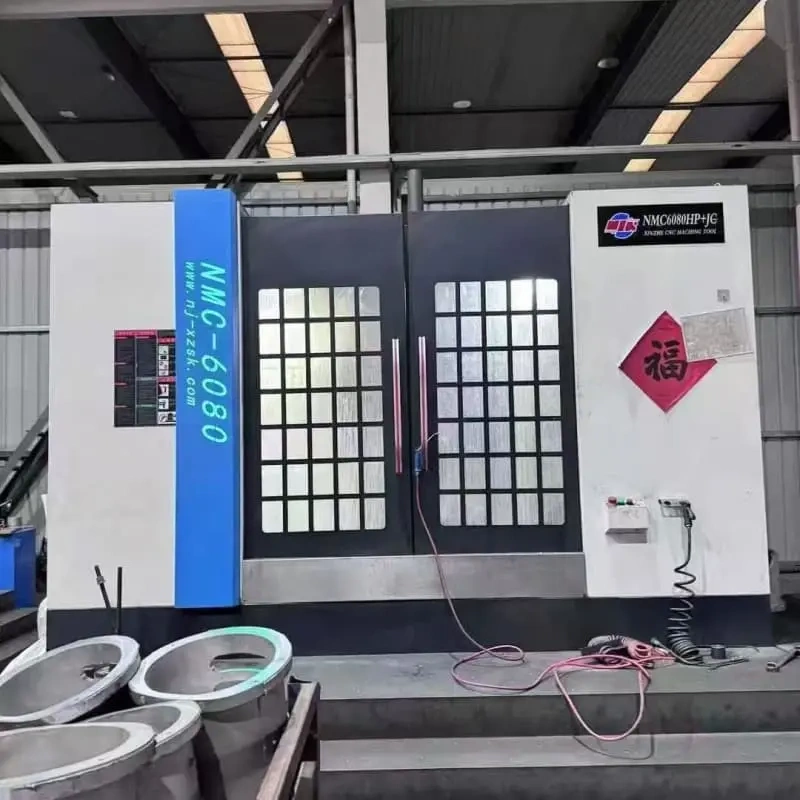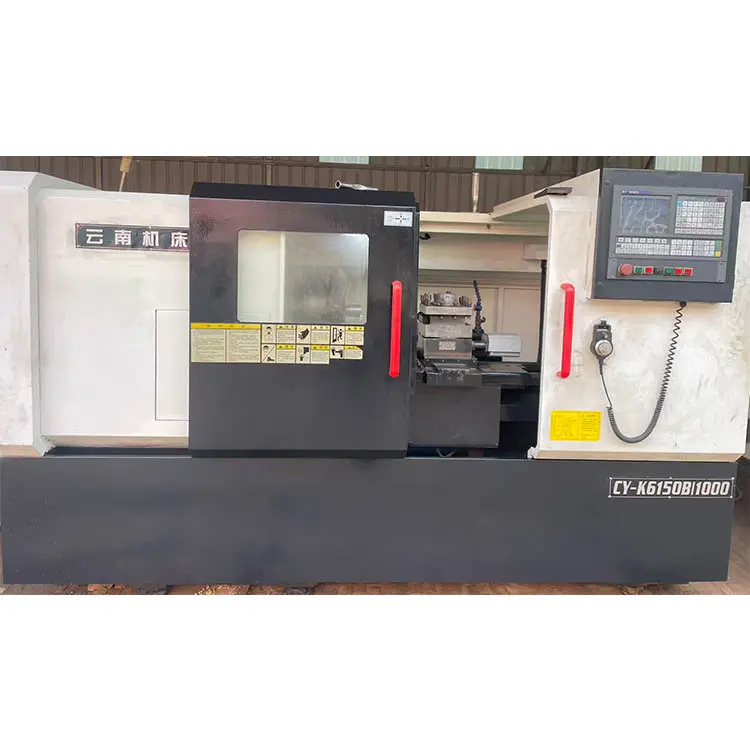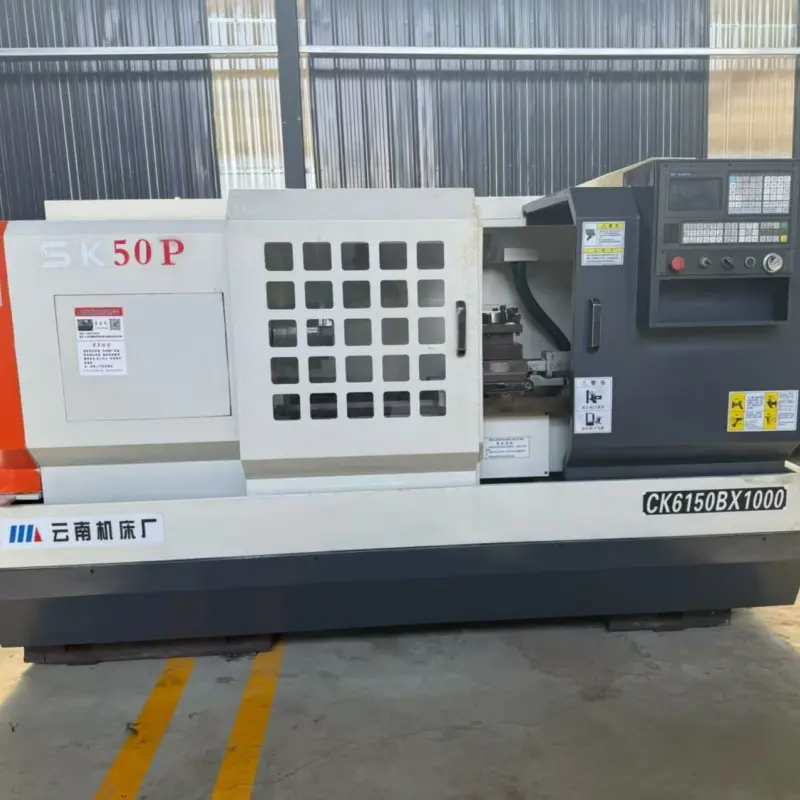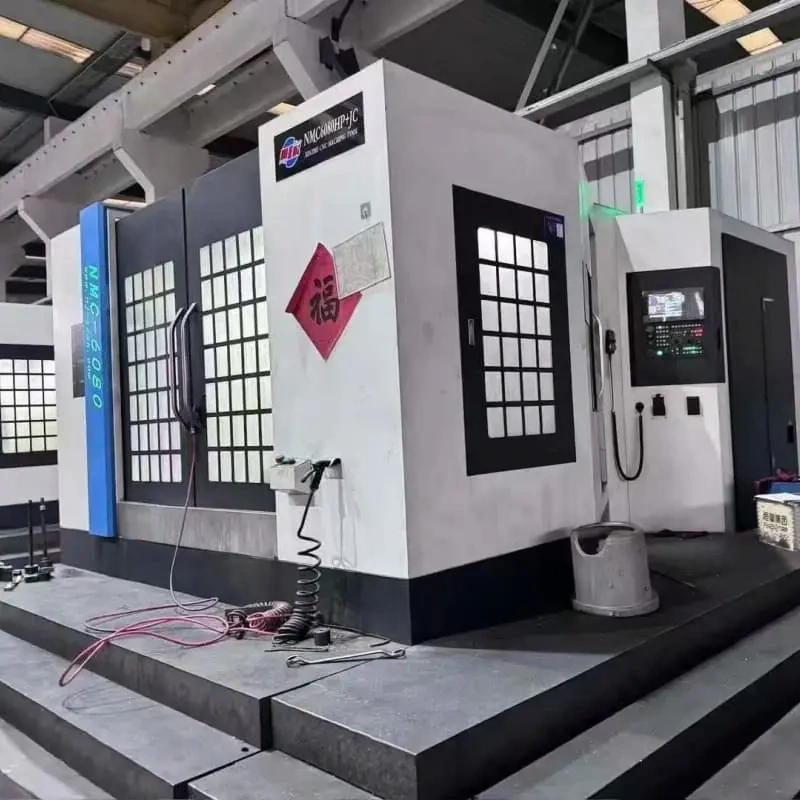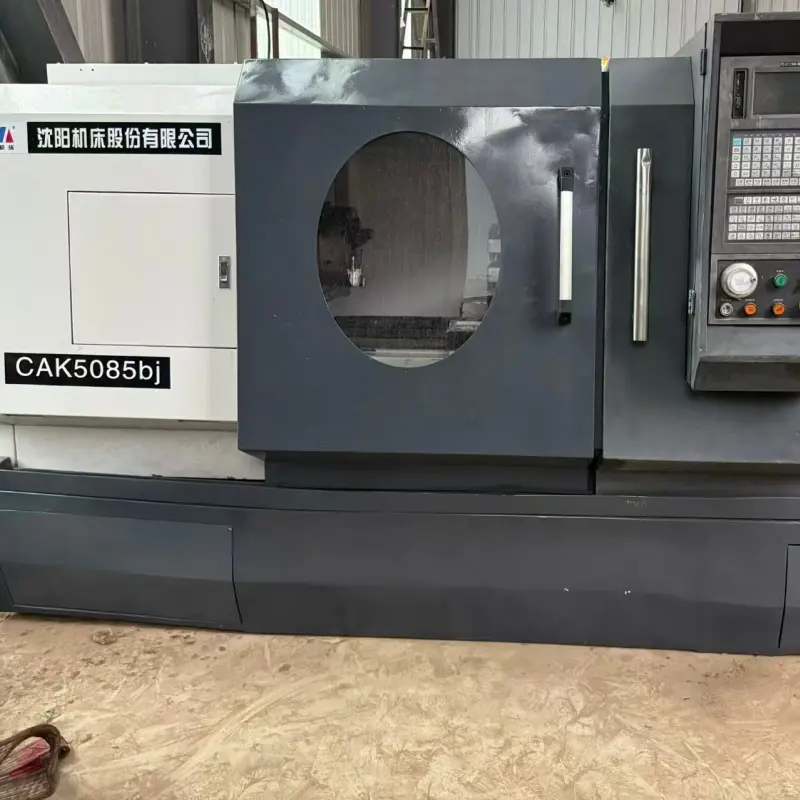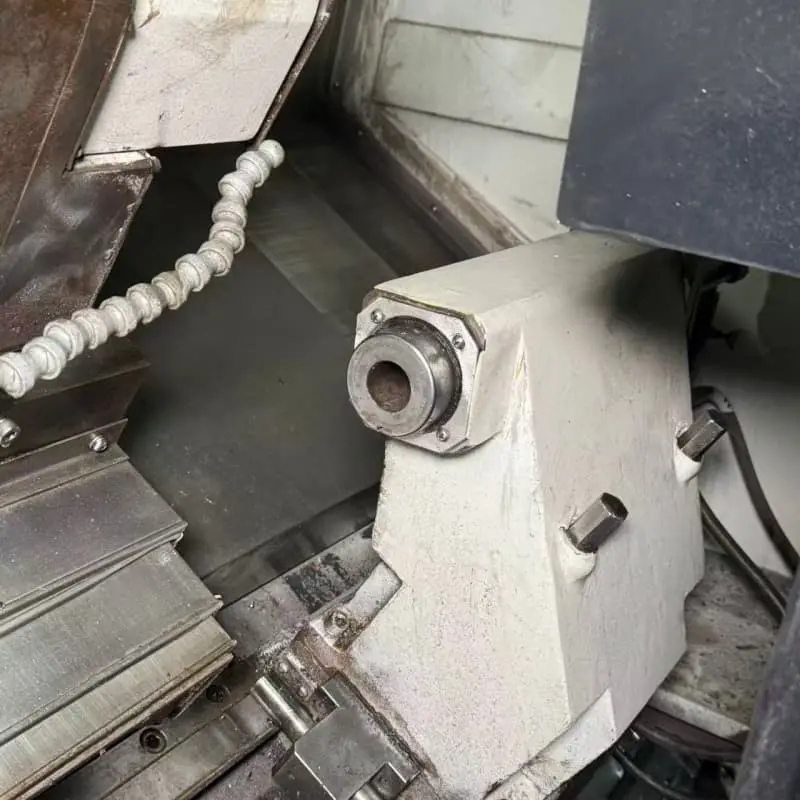
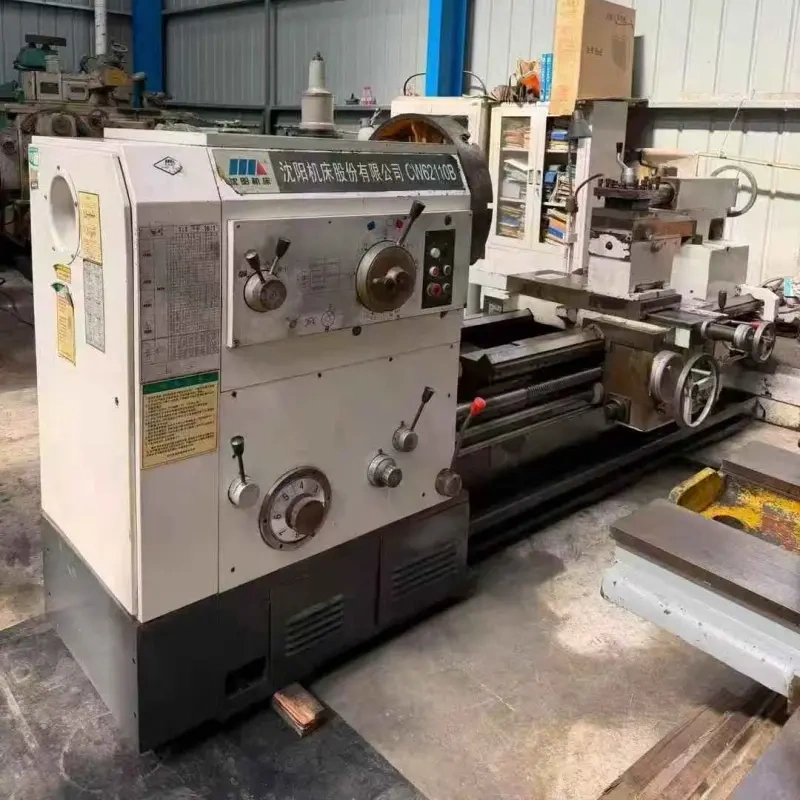
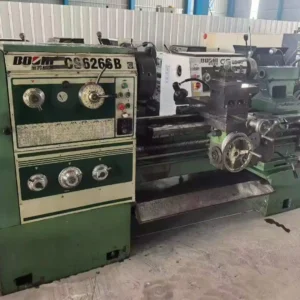
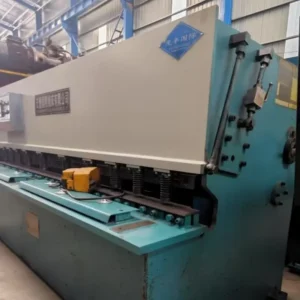
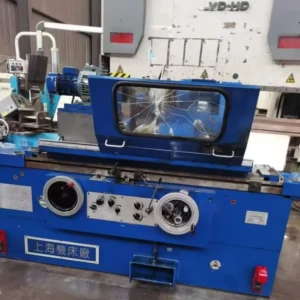
A slow or unreliable lathe can delay orders, increase labor costs, and reduce workshop output. I use reliable used machines to add capacity without excessive investment.
I improve workshop efficiency with reliable used lathe machines by choosing the right capacity, checking machine condition, reducing downtime, and matching each machine to real production needs.
When I talk with workshop owners and machinery distributors, I often hear the same concern. They want higher production capacity, but they do not always want to spend the money required for several new machines.
I understand this problem because I work with used machinery buyers every day. Many of my customers are metal processing factories, project contractors, machinery distributors, and maintenance companies. They need machines that can work, not machines that only look good in a catalog.
I believe a reliable used lathe machine can be a practical way to improve workshop efficiency. The key word is reliable. I do not think every used machine is a good investment. I need to look at its actual condition, working capacity, maintenance history when available, and suitability for the buyer’s production.
I also look beyond the machine price. I consider how much useful work the machine can complete. I consider how often the machine may stop. I consider whether spare parts and maintenance are manageable. I also consider how quickly the machine can enter production.
In my experience, workshop efficiency is not simply about buying newer equipment. It is about using the right equipment at the right time.
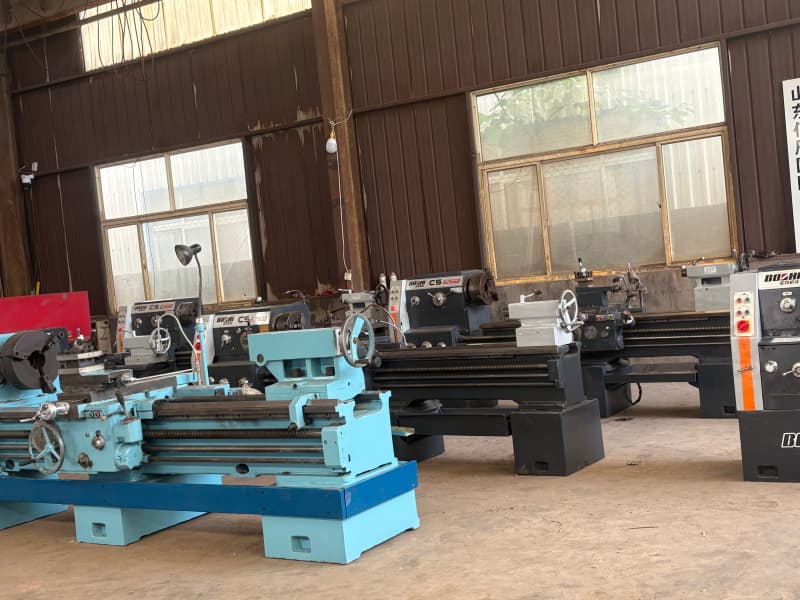
Why Can a Reliable Used Lathe Machine Improve Workshop Efficiency?
I can improve workshop efficiency with a reliable used lathe machine because I can add production capacity, reduce waiting time, and use a lower initial investment than many new machines.
A workshop loses money when operators wait for machines. A workshop also loses money when one machine handles too many jobs at the same time. I often see this problem when a factory has enough orders but not enough available machine capacity.
I Use Additional Machines to Reduce Production Bottlenecks
I look for production bottlenecks before I recommend another machine.
For example, a workshop may have three lathes. Two machines may be running most of the day, while one machine is being repaired. The operators may then move jobs between the two working machines. This can create waiting time.
A reliable used lathe can provide another production option. The workshop can use it for general turning, repair work, shaft machining, or other suitable jobs.
I do not always recommend a large machine. I first look at the jobs that create the biggest delays.
| Workshop Problem | How I May Use a Used Lathe |
|---|---|
| Existing lathes are overloaded | Add another production machine |
| Repair jobs interrupt production | Use a separate machine for maintenance work |
| Small jobs wait behind large jobs | Move small jobs to another lathe |
| Demand increases suddenly | Add temporary production capacity |
| New machine investment is too high | Consider a suitable used machine |
| Different workpiece sizes need different machines | Build a better machine mix |
This approach can make the production line more flexible.
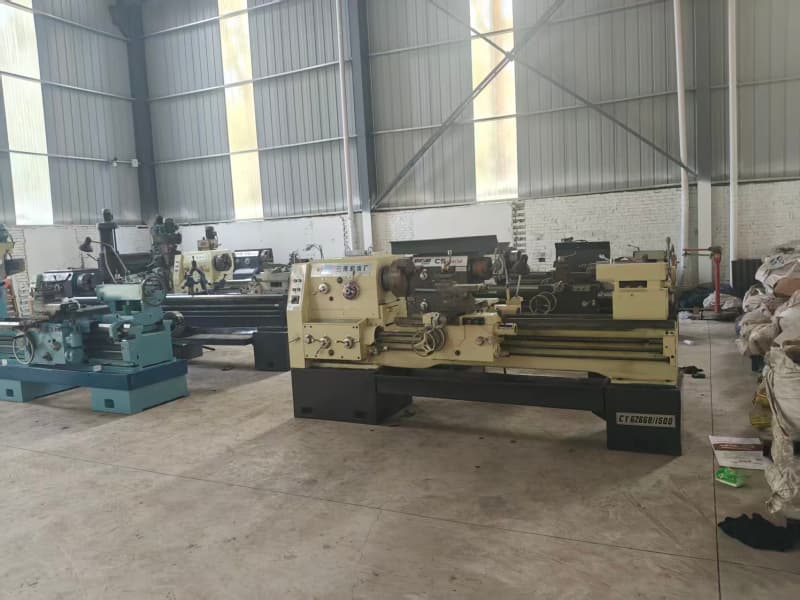
I Focus on Machine Availability
I consider machine availability more important than a long list of specifications.
A machine only creates value when it is available for useful work. A machine with excellent specifications does not help much if it spends most of its time waiting for repair.
I therefore check the machine’s running condition before I discuss productivity with a buyer.
I want to know if the spindle runs normally. I want to know if the feed works. I want to know if the motor operates properly. I also want to know if the machine has obvious mechanical problems.
I use real photos and running videos because I want buyers to see the actual machine.
I Think Used Machinery Can Support Faster Expansion
I often work with buyers who want to increase production without making a very large investment.
A used lathe can sometimes allow a workshop to add capacity at a lower purchase cost. The buyer can then use the remaining budget for tooling, transportation, installation, or another machine.
This is especially useful for small and medium-sized workshops.
I do not say that used machinery is always better than new machinery. New machines can provide new controls, warranties, higher automation, and other benefits.
My point is different. I think the buyer should compare the production value of each option instead of looking only at the purchase price.
My View on Workshop Efficiency
My own view is that a reliable used lathe is valuable because it can turn unused floor space and available labor into additional production capacity.
I have seen buyers focus heavily on machine age. I think age alone does not tell me enough. A machine that has been properly maintained and still operates well may be more useful than a newer machine with poor maintenance.
I always want to see the actual machine condition before I make a judgment.
How Should I Choose the Right Used Lathe Machine for My Workshop?
I choose a used lathe machine by matching its working range, spindle capacity, machine rigidity, motor power, and condition with the workshop’s actual production requirements.
I do not recommend a used lathe simply because the price looks attractive. I first ask what the buyer needs to machine.
I Start With the Workpiece
I ask about the workpiece before I discuss the machine.
I want to know the maximum diameter. I want to know the maximum length. I also ask about material, production quantity, tolerance, and machining process.
For example, a workshop that produces long shafts needs a different machine from a workshop that produces small bushings.
I normally check these points:
- Maximum workpiece diameter
- Maximum workpiece length
- Distance between centers
- Spindle bore
- Spindle speed range
- Motor power
- Machine rigidity
- Chuck size
- Tool post type
- Threading requirements
These details help me narrow the machine selection.
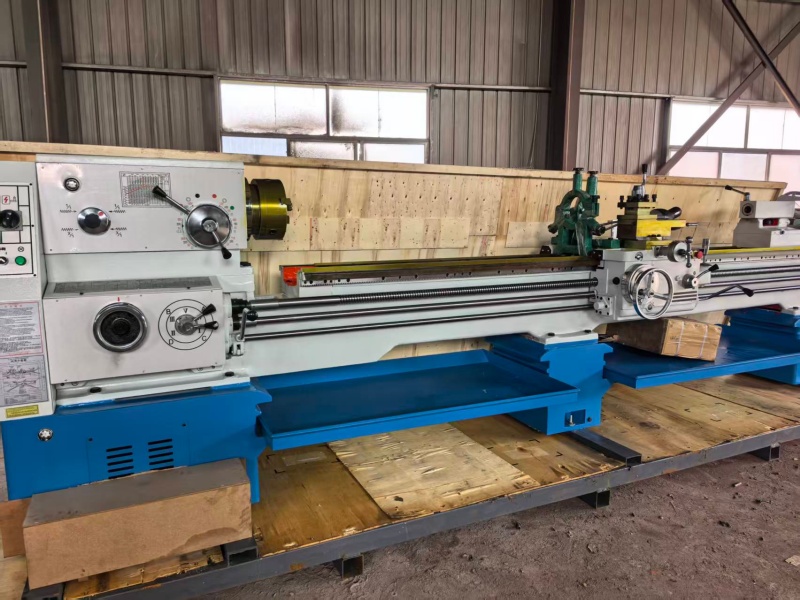
I Match Machine Size With Real Production
I believe oversized machines can also reduce efficiency.
A large lathe can handle large workpieces, but it can take more floor space and may require more power. If most of the workshop’s jobs are small, the large machine may not provide the best return.
A smaller machine can sometimes handle those jobs more efficiently.
I therefore try to match the machine to the actual workload.
| Production Requirement | Feature I Focus On |
|---|---|
| Long shafts | Distance between centers |
| Large diameter parts | Swing over bed |
| Large internal holes | Spindle bore |
| Heavy cutting | Motor power and rigidity |
| General turning | Speed range and flexibility |
| Thread production | Lead screw and gearbox |
| Repeated work | Stable operation and tooling |
| Small batch work | Easy setup and flexibility |
I Check the Machine’s Mechanical Condition
I inspect the machine before I make a recommendation.
I look at the bed, guideways, spindle, carriage, cross slide, tailstock, chuck, leadscrew, gearbox, motor, and electrical system.
I do not expect a used machine to look new. I expect the machine to show normal signs of previous use.
What matters to me is whether the wear affects the buyer’s intended work.
For example, some surface marks may not affect general machining. Serious guideway wear may be much more important.
I explain these differences to buyers because I want them to understand what they are purchasing.
I Check the Spindle
I pay close attention to spindle condition.
I run the spindle when possible. I listen for unusual noise. I observe vibration. I check different available speeds.
I also check the chuck and spindle connection.
A stable spindle is important because the spindle directly affects turning performance.
I Check the Machine’s Rigidity
I also look at the machine structure.
The bed, headstock, tailstock, carriage, and support structure need to work together.
Heavy turning creates cutting forces. The machine needs enough rigidity to handle these forces.
I do not judge rigidity from the machine name alone. I look at the physical structure and running condition.
My View on Machine Selection
My own view is simple: I would rather sell a buyer a machine that fits the job than sell a larger machine that looks more impressive.
This approach may reduce the initial order value in some cases. However, it can create better long-term customer relationships.
A machine should solve a production problem. It should not create another problem because the buyer purchased more capacity than needed.
How Can I Reduce Downtime When Using Used Lathe Machines?
I reduce downtime by testing the machine before purchase, checking common wear areas, preparing maintenance plans, and making sure the machine is correctly installed before production.
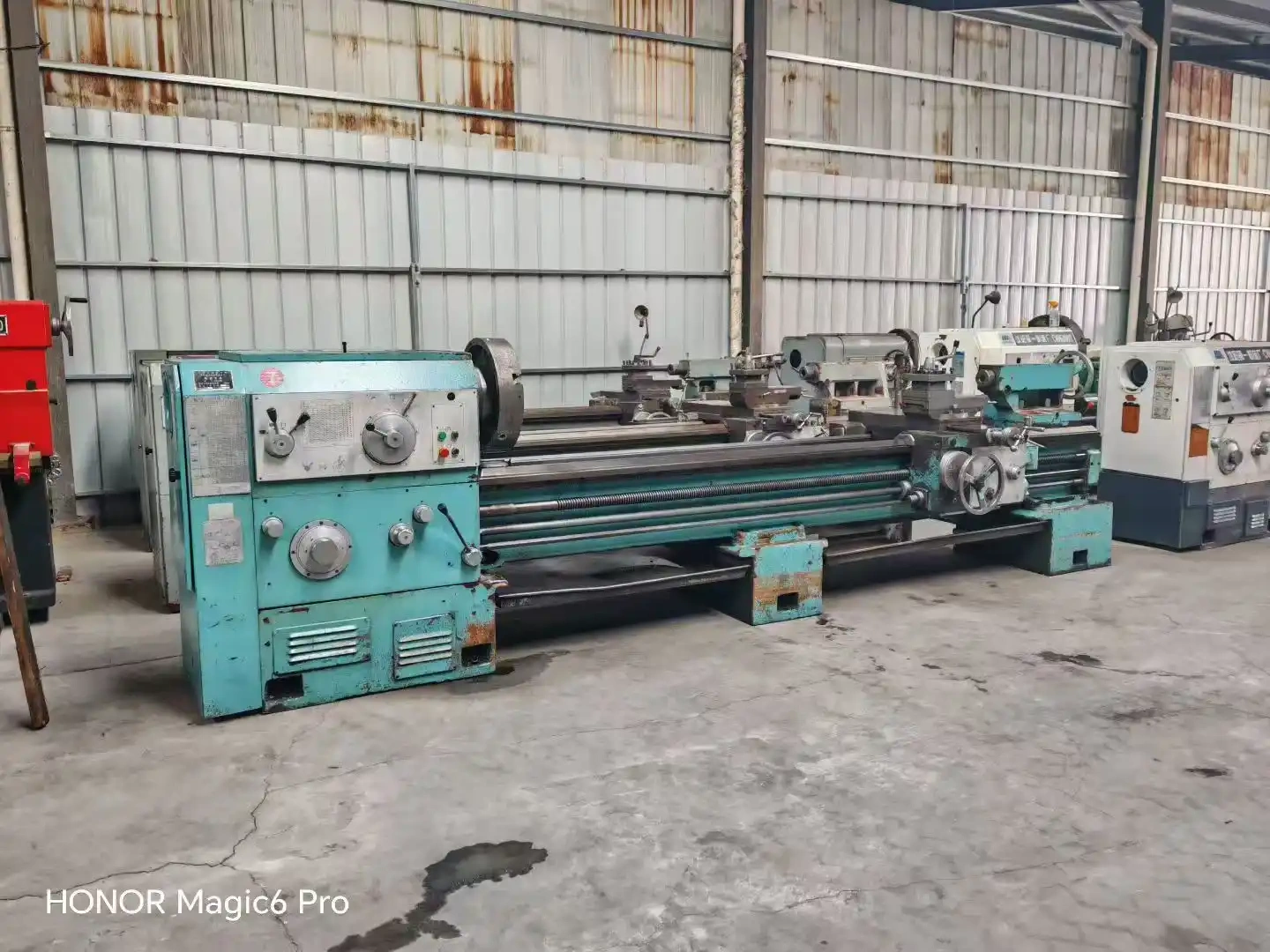
Downtime is one of the biggest risks when a workshop buys used machinery. The machine may have a lower purchase price, but frequent breakdowns can remove that advantage.
I Inspect Before the Machine Leaves My Warehouse
I do not want to discover a major problem after the machine reaches another country.
I therefore inspect the machine before shipment.
I check the main mechanical and electrical systems. I also run the machine when possible.
I record photos and videos. I use these records to show the buyer the actual condition.
This process is especially important for international B2B transactions because the buyer may be thousands of kilometers away.
I Check Common Wear Areas
I pay attention to the parts that directly affect machine performance.
| Component | What I Check |
|---|---|
| Spindle | Rotation, noise, vibration |
| Chuck | Jaw movement and condition |
| Guideways | Wear and visible damage |
| Carriage | Movement and locking |
| Cross slide | Smooth movement |
| Tailstock | Movement and locking |
| Leadscrew | Wear and operation |
| Gearbox | Speed and feed functions |
| Motor | Starting and running |
| Electrical cabinet | Controls and visible wiring |
I use this checklist as a practical starting point. The exact inspection depends on the machine model.
I Do Not Hide Normal Wear
I think honesty is very important in used machinery.
A used machine can have scratches, old paint, surface marks, or other signs of use. I do not think these things should automatically make the machine unacceptable.
I care more about whether the machine can perform the intended work.
I tell buyers about visible problems. I also provide actual photos instead of only using old catalog images.
This method gives buyers a better basis for their decision.
I Support Third-Party Inspection
Some buyers need more than my own inspection.
I support SGS or other third-party inspection when required.
The inspector can check the machine according to an agreed inspection scope. The buyer can then use the report for internal approval.
This process is useful for large machinery importers and project-based distributors.
I Prepare the Buyer for Maintenance
I also think maintenance planning should begin before the machine arrives.
The buyer can prepare lubricants, basic tools, electrical requirements, installation space, and suitable lifting equipment.
The buyer can also prepare operators before the machine enters production.
These small steps can reduce the time between delivery and production.
My Experience With a Saudi Arabian Buyer
I worked with Gulf Industrial Equipment LLC in Saudi Arabia. The buyer purchases machinery for local fabrication workshops and industrial factories.
The buyer had problems with previous suppliers. Some machines did not match the photos or descriptions. The previous suppliers also responded slowly. The buyer did not receive enough testing information before payment.
I changed the process for this customer.
I provided real machine photos. I provided running test videos. I supported third-party inspection before shipment. I also used professional export packing with wooden cases and anti-rust protection.
I arranged shipment to Dammam Port and supported the export documents.
The buyer later told me that the real machine videos and inspection support made the purchase process much easier. The machines arrived in good working condition.
This experience changed how I look at used machinery sales.
My own view is that downtime prevention starts before the buyer pays for the machine. A proper inspection cannot remove every future repair risk, but it can reduce uncertainty and identify problems before shipment.
How Can I Use Different Used Lathe Machines to Balance Workshop Work?
I improve workshop efficiency by assigning different jobs to different machines instead of asking one lathe to handle every type of work.
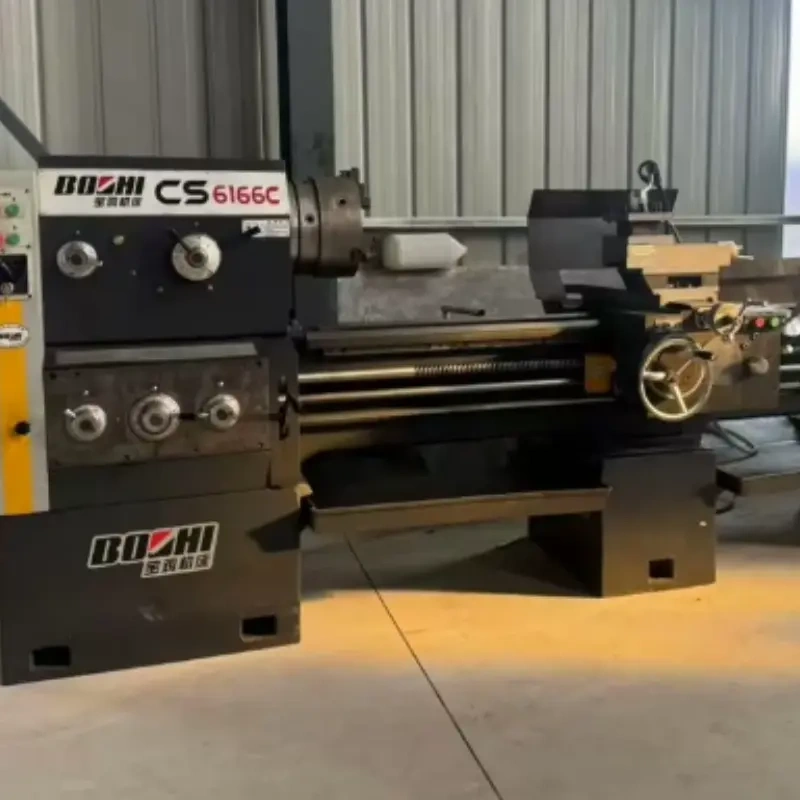
I often find that workshops have mixed production requirements. One machine may be suitable for large shafts. Another may be better for smaller general turning. A CNC lathe may handle repeated production more efficiently.
I Divide Jobs by Machine Capacity
I look at the workshop’s production mix.
For example, I may use a large conventional lathe for large diameter or long workpieces. I may use a smaller lathe for repair work and general parts.
I can use a CNC lathe for repeated production where programming and cycle consistency provide a clear advantage.
This division can reduce unnecessary machine changes.
| Machine Type | Suitable Workshop Role |
|---|---|
| Large conventional lathe | Large and heavy workpieces |
| Medium conventional lathe | General turning |
| Small lathe | Small parts and repair work |
| Used CNC lathe | Repeated and more controlled production |
| Long-bed lathe | Long shafts and extended workpieces |
I Reduce Setup Changes
Every machine setup takes time.
The operator may need to change the chuck, tools, workholding system, or cutting conditions.
If I keep suitable jobs on suitable machines, I can reduce some of these changes.
For example, I do not need to move every small job onto the largest lathe simply because that machine is available.
I can use a smaller machine for smaller jobs and keep the large machine available for work that actually requires it.
I Separate Urgent Repair Work From Production
Maintenance and repair jobs can interrupt normal production.
I have seen workshops stop a production machine because an urgent repair part needs to be made.
A separate used lathe can sometimes solve this problem.
The workshop can use the additional machine for maintenance parts, small shafts, bushings, and other repair work. The main production machines can continue their scheduled work.
I Build Capacity Step by Step
I do not think every workshop needs to buy five machines at once.
A workshop can add one reliable used machine when the workload justifies it.
The workshop can then measure machine utilization, order volume, production time, and maintenance cost.
If demand continues to grow, the workshop can add another machine.
This approach can help control cash flow.
My View on Machine Mix
I believe a balanced group of machines can be more efficient than one expensive machine that tries to handle every job.
This is especially true for workshops with mixed orders.
I have worked with buyers who need several types of machinery, including used lathes, used milling machines, used grinding machines, used drilling machines, used boring machines, used shearing machines, and used bending machines.
These buyers often need a complete production solution instead of one machine.
I therefore look at the machine as part of the workshop system.
How Can Used Lathe Machines Improve Cost Efficiency?
I improve cost efficiency by comparing machine price, repair risk, production capacity, shipping cost, maintenance needs, and expected working value.
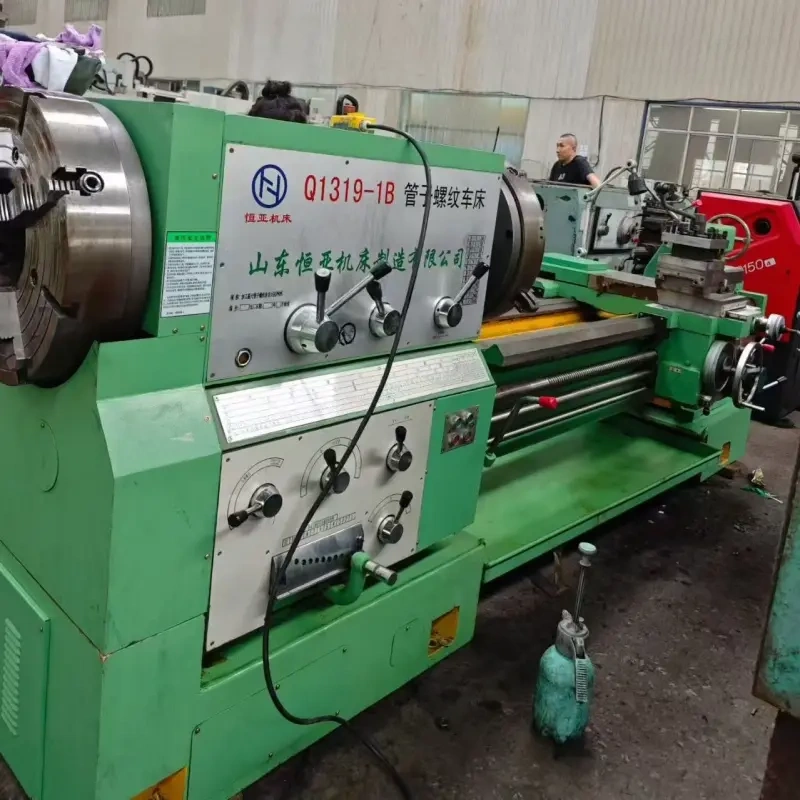
The purchase price is important, but I do not think it should be the only number in the decision.
I Compare Total Investment
I calculate the total cost as much as possible.
The buyer may need to pay for the machine, inspection, packing, inland transport, ocean freight, customs, installation, tooling, and maintenance.
| Cost Item | Why I Check It |
|---|---|
| Machine price | Initial investment |
| Inspection | Verification before shipment |
| Packing | Protection during transport |
| Inland transport | Delivery to port |
| Ocean freight | International shipping |
| Customs | Destination import costs |
| Installation | Preparing the machine for work |
| Tooling | Production requirements |
| Maintenance | Long-term operating cost |
A machine with a lower purchase price may not always have the lowest total cost.
I Look at Production Value
I ask how much useful production the machine can add.
If a workshop already has enough orders but not enough machine hours, a used lathe can provide additional capacity.
The buyer can then accept more work.
The buyer may also reduce overtime or waiting time.
This is where I think the real value of a used machine appears.
I Compare Used and New Machines Carefully
I do not tell every buyer to choose used machinery.
A new machine may make more sense when the buyer needs advanced CNC functions, warranty support, automation, or very high precision.
A used machine may make more sense when the buyer needs practical turning capacity and wants to control capital investment.
I compare both options based on the production requirement.
I Avoid Cheap Machines With Unclear Conditions
I do not believe the cheapest machine is always the best machine.
If the machine needs major repairs after arrival, the buyer may spend more than expected.
The buyer may also lose production time.
This is why I prefer machines with clear inspection information.
I provide actual photos, running videos, and third-party inspection support when required.
I Think About Return on Investment
I use a simple question when I discuss machine value with buyers:
How much useful production can this machine create compared with the total investment?
I think this question is better than asking only, "How cheap is the machine?"
A reliable used lathe that works every day can create more value than a cheaper machine that frequently stops.
My own view is that I would rather buy a machine with a clear condition and predictable working value than buy the cheapest machine in the market.
How Can I Build a Better Purchasing Process for Used Lathe Machines?
I build a better purchasing process by defining production needs, checking real stock, reviewing machine evidence, inspecting the machine, confirming documents, and planning delivery before shipment.
A clear process reduces communication problems. It also helps the buyer make a faster decision.
I Start With the Technical Requirement
I ask the buyer for the key specifications.
I need the required diameter, length, material, production volume, and machining process.
I also ask if the buyer needs conventional operation or CNC control.
This step prevents me from sending machines that do not fit the application.
I Show Real Stock
I provide actual warehouse photos.
I also provide running videos when possible.
I can show the machine nameplate, spindle, chuck, electrical cabinet, bed, carriage, and other important parts.
I think this is more useful than showing a generic product photograph.
I Confirm the Machine Condition
I explain what I know about the machine.
I do not describe every used machine as "like new."
I use practical terms such as stable working condition, real stock, running test, inspection support, and available accessories.
The buyer can then make a decision based on actual information.
I Support Inspection
If the buyer needs SGS or another third-party inspection, I can arrange support before shipment.
This is especially useful for overseas buyers who cannot visit the warehouse.
I Plan Packing and Shipping
I also plan the logistics before the machine is ready for loading.
I consider machine dimensions, weight, container space, lifting points, anti-rust protection, wooden cases where needed, and securing methods.
I also prepare the export documentation with the logistics partner.
I Keep Communication Fast
I have learned that machinery buyers value clear communication.
They want to know:
- Is the machine available?
- What is the actual model?
- What is the condition?
- Can I see a running video?
- What are the dimensions and weight?
- What accessories are included?
- Can I arrange inspection?
- How will the machine be packed?
- How long will shipment take?
- What documents can you provide?
I try to answer these questions directly.
Gulf Industrial Equipment LLC valued this way of working. The buyer specifically cared about fast response and clear technical communication.
My Practical Workflow
| Step | My Action | Buyer Benefit |
|---|---|---|
| 1 | Confirm production requirement | Better machine matching |
| 2 | Find real stock | Faster purchasing decision |
| 3 | Provide photos | Clear condition information |
| 4 | Provide running video | Better performance understanding |
| 5 | Check specifications | Correct application |
| 6 | Arrange inspection | Lower purchasing uncertainty |
| 7 | Confirm packing | Lower transport risk |
| 8 | Prepare documents | Easier shipment process |
| 9 | Arrange delivery | Faster machine arrival |
| 10 | Support communication | Fewer misunderstandings |
I use this process because I believe used machinery sales should not stop at the machine price.
The buyer is purchasing production capacity.
The buyer is also purchasing time.
The buyer needs a machine that can move from warehouse stock to workshop production with as few problems as possible.
Conclusion
I improve workshop efficiency with reliable used lathe machines by matching capacity to real work, reducing downtime, controlling investment, and planning each machine purchase carefully.