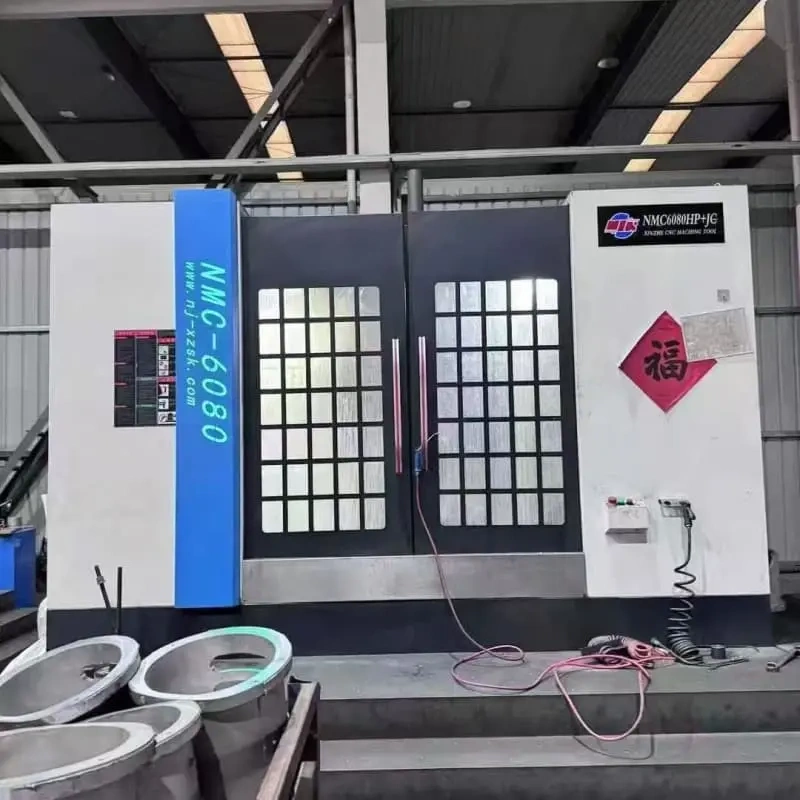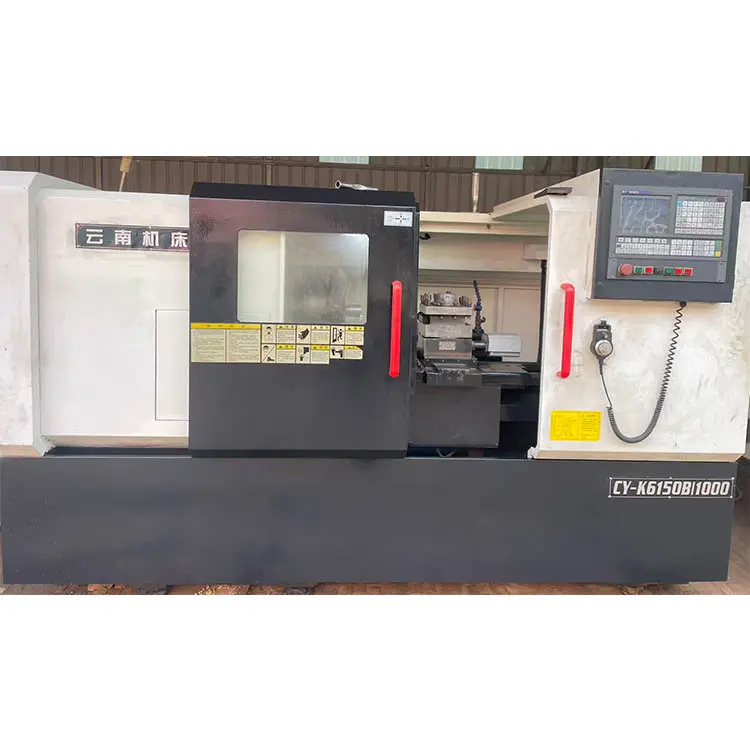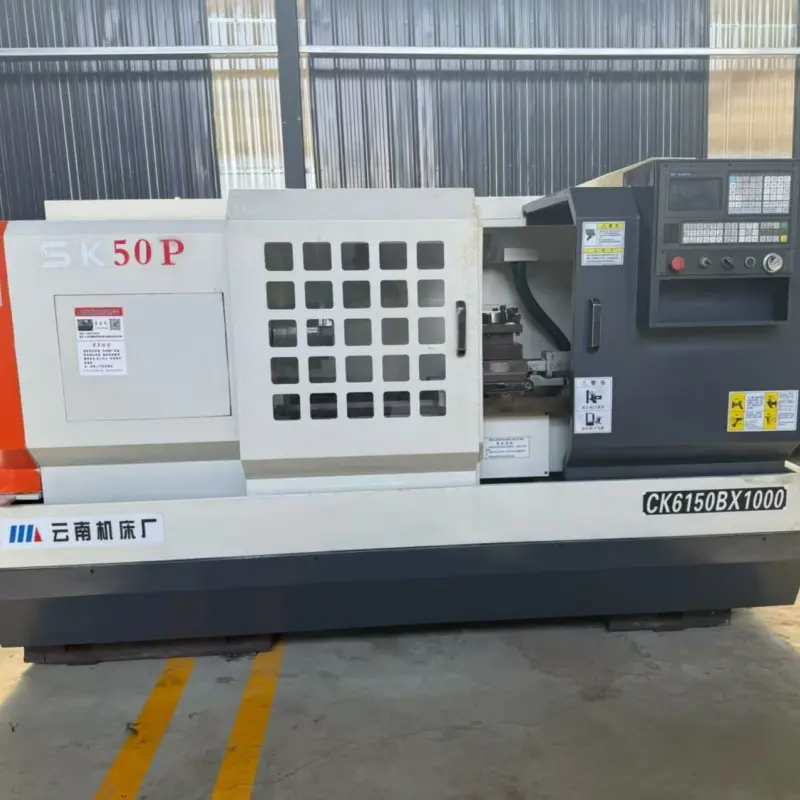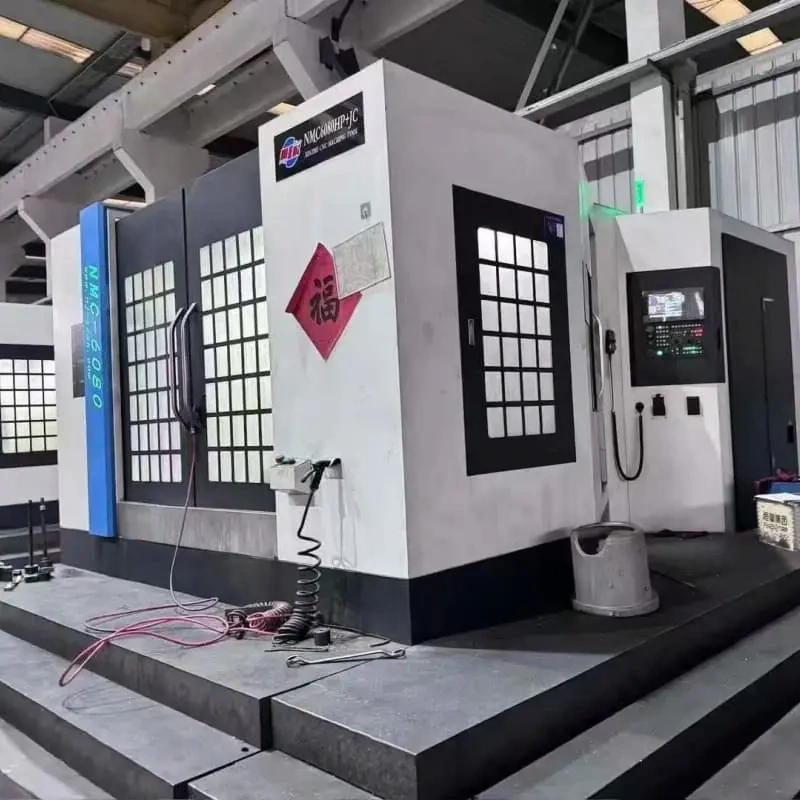
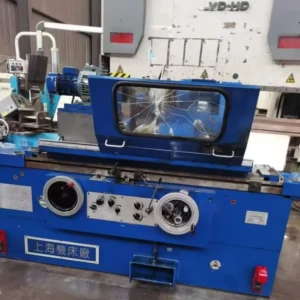
New machine quotes keep climbing and lead times keep stretching. One delayed machine tool can stall a whole order book. There is a faster, cheaper route most buyers overlook.
Used metalworking machinery is worth considering because it costs 40 to 70 percent less than new equipment, arrives in two to four weeks instead of six months or more, and delivers proven, documented performance for workshops that need capacity now without draining working capital.
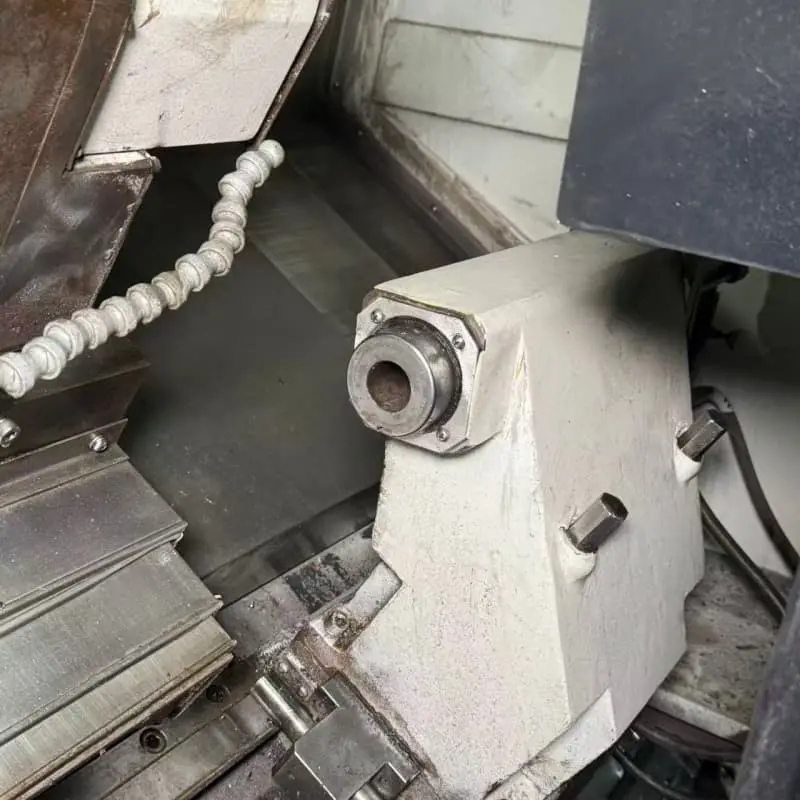
I talk to workshop owners every week, and the pattern is almost always the same. They won a new contract. They need two or three more machines on the floor. They request quotes from new-equipment dealers, wait for the numbers, and then sit down with a calculator and a headache. That is usually the moment they start looking seriously at the used market, and it is also the moment they realise how much the market has matured. In Europe, roughly 40 percent of all CNC machine purchases today are pre-owned machines, and the global used industrial machinery market has been growing at around 5.2 percent per year. This is no longer a fringe option for cash-strapped startups. It is a mainstream sourcing strategy, and in this article I want to walk you through exactly why growing workshops are choosing it, what the real numbers look like, and where the risks hide.
How Much Money Does Used Metalworking Machinery Actually Save?
Budget pressure is the number one reason buyers contact us. A brand-new machine tool can consume the entire annual capital budget of a growing workshop. So the question is simple: how big is the real saving?
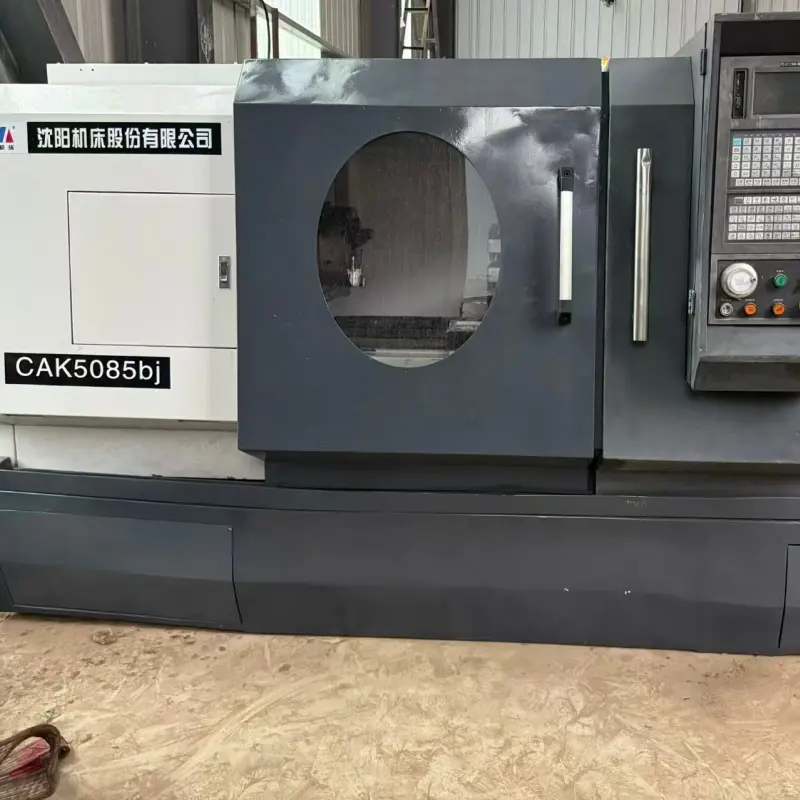
A well-maintained used metalworking machine typically sells for 40 to 70 percent less than the equivalent new model. A five-year-old CNC machining centre listed at $85,000 to $95,000 new commonly trades at $40,000 to $55,000 used, and it still has decades of productive life ahead of it.
The Numbers Behind the Savings
Let me put real price examples on the table, because vague percentages do not help anyone plan a budget. Industry pricing data from 2026 shows a consistent gap between new list prices and used market prices for the same or equivalent machines:
| Machine type | New price (typical) | Used price (good condition) | Saving |
|---|---|---|---|
| CNC vertical machining centre (Haas VF-4 class) | $85,000 – $95,000 | $40,000 – $55,000 | ~50% |
| Compact CNC lathe (Haas VF-2 / ST-20 class) | ~$65,000 | $28,000 – $40,000 | 40–55% |
| 10-year-old premium 5-axis machining centre (DMG MORI class) | ~$350,000 original | $120,000 – $175,000 | 50–65% |
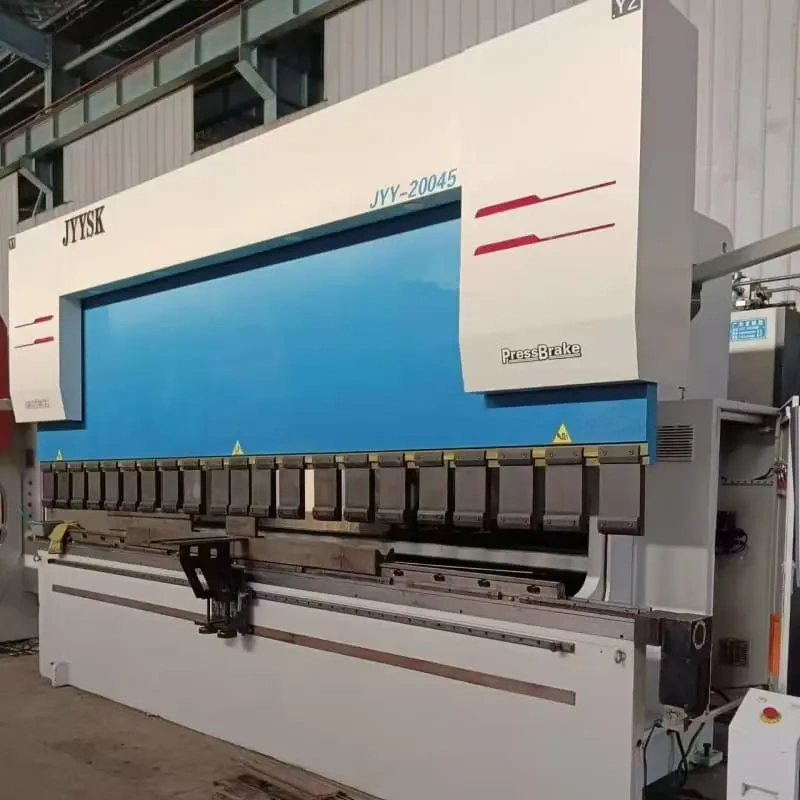
| Hydraulic CNC press brake | $80,000+ | 30–70% below new | 30–70% |
| Heavy-duty guillotine shear | $100,000+ | 30–70% below new | 30–70% |
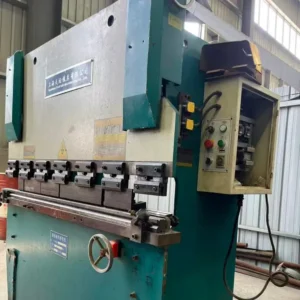
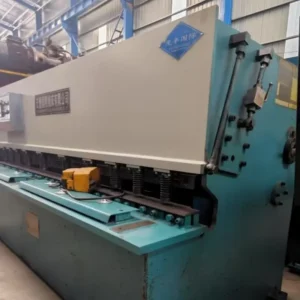
Two things stand out when I look at this table with buyers. First, the saving on premium-brand machines is bigger in absolute dollars, because those brands hold their specification but not their price. A 10-year-old DMG MORI 5-axis machine at $120,000 to $175,000 delivers capability that a mid-range new machine at the same price simply cannot match. Second, fabrication machinery like press brakes and shears is built so heavily — massive steel frames, replaceable wear parts, simple hydraulics — that a decades-old unit in good condition often outlasts a lightly built new one. I have personally run a 200-ton press brake in our own yard that was older than most of the staff operating it, and it still bent true. That is the kind of machine where “used” is almost a misnomer.
The Depreciation Curve Works in Your Favour
Here is the part most first-time used buyers miss. A new machine loses 30 to 50 percent of its value in the first three to five years. That is the steepest part of the depreciation curve, and when you buy new, you absorb it yourself. When you buy a five-year-old machine at half price, the previous owner already took that hit. From your purchase onward, the machine depreciates much more slowly, so a larger share of what you paid stays recoverable if your needs change and you resell later. Over a ten-year operating period, industry analysis puts the total cost of ownership of used equipment at 25 to 45 percent lower than new, even after accounting for higher maintenance spending on older machines. For a growing workshop watching its cash position, that difference is not a rounding error — it is payroll for a second shift, or the deposit on a bigger building.
What the Savings Actually Unlock
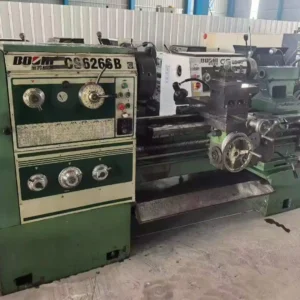
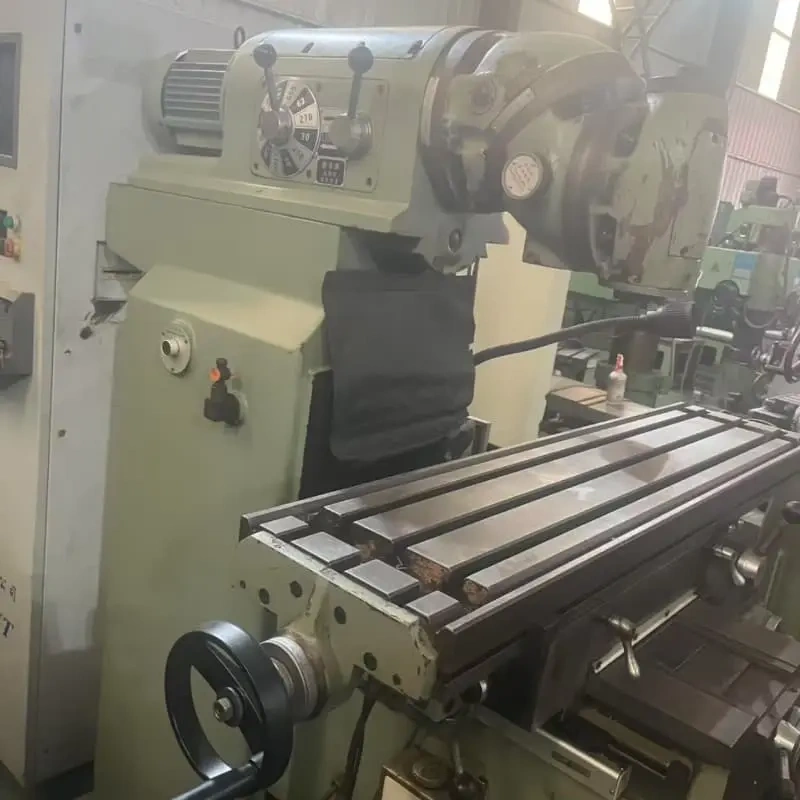
The saving only matters if you do something productive with it. In practice, buyers who purchase used reallocate the freed capital in three ways. They buy more machines for the same budget — three used lathes instead of one new one means three operators producing instead of one. They keep a larger cash reserve for raw materials, tooling, and the inevitable surprises of growth. And they can quote more competitively, because lower amortised equipment overhead flows straight into their part pricing. When I walk buyers through our stockyard, I always suggest they price their expansion twice: once all-new, once mixed new and used. The mixed plan almost always wins, and it usually wins by enough to fund the tooling as well. If you want to see how that maths works on specific machines, our used lathe inventory and used milling machine listings show current stock with real pricing.
Can Used Machines Arrive Fast Enough to Catch a New Contract?
Winning a contract feels great until you count the machines you need to run it. If the equipment arrives four months late, the contract arrives with penalty clauses instead of profit. Speed is where used machinery quietly beats everything else.
Used metalworking machinery is typically available within two to four weeks, covering payment, rigging, and shipping. New machines take three to six months in stock configuration, and custom-configured machines from major OEMs routinely take twelve to eighteen months or longer.
Lead Time: Weeks Versus Months
The lead-time gap is not marginal — it is an order of magnitude. This is how the market currently compares:
| Equipment status | Typical lead time | When it matters |
|---|---|---|
| Used machine in dealer stock | 2–4 weeks | Won a new contract; replacing a failed machine |
| New machine, stock configuration | 3–6 months | Standard planned expansion |
| New machine, custom configuration | 12–18+ months | Specialty OEM equipment |
| New machine during supply disruption | 24+ months | As seen in 2021–2023 conditions |
I have watched this gap decide real outcomes. A buyer in Southeast Asia once told me he lost a six-figure automotive bracket contract because his new machining centre arrived eleven weeks after the promised date. He now runs a mixed fleet: new machines for the long-term baseline, used machines as the fast-response layer. When a surge order lands, he sources used equipment that can be cutting chips within a month. In our own operation, machines in stock are inspected, test-run, and photographed before listing, so a confirmed order can move to export packing almost immediately. That immediacy is the single biggest structural advantage of the used market, and it does not depend on any supplier’s goodwill — it simply reflects that the machine already exists.
Scaling Capacity Without Over-Committing
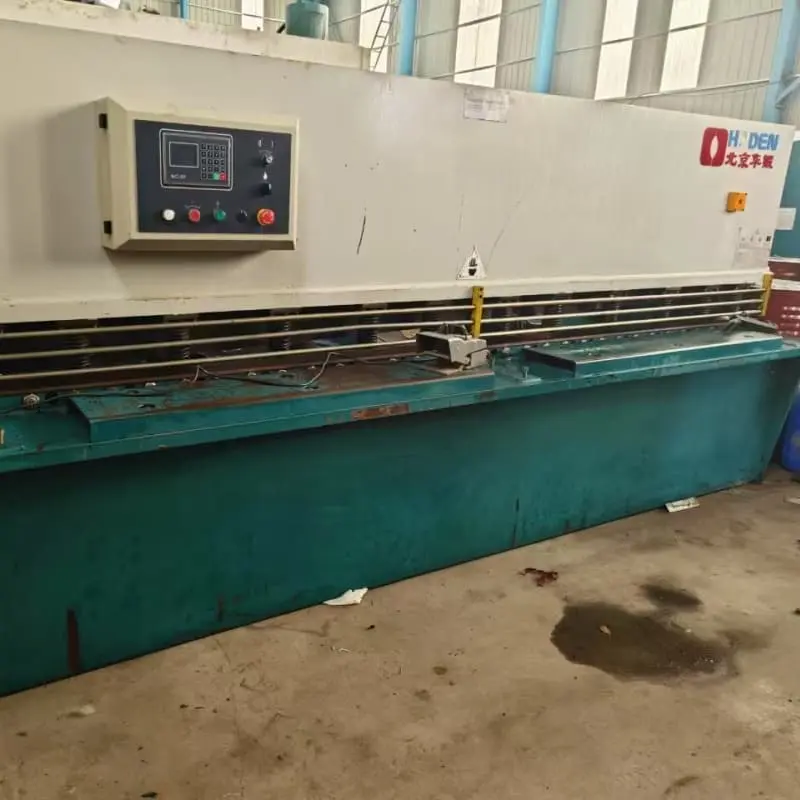
Growth is not a straight line, and this is where used equipment does something new machines cannot: it lets you experiment cheaply. Suppose you want to test whether sheet metal work fits alongside your machining business. A new press brake and shear commitment is a six-figure decision made on a hypothesis. A used press brake and shear at 30 to 70 percent below new pricing turns that same hypothesis into a low-risk pilot. If the product line takes off, you add more capacity. If it does not, the machines resell slowly but predictably, because their value curve is flat. I describe it to buyers as renting certainty. You pay less, you commit less, and you keep the option to change direction. For workshops in volatile markets — and most export markets are volatile right now — that flexibility is worth as much as the discount itself.
The Cash Flow Advantage Nobody Puts in the Brochure
There is also a quieter financial argument. Equipment financing has caught up with the used market, and lenders now routinely finance pre-owned industrial machinery at competitive rates because the collateral holds its value. Lower principal means lower monthly payments, which means the machine pays for itself out of contract revenue faster. Accelerated payback also makes short-term and low-volume contracts viable that would never justify a new machine. And in markets where tax incentives apply, used equipment generally qualifies for the same deductions as new, so there is no tax penalty for buying smart. Before you sign anything, ask the seller for a total-cost picture including rigging, installation, tooling, and commissioning — total installed cost typically runs 15 to 40 percent above the machine invoice for either option. The used machine still wins on every line, but honest budgeting beats hopeful budgeting every time.
How Do You Buy Used Machinery Without Taking on Hidden Risk?
Everything above assumes the machine is actually as good as it looks in the photos. It is not always. The used market rewards careful buyers and punishes lazy ones, so the process matters as much as the price.
Risk in used machinery buying is controlled by four things: verified machine history and maintenance records, inspection of the spindle, ballscrew and ways under power, third-party or SGS inspection before shipment, and a supplier who provides real photos and running videos before payment.
Inspect the Three Components That Decide Everything
On any CNC machine, three inspection points carry most of the risk: spindle hours and runout, ballscrew backlash, and way wear. If the spindle is quiet and tight, the ballscrews take preload correctly, and the ways show even, honest wear, the machine will very likely produce good parts for years. Everything else is fixable at reasonable cost. Ask the seller for the maintenance log and, on CNC machines, a recent ball-bar or laser interferometry report if one exists. A professional pre-purchase inspection costs roughly $1,500 to $3,000, and it is the cheapest insurance in this industry — I have seen it catch a cracked machine casting that would have cost the buyer tens of thousands. On manual machines, check the ways and lead screws for scoring, listen to the gearbox under load, and open the electrical cabinet. Amateur repairs inside that cabinet tell you everything you need to know about how the machine was treated. We inspect every machine before it is listed, and we encourage buyers to commission their own third-party inspection before shipment — a serious supplier will always welcome that, and a hesitant one is telling you something.
Buy From Suppliers Who Show Real Machines, Not Stock Photos
The most common complaint I hear from buyers who got burned overseas is that the machine arrived different from the photos and description. This is entirely preventable. Demand real, current photos of the actual machine, a running test video under power, and the serial number matched against the documentation. Before you commit, confirm who controls quality: a B2B wholesale supplier with its own stockyard and test facilities behaves very differently from a broker forwarding listings from three countries. Ask specifically about export packing — wooden cases with anti-rust protection — because minor transport damage from thin packing is one of the most avoidable problems in this trade. One of our long-term customers, a procurement manager at an industrial equipment company in Saudi Arabia, told us the same thing after his first order: it was the first time a used machinery supplier had provided real machine videos and supported third-party inspection before payment, and the machines arrived in good working order because the packing was done properly. He now buys repeatedly for multiple projects. That relationship was not built on price alone — it was built on the buyer never having to trust blindly.
New or Used: Making the Call for Your Workshop
None of this means new machines are a bad idea. There are honest cases for buying new — you need the latest control technology, your customer contract mandates recent-vintage equipment, or you want the full OEM warranty and training package. The point is to make the decision deliberately instead of defaulting to new because it feels safer. This is the comparison I run through with buyers before they commit either way:
| Decision factor | Used machinery | New machinery |
|---|---|---|
| Purchase price | 40–70% lower | Full list price |
| Lead time | 2–4 weeks | 3–18+ months |
| Depreciation exposure | Low (curve already absorbed) | High in first 3–5 years |
| 10-year total cost of ownership | 25–45% lower | Higher capital tied up |
| Warranty | Limited or dealer-backed | Full OEM, 1–2 years |
| Technology | Proven, widely documented | Latest controls and integration |
| Risk profile | Condition-dependent, managed by inspection | Low, but paid for in price |
| Best suited for | Fast capacity growth, tight budgets, pilots | Long-run specs, customer mandates |
Read that table against your own situation. If your bottleneck is capital and time — and for most growing workshops it is — the used column wins on the factors that decide whether the opportunity gets captured at all. Browse our current used machinery stock or send us your target specification, and we will tell you honestly whether a used machine fits the job or whether you should buy new.
Conclusion
Used metalworking machinery lets growing workshops add capacity in weeks instead of months, at 40 to 70 percent below new pricing, with risk fully manageable through inspection and the right supplier.