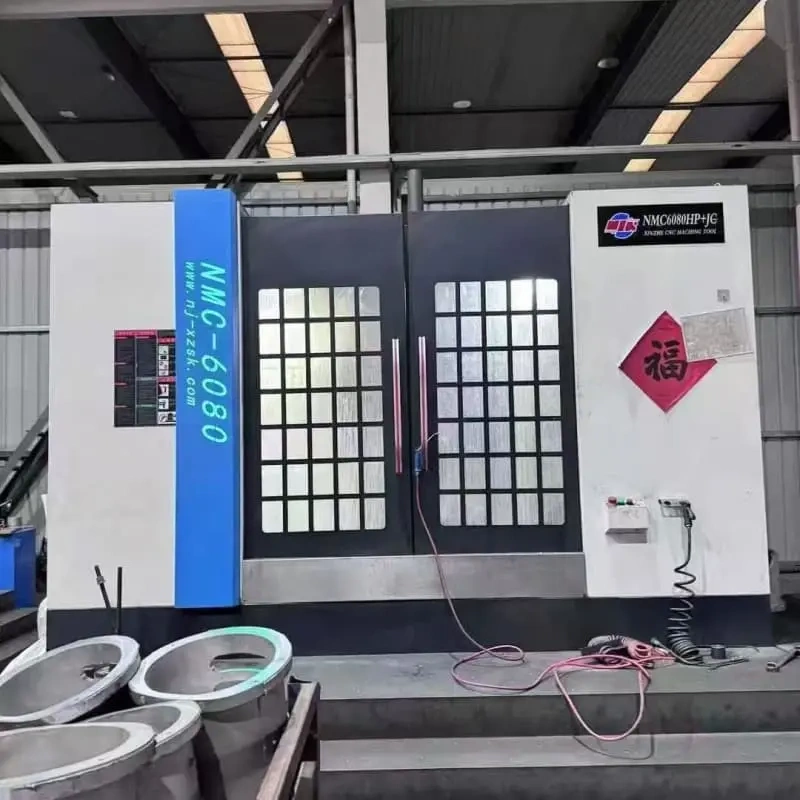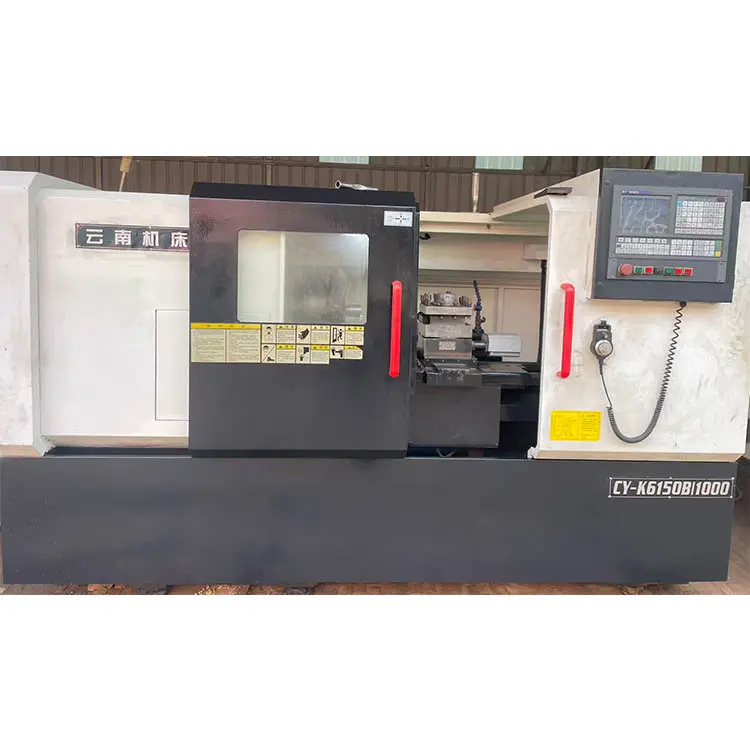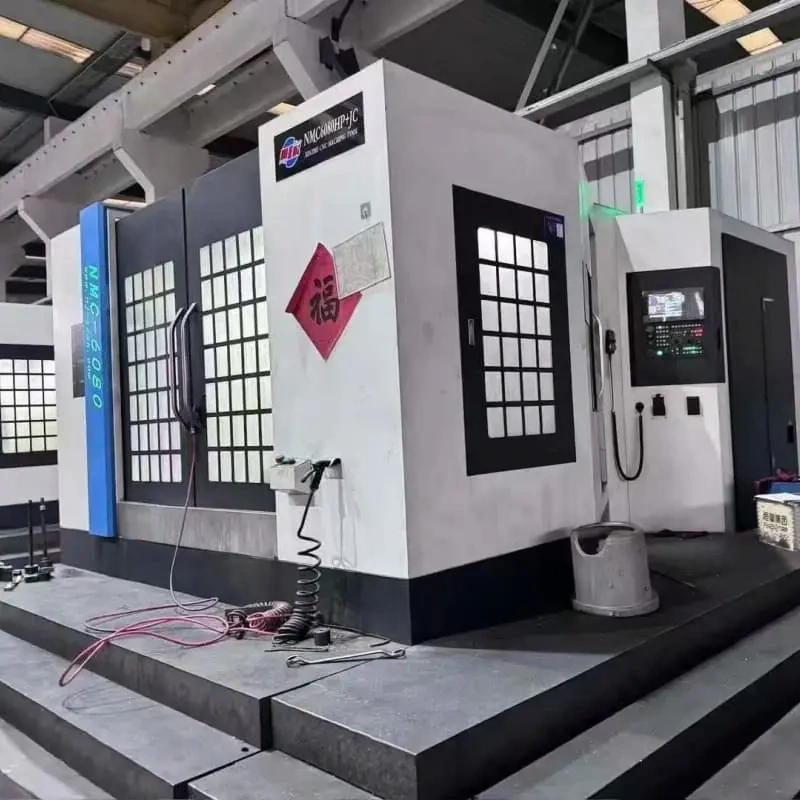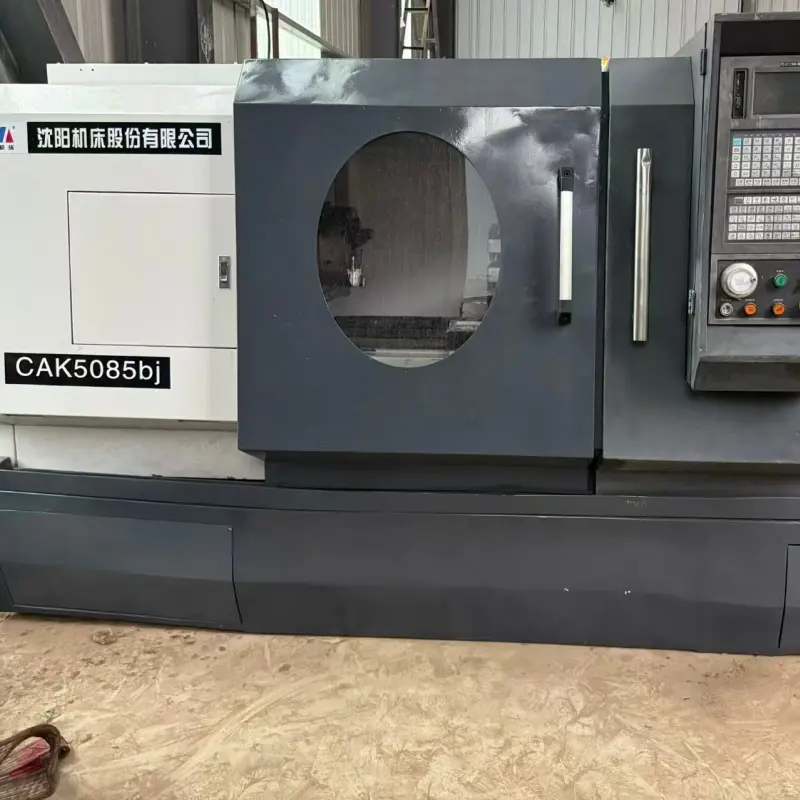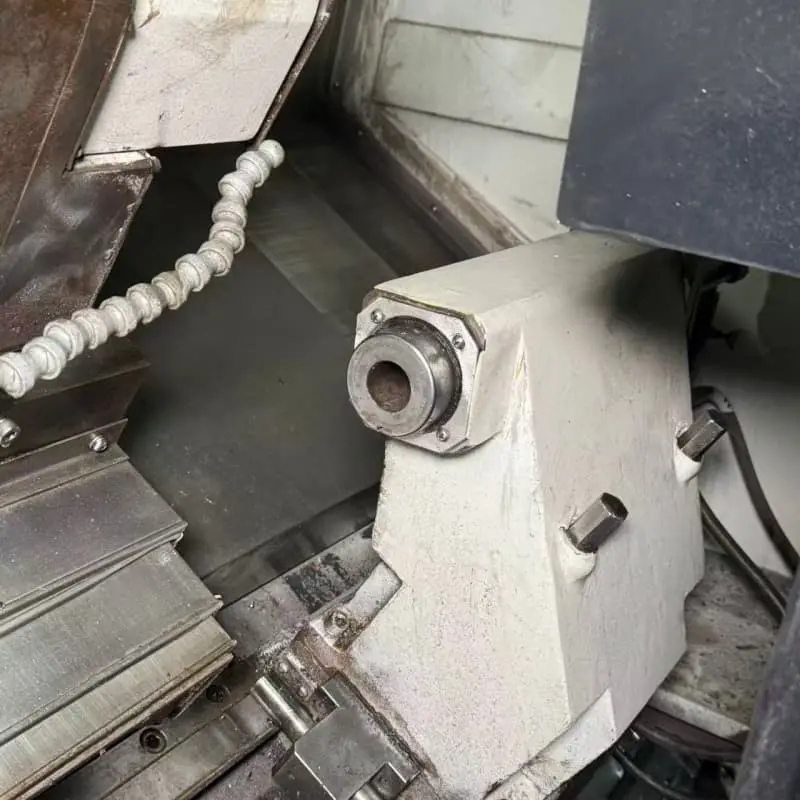
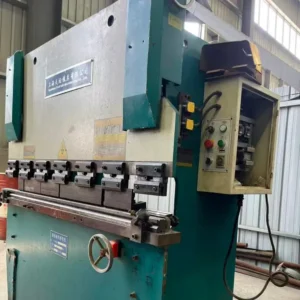
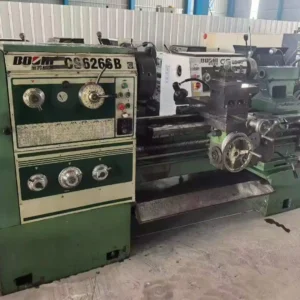
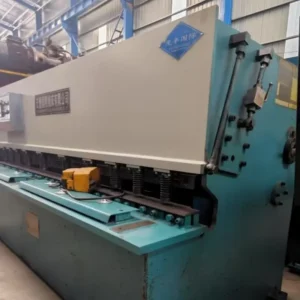
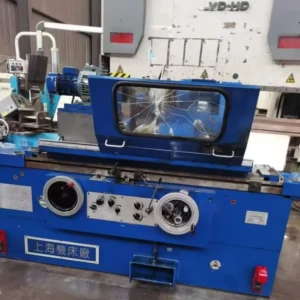
New machine lead times are stretching and prices are climbing, leaving many buyers stranded without capacity. A single delayed delivery can kill a contract margin. The used machinery market is becoming the fastest, most capital-efficient way to answer that demand.
Rising machine tool demand is shifting buyers toward the used market because lead times for new premium CNC are 16–24 weeks, late-model used machines can be shipped in days, and a well-maintained used CNC lathe typically costs 30–50% less than an equivalent new machine.
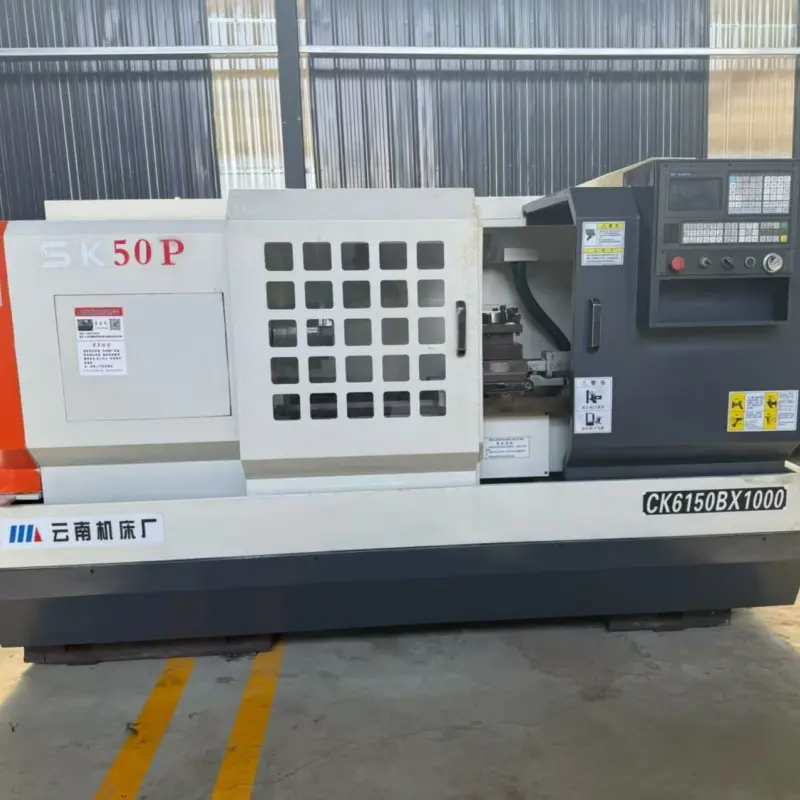
In our yard in Liaocheng, we have watched this pattern intensify through 2026. Buyers from Vietnam, Saudi Arabia, Qatar, Pakistan, and Mexico no longer open the conversation with “What is your lowest price?” They open with “Can I see the real machine running, and how fast can it ship?” That single change tells you everything about how rising machine tool demand is reshaping the used machinery market. Used equipment is no longer a fallback for budget-starved shops. It is a deliberate strategic move for importers and distributors who need to match capacity to orders without waiting half a year for a new build.
The numbers support what we see on the floor. Industry market research estimates the global machine tool market at roughly USD 123.7 billion in 2026, growing toward USD 183.5 billion by 2033 at around a 5.8% CAGR, with Asia Pacific holding more than half of the revenue share. The used machine tools segment is projected to expand from about USD 2.37 billion in 2026 to roughly USD 4.87 billion by 2034, at a CAGR near 9.4%. Those figures are not abstract; they translate into more competition for the same clean, documented, late-model machines we hold in stock. For importers in Southeast Asia and the Middle East, the question is no longer whether used machinery is acceptable. It is whether the supplier can deliver a machine that is ready to produce from day one.
Why Are Buyers Turning to Used Machines When Demand Rises?
When new equipment lead times stretch and capital budgets tighten, every missed week of capacity costs real money. Waiting four to six months for a new machining center can mean losing an order entirely. Used machinery gives buyers a way to capture demand now rather than next quarter.
Buyers choose used machines in 2026 because immediate availability, lower capital outlay, and documented condition reports let them add capacity faster and with less financial risk than ordering new.
The Lead-Time Gap Is the Real Pain Point
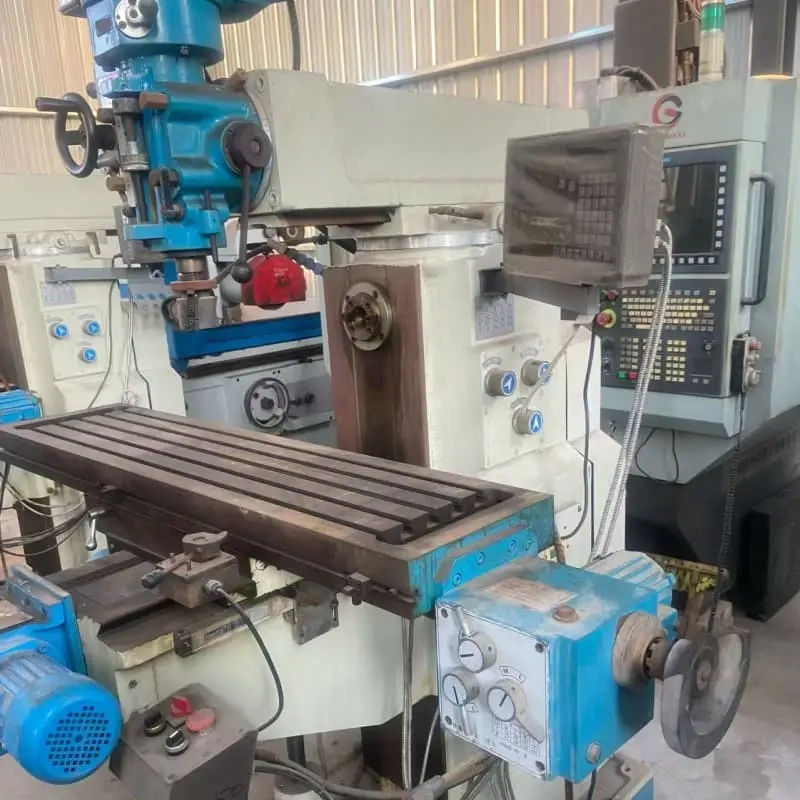
The most visible pressure point in 2026 is delivery time. Sourcing teams comparing new and used CNC should expect 16 to 24 weeks on premium Japanese and German configured lines, while general-purpose Chinese lathes may still ship in 4 to 6 weeks from stock. The problem is that many buyers need a machine next month, not next quarter. When a contract award depends on being able to cut chips within weeks, the used market becomes the only practical path.
Last month a buyer in [Zora will replace] Dammam told us he had a production window of 30 days. We sent real machine photos, a running test video, and a draft inspection report within 48 hours. The used CNC lathe he selected was on the water in [Zora will replace] 18 days. That is the kind of speed that wins contracts, and it is the reason demand for verified used stock is rising faster than demand for new order books.
Capital Efficiency and ROI
Cost still matters, but the conversation has shifted from “cheap” to “capital efficient.” A used CNC lathe of equivalent specification typically costs 30–50% less than a new machine. A well-maintained 3-axis vertical machining center can retain 65–75% of its original value after five years in favorable market conditions. Even more interesting, a used machining center fitted with a new CNC controller and linear scales can often achieve performance close to a current entry-level machine at 40–60% of the cost.
| Factor | New Machine | Used Machine (Verified) |
|---|---|---|
| Typical capital outlay | 100% of list price | 30–70% of new price |
| Lead time | 4–24 weeks depending on brand | Days to 4 weeks |
| First-year depreciation | Steepest in years 1–3 | Already absorbed by prior owner |
| Customization flexibility | Wide option list | Limited, but retrofits possible |
| Risk level | Low if brand new | Moderate; reduced by inspection |
That table is why we see more distributors financing used assets as part of their regular capex mix. Lenders are increasingly comfortable underwriting well-documented used machines because the residual value is easier to prove than it was five years ago.
The Flight to Proven Brands
Rising demand has not lifted every machine equally. Buyers are prioritizing proven equipment with controls their operators already know and parts they can source quickly. Fanuc and Siemens controllers remain trusted, and recognizable OEMs such as Mazak, DMG Mori, Okuma, Haas, and Makino move faster than lesser-known names. A clean late-model vertical machining center can be listed in the morning and spoken for by the afternoon, while an early-2000s machine with an obsolete control can sit for weeks even in a hot market. In our refurbishment program, we focus on mechanical cores that are still sound, then upgrade controls, drives, and tooling packages so the machine matches the buyer’s workflow. That approach turns a generic used asset into a production-ready solution, which is exactly what a busy distributor needs when demand is rising.
Which Machine Categories Are Moving Fastest in the 2026 Used Market?
Not every used machine benefits equally from rising demand. A clean late-model CNC may sell in hours, while an early-2000s manual lathe can sit for months. Knowing where demand is concentrated protects buyers from overpaying and helps sellers price correctly.
In 2026, used 5-axis machining centers, CNC lathes with live tooling, and fabrication equipment like press brakes and shears are moving fastest, while pre-2005 conventional machines are weakening.
High-End Machining Centers Stay Tight
Used 5-axis machining centers in good condition, especially builds from 2015 onward, are holding price levels stable. Demand from tool and mould making and aerospace supply chains is outrunning available supply. According to European dealer observations in early 2026, well-maintained Hermle C42 and Roeders RXP models trade at 55–80% of current new-machine prices. The buyer recommendation is simple: if you find a verified 5-axis in good condition, do not wait too long. New-machine lead times remain long, and verified used inventory is limited.
We currently hold [Zora will replace] a 2016-era 5-axis VMC in our stockyard, and the first question every serious buyer asks is whether we have a recent ball-bar test and spindle runout report. That documentation is what separates a fast sale from a long negotiation.
CNC Lathes: The Liquid Core
The used CNC lathe market is the most liquid sub-category in metal cutting. Precision job shops, automotive suppliers, and aerospace component manufacturers buy them because they can be cost-effectively inspected, reprogrammed, and retrofitted. Older Fanuc and Siemens controllers do not necessarily depress prices when demand for 2-axis and 3-axis turning capacity is high.
Market watchers note that a Mazak Quick Turn 350 built between 2014 and 2017 currently sits in the mid-market, while DMG Mori NLX 2500SY models range from mid to upper segment depending on condition, controller, and options. Machines with a sub-spindle and Y-axis command a noticeable premium over plain lathes because they reduce second-operation handling.
Fabrication Equipment: Press Brakes, Shears, and Band Saws
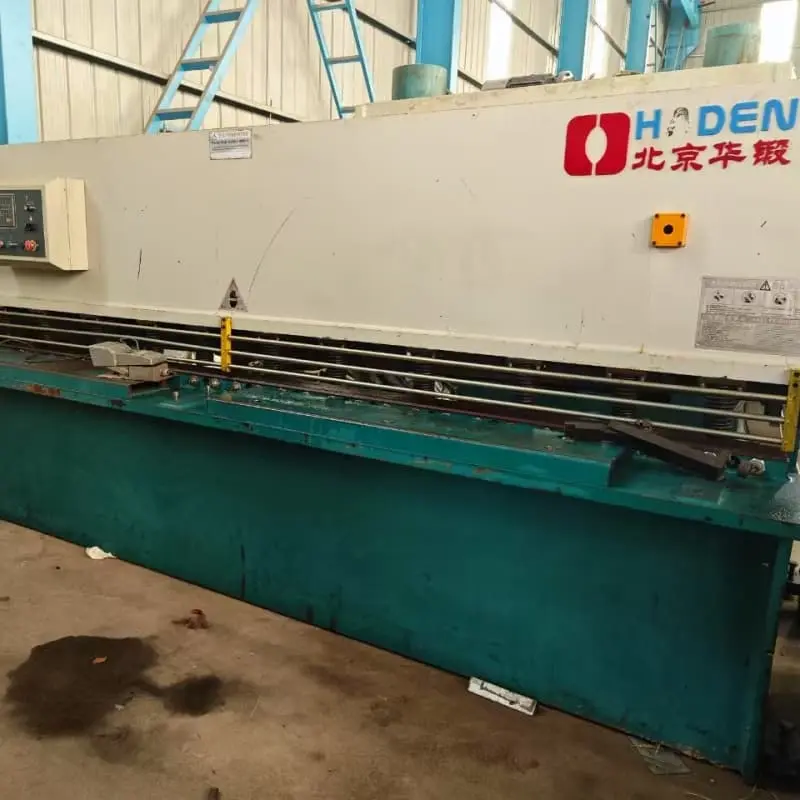
On the metal forming side, press brakes, shearing machines, and band saws continue to see steady buyer interest from job shops and project contractors. These machines solve immediate operational problems: a fabricator that needs to bend or cut metal next month values availability over the latest feature set. Clean late-model hydraulic press brakes and guillotine shears move quickly, especially when they come with tooling packages and documented maintenance history. We are also seeing stronger interest in used band saw machines as workshops try to keep cutting, bending, and forming operations in-house rather than outsourcing to subcontractors who face the same capacity bottlenecks. A complete used fabrication line — shear, press brake, and saw — can often be assembled and shipped faster than a single new brake can be built to order.
The Weakening Segment to Avoid
While demand for modern CNC and fabrication equipment is firm, the segment of older conventional and early CNC machines built before 2005 is weakening. The buyer base is shrinking: younger shops do not want to wrestle with a 2001 Siemens 840D, and the shops that understand those controls are downsizing rather than investing. That is an important failure mode for importers to recognize. A low price on an obsolete machine is not a bargain if spare parts are scarce and the local operator pool is shrinking.
What Should Importers Watch When Sourcing Used Machines in a Hot Market?
A hot market rewards speed, but it also hides risk. A cheap machine with no inspection report can turn into a costly rebuild. Importers who verify condition, provenance, and logistics before payment protect their margins.
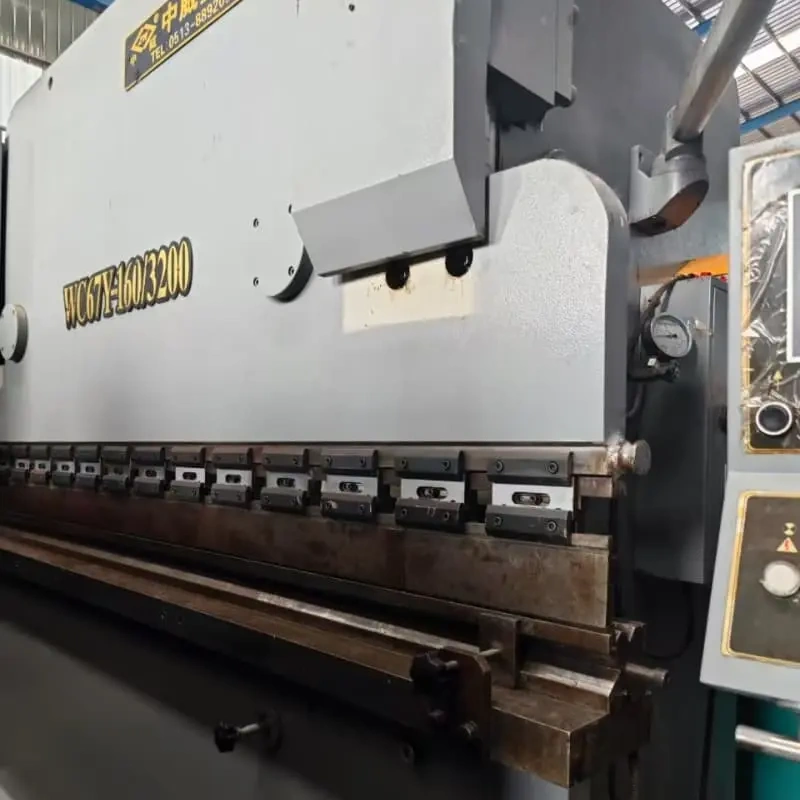
Importers should demand spindle-hour telemetry, running test videos, documented maintenance history, and third-party inspection before committing to a used machine in 2026.
Documentation Is Now Non-Negotiable
The professional buyer base has become far more demanding than it was five years ago. Dealer surveys embedded in market research suggest that nearly 38% of used machine transactions experience some form of dispute over wear status or original spindle hours. Another buyer-behavior finding indicates that about 61% of procurement managers will not purchase a used CNC lathe without spindle-hour telemetry data.
That is why we treat documentation as part of the product, not an afterthought. For every machine we export, we provide real machine photos, running test videos, alarm-history screenshots where available, controller details, and the option for SGS or third-party inspection before shipment. When a Saudi buyer from Gulf Industrial Equipment LLC bought used CNC lathes, shearing machines, hydraulic bending machines, and milling machines from us, the deciding factor was not price. It was that we provided real machine videos and inspection support before payment, then packed everything in wooden cases with anti-rust protection and shipped to Dammam Port with full export documentation.
Logistics and Regulatory Drag
Cross-border sourcing has its own friction points. Since 2021, freight costs on major Asia-Europe routes have risen by roughly 22%. Machinery imports into India require pre-shipment inspection by an authorized agency, adding 20–30 days to delivery. Vietnam applies stricter environmental approvals to machines older than ten years. Tariff announcements can cool cross-border bidding by 10–15% for two to three months after the news breaks.
These are not reasons to avoid international used machinery; they are reasons to choose a supplier who handles the paperwork. We coordinate professional export packing, customs documentation, and shipping schedules so the buyer knows what to expect before the container leaves our yard.
Red Flags That Should Stop a Deal
Even in a rising market, the wrong machine can erase every saving. We tell buyers to walk away if the seller cannot produce a running video, refuses to share alarm history, provides only glossy photos, or cannot explain spindle hours clearly. Fresh paint can hide wear, and a missing controller manual often signals poor maintenance records. We also warn buyers to be careful with payment terms that demand a large deposit before any verification, or with sellers who refuse a third-party inspection. A legitimate used machinery supplier should be able to show the machine under power, answer technical questions directly, and provide a clear packing and shipping plan before money changes hands.
| Safe Used Machine | Risky Used Machine |
|---|---|
| Running video under power | Photos only, no video |
| Documented spindle hours and alarm history | Vague or “unknown” hours |
| Recent inspection report or SGS option | No third-party verification offered |
| Clear packing and shipping plan | Buyer responsible for all logistics |
| After-sales parts and technical support | No support after payment |
Last Tuesday I walked through our inspection bay and watched a technician run a warm-up cycle on a used Mazak Quick Turn 350. The spindle ran quietly through its speed range, the turret indexed cleanly, and the ball-screw backlash stayed within tolerance. That is the kind of check I want every buyer to see before a container seals.
Conclusion
Rising machine tool demand is not just lifting the used market — it is reshaping how industrial buyers think about speed, risk, and capital. The winners move fast, verify everything, and buy from partners who can prove the machine works.