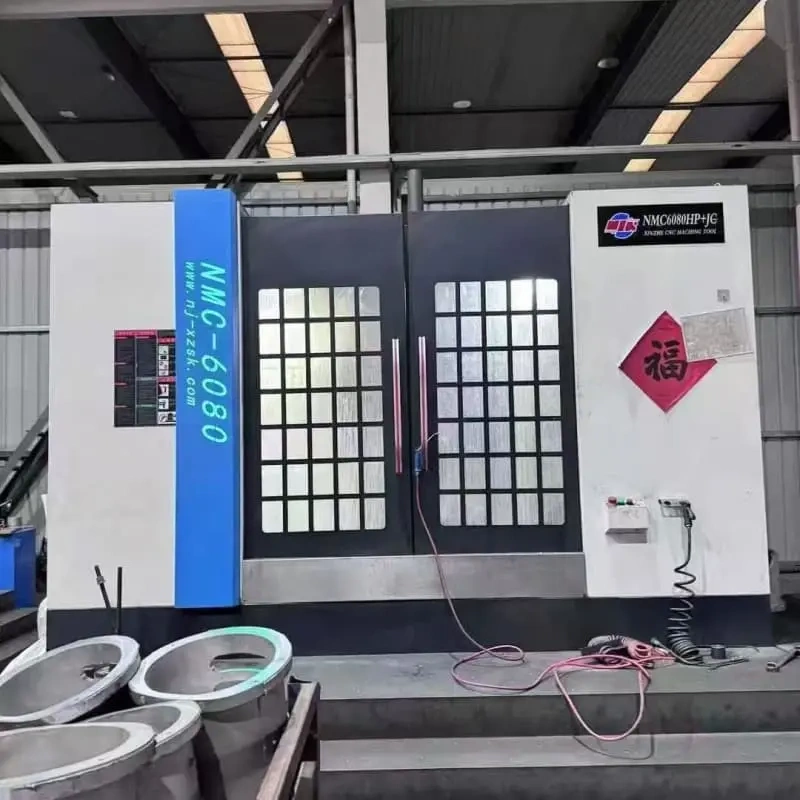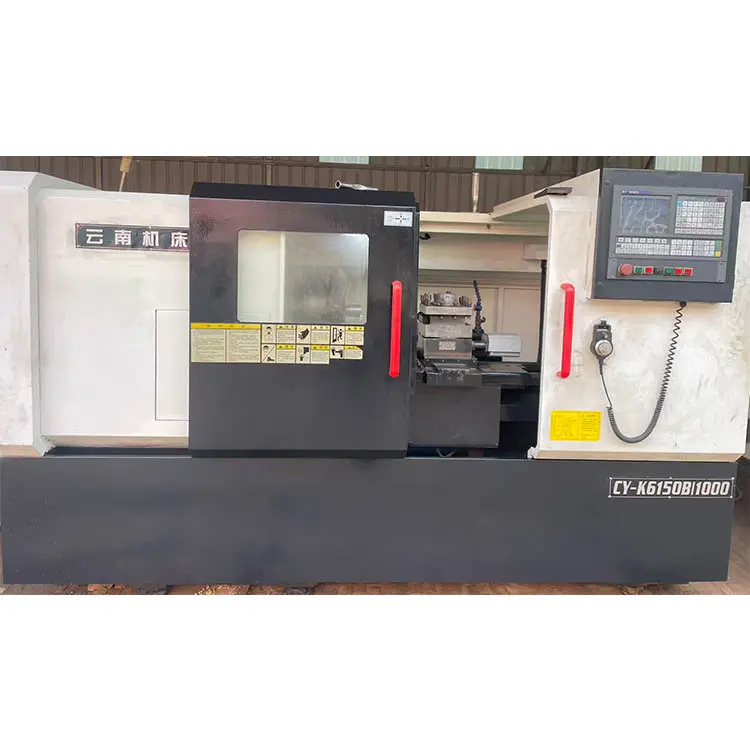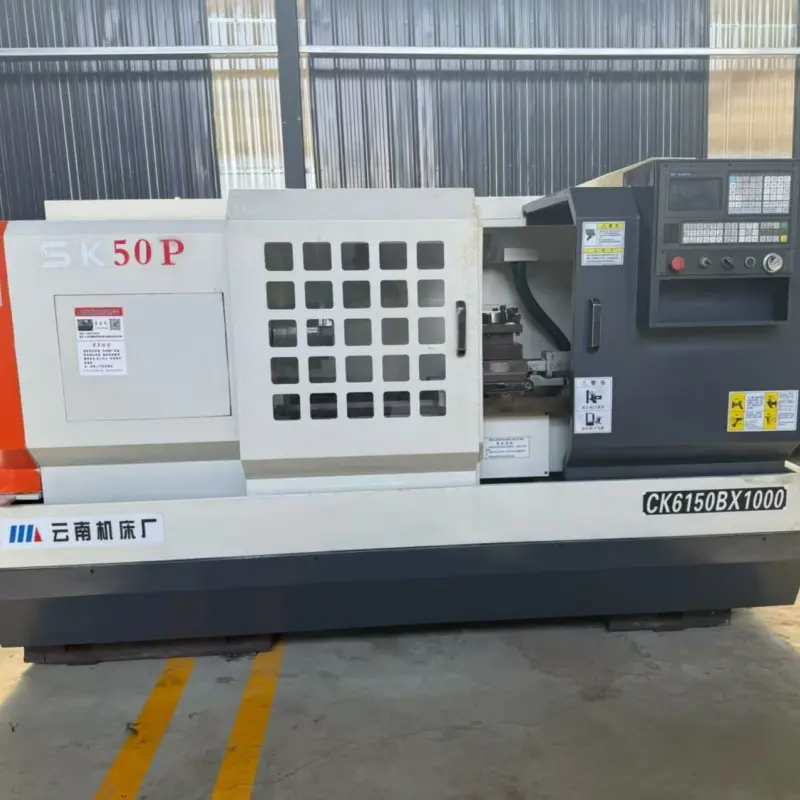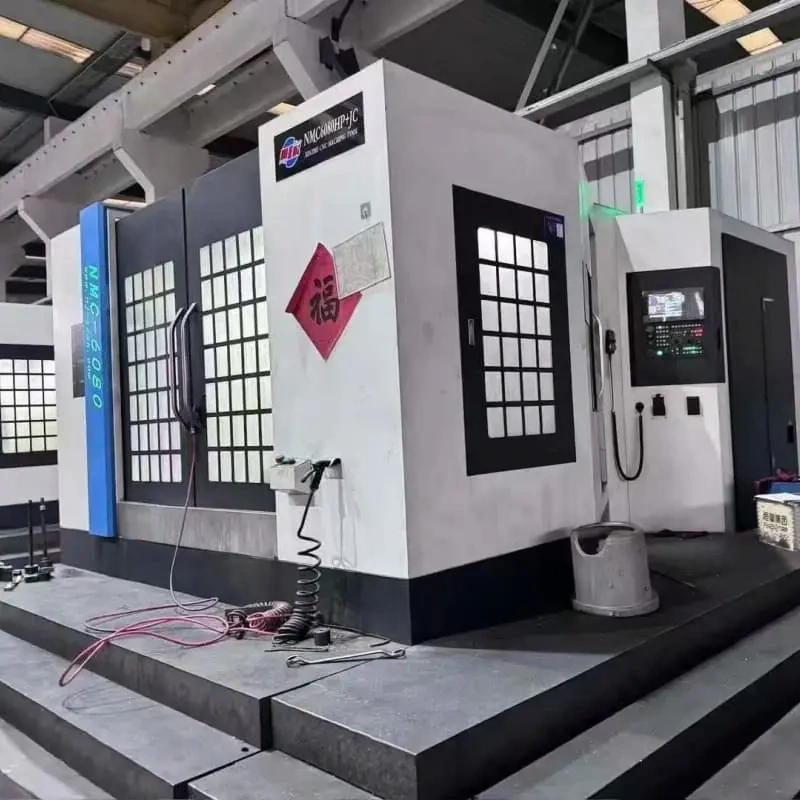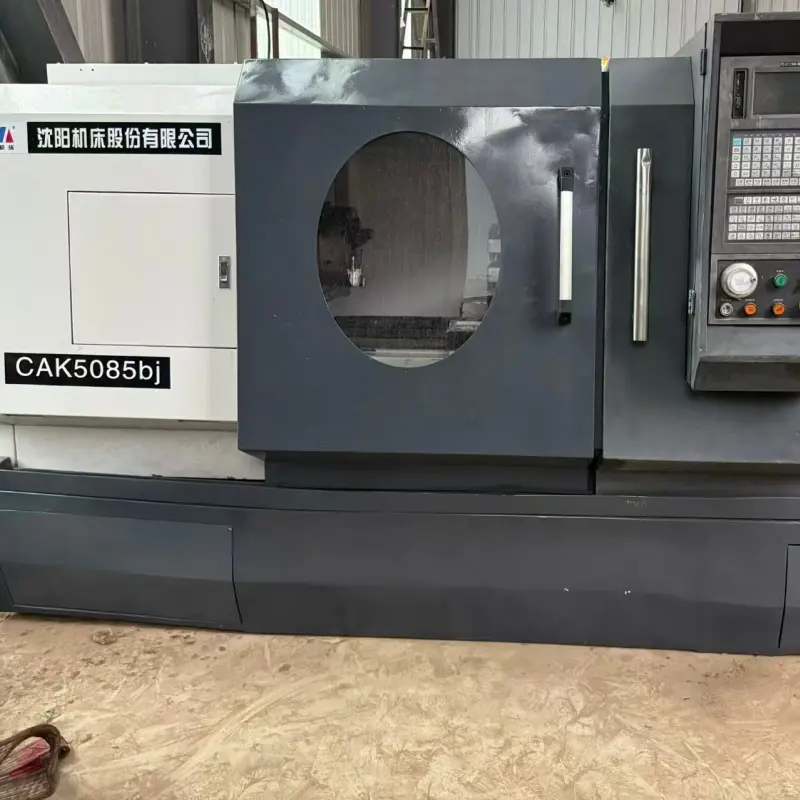
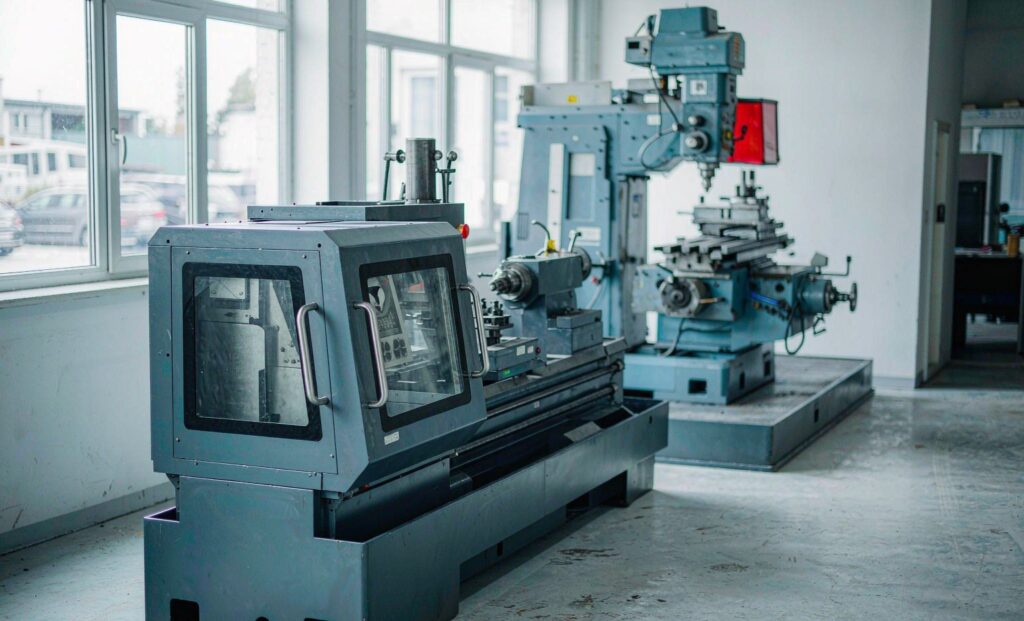
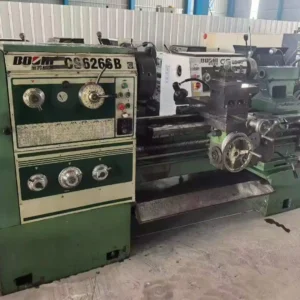
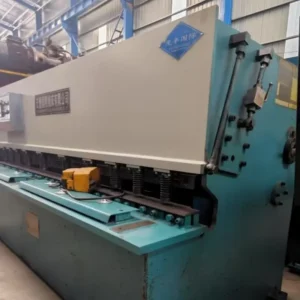
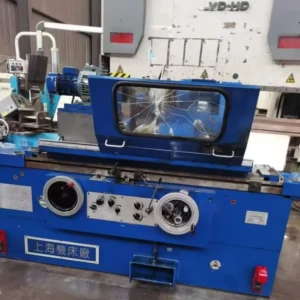
An overseas shipment of a used lathe or milling machine can either give your shop a productive new asset for a third of the new price, or eat six months of your time in customs delays, surprise repairs, and quiet downtime. I have watched both outcomes happen, and almost every regret I have seen comes down to three checks the buyer skipped.
Sourcing a used lathe and milling machine from overseas is worth doing in 2026 when your target machine has documented spindle hours, the seller can show real running video, the export paperwork matches the machine plate one-to-one, and the freight partner has shipped metal-cutting equipment before — not general cargo. Skip any one of those and you start your workshop’s year in the red.
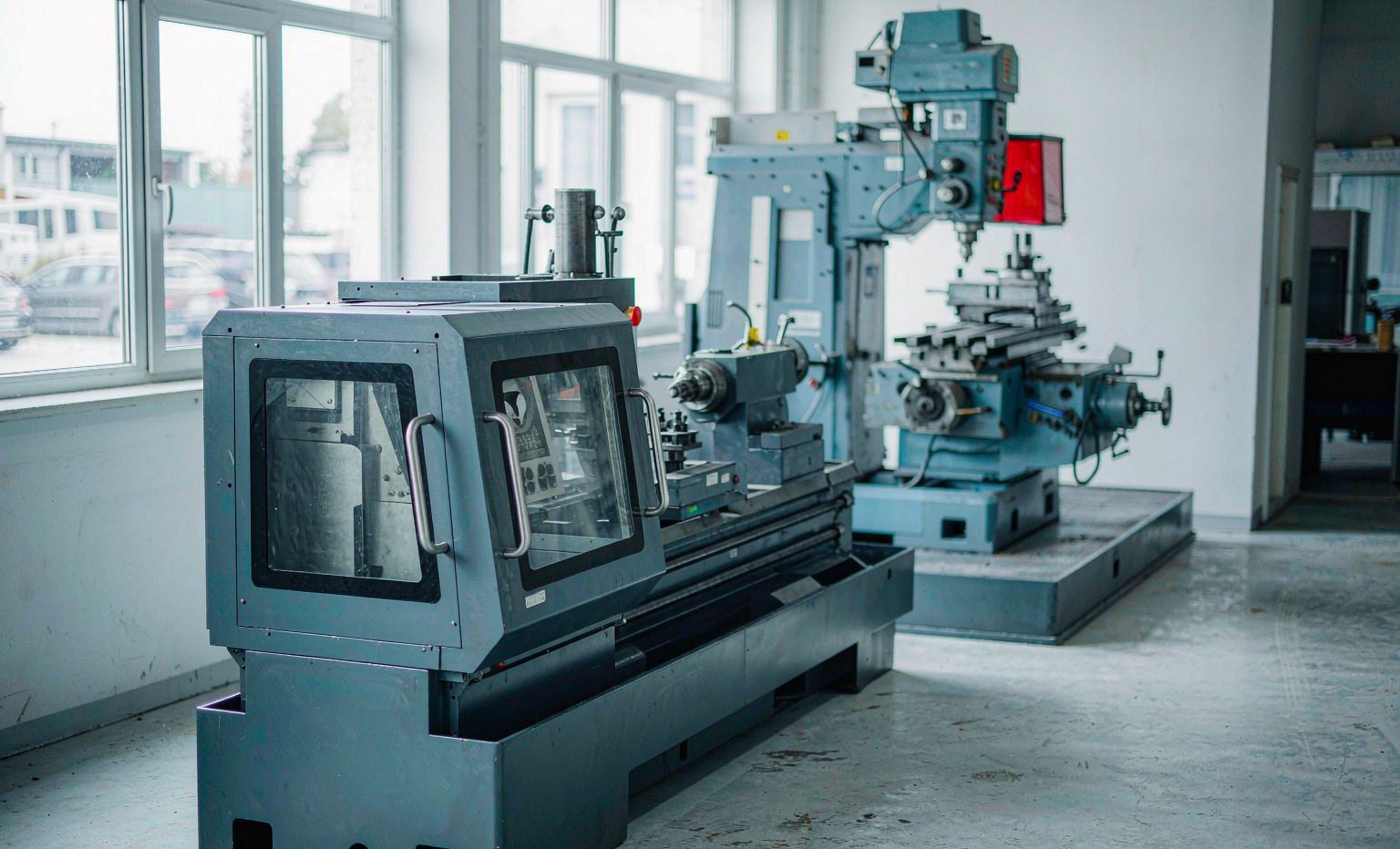
Most industrial buyers I work with right now are not asking “should I source from overseas” — they already know the answer. They are asking two sharper questions: which machine type fits their next six months of work, and how do I keep the cross-border side from blowing up the savings. Both questions are reasonable, both are answerable, and both depend more on the seller’s paperwork than on the machine itself. I will walk through the trade-offs, the inspection habits that protect the budget, and the logistics decisions that decide whether the order feels easy or turns into a year-long story.
Is an Overseas Sourcing Route the Right Choice for Your Workshop in 2026?
Most workshops I talk to are sourcing overseas because their local dealers cannot shorten lead times, not because imported machines are inherently cheaper. A [Zora will replace: country like Vietnam or Saudi Arabia] shop that needs a turning centre online before the next invoice is going to lose more in downtime than they save on unit price. Used equipment from a known refurbisher lets you skip the new-OEM queue and start cutting parts in four to eight weeks.
Yes, an overseas sourcing route is the right choice in 2026 when your local OEM lead time exceeds eight weeks, the machine you need is in stock at a refurbished dealer with running video, and the total landed cost including freight, customs duty, and rigging still beats a new unit from your domestic dealer by more than 25%.
Where the savings actually sit
The sticker price is the smallest number in any used-import deal. Real landed cost has five layers:
| Cost Layer | What It Covers | Typical Share |
|---|---|---|
| Machine cost | Sticker price, refurbishment | 55–70% |
| Inland transport | Seller yard to your nearest sea port | 3–5% |
| Ocean freight | Port of loading to port of discharge | 8–15% |
| Customs duty & VAT | HS-code-based, country specific | 6–12% |
| Last-mile rigging | Port to shop floor, craning, levelling | 4–8% |
A used CNC lathe sitting in a Liaocheng warehouse with an attractive sticker price of USD 35,000 can easily land at your shop for USD 48,000 once every layer is added. That is still cheaper than a new unit at USD 90,000, but only if every quote is honest and complete. I have seen buyers save 20% on the machine and lose 25% to unbudgeted crating and inland transport on the other side.
What the OEM queue actually looks like in 2026
New CNC machine lead times from the major brands — DMG Mori, Mazak, Haas, Okuma, Doosan — have settled between six and fourteen months for popular models as of this year. For a small fabrication shop that needs to add a milling spindle by Q3, that wait is the deal-breaker, not the price. A good pre-owned machine is in stock, has a known condition, and can be crated inside two weeks. The math almost makes the decision for you before you start negotiating.
Three questions to ask yourself before you commit
Answer these honestly before you start any conversation with a supplier:
- Do you have a local electrician and mechanical installer who can rig and level a machine over five tonnes, or will you need the seller to coordinate that on arrival.
- Can your team run the control system — Fanuc, Siemens, Heidenhain — or will you need a week of operator training included in the deal.
- Is your incoming power supply stable enough, or will you need a voltage stabiliser before the machine sees first cut.
If any of those answers is “I do not know yet,” pause the sourcing until you do. The cheapest machine in the world still costs you a season of shop time if your floor cannot host it.
Picking the Incoterm that matches your team
The Incoterm you choose decides who carries the risk at each leg of the journey. FOB means the seller’s responsibility ends the moment the goods cross the ship’s rail at the port of loading — every mile after that is yours, including loading onto your truck at the destination port. CIF adds ocean freight and minimum insurance to the seller’s side, but the insurance is usually a bare-bones contract that pays out pennies on a real claim. EXW pushes almost everything onto you, including loading at the seller’s yard, which is rarely useful for a five-tonne machine.
For most first-time cross-border orders I work with, the practical answer is CIF with marine cargo insurance arranged independently through a broker your side — not through the freight forwarder. That gives you a single point of contact for the ocean leg while keeping the insurance claim in your hands if anything goes wrong. As you build the relationship and confirm the seller’s packing quality on three or four clean shipments, you can move to FOB and pocket a small freight margin, but I would not do it on a first deal.
What Mechanical Checks Matter Most on a Used Lathe or Milling Machine?
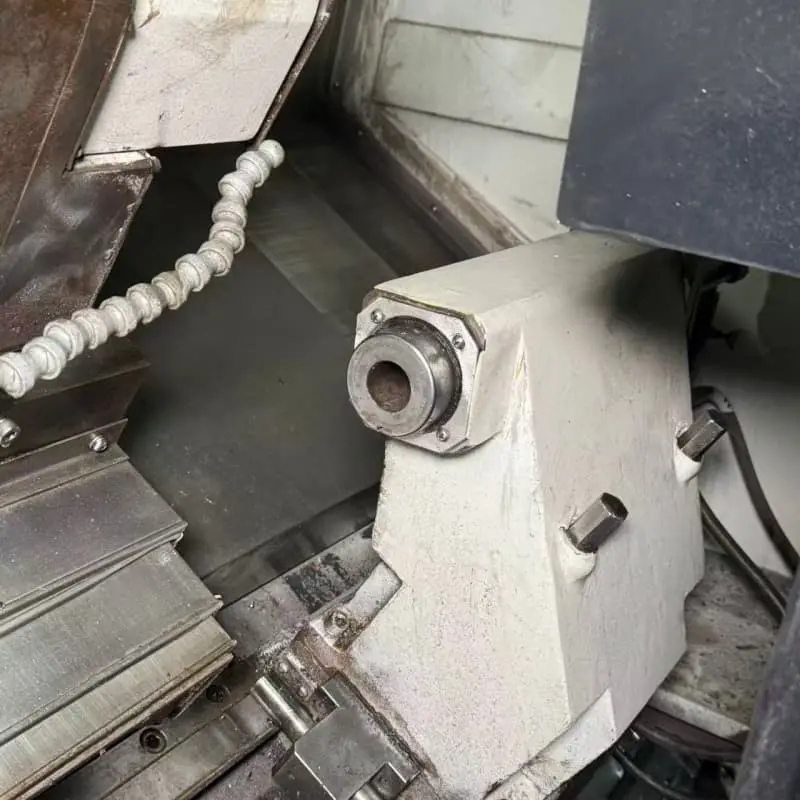
Most used-machine horror stories start with the spindle. That is not bad luck — the spindle is the single most expensive component to replace, and it carries the largest share of the machine’s value. A 12,000-hour spindle is not the same as a 4,000-hour spindle, even if both machines are the same model and year. Hours alone do not tell the whole story, but combined with a live test cut and a coolant-and-backlash check, they tell you almost everything.
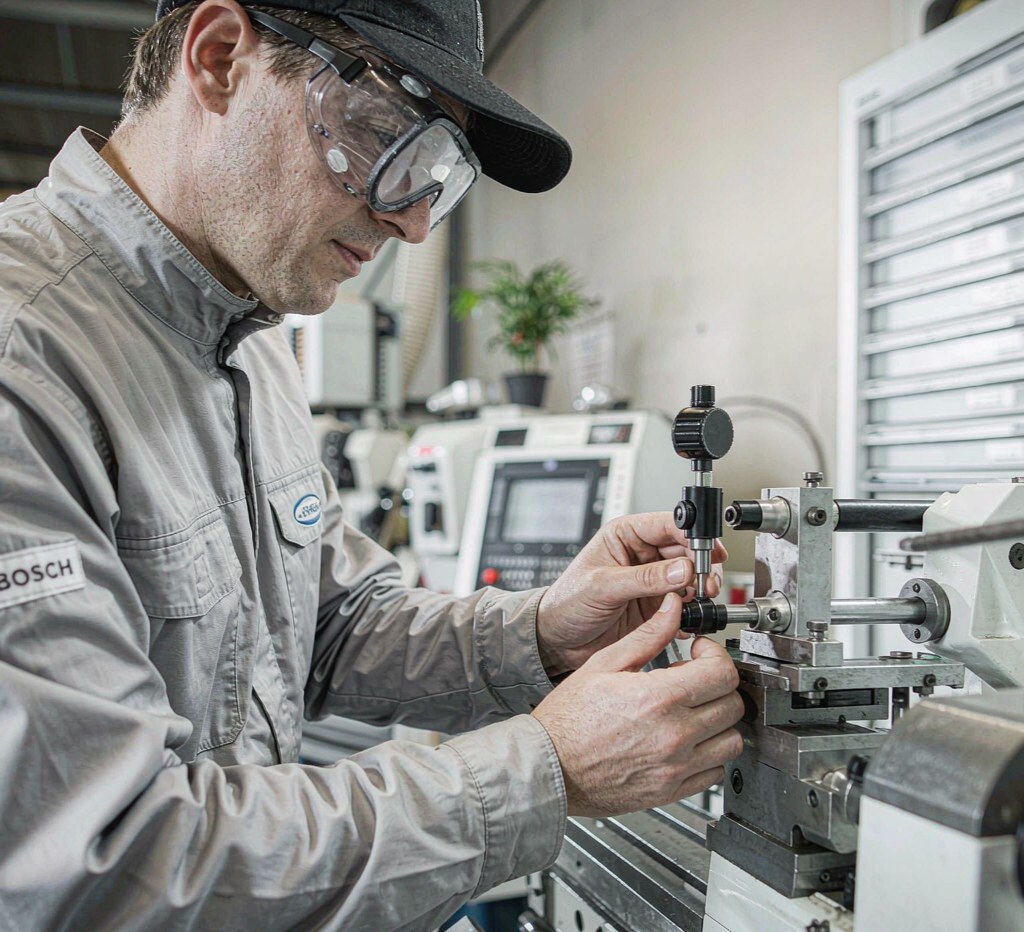
The mechanical checks that matter most on a used lathe or milling machine are spindle hours and runout, axis backlash measured with a dial indicator at mid-travel, way surface condition on both X and Z or Y axes, chip pan and coolant tank cleanliness, and a live test cut that runs a known workpiece for at least fifteen minutes under load.
A checklist I use on every shipment
- Run a video of the machine under power before you pay a deposit. Real cutting, not just an idle run. Look for coolant leak warnings, axis oscillation, and tool-changer cycling time.
- Ask for the spindle hours readout from the control. Fanuc, Siemens, and Heidenhain all store this. Anything over 8,000 hours on a CNC lathe means the spindle has likely seen a bearing service — confirm it has.
- Inspect the ways under the chip cover. Way wear shows up first as a mirror shine, then as scoring. A trained eye can spot a worn way in under a minute.
- Drain a small amount of coolant and look at it. Milky coolant means water has entered the oil; black, sludgy coolant means the machine has been neglected. Both are warnings.
- Measure backlash in X, Y, and Z with a dial indicator. Anything over 0.04 mm on a CNC lathe is borderline; over 0.08 mm means the machine needs axis service before it can hold tight tolerance.
[Zora will replace: One buyer I worked with last year] skipped the live test cut video and took the seller’s word that the machine was “in good condition.” When it arrived, the spindle bearing had been failing for months — the seller knew, the video footage they sent was from a different machine. We rebuilt the spindle under warranty, but the buyer’s production schedule still slipped by six weeks.
Why SGS or third-party inspection pays for itself
A third-party inspection costs roughly USD 300 to USD 600 per machine, depending on the inspector’s location. It covers the spindle test, way inspection, geometric accuracy check, and a written report with photos and videos you can keep on file. On a USD 30,000 purchase, that is one percent of the unit price. On a USD 30,000 mistake, it is the difference between a clean refund and a cross-border legal fight that nobody wins. I require it on every international order above USD 20,000 — no exceptions for any seller, no matter how long we have worked together.
A small piece of personal advice
When I talk to a new buyer, the very first thing I ask is “what does your shop actually run for a full eight-hour shift.” Not what they want to run — what they already run. Because the machine you need is the one that fits today’s mix of work, not the one that fits the brochure. We have shipped fantastic five-axis machining centres that sat unused for a year because the buyer’s actual workload was two-axis turning. Always match the machine to the work you already have on the floor.
How Do You De-Risk the Cross-Border Side Without Overpaying?
Cross-border shipping for used metalworking equipment has its own learning curve, separate from the machine itself. The buyers who get this right treat the freight and customs half of the project as seriously as the machine half. The buyers who get it wrong save a few thousand on the unit price and then lose it to rushed crating, port storage, or a customs classification mismatch that sits a container at the dock for three weeks.
To de-risk a cross-border used-lathe or used-mill shipment, confirm the seller’s HS code classification matches your import broker’s, use seaworthy ISPM-15 crating with VCI corrosion inhibitor, take a 30/60/10 payment schedule tied to shipment documents, and buy marine cargo insurance through an independent broker — not through the freight forwarder.
Payment terms that protect both sides
A common payment structure for a cross-border order looks like this:
| Stage | Trigger | Typical Share |
|---|---|---|
| Deposit | Order confirmation, machine reserved | 30% |
| Against shipping docs | Bill of lading, commercial invoice, packing list scanned | 60% |
| After arrival inspection | Machine unloaded, buyer accepts condition | 10% |
This keeps both sides honest. The seller is not waiting months for full payment, and the buyer has leverage if the machine arrives damaged or missing accessories. For repeat orders after two or three clean transactions, you can ask for tighter terms — but I would not go 100% upfront on a first deal no matter how good the relationship feels.
A real-world example I can share
A buyer I worked with earlier this year — a [Zora will replace: mid-sized industrial equipment distributor based in Dammam, Saudi Arabia, similar to the Gulf Industrial Equipment LLC case but a different company] — had been sourcing used CNC lathes from a competitor for two years. The machines arrived inconsistently: photos did not always match the actual unit, the packing was a thin plywood case, and there was no third-party inspection before shipment. The buyer’s shop had spent weeks reworking damaged equipment and arguing over warranty claims.
We changed three things. First, we sent a dedicated export sales manager with fluent English so every email was answered the same day with a real person behind it. Second, before any order confirmation, we sent real photos of the specific machine standing in our yard, plus a thirty-second video of the spindle running under power and a test cut on a workpiece. Third, we agreed on seaworthy ISPM-15 wooden crating with anti-rust treatment, plus SGS or [Zora will replace: inspector name] third-party inspection before the goods left our warehouse.
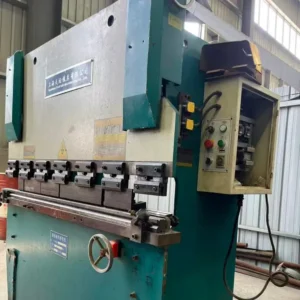
Three months later that buyer’s feedback, in their words: it was the first time a used-machinery supplier had provided real machine videos and inspection support before payment. The machines arrived in good working condition and the packing was strong. They have since placed repeat orders covering used CNC lathes, shearing machines, hydraulic press brakes, and milling machines, and we have continued the same inspection and video discipline for every container.
Other logistics details I would not skip
- Request a draft bill of lading before the container is sealed. Catch spelling errors, wrong consignee details, and HS code typos at this stage, not at the destination port.
- Ask for a container photograph taken just before sealing. This is your evidence if a customs inspector later claims the goods were pre-loaded somewhere else.
- Confirm the freight forwarder has shipped machine tools before, not just general cargo. A 12-tonne lathe with a poorly specced forklift can turn into a write-off before it leaves the yard.
- Set up the customs broker in your country before the goods sail, not after they arrive. Broker setup takes a week and cannot be skipped.
- Decide in advance who pays for what under Incoterms. CIF and FOB are the most common; pick one, write it into the proforma, and do not renegotiate it on the day of shipment.
Conclusion
Sourcing used lathes and mills overseas rewards buyers who insist on real video, real inspection, and real packing — every time.