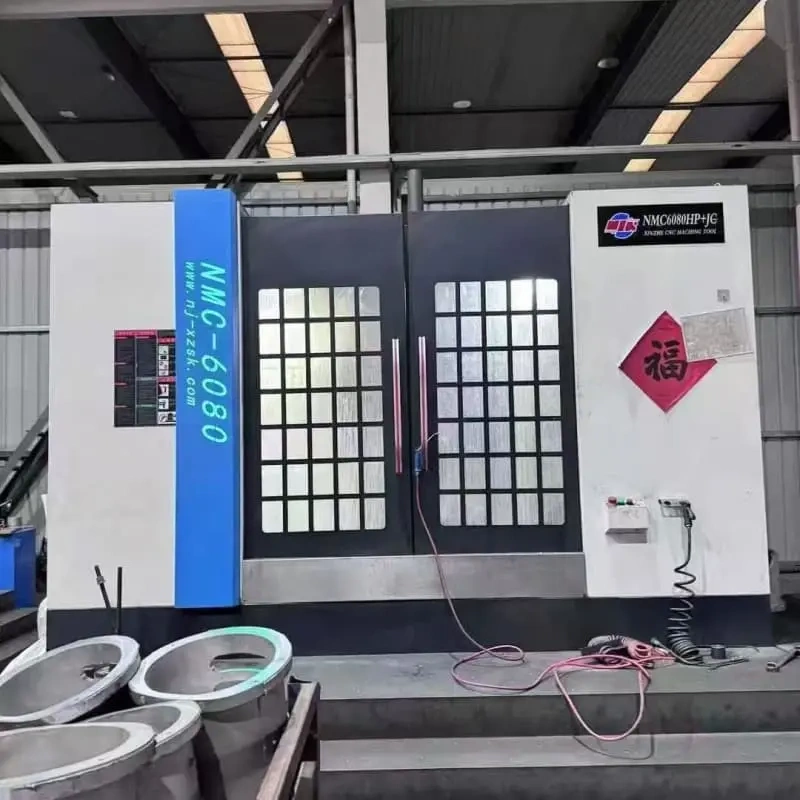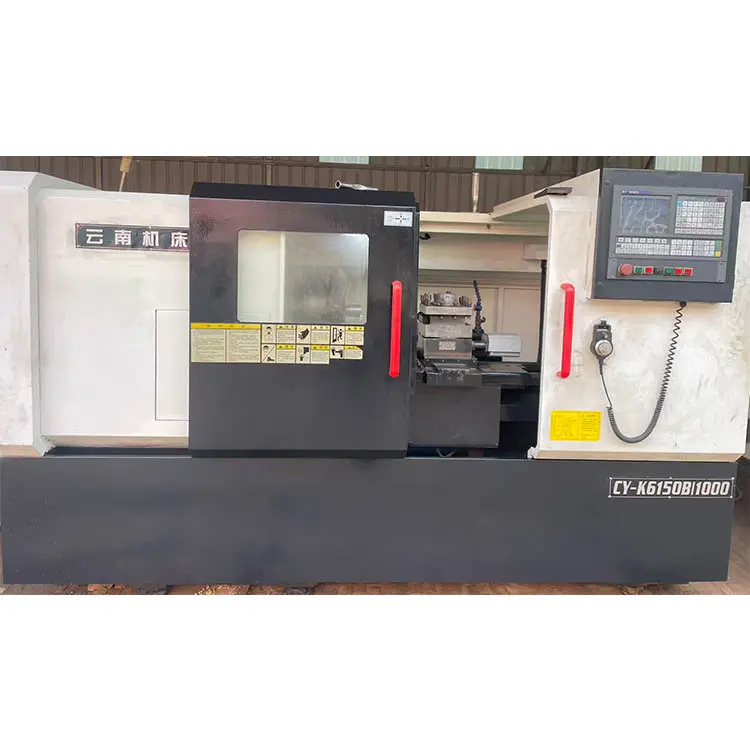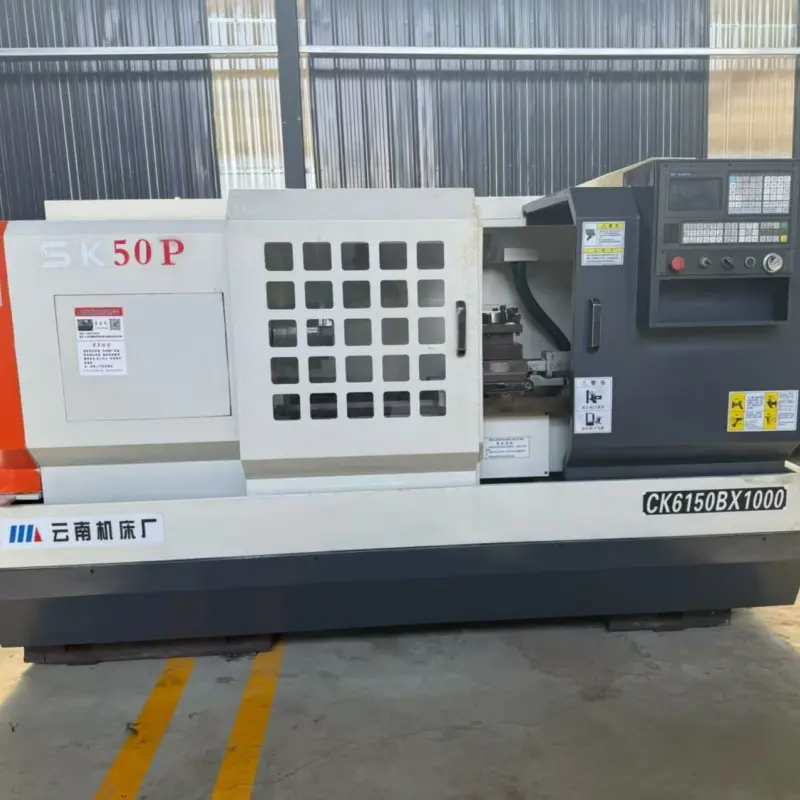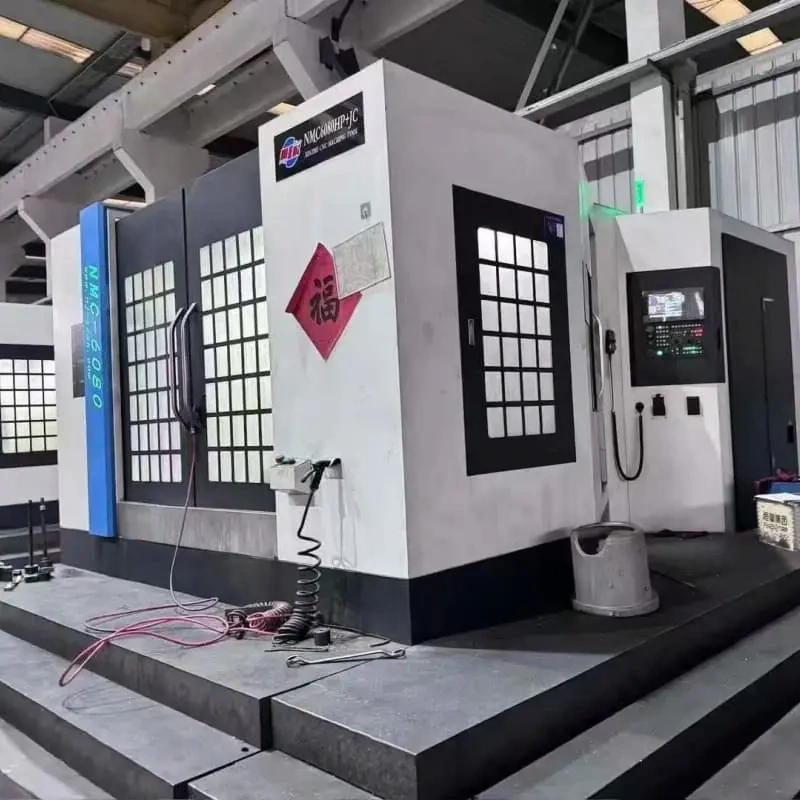
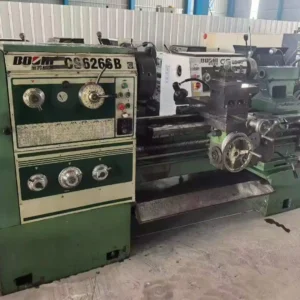
Affordable used lathes for sale flood the market every week. One worn spindle bearing can cost you more than the machine itself. Here is the exact checklist I run before I let any lathe leave our yard.
Affordable used lathes for sale are a good deal only when the bed, spindle runout, tailstock alignment, and gearbox all pass a hands-on test. Runout under 0.0005 inches, backlash under 0.002 inches, and a documented service history are the three numbers I never compromise on.
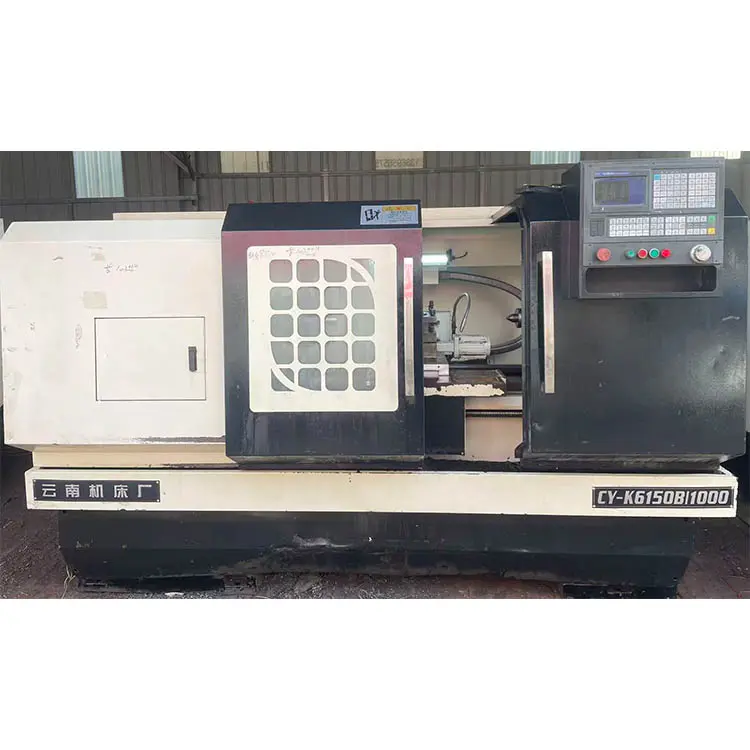
I have shipped lathes to buyers in Vietnam, Saudi Arabia, Pakistan, and Romania, and the pattern never changes. The machines that disappoint are rarely the ones that looked worst in the photos. They are the ones nobody tested properly before loading. A lathe can be painted, waxed, and photographed like new, and still be two thousandths out of true on the bed. So before you compare prices across listings, you need to know what you are actually comparing. This article walks through the checks in the order I use them, from the bed to the cutting test, and then through the real cost of ownership that the sticker price never shows. If you only read one section, make it the first one, because bed wear is the fault that kills more used lathes than every other defect combined. When you are done, you will know which questions to ask a seller and which answers should end the conversation. And if a seller refuses to run the machine for you, that refusal is itself your answer. Check our current used lathe stock any time to see what a properly inspected machine looks like.
What Should You Check First on an Affordable Used Lathe?
Price lists tell you nothing about condition. A worn bed or spindle turns your bargain into scrap within months. Start with the structure, because structure cannot be fixed cheaply.
Start with the bed ways, then the spindle. Run a dial indicator on the spindle nose and accept nothing above 0.0005 inches of runout. Look for worn shoulders on the ways near the headstock, and move the carriage the full length of the bed feeling for sticky spots.
The Bed Tells the Truth First
The bed is the foundation of every lathe, and it is the one component you cannot economically repair in most countries. I always start at the headstock end of the ways. That is where the carriage spends most of its life, so that is where wear shows first. Run your finger along the flat and vee ways near the chuck. If you feel a step, a shoulder where the surface drops away, the lathe has cut most of its work in that one zone. Some wear is normal on a ten-year-old machine. Deep shoulders are not. They mean the carriage can no longer sit parallel to the spindle centerline across the full bed length, so every long shaft you turn will come out tapered.
Also look for repairs. I once inspected a lathe that had a hairline crack in the bed filled with filler and painted over. The paint matched perfectly. Only the slight difference in texture under a fingernail gave it away. That machine went back on the truck. Scoring and dents from a chuck or workpiece falling across the ways matter too, because every burr drags the carriage and wears the vee surfaces unevenly. Rust is more forgiving than people think, as long as it is surface rust that cleans off without pitting. Pitting that holds oil and grime is a different story.
Spindle Runout and Bearings Cost the Most to Fix
After the bed, the spindle is the most expensive thing to put right. Mount a test bar or a good chuck, set a dial indicator against the spindle nose register, and rotate by hand. Acceptable runout on a healthy machine is 0.0005 inches or less. Anything over 0.001 inches tells me the bearings are worn or the spindle has been crashed. Bearing replacement on a mid-size engine lathe, parts and labor, can easily run [Zora will replace] USD 800 to 2,000 depending on the brand, and that assumes bearings are still available for that model.
Then spin the spindle through its full speed range with the chuck removed and listen. A healthy headstock sounds smooth and even. A knocking sound points to damaged gear teeth. A rising whine that changes with speed points to bearing preload problems. Put the back of your hand on the headstock casting after thirty minutes of running. Warm is fine. Too hot to keep your hand on means lubrication failure or overtight bearings. Here is the tolerance table I carry on my clipboard for every lathe inspection:
| Check point | Acceptable | Walk away when |
|---|---|---|
| Spindle runout at nose register | 0.0005 in or less | Above 0.001 in |
| Tailstock alignment over 12 in test bar | Within 0.002 in | Above 0.003 in |
| Lead screw backlash | 0.002 in or less | Above 0.005 in |
| Headstock temperature after 30 min idle | Up to 140 F (60 C) | Above 170 F (77 C) |
| Carriage movement by hand | Smooth, even resistance | Sticky spots or sudden drops |
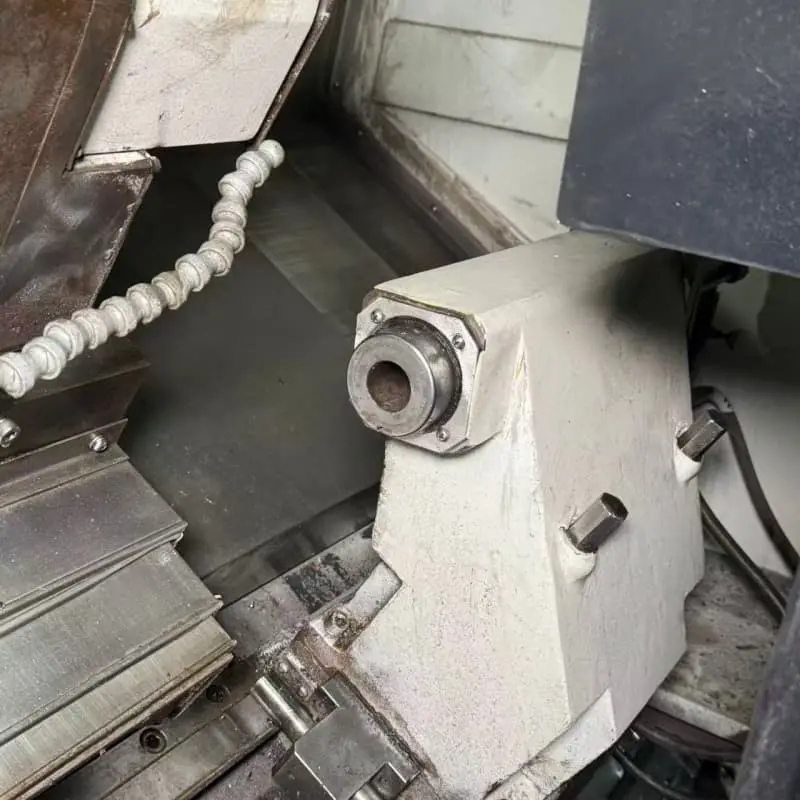
One more habit from the shop floor: check the tailstock against the headstock with a test bar in both. If the two centers are out of line, either the tailstock has been abused or the bed is worn unevenly, and either way your shafts will taper. Most sellers will let you spend twenty minutes with a dial indicator if you ask politely. The ones who refuse usually know exactly what the indicator will find.
How Do You Test a Used Lathe Before Money Changes Hands?
Photos prove nothing. Even videos hide chatter and bearing noise. A thirty-minute running test under power is the only proof that matters, and it costs you nothing but time.
Cycle every spindle speed, take a light test cut, and check the gearbox and electrical cabinet. Chatter marks on the test cut mean weak rigidity or loose gibs. Torn surfaces mean dull tooling or a tired spindle motor. Refuse any machine you cannot run first.
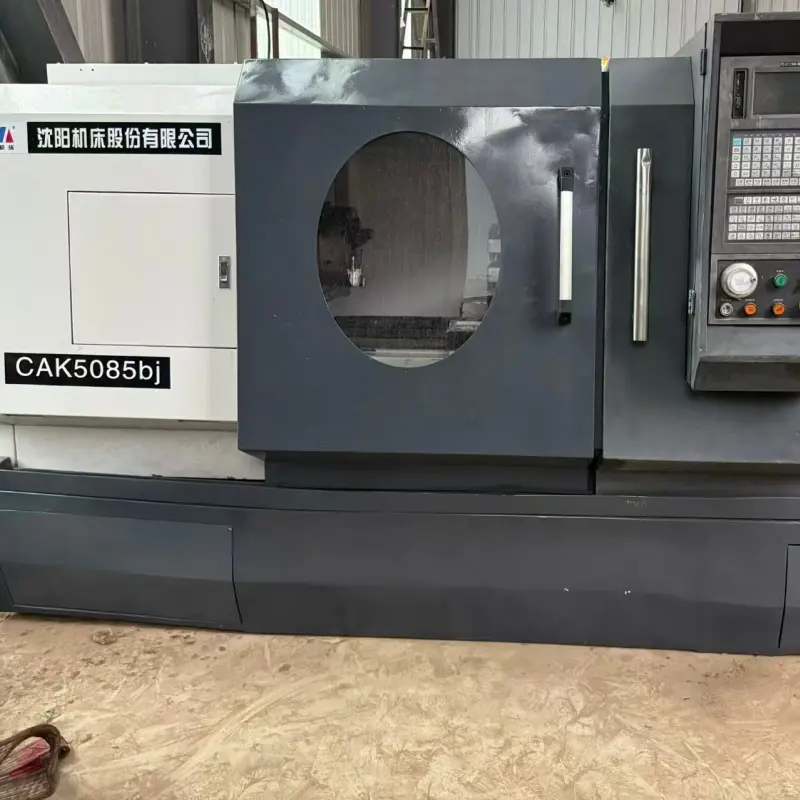
The Idle Run and the Test Cut
I treat every inspection the same way, and it takes about half an hour. First, power up and cycle through every spindle speed, low to high, twice. Listen at the headstock with the shop quiet. Grinding, whining, or a knock that comes and goes with a particular speed range tells me which gear or bearing is failing. Next, engage the power feed along the carriage and the cross slide at several speeds. The motion should be steady, without surging. Then check the lead screw by threading a short piece, or at least measure the backlash with an indicator.
The test cut is where the truth comes out. Bring a one-inch mild steel bar, a sharp tool bit, and take a light cut, around 0.010 inches deep, at a middle speed. A healthy machine produces a smooth, even finish and a consistent diameter from one end of the cut to the other. Chatter marks across the surface point to loose gibs, worn ways, or weak rigidity. A torn, ragged finish points to insufficient spindle power or unstable mounting. Then measure the bar with a micrometer at both ends. If the diameter differs by more than about 0.001 inches over a few inches of length, the bed or tailstock alignment is out, and you now have a negotiation number in your hand.
| Test | What you do | Good result | Bad result |
|---|---|---|---|
| Idle run, all speeds | Listen to headstock | Smooth, even tone | Grinding, whining, knocking |
| Power feed engagement | Run carriage and cross slide | Steady motion | Surging or stalling |
| Test cut, 0.010 in depth | Light cut on mild steel | Clean finish, no chatter | Chatter marks or torn surface |
| Diameter check with micrometer | Measure both ends of cut | Within 0.001 in | Visible taper |
| Lead screw backlash | Dial indicator on screw | 0.002 in or less | Over 0.005 in |
Gearbox, Electricals, and the Paper Trail
Open the electrical cabinet with the power locked out. Look for burnt smell, discolored wiring, bypassed safety interlocks, or contactors that have been rewired by hand. Machines that came from flood-damaged shops or overloaded small factories show their history in that cabinet. Confirm the voltage and frequency match your local supply, because a 380 V 50 Hz machine landed in a 460 V 60 Hz country needs a transformer, and that is [Zora will replace] USD 1,000 to 5,000 of hidden cost depending on the size. Also shift through every gearbox position under power. Slipping or grinding under load in one specific gear tells you teeth are missing, and gearbox parts for out-of-production models can take months to source.
Documentation matters as much as metal. Ask for the service log, the serial number, and any records of bearing or way repairs. A machine with no paperwork is not automatically bad, but then your inspection carries the full burden of proof. Watch for two classic red flags. First, the “just rebuilt” claim with no receipts, no photos, and no names. I have seen rebuilds that meant new bearings and reground ways, and I have seen rebuilds that meant a coat of paint over a reground-twice bed with cheap bearings that failed after forty hours. Second, mismatched parts. A lathe wearing a chuck from a different brand with adaptor plates welded on tells you parts were missing and nobody could find the right ones. Neither claim survives a test cut, so make the test cut non-negotiable. Our team records running test videos of every machine before quotation for exactly this reason.
How Much Should You Pay for an Affordable Used Lathe — and What Other Costs Hide Behind the Sticker?
The sticker price is only the entry fee. Transport, tooling, electrical work, and repairs can double your real cost. Compare against condition, not against the cheapest listing you can find.
A solid used manual lathe in working condition typically runs USD 1,500 to 7,000 depending on swing size, versus USD 4,000 to 20,000 or more new. Budget extra for shipping, workholding, cutting tools, and any repair the inspection uncovers before you sign anything.
What the Market Actually Charges
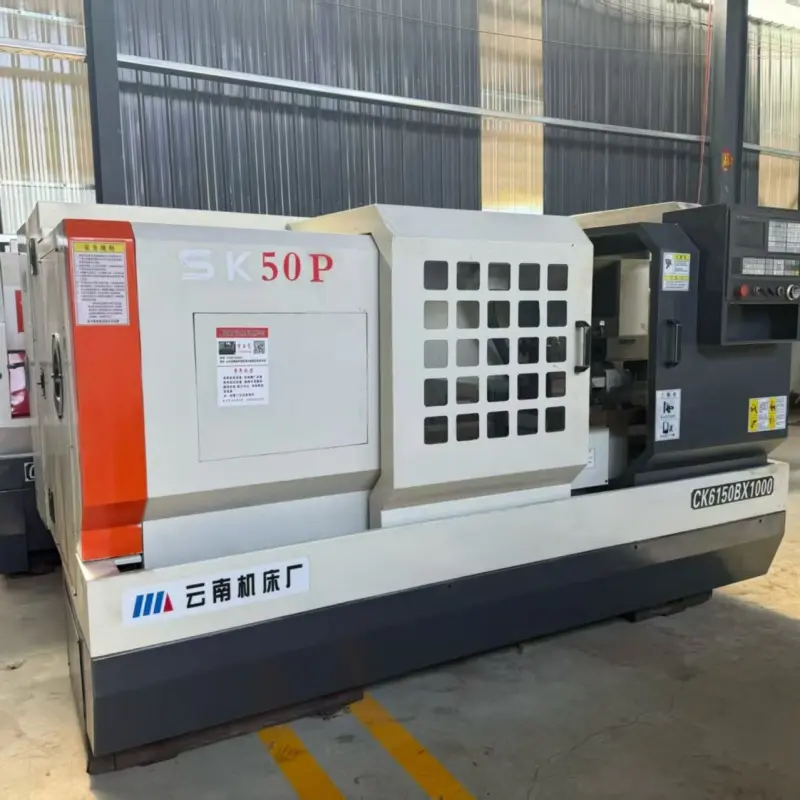
Used lathe pricing depends on swing, bed length, brand, and above all condition. Across the listings and market reports I track, the pattern is fairly consistent in 2026. Small manual engine lathes with 10 to 12 inch swing sit between roughly USD 1,500 and 3,500. Mid-size industrial machines with 14 to 18 inch swing run USD 3,500 to 7,000. Large or CNC models start around USD 7,000 and climb past USD 25,000 depending on the control system. Against that, a comparable new manual lathe costs USD 4,000 to 20,000 or more, and new CNC turning centers start near USD 10,000 and pass USD 100,000 quickly. That is where the saving comes from: buyers regularly capture 40 to 70 percent off the new price for the same cutting capacity.
But the saving only survives if condition is verified. The cheapest machine on the page is cheap for a reason, and the reason is usually hiding in the headstock. When I advise buyers, I tell them to rank offers by total machine cost, never by purchase price.
| Category | Typical used price | Typical new price | What you save |
|---|---|---|---|
| Bench lathe, 6–9 in swing | USD 300 – 1,500 | USD 700 – 4,000 | About 50–70% |
| Small engine lathe, 10–12 in swing | USD 1,500 – 3,500 | USD 4,000 – 8,000 | About 50–60% |
| Mid-size industrial, 14–18 in swing | USD 3,500 – 7,000 | USD 8,000 – 20,000 | About 50–65% |
| Large or used CNC lathe | USD 7,000 – 25,000+ | USD 10,000 – 100,000+ | 40–70% |
The Hidden Costs That Eat Your Saving
Here is where first-time buyers get burned. The machine is one line item in a longer list. Shipping a one-ton lathe across a border, with crating and inland transport, adds a figure that varies enormously by route and port [Zora will replace]. Workholding is often sold separately, so budget for a chuck, tool post, live centers, and a steady rest if the machine arrives bare. Cutting tools and a coolant setup add more. Electrical installation, if you need three-phase power run to a new corner of the shop, is another line. And if the inspection finds worn bearings or a scored lead screw, the repair cost comes straight off your saving. My rule is simple: total remediation cost, calculated from the inspection findings, gets deducted from the offer price before I negotiate. Sellers respect a buyer who arrives with numbers. A tailstock quill four times out of spec, a bearing set that needs replacing, an hour rate for a local fitter — put all of it in the message, and the price conversation becomes arithmetic instead of argument.
One more angle from our own export floor. We pack every lathe in a wooden case with anti-rust protection because transport damage is real and it eats margins. A machine that arrives with a cracked chuck jaw or a bent handwheel through careless loading starts your relationship with the supplier on the wrong foot. Ask how the machine will be packed and photographed before loading, and ask whether a third-party inspection at the warehouse is welcome. A supplier who says yes to SGS or any inspector you nominate is telling you something important about what is actually in that crate. If you are comparing quotes right now, send us your inspection checklist for a second opinion and I will tell you honestly whether the machine you found is worth the freight.
Conclusion
Judge an affordable used lathe by its bed, spindle, gearbox, and test cut, not by its paint or price. Verify condition, price the repairs, and the saving stays yours.