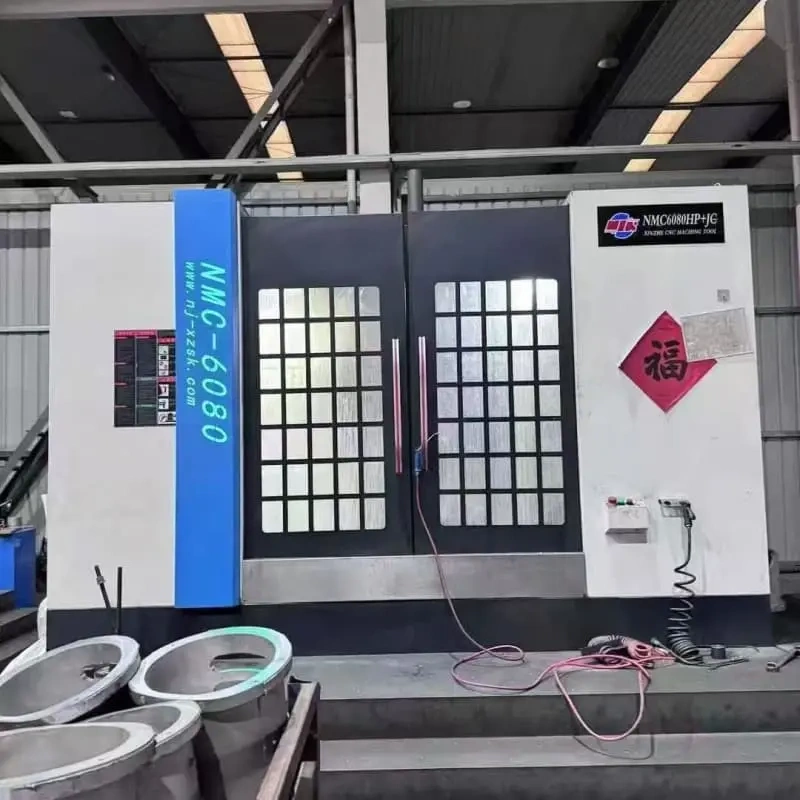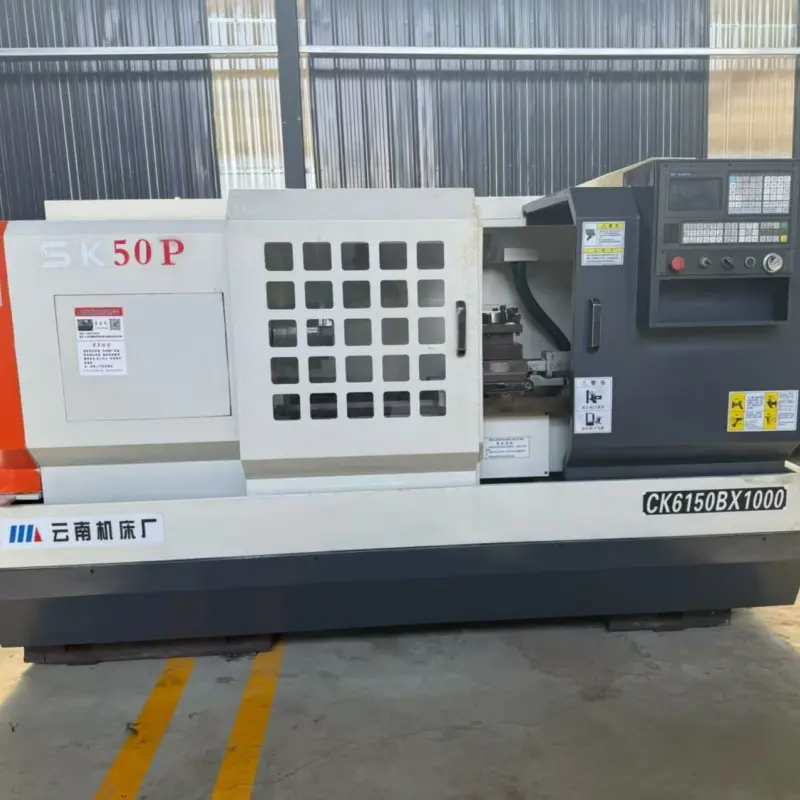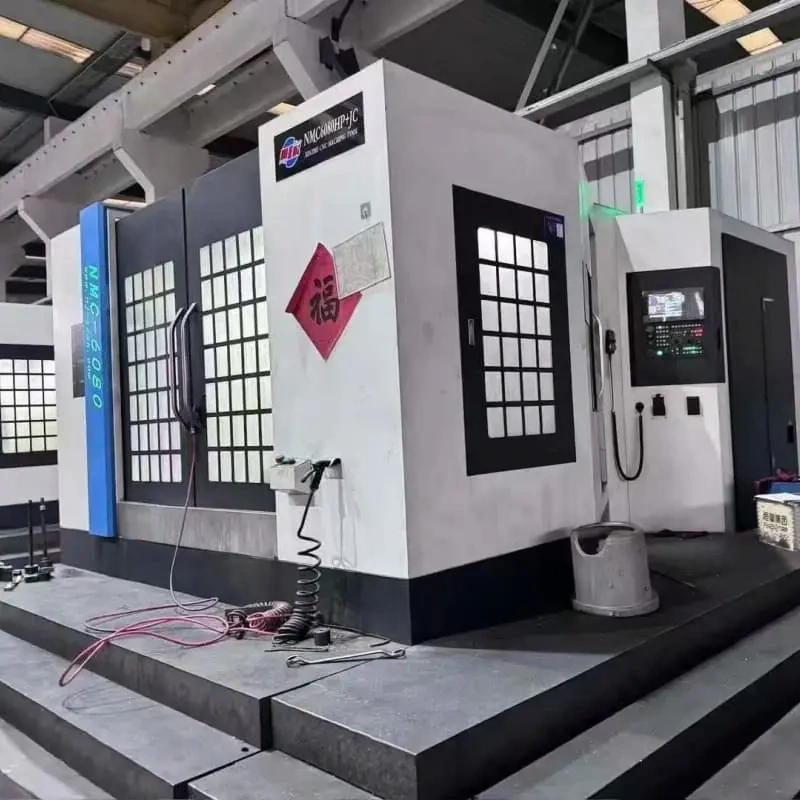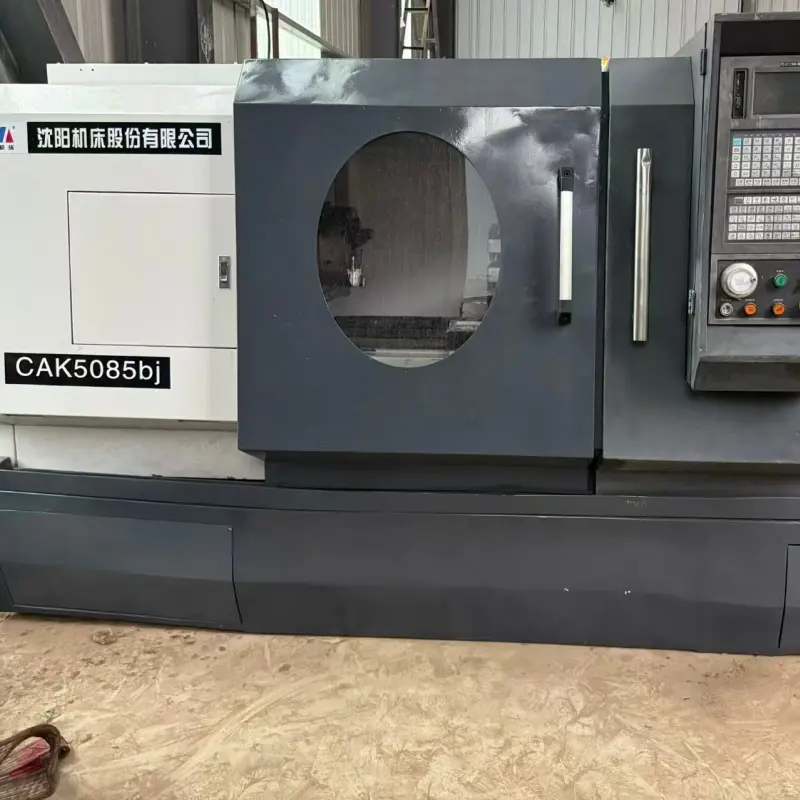
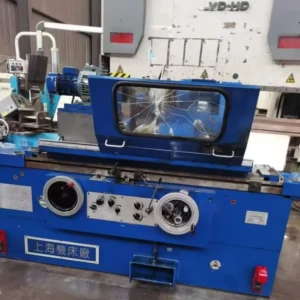
New machine tools can swallow 60% to 70% of a small factory’s annual equipment budget in a single purchase, and that does not include the months of waiting, installation, and training. I have watched buyers in our Liaocheng stockyard wince when they realize a new CNC lathe costs more than their first workshop building. The good news is that a carefully inspected used lathe or milling machine can deliver the same chips-per-hour at a fraction of the price — but only if you know what to check before money changes hands.
Sourcing reliable used lathes and milling machines is the most practical way to cut capital expenditure by 40% to 70% without sacrificing production capacity, provided you verify spindle condition, bed wear, control functionality, and supplier transparency before purchase.
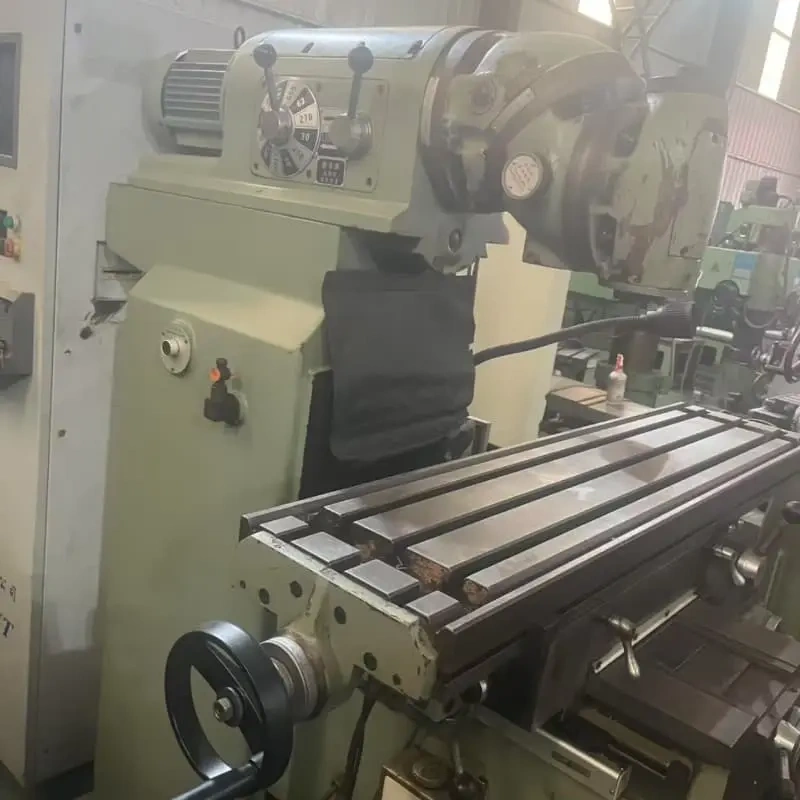
Over the past [Zora will replace: eight] years, our team at azmachines.com has shipped used lathes and milling machines to buyers in Vietnam, Saudi Arabia, Mexico, and Romania. The buyers who come back for a second container are never the ones who chased the lowest sticker price. They are the ones who asked for running videos, checked spindle runout, and demanded a trial cut before shipment. This article walks through the exact checks and comparisons that separate a smart used-machine investment from an expensive workshop ornament.
What Should You Inspect First on a Used Lathe or Milling Machine?
A shiny paint job can hide a cracked bed or a spindle with shot bearings, and the first hour of inspection is where most deals are saved or lost. I have seen machines that looked pristine under a fresh coat of gray enamel but rattled like a tin can the moment the spindle spun above 800 RPM.
The first inspection priority is always the spindle: listen for bearing noise, measure runout with a dial indicator, and feel for heat after a ten-minute warm-up. If the spindle is sound, move to the ways, slides, and electrical cabinet in that order.
Spindle, Bearings, and Runout
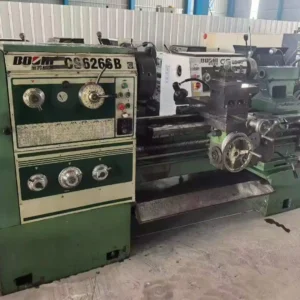
The spindle is the heart of both a lathe and a milling machine. On a lathe, chuck runout above 0.02 mm at the nose usually means bearing wear or a bent spindle shaft. On a milling machine, axial play in the spindle quill will destroy surface finish on every face-milling pass. I always carry a magnetic-base dial indicator to our stockyard checks. We mount it on the bed, touch the chuck face or spindle taper, and rotate by hand. A reading below 0.01 mm is excellent for a used machine; anything above 0.03 mm is a negotiation point or a pass.
Heat is just as telling as runout. After a ten-minute run at mid-range RPM, the spindle housing should be warm, not hot. Excessive heat means the bearings are preloaded incorrectly, lubrication is failing, or internal damage is creating friction. We once rejected a batch of three used milling machines because all three spindles climbed past 65°C within five minutes. The seller had repainted them and replaced the control panel stickers, but he could not hide the bearing growl.
Ways, Slides, and Backlash
Bed ways and saddle slides dictate geometric accuracy. On a lathe, lay a precision straightedge along the bed and check for daylight under it with a 0.02 mm feeler gauge. Any gap means the bed has worn unevenly or, worse, twisted. On a milling machine, crank each axis through its full travel and feel for stick-slip or rough patches. A tight spot in the middle of the X-axis travel usually indicates low-spot wear where 80% of the previous owner’s parts were machined.
Backlash measurement is quick and brutal. Lock the dial on the cross-slide of a lathe or the X-axis of a mill, engage the handwheel, and count the degrees of rotation before the table moves. A few thousandths of an inch is normal for a well-used machine; more than 0.005 inch suggests worn ball screws or loose gibs. The table below summarizes typical acceptable limits for used machine tools in production environments.
| Component | Inspection Method | Acceptable Limit (Used) | Warning Sign |
|---|---|---|---|
| Lathe spindle runout | Dial indicator on chuck face | ≤ 0.02 mm | > 0.05 mm or visible wobble |
| Lathe bed straightness | Precision straightedge + feeler gauge | ≤ 0.02 mm over 1 m | Daylight under straightedge |
| Cross-slide backlash | Dial indicator, handwheel reversal | ≤ 0.05 mm | > 0.10 mm or lost motion |
| Mill spindle axial play | Dial indicator on quill nose | ≤ 0.01 mm | > 0.03 mm or clunking feel |
| Mill table travel smoothness | Full-crank test, no load | Even resistance throughout | Stick-slip or rough patches |
| Electrical cabinet | Visual + power-on alarm check | No active alarms, clean wiring | Burn marks, loose terminals, obsolete controls |
Electrical Cabinet and Control Systems
Open the electrical cabinet and look for dust, oil, and burned contactors. On CNC machines, check the control battery — a dead battery means lost parameters, and re-entering them can take days if the backup tape is missing. Power the machine on and scroll through the alarm history. A few old alarms are normal; a string of servo errors or emergency stops from last week is not. If the machine has a Fanuc, Siemens, or Mitsubishi control, confirm the software version is still supported. Obsolete controls are the single most expensive surprise in used CNC purchases because retrofitting a new controller can cost more than the machine itself.
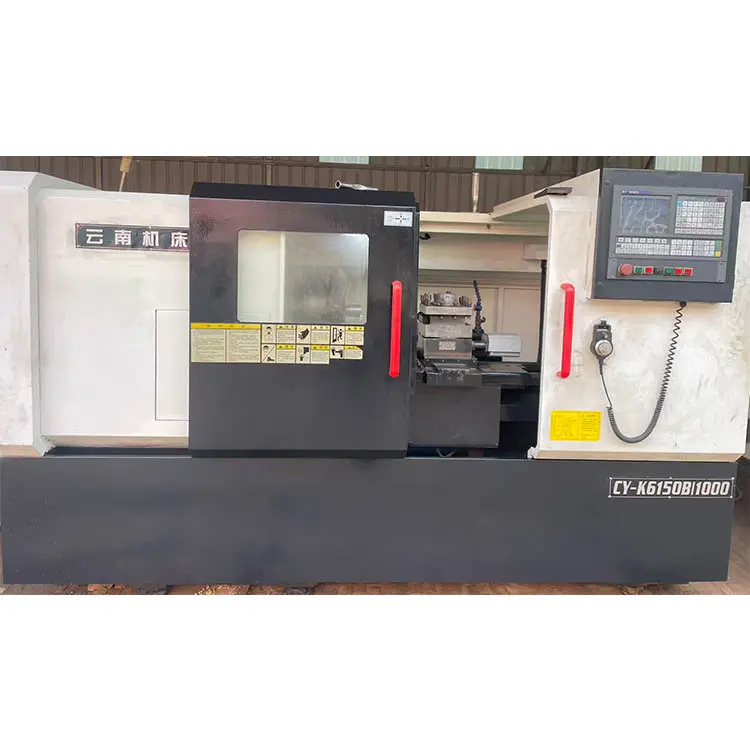
How Do You Compare Total Cost of Ownership Between Used and New Machine Tools?
Sticker price is only the first line of the invoice. I have seen buyers celebrate a $5,000 used lathe only to spend another $4,000 on rigging, electrical conversion, spindle bearings, and a missing chuck. The real number you need is total cost of ownership over the first two years of production.
Used lathes and milling machines typically cost 40% to 70% less upfront than new equivalents, but buyers must add rigging, shipping, potential refurbishment, spare parts, and downtime risk to the equation before declaring a deal superior.
Breaking Down the Real Numbers
Let us compare a mid-size CNC lathe purchase for a typical job shop in Southeast Asia. The new machine quoted from a European brand is approximately [Zora will replace: $85,000] landed, with a twelve-week lead time. A comparable used CNC lathe from our stock, inspected and test-run, is approximately [Zora will replace: $28,000] plus [Zora will replace: $3,200] for export packing and ocean freight to Haiphong or Jebel Ali. That looks like a $53,800 savings on paper.
But the real math includes commissioning. A new machine arrives with factory-trained technicians, warranty coverage, and parameter sheets. A used machine arrives in a wooden crate and needs leveling, electrical hookup, and often a coolant-system flush. Budget [Zora will replace: $1,500] to [Zora will replace: $4,000] for local rigging and commissioning, plus another [Zora will replace: $800] for tooling that the previous owner kept. Even after all of that, the used machine still lands at roughly half the price of new — and it is cutting chips this month instead of three months from now.
The table below compares first-year cost structures for a typical used versus new machine tool acquisition.
| Cost Item | New CNC Lathe (Approx. USD) | Used CNC Lathe (Approx. USD) | Notes |
|---|---|---|---|
| Machine purchase | 85,000 | 28,000 | Used price includes pre-shipment inspection |
| Export packing / crating | Included | 800 | Wooden case + anti-rust VCI film |
| Ocean freight to SE Asia / Middle East | 2,500 | 2,500 | Similar for both; used may share container |
| Import duties / clearance | 4,000 | 4,000 | Based on CIF value; used pays less due to lower declared value |
| Rigging and installation | Included | 2,500 | Local crane + leveling + alignment |
| Spare parts / tooling allowance | 500 | 1,500 | Used machines may need belts, bearings, or tool holders |
| Downtime risk reserve | Minimal | 1,200 | Buffer for unexpected repairs in first 90 days |
| First-year total | 92,000 | 40,500 | Used saves roughly 56% in year one |
Speed to Production Matters
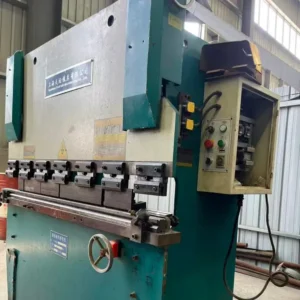
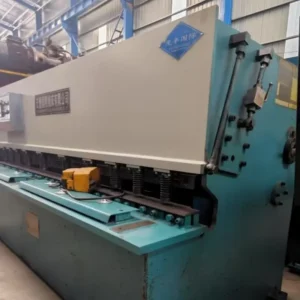
In our experience with Gulf Industrial Equipment LLC in Saudi Arabia, the deciding factor was not just price — it was time. They had a fabrication contract with a sixty-day start date and could not wait fourteen weeks for a new machine. We shipped a used CNC lathe, a shearing machine, and a hydraulic bending machine in a single container. All three machines were running test parts within ten days of arrival. The client told us later that the early production start saved them more money than the equipment discount itself.
That is the hidden advantage of used machinery: proven run-in, stable parameters, and immediate availability. A new machine needs a break-in period. A well-maintained used machine has already passed that phase. The spindle bearings are seated, the ways have developed a stable oil film, and any manufacturing defects were resolved years ago. The risk shifts from “will this machine work?” to “did the previous owner maintain it?” — and that is a question a thorough inspection answers before you pay.
What Red Flags Should Make You Walk Away from a Used Machine Deal?
Not every used machine is a bargain, and not every seller is honest. I have walked away from machines that looked perfect in photos because the reality in our stockyard told a different story. Learning when to say no is as important as knowing what to check.
Walk away from any used lathe or milling machine that shows crash damage, altered serial numbers, obsolete CNC controls with no parameter backup, or a seller who refuses running video and third-party inspection.
Crash Damage and Hidden Repairs
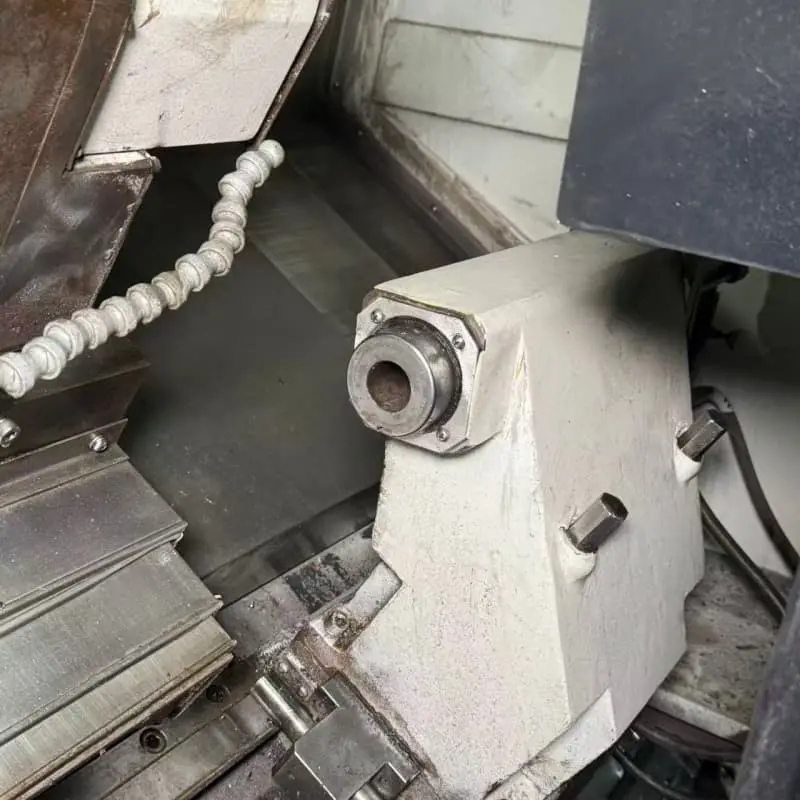
Crash damage is the hardest defect to spot and the most expensive to fix. On a lathe, inspect the turret face for tool-holder witness marks that do not align with normal operation. Look at the spindle nose taper for dings or discoloration from welding. Check the tailstock quill for bends or uneven wear. On a milling machine, examine the table T-slots for chips hammered into the ways — a classic sign of a crashed cutter pulling the workpiece through the table.
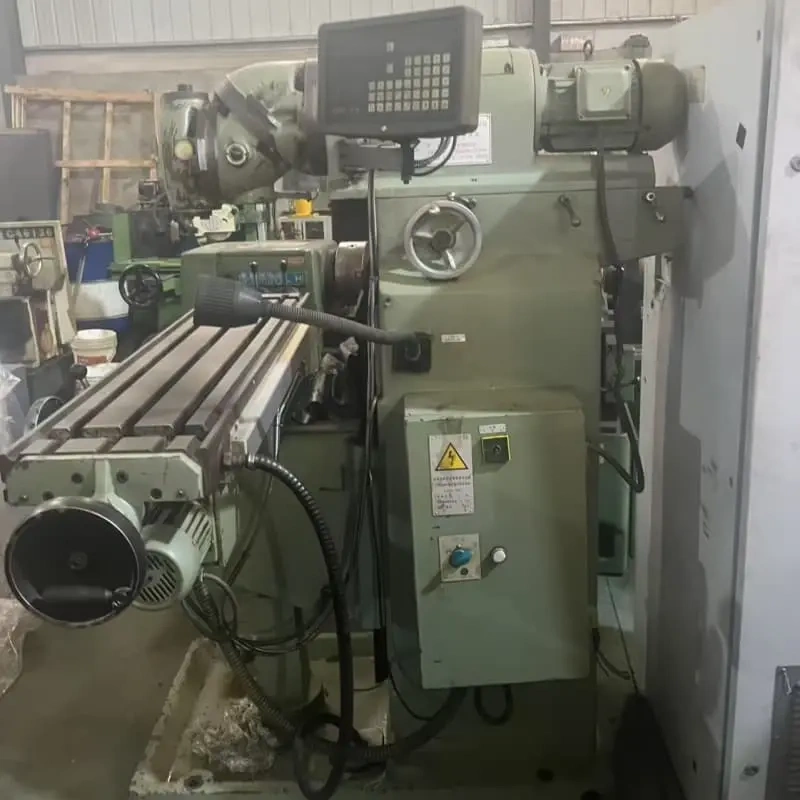
I remember a used vertical milling machine we evaluated last year. The photos showed a clean cabinet and a bright digital readout. In person, the Y-axis handwheel had 15 degrees of free play, and the knee elevating screw was visibly bent. The seller admitted the previous operator had crashed a face mill into the vise. We passed, and the machine sat in his warehouse for another six months before someone else bought it for scrap price. A five-minute runout test and a full-axis travel check would have saved that second buyer thousands.
Documentation and Provenance Gaps
A machine without a serial number plate is a machine without a history. Demand the original manual, electrical schematics, and maintenance records. If the seller has changed the control system, ask for the retrofit documentation. Without it, you are buying a black box. We have seen machines where the original Fanuc control was replaced with a no-name Chinese board. It worked for a month, then failed, and the buyer had no wiring diagram to troubleshoot it.
The same rule applies to voltage and frequency. A machine built for 380V / 50Hz will not run happily on 460V / 60Hz without a transformer and possibly a motor rewind. Confirm electrical compatibility before the machine leaves the seller’s floor, not after it arrives in your shop.
Seller Behavior as a Diagnostic Tool
How a seller responds to your requests tells you everything about the machine. A legitimate supplier sends running videos within 24 hours. A legitimate supplier accepts third-party inspection by SGS or a local engineer. A legitimate supplier answers technical questions about spindle bearings, way condition, and alarm history without hesitation.
If the seller dodges video requests, claims the machine is “already packed,” or offers a discount for skipping inspection, treat that as a red flag brighter than a spindle overheat alarm. In our export business, we provide running test videos, precision measurement reports, and packing photos for every single machine. Buyers in Qatar and Pakistan have told us that transparency is why they chose us over cheaper listings. Price is only part of the equation; confidence in what you are receiving is the rest.
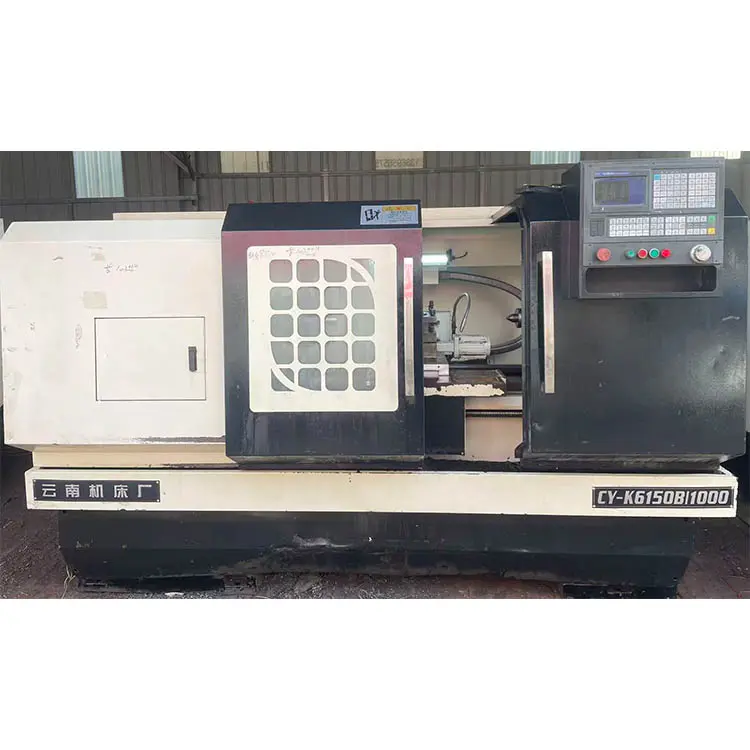
| Red Flag | Why It Matters | Our Recommendation |
|---|---|---|
| Missing serial number or altered nameplate | No traceability; possible stolen or rebuilt machine | Demand original documentation or walk away |
| Seller refuses running video | Machine may not run; hidden mechanical or electrical faults | Only buy from sellers who provide startup and cutting videos |
| Obsolete CNC control with no backup | Parameters lost = expensive retrofit or paperweight | Verify control model, software version, and battery status |
| Crash damage signs (bent components, welded castings) | Structural integrity compromised; accuracy permanently degraded | Professional inspection mandatory; likely pass |
| Price 30%+ below market average | Usually indicates undisclosed defects or scam | Compare against similar spec machines; if too good, it usually is |
| No export packing experience | High risk of transit damage; no customs documentation | Choose suppliers with proven export packing and documentation |
Conclusion
Used lathes and milling machines are not a compromise — they are a calculated capital decision that cuts costs and accelerates production when you inspect before you buy.