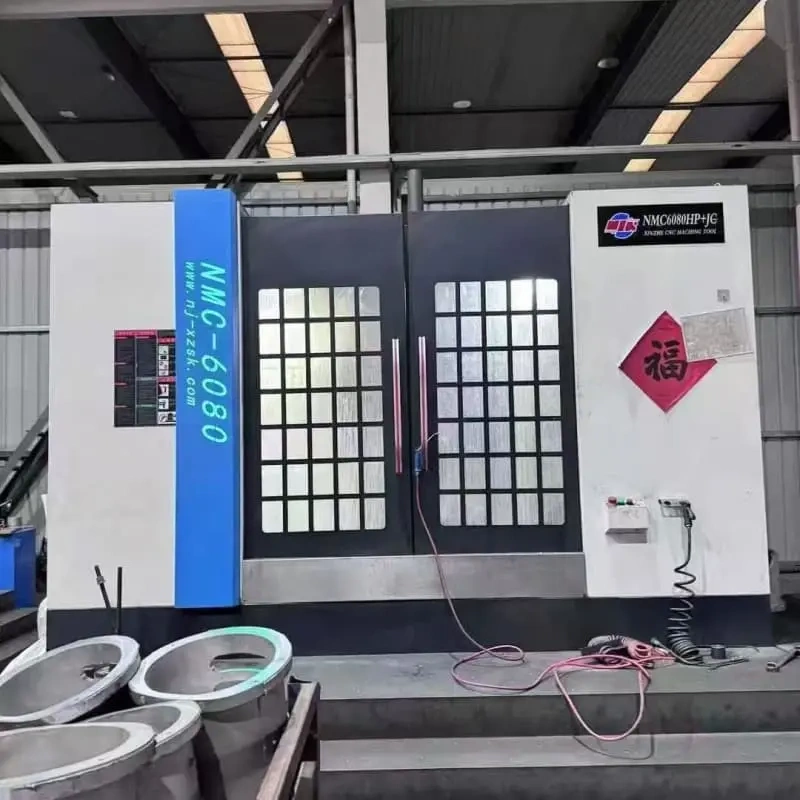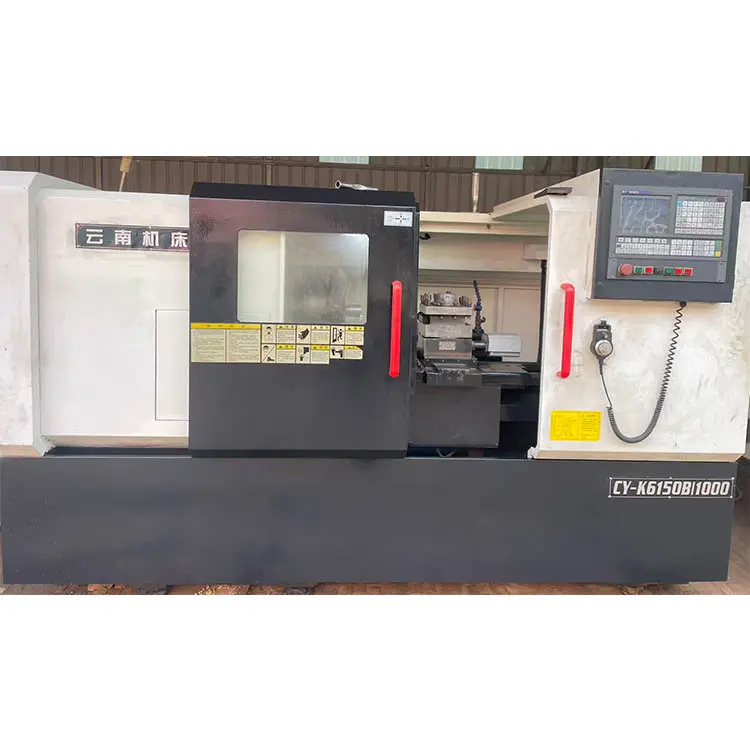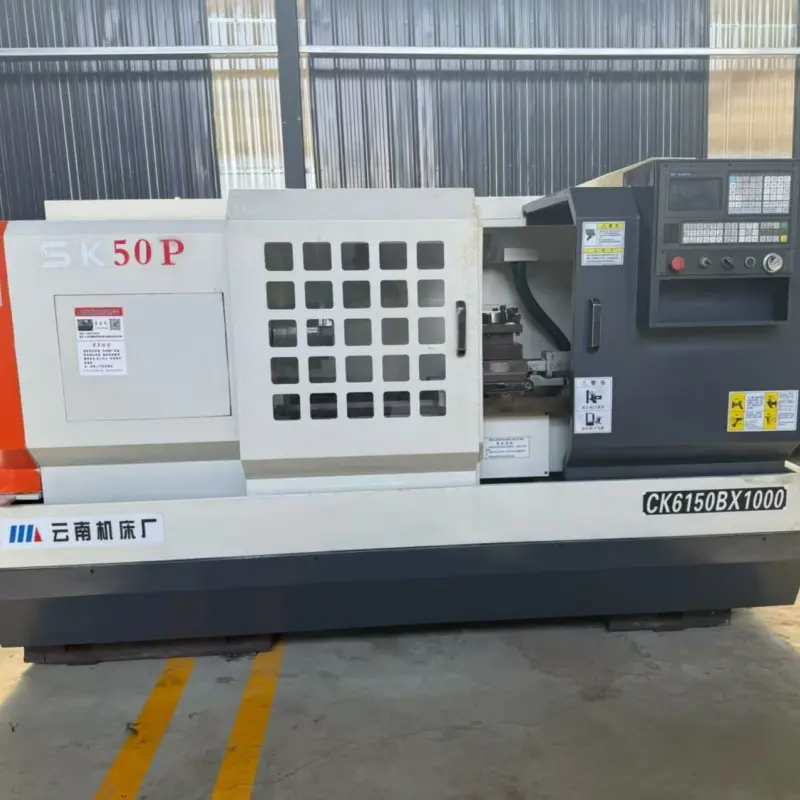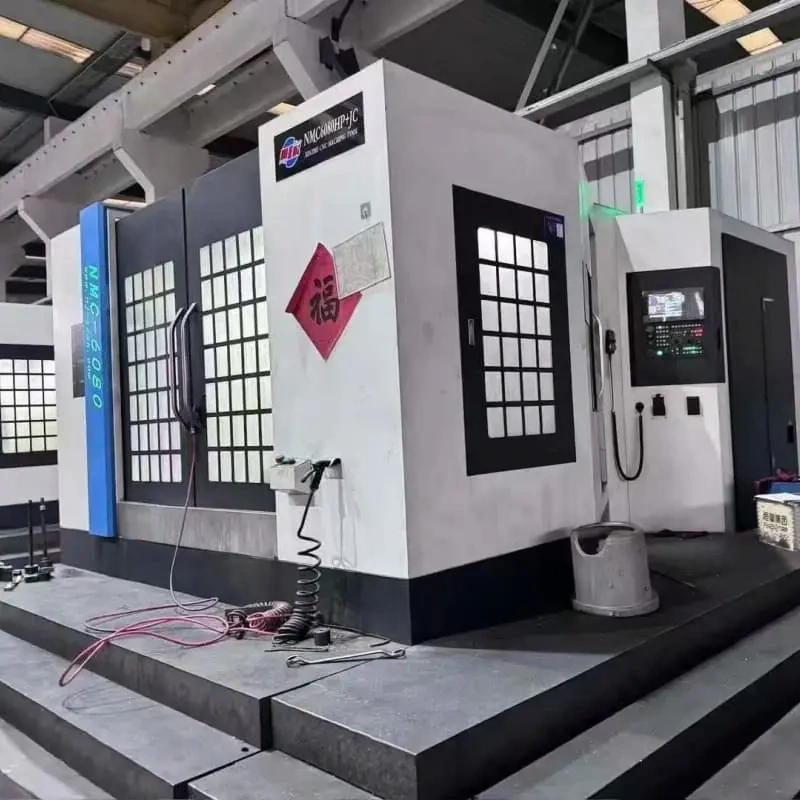
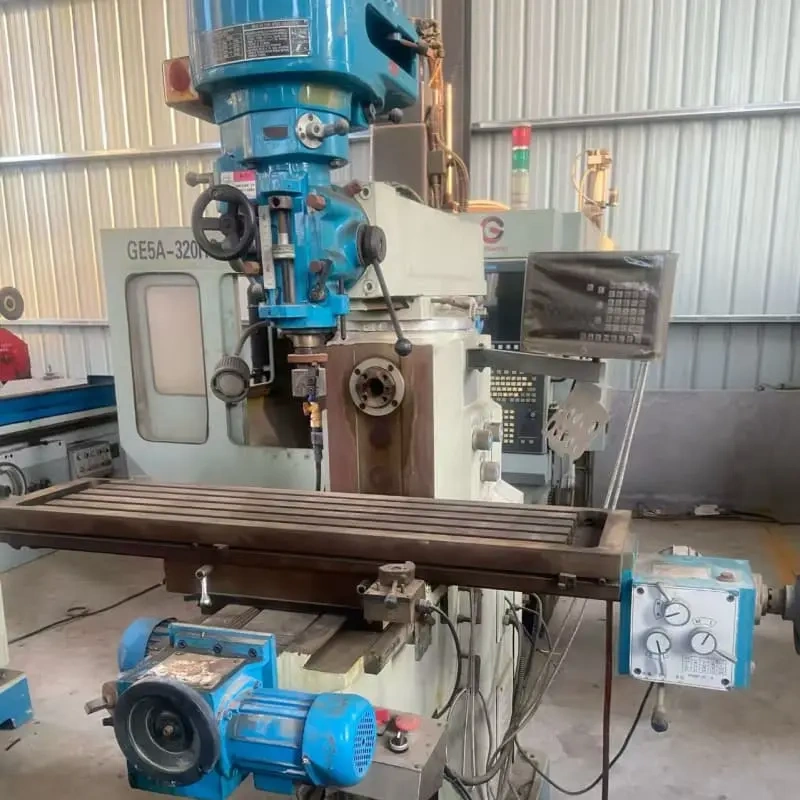
Every quarter we talk to buyers who open the conversation with the same sentence: “We need a CNC lathe, but CapEx is locked.” This is not an unusual sentence in mid-2026. Capital budgets have been tight for most small and medium manufacturers since 2024, interest rates have stayed higher than anyone hoped, and the capital budgets that do get approved tend to be reserved for compliance upgrades, automation retrofits, or ERP rollouts. The line item for a metalworking machine is the one that gets pushed down the list or sliced in half. That is the reality that is driving a measurable share of our overseas buyers into the used-equipment market, and it is the reason the question of how to vet a used CNC machine supplier has never been more important. A used CNC lathe or used milling machine is not a stretch goal when the new build is unaffordable. It is the practical answer. But the used market also concentrates risk in a way the new market does not. Two suppliers can quote you two CNC lathes at the same price, and the difference between those machines, in uptime and in unexpected repair bills over the next three years, will come down to the diligence you put into the vetting process before the wire transfer clears.
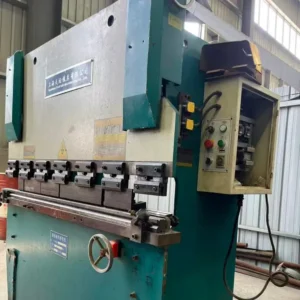
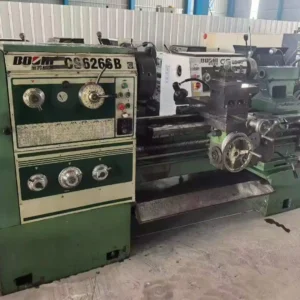
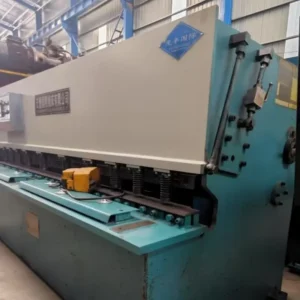
I want to lay out how we approach this internally, because the way an overseas buyer thinks about capital pressure and the way a used-equipment supplier thinks about it are not the same conversation. We are a used machinery supplier based in Liaocheng, Shandong, and we see how this market works from both sides. We sell used CNC lathes, used CNC milling machines, used press brakes and used shearing machines every month to buyers across Latin America, the Middle East, North Africa, Southeast Asia and Eastern Europe. What follows is a combination of what we have learned about matching capital constraints to machine specs, and what we tell our own customers to insist on when they cross-check any used CNC supplier, including ours.
How CapEx Pressure Changes What a “Sensible” Used Machine Actually Looks Like?
When the new machine budget vanishes, the typical shopping list for a CNC lathe shrinks in three places that matter. Buyers stop looking at premium brands they would have considered before (Okuma, Mazak, DMG MORI, Makino). They set a hard ceiling on the year of manufacture. They tighten the list of options they are willing to pay for (live tooling, sub-spindle, Y-axis, high-pressure coolant, automatic bar feeders). None of that is wrong, and it does not mean the buyer is making a bad purchase. It means the buyer is hunting in the most price-sensitive band of the used market, and that is exactly the band where supplier diligence matters most.
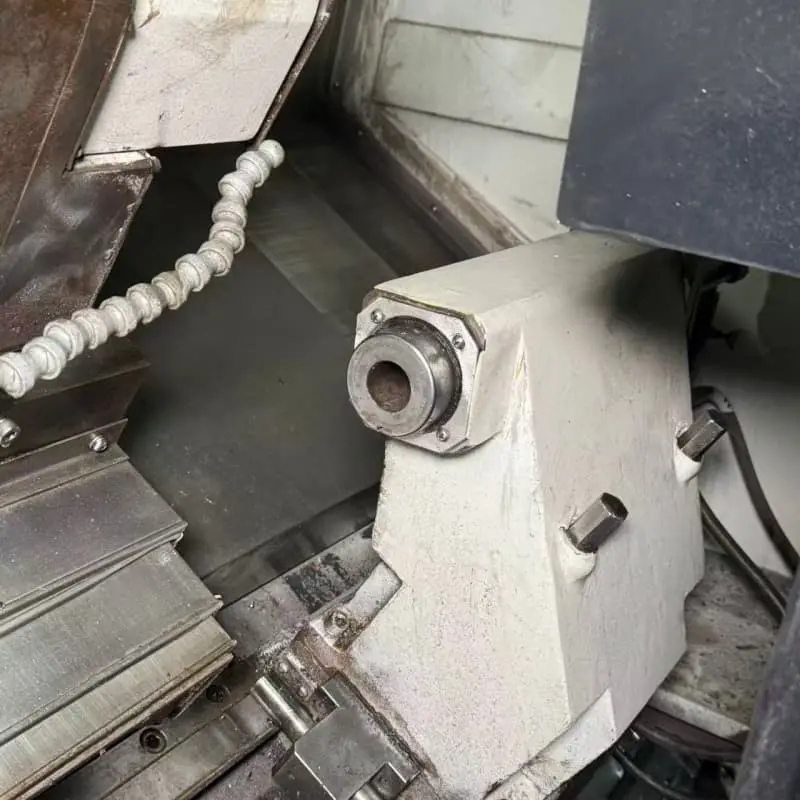
Let’s be honest about what that band actually contains. The market segment where most capital-constrained buyers land is used machines that are 6 to 12 years old, often with 8,000 to 20,000 spindle hours, often from shops that are upgrading to a 5-axis cell or moving to a new production line. Those machines are typically configured at the lower end of what the model offered (no live tooling, standard chuck, no sub-spindle, manual tool set on the older VMCs). The savings are real. A 3-axis VMC that listed new at $90,000 to $150,000 in 2022 will commonly trade on the used market for $25,000 to $40,000; a 5-axis machine that cost $350,000 new will commonly trade for $120,000 to $180,000. The discount varies by region, by condition and by brand, but the rule of thumb the industry keeps repeating is that used machines commonly sell for 30 to 60 percent of the new price, depending on age, hours, condition and brand reputation. That is the financial logic that makes used CNC equipment the dominant answer to a capital squeeze.
The Three Costs CapEx Buyers Forget to Budget
The reason budget-constrained buyers get into trouble is not the purchase price. It is the unbudgeted installation, retrofit and downtime costs that show up in the first six months of ownership. Anyone who has bought a used machine before knows this list. Anyone who has not should write it down:
- Rigging and freight: $2,000 to $25,000+ per machine, depending on size and origin. A 12-ton VMC coming out of northern China to a port in Mombasa is not the same number as a 3-ton lathe going to Bogota, but both have to be planned for.
- Electrical installation: $3,000 to $20,000+. Voltage conversion, transformer work, control panel upgrades if the machine was wired to a different standard than the destination site.
- Tooling and workholding: $5,000 to $50,000+. The previous owner almost never gives you their good chucks, collets and vises.
- Coolant and chip handling: $1,000 to $10,000+ for setup. Skimp here and you fight chip jams forever.
- Software and post-processors: $2,000 to $30,000+. CAM subscriptions, post-processor development for the specific control on the machine, and any control options that need to be licensed again.
- Operator training: $2,000 to $15,000+ per operator if the control (FANUC, Siemens, Heidenhain, Mazatrol) is new to your team.
- Maintenance reserve: 3% to 8% of machine value per year. This is the line item that catches people out. If you spent $35,000 on a used VMC, reserve $1,000 to $2,800 per year for maintenance, not nothing.
When you add all of that up, the working rule is that total installed cost runs 15% to 40% above the machine invoice for most industrial projects. A machine priced at $120,000 may need $138,000 to $168,000 before it is producing parts. That is the figure that should be driving your supplier selection, not the sticker price of the machine itself.
How the Brand Choice Affects the Long-Run Bill
If you have to make a hard trade-off under CapEx pressure, pick the brand where you can keep the machine alive for the next decade. That sounds counterintuitive when the budget is tight, but a cheap machine from an orphaned brand will burn you faster than a slightly more expensive machine from a brand with lifetime parts support and a deep third-party service network.
Look at what the established dealer networks and large users consistently recommend. Brands like Okuma and Mazak guarantee lifetime parts support for every machine they have manufactured. Older Mori Seiki machines, Fanuc-controlled Robodrills and Haas VF-series VMCs all have very deep aftermarket support because their volumes are high and their controls are mainstream. The other end of the spectrum is orphaned brands like Hitachi Seiki, which exited the machine tool business. For those, sourcing replacement spindles, drives or even control boards can become effectively impossible, which means the next major failure turns the machine into a parts donor. That is not what you want when you are trying to stretch a constrained capital budget across three years of production.
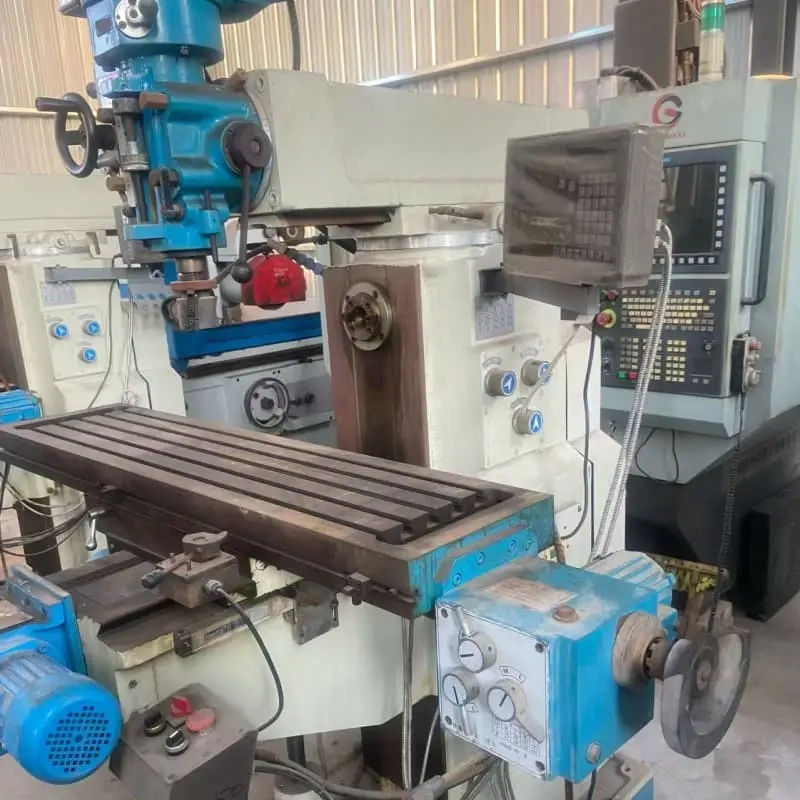
There is a second reason brand matters beyond parts: documentation. Established brands ship a complete parameter manual, a maintenance schedule, alarm histories (if you ask for them), and a standard wiring diagram set. Orphaned brands sometimes lack English or Spanish documentation in the version you bought, which means every service event costs you more in technician time.
A No-Nonsense Vetting Checklist for the Overseas Buyer?
The hardest part of buying a used machine is that you typically cannot be in person at the supplier’s yard when the machine is running. Most cross-border purchases happen with photos, a short video and a 30-minute video call. That is the moment to slow down. The supplier who is genuinely confident in their machine will not mind you asking for the things on this list, and the supplier who hesitates on more than two items is the supplier you cross off the list immediately.
| Vetting Step | What You Should Ask the Supplier To Provide | What You Should Do Yourself If You Can |
|---|---|---|
| Provenance | Original nameplate photo, factory serial number, year of manufacture | Cross-check the serial with the OEM’s parts portal |
| Mechanical history | Maintenance logbook, spindle rebuild records, ball-screw replacement history | Walk the guideways with the supplier’s technician on video |
| Spindle condition | Bearing test report, runout at the taper (less than 0.0002 in / 0.005 mm), vibration logs | Ask for a test-cut video at 70% of max RPM |
| Geometric accuracy | Ball-bar report or laser interferometer test, ideally within last 90 days | Compare to your tolerance; confirm warm-up behavior |
| Control and electrical | Parameter backup file, alarm history export, control version ID | Verify control options are licensed to the serial number |
| Live test cut | Sample part video showing dimensional inspection with calipers | Specify a test part that resembles your production |
| Service and warranty | Written warranty term (90 days minimum), post-delivery support contact | Confirm a real human answers email in your time zone |
| Shipping | Export packing photo, container loading video, fumigation certificate | Verify Incoterms (CIF vs FOB vs EXW) and who pays what |
| Commercial structure | Proforma invoice, certificate of origin, customs HS code | Confirm payment terms; never wire 100% upfront |
Any legitimate supplier can produce documentation for at least the first six rows. If they cannot, the cost of due diligence has just gone up by an order of magnitude, and you should walk away. We have seen buyers lose more money on a “good deal” used VMC that turned out to have a spindle with 0.0007 in runout than they would have lost paying $8,000 more for a documented machine from a brand with strong dealer support.
What the Inspection Video Should Contain
If the supplier cannot host you in person (and most overseas suppliers cannot), the inspection video is your only window into the machine. Brief the supplier on exactly what you need to see and accept no substitutions:
- Nameplate close-up showing the serial number and year of manufacture.
- Cold-start sequence: power on, hydraulic pump running, control booting without alarms.
- Warm-up run: 10 minutes minimum, ideally 30, with all three axes moving through full travel.
- Spindle at multiple RPM bands: 500, 1,500, 3,000 and max RPM. Listen for changes. Watch for vibration.
- Tool change cycle through all turret or magazine stations.
- Coolant pump running, chip conveyor running in both directions.
- Test cut on a material that resembles your shop’s work, with caliper measurements shown on the finished piece.
- Control screen showing the parameters used during the test cut.
If the supplier sends you a 3-minute video of a clean machine powered off, that is not an inspection video – that is a marketing video. Ask for the uncut sequence.
Why a Written Warranty Matters More Than You Think
A 90-day written warranty on a used CNC machine is short. The supplier offering it knows it is short. What that short window tells you is whether the supplier is willing to be on the hook for the failures that present in the first weeks of operation – the ones that would otherwise cost you a service call, an unscheduled spindle rebuild, or a control board replacement. Suppliers who refuse any warranty will, in our experience, refuse to make those calls too, and the buyer eats the cost.
A reputable used machinery dealer will write at least 90 days on mechanical components and 30 days on electrical. A factory-authorized refurbishment center (the OEM’s own used-equipment arm) will write longer. Ask what is and is not covered, ask for the warranty terms in writing, and ask for the contact information of the warranty administrator before you wire any money.
Matching the Machine to the Real Budget, Not the Wish List?
Once the supplier vetting has cleared, the second hardest decision is matching the machine to the production you actually have, not the production you wish you had. CapEx pressure forces this conversation early, which is good, because it kills the “stretch buy” before it happens. The stretching-buy is what happens when a buyer with a 2-axis lathe budget looks at a multi-axis mill-turn and convinces themselves the productivity gain will pay for the option set. Sometimes it does. Usually it does not, and the spare controller option, unused Y-axis, or idle high-pressure coolant package becomes dead cost sitting on a machine for three years.
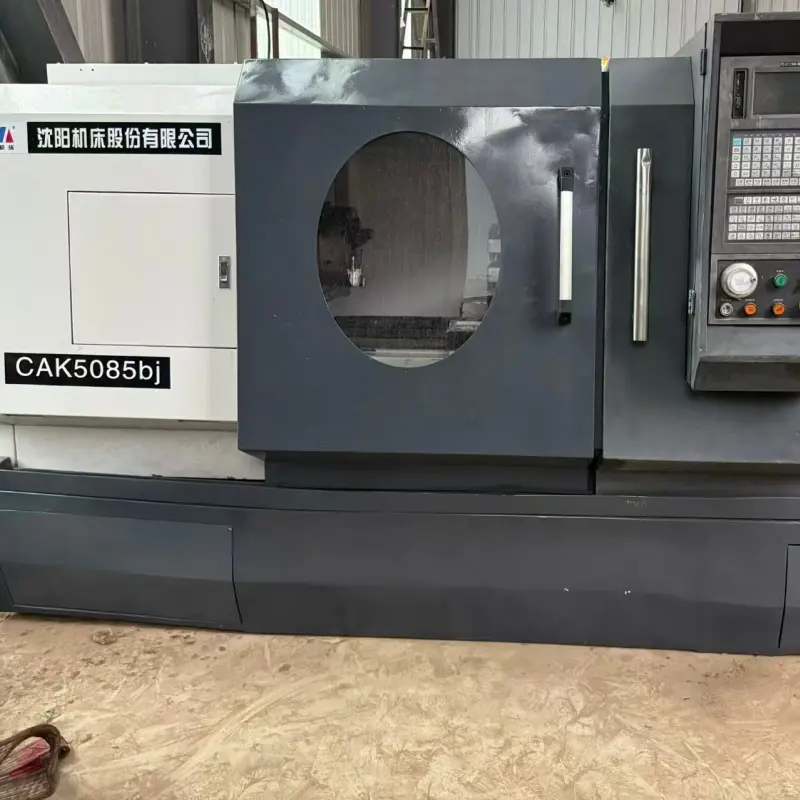
Here is the matching logic I would use on a tight budget. For shafts, bushings, couplings and simple turned parts, a 2-axis slant-bed CNC lathe at the $18,000 to $60,000 used band is the right answer, and the priority is spindle condition, chuck size, and turret station count. For prismatic parts, brackets and small mold work, a 3-axis VMC at the $25,000 to $65,000 used band is the right answer, and the priority is table size, tool magazine capacity, and the controller (FANUC and Haas dominate the used market and have the cheapest service). For multi-face parts or higher-volume production, a used horizontal machining center in the $40,000 to $150,000 used band is the answer. Anything that needs complex geometry in one setup is a 5-axis machine in the $75,000 to $300,000 used band, and CapEx pressure usually pushes buyers out of this segment entirely, which is the correct trade-off for a first-time 5-axis buyer.
Workholding, Tooling and the Per-Part Real Cost
The other trap is buying the machine but under-buying the workholding. A used VMC without a proper vise set, a used lathe without a decent chuck set, and a used press brake without the right tool set will produce parts that cost more per piece than outsourcing. Budget $5,000 to $25,000 for the workholding at acquisition time if your part mix is heterogeneous, and another $5,000 to $50,000 for cutting tools and inserts based on your material and tolerance requirements. This is the line item that experienced shops always include and first-time buyers always forget.
Resale Value Is the Hidden Hedge Against CapEx Risk
The last thing worth knowing is that a used machine from a strong brand holds its resale value far better than a used machine from a weak brand. If your capital situation changes again in two years, the machine you buy today is itself a partial hedge against the next CapEx cycle. A late-model Haas VF-2 or a late-model Mazak QT-200 will find a buyer within weeks; an orphaned brand or an unusual configuration will take months and a much lower offer. That makes the brand choice not just an availability question but a financial question. We always tell our customers to assume they will sell the machine again someday, and to buy the machine that someone else will also want to buy.
Closing Thoughts From the Shop Floor
Budget pressure is real, but it is not a reason to abandon diligence. The used CNC market in 2026 has more inventory than it has had in years, which means the negotiating leverage sits with the buyer. Use that leverage to push for the documentation and the warranty, not to push for a lower sticker price. The supplier willing to produce documentation and stand behind a 90-day warranty is also, almost always, the supplier willing to answer the 2 a.m. email when the machine alarms out in the third week. The cheapest quote rarely comes from that supplier. The best quote usually does.
If you have read this far, you probably already know what you want to buy. Send us the part profile, the tolerance, the material and the destination port and we will send back a short list of machines we actually have, with photos, video and a written quotation. We will not bury the warranty terms in fine print. We will not pad the line items. The cheapest deal is not the one we are trying to win.