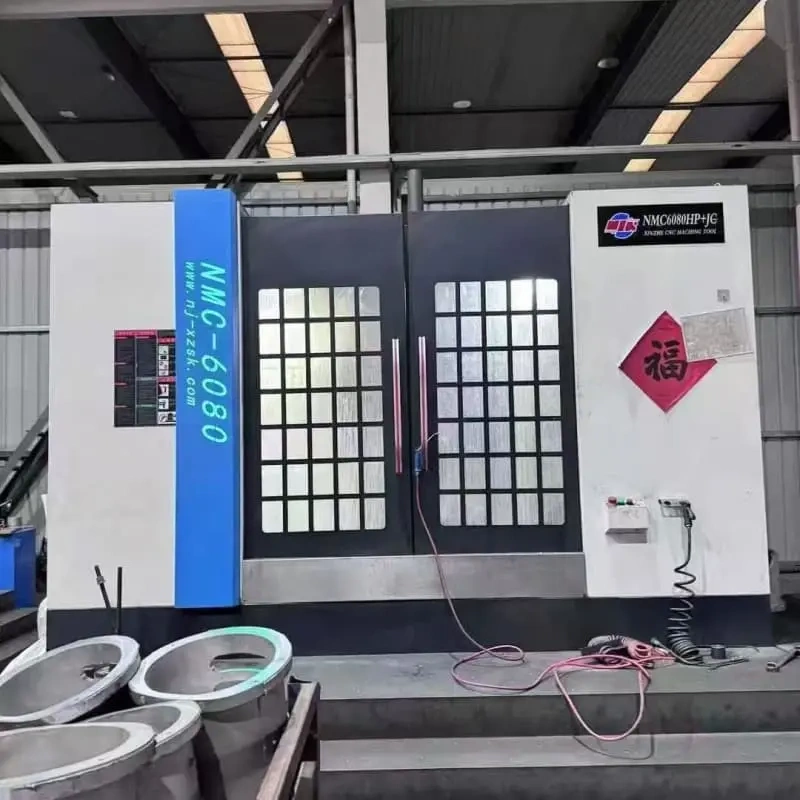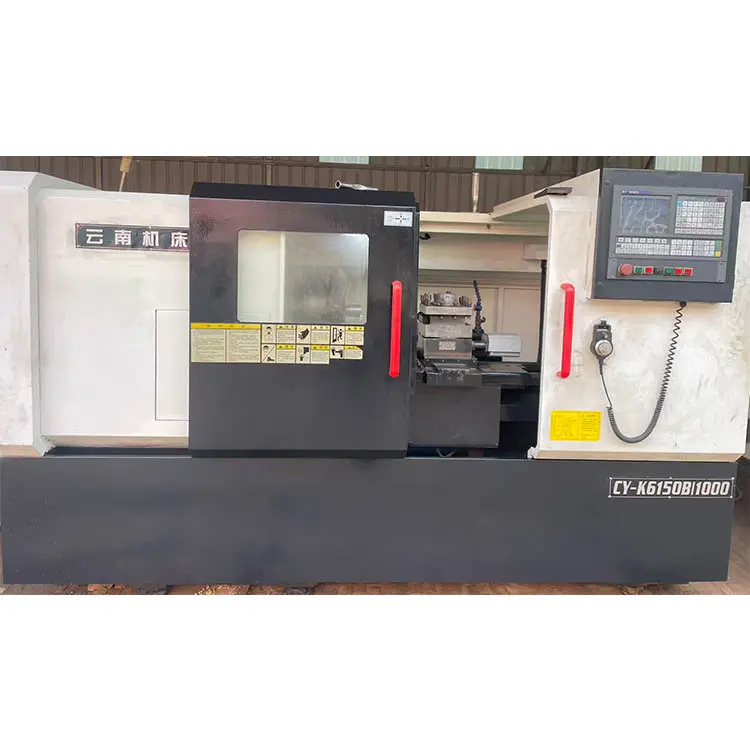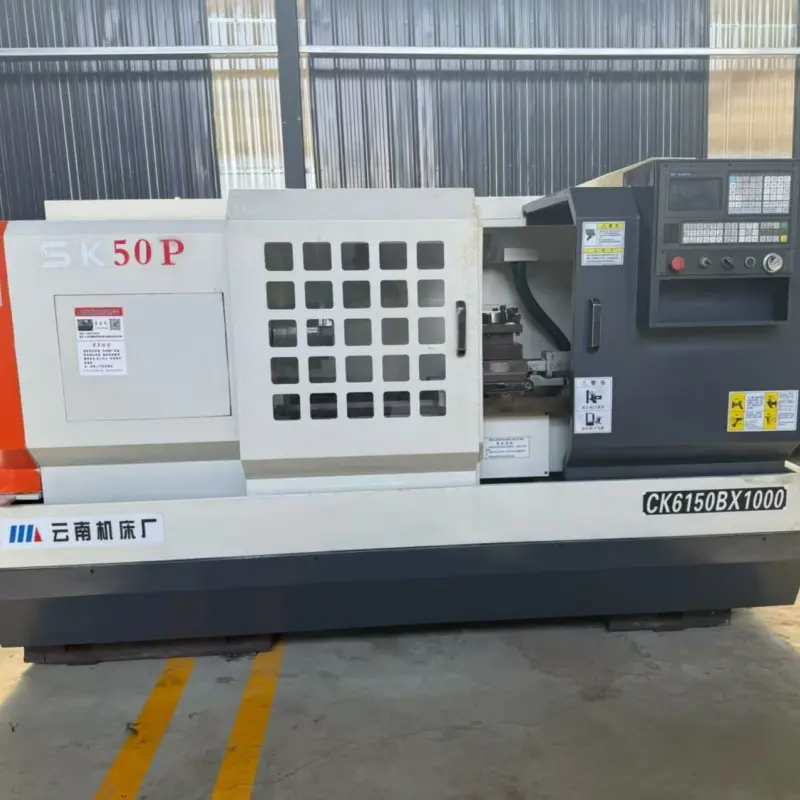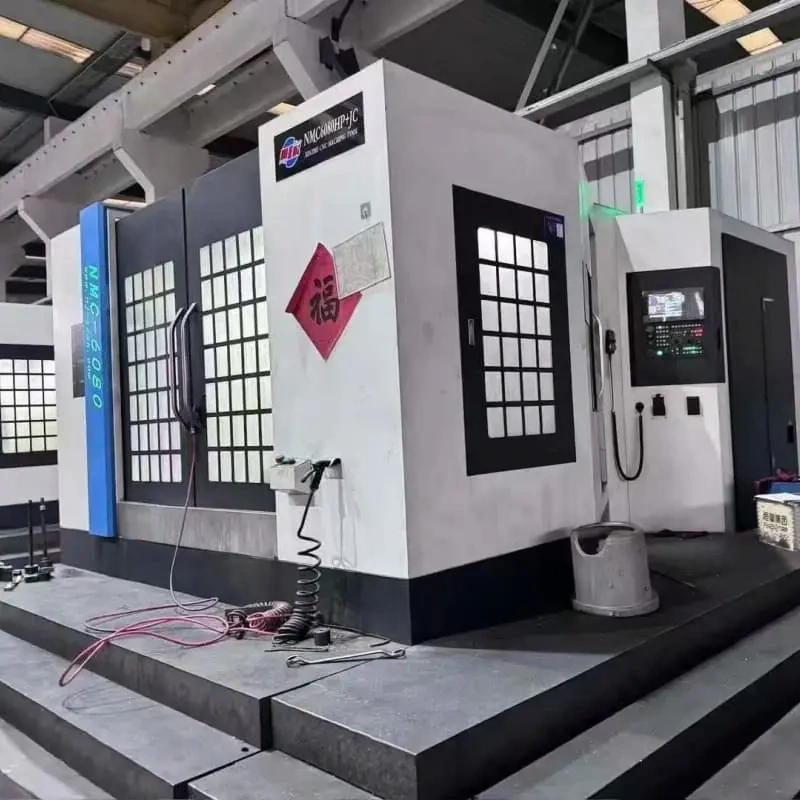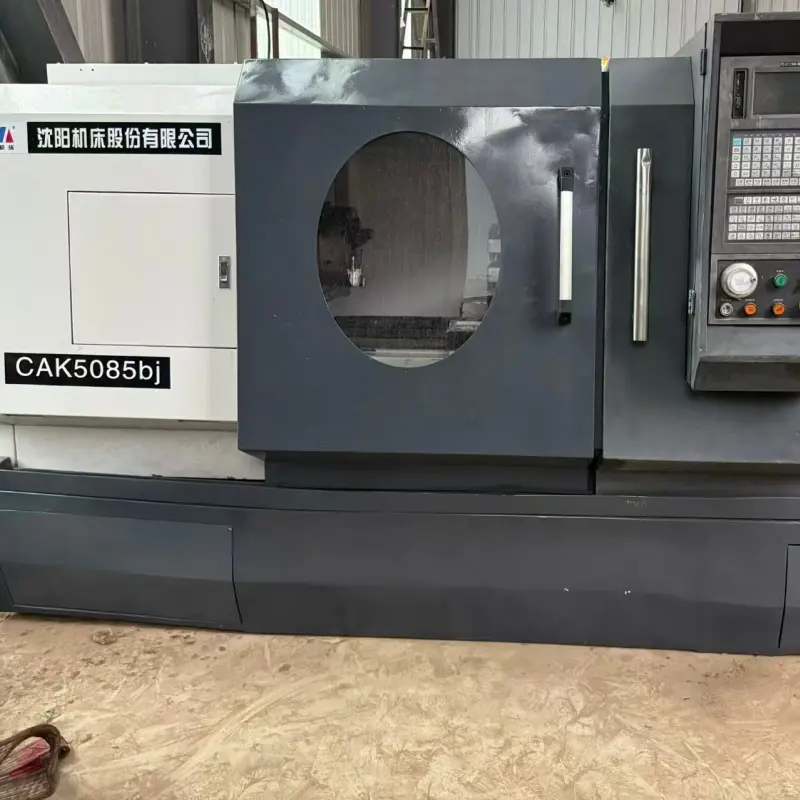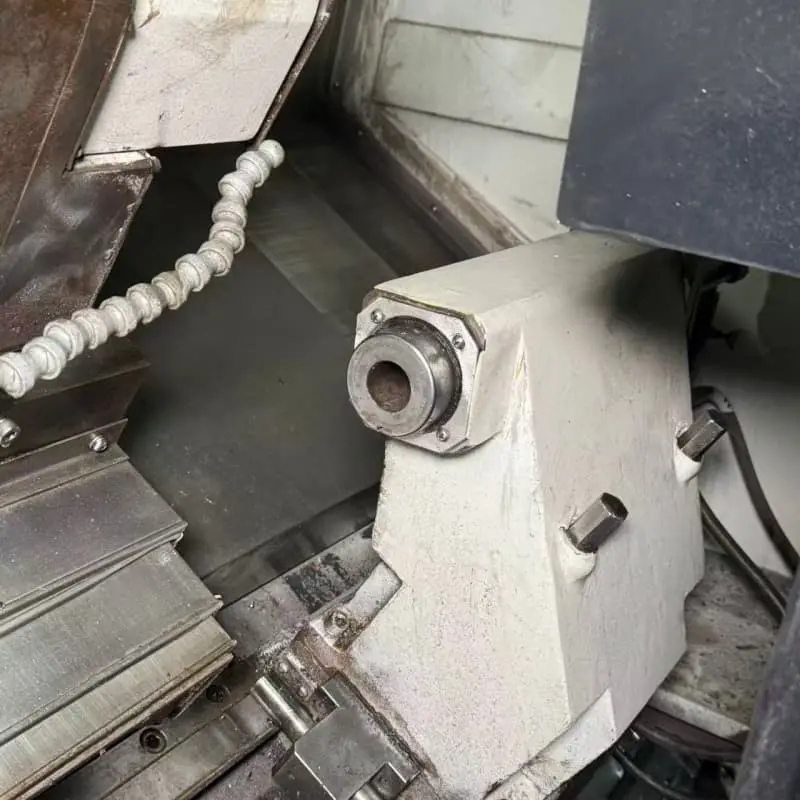
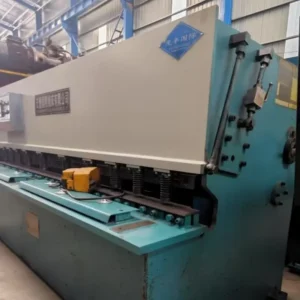
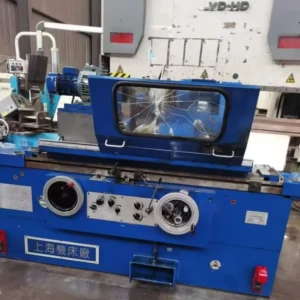
There is a specific kind of phone call I get several times a month, and it always starts the same way. A workshop owner in Vietnam, Egypt or Colombia has just won a contract that is bigger than their current floor can handle. They need one more machining center, or two more lathes, within a quarter. The order is real, the deposit is real, and the delivery date is fixed. And then the conversation turns to the new machine they had been planning to buy, and the numbers stop working, because the machine is not available until next spring.
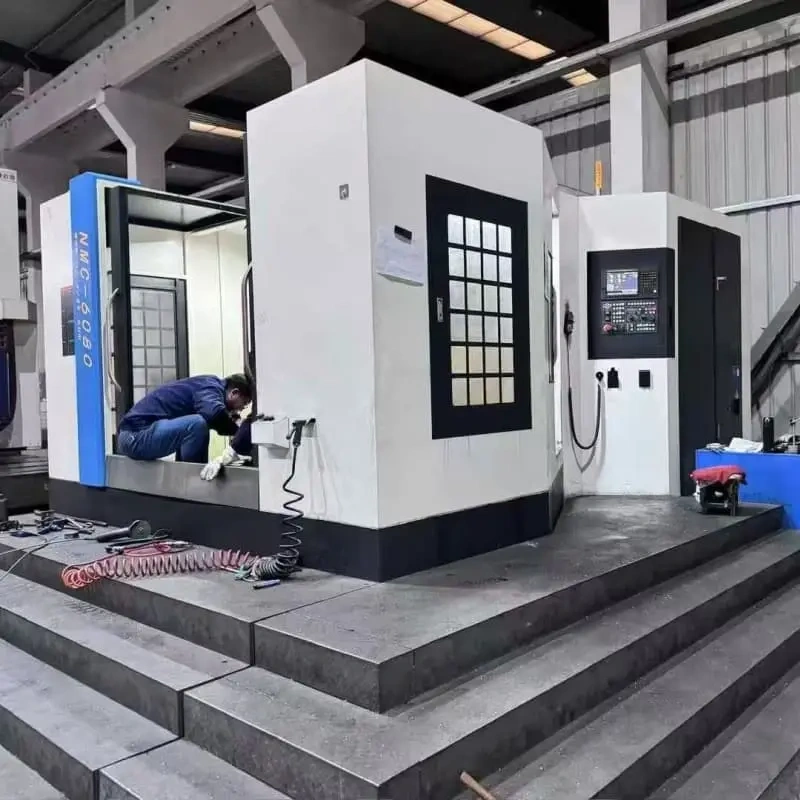
This is the defining capacity problem of 2026, and it is not a cost problem first. It is a timing problem. When we talk to overseas buyers about scaling workshop capacity quickly, the factor that decides whether they capture an order or lose it is almost never the sticker price of the machine. It is how many weeks pass between the purchase order and the first good part coming off the spindle. Pre-owned machine tools have become strategically valuable in this environment not because they are cheap, but because they are available. That distinction matters, and it is the one I want to unpack here.
Why Does Capacity Expansion Suddenly Feel Urgent in 2026?
The lead-time picture in 2026 is genuinely worse than most buyers expect, and it is worse across every producing region at once. Let me put the numbers side by side, because the pattern only becomes obvious when you see them together.
| Machine Class | Region | 2026 Lead Time | Change From Prior Cycle |
|---|---|---|---|
| 5-axis HMC (tier-1 specs) | Japan (Mazak, Okuma, DMG Mori) | 10–14 months | Extended on strong tier-1 demand |
| 5-axis gantry / rail | Germany (Union Chiron, Heller, EMAG) | 12–18 months | Longest in the market |
| Standard 3-axis VMC | China | 90–150 days | Up from 30–45 days pre-2024 |
| General CNC, export orders | China (reported at Tianjin expo) | 14–18 weeks | Up from 12 weeks in Dec 2025 |
| Customized high-end models | China | 4–6 months | Order books full through the period |
The reasons behind these numbers are structural rather than temporary. Global supply chains are still constrained on servo motors and high-precision linear encoders. Domestic production lines in the main producing country are running at full capacity. And demand itself has changed shape: emerging sectors like humanoid robotics and new energy vehicles have pushed order backlogs deep into the calendar, with some manufacturers reporting order volumes up roughly 30 percent year on year and backlogs extending for months.
Writing about lead times in the abstract does not capture what they do to a business. A 14-month wait for a 5-axis machine is not a delay in a schedule; it is a lost contract, because the customer with the urgent order will place it with whoever can cut metal first. In our own conversations, buyers who planned a new-machine purchase in the first quarter of 2026 and finally gave up on it in the second quarter are the buyers now driving pre-owned demand. They did not become price-sensitive. They became time-sensitive, and pre-owned equipment was the only route to capacity they could actually schedule.
What the Delivery Cycle Does to Cash Flow
There is a second-order effect that gets less attention. Long lead times do not just delay production; they lock up capital. A buyer who places a deposit on a new machine today has committed cash that produces nothing until delivery, and the remaining balance falls due exactly when the machine arrives, often in the same quarter as installation, tooling, training and the first material orders. That stacking of outflows is what breaks cash flow for smaller workshops.
Pre-owned machines compress the whole sequence. Because they are physical, in-stock assets rather than future production slots, the deposit, the shipping, the customs clearance and the commissioning all happen within a single working cycle rather than across four fiscal quarters. For a workshop that is growing faster than its balance sheet, that compression is worth more than the discount itself.
What Does a Pre-Owned Machine Actually Cost You Versus Waiting?
Let me be honest about the trade-off, because the argument for pre-owned does not rest on price alone, and pretending otherwise would waste your time. What pre-owned equipment buys you is time-to-capacity, and the financial case for it depends on what that time is worth to your order book.
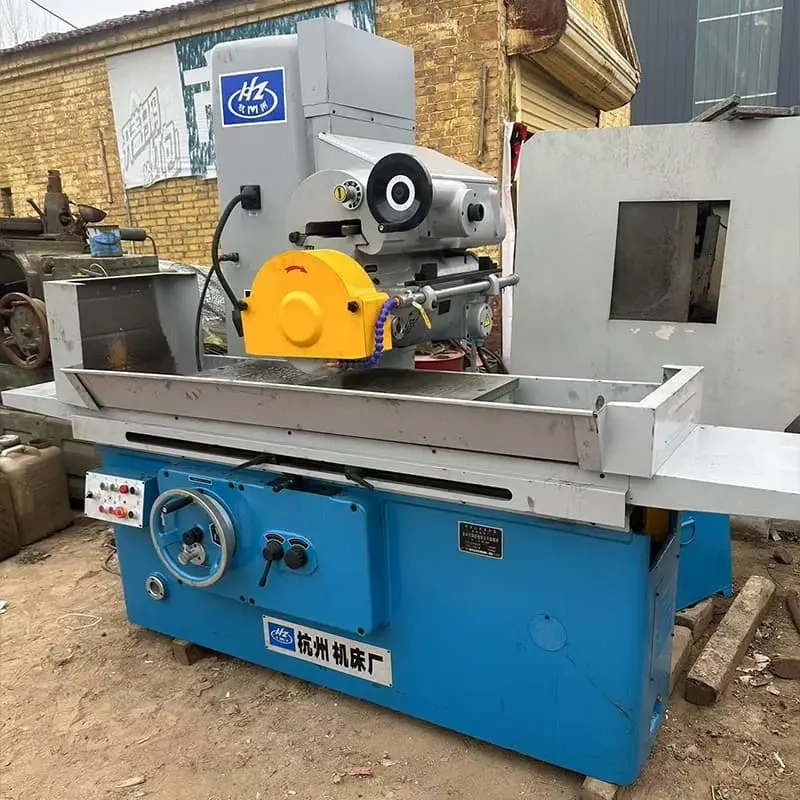
The cost side of the equation is well documented. Well-conditioned pre-owned and refurbished machines typically transact at 30 to 50 percent of the equivalent new price, with larger equipment sometimes reaching savings beyond 60 percent. In export terms, the whole category has been growing fast for exactly this reason: Chinese used machine tool exports reached 87,000 units in 2025, up 22 percent year on year, with a value of about 4.2 billion US dollars, up 28 percent. Southeast Asia and Africa accounted for roughly 73 percent of that volume, and the leading destinations were Vietnam, Indonesia and South Africa. The equipment mix tells its own story about what buyers actually need: ordinary lathes at about 42 percent share, vertical machining centers at about 35 percent. And the market share of used equipment in the relevant export markets moved from 18 percent in 2020 to 32 percent by 2025, on a reputation for being durable, low-cost and easy to maintain.
The payback side is where the comparison gets interesting:
| Metric | Refurbished / Pre-Owned | New Machine |
|---|---|---|
| Purchase cost vs new | 25–50% of new (up to 60% savings on large units) | 100% |
| Payback period | 3–8 months typical | 12–24 months |
| Time from order to production | Days to a few weeks (in stock, pre-commissioned) | 3–18 months depending on class and origin |
| On-site adaptation | Low — often reuses existing foundations and services | High — new foundation, piping and electrical work |
| Productivity uplift vs replacing an older unit | 30–70% | 70–90% |
| Documentation and training carryover | Operators often already know the control family | New control, new training cycle |
A worked example makes the timing value concrete. One documented capacity-expansion case involved a manufacturer that needed additional capacity within three months. A new imported machine of the same class cost about 12.8 million yuan with a lead time of six months or more. The alternative was a pre-owned large gantry machining center with low hours and complete maintenance records, which arrived with a 300-plus-point inspection report, positioning accuracy verified at ±0.005 mm and spindle runout at or below 0.003 mm. The result was a 40 percent capacity increase, direct procurement savings of roughly 9 million yuan, a payback period of about eight months, and a good-part rate of 99.5 percent.
There is a second case that speaks to smaller workshops. A precision machining studio with limited start-up capital bought a four-year-old DMG MORI machining center for 420,000 yuan against a new price of 850,000 yuan — a saving of just over 50 percent. The machine let the studio take on work immediately, and it reached a profit cycle within six months, roughly three months earlier than the new-machine route would have allowed. That three months is the whole point. It is not a rounding error; it is the difference between a workshop that compounds and one that waits.
The Right Mix Depends on What You Are Scaling For
The most useful strategic question is not “used or new” but “used for which process, new for which process.” In practice, the buyers who scale most successfully in 2026 do not pick one answer. They allocate.
Small workshops with tight budgets and urgent production needs lean heavily toward pre-owned, sometimes close to 100 percent, because every month of delay is a month without revenue. Mid-sized factories doing auto parts, hardware or general mold work tend toward a hybrid: about 30 percent new machines for finishing and high-precision batch work, plus about 70 percent pre-owned machines for roughing and standard-part production. Larger factories supporting new energy programs separate the two entirely: new machines carry precision and traceability requirements for structural parts, while pre-owned machines absorb roughing, fixture work and temporary capacity peaks. The logic is consistent across all three: reserve the expensive, long-lead equipment for the work that genuinely requires it, and put pre-owned equipment where the tolerance and traceability demands are ordinary.
How Do You Deploy Pre-Owned Capacity Without Inheriting Someone Else’s Problems?
This is where most capacity-expansion plans fail, and the failure mode is boringly predictable. The machine arrives, it is functionally capable, and then it sits because the supplier never provided installation and commissioning, or the spindle develops a fault in week six and there is no warranty to call on.
The industry data on this is unflattering. Surveys of pre-owned machine tool buyers put the cognitive deviation rate between what buyers believed about machine condition and the actual state at around 15 percent. Of that, about 60 percent traces back to opaque maintenance history on core components, and about 35 percent involves errors in estimating remaining service life beyond 20 percent. The resulting transaction dispute rate sits at around 3.2 percent. Separately, only about 32 percent of pre-owned suppliers provide installation and commissioning, only about 18 percent provide maintenance services, and only about 10 percent offer control-system upgrades. Customer churn caused by weak after-sales support reached 12 percent, roughly eight percentage points higher than suppliers offering full-lifecycle service. And on the compliance side, equipment with ownership disputes represented about 1.7 percent of total transaction volume, with mortgaged equipment forming roughly 55 percent of those cases.
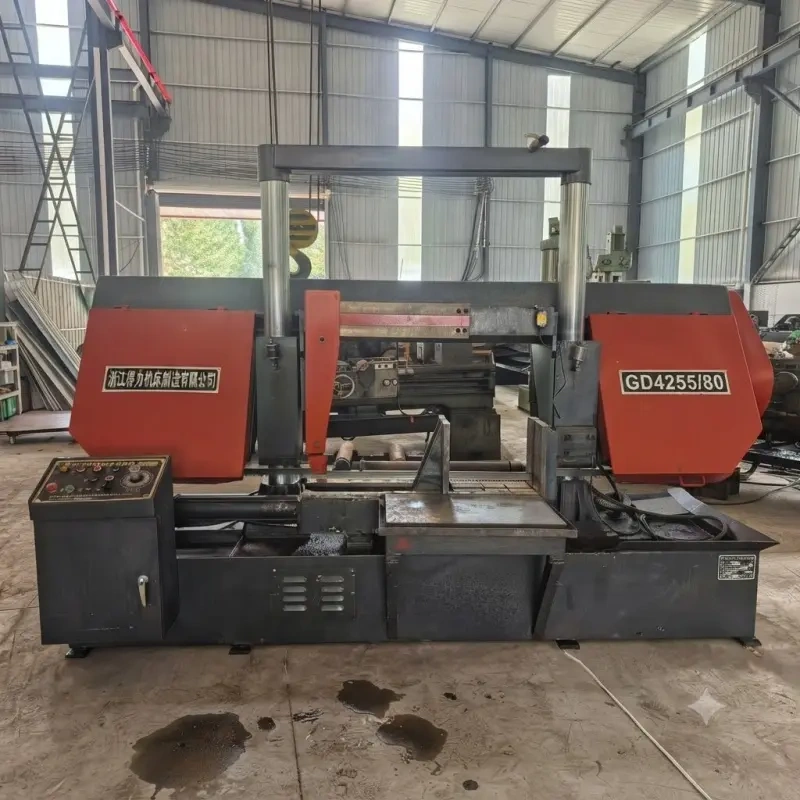
The practical conclusion is that when you buy pre-owned capacity, you are not buying a machine. You are buying an inspection report, a service commitment and a supply chain for spares. Here is the checklist I would insist on before committing, in order of how often each item goes wrong:
| Item | What It Looks Like When Done Properly | Warning Sign |
|---|---|---|
| Condition report | Documented multi-point inspection with measured geometry, spindle runout and positioning accuracy values | A verbal “checked and in good condition” with no measurements |
| Test run evidence | Video of the machine under load, cutting a part to tolerance, with measurements shown | Photos of a clean, powered-off machine |
| Provenance | Original nameplate, serial number and year matching the documentation; no mortgaged or disputed title | Serial number that does not match the machine’s history |
| Maintenance history | Spindle rebuilds, ball screw and guide replacement, alarm history export | No records at all, or records only for cosmetics |
| Commissioning scope | Installation and commissioning included in the quotation, with a named technician responsible | “You can hire a local technician” as the only answer |
| Spare parts availability | Confirmed access to bearings, guides, seals, drives and control components for the model | An orphaned brand with no OEM support and no aftermarket depth |
| Warranty | Written terms and periods for mechanical, electrical and control components | Warranty discussed only verbally and never put in the contract |
| Control support | A control family with a broad service network and available parameter backups | Proprietary control with no backup and no third-party servicing |
Two of those items deserve extra emphasis because they cause the most expensive surprises. The first is spare parts access. The core castings of mainstream machine tools last decades, and quality pre-owned units routinely deliver years of stable service — but only if the parts ecosystem around them still exists. A machine from a brand with an active service network and broad aftermarket coverage is a very different asset from an identical-looking machine from a manufacturer that no longer supports its products. The second is control-system support. The parameter backup file is the difference between a two-day fix and a week-long rebuild, and it costs nothing to ask for at purchase time.
Why Installation and Commissioning Should Be a Deal Breaker
I keep returning to this point because it is where the savings quietly disappear. A pre-owned machine that arrives without commissioning support is a project, not an asset. Someone has to level it, connect it, verify the geometry, restore the parameters, run the first test cuts and train the operator. If your team has done it before, fine. If not, the machine can sit for weeks while you find someone qualified, and those weeks are exactly what you were trying to avoid by buying pre-owned in the first place.
The suppliers worth working with treat commissioning as part of the product. In the case I mentioned earlier, the supplier completed debugging on-site within a day, which is what made the one-week path to production possible. That is the standard to ask for: a named scope of work, a named responsible technician, and a schedule. If a supplier cannot describe what their commissioning covers, they are not selling capacity. They are selling a crate.
From Order Board to Shop Floor: A Pragmatic Playbook
If you are facing a capacity gap that has to close this quarter, here is the sequence I would follow, and it is the same sequence regardless of whether you buy from us.
Start by defining the first part, not the first machine. Write down the part family, the tolerance band, the material, the monthly volume and the cycle time you need to hit. That specification decides the machine class, and it protects you from buying capability you will never use or from buying so little that you need a second machine within the year.
Then price the gap honestly, including the queue. Compare the true landed cost and the true time-to-capacity for the new route and the pre-owned route side by side, with installation, tooling, training, freight and customs in both columns. The new machine frequently loses on the second column even when it wins on the first.
Then insist on evidence and commissioning before money moves. Inspection measurements, a load test video, documented provenance, confirmed spare parts access, and a written commissioning scope with a warranty term. Any one of those missing is a reason to slow down, and two missing is a reason to walk.
Finally, plan the ramp. A pre-owned machine placed next to an existing one can usually be brought up on the parts you already run, which keeps the learning curve short and the quality risk contained. That is the practical advantage of not changing control families at the same moment you are changing capacity. Continuity of method is a real asset, and it is one of the underrated reasons pre-owned capacity expansion succeeds where new-machine expansion struggles.
The strategic value of pre-owned machine tools in 2026 is not that they are second-hand. It is that they are available, they are documented when you insist on it, and they put productive capacity on your floor in weeks instead of quarters. In a market where the constraint is time rather than capital, that is the difference between winning an order and watching someone else win it.
If you are planning a capacity expansion and want to talk through which machine class actually fits your part family, send us the part profile, the tolerance, the material and your destination port. We will come back with what we actually have in stock, with photographs, inspection data and a written quotation — and we will tell you plainly when a new machine is the better answer, because a buyer who trusts the advice comes back for the second machine.