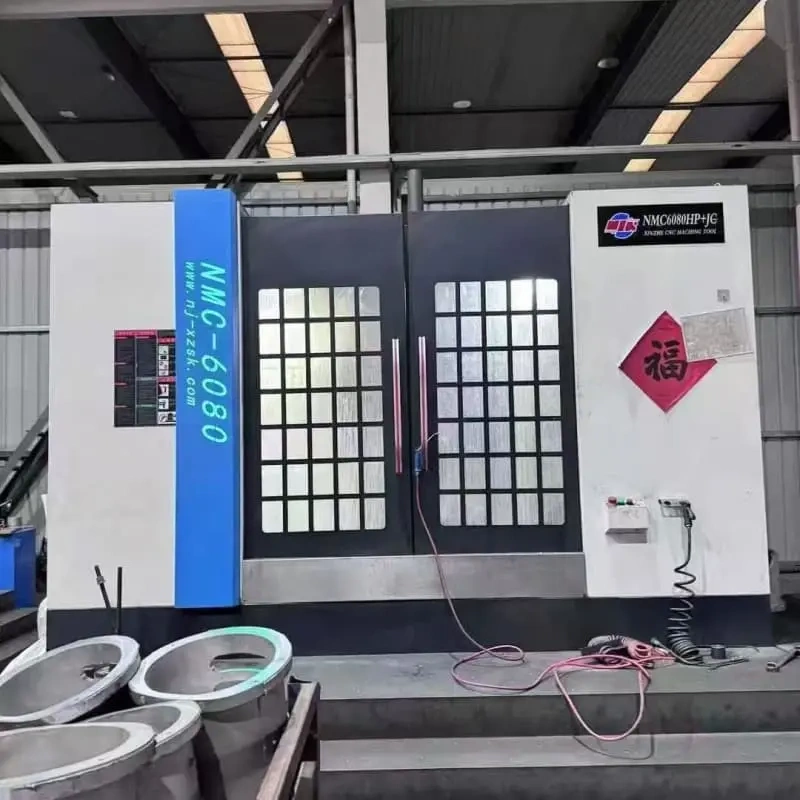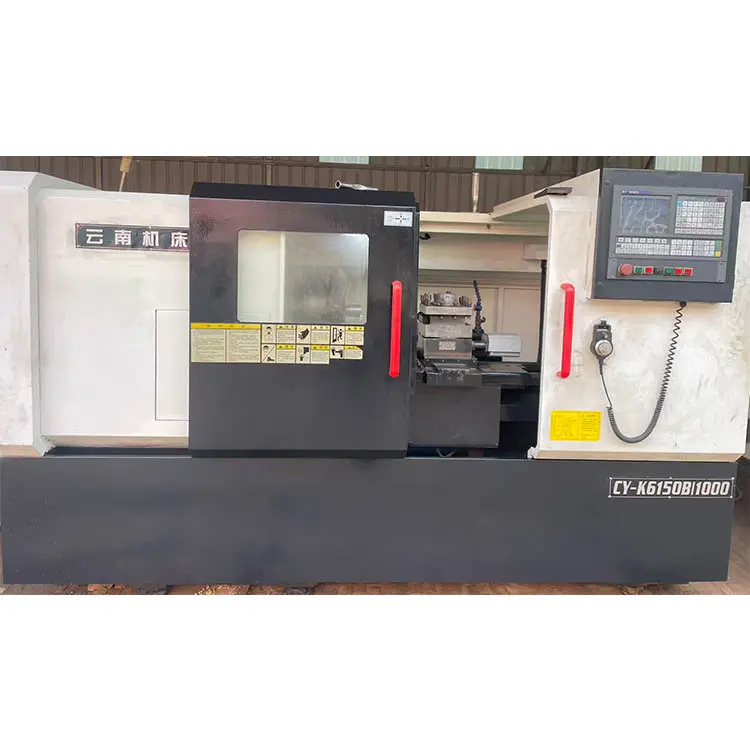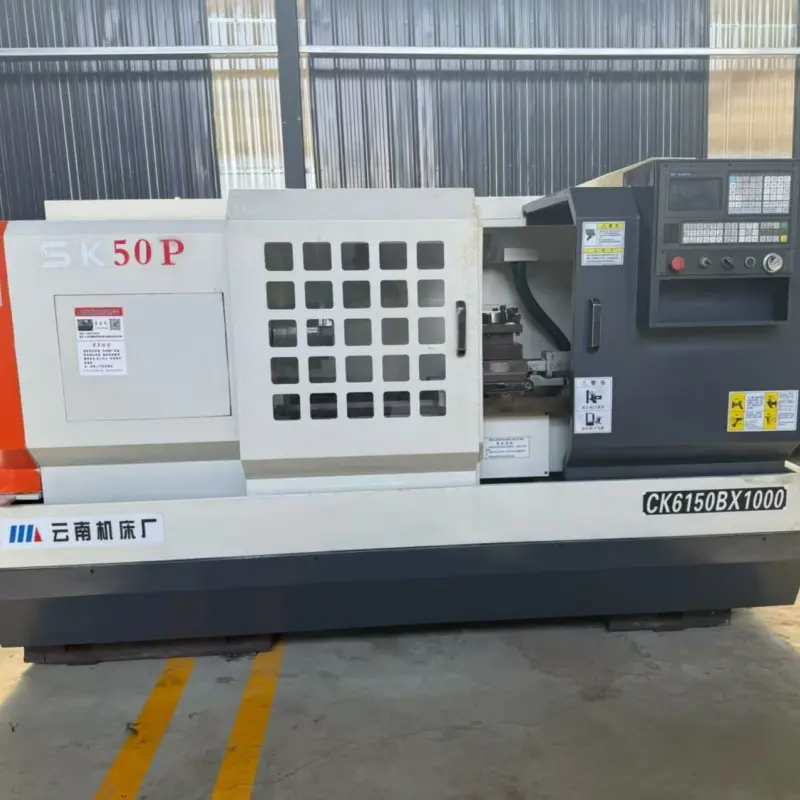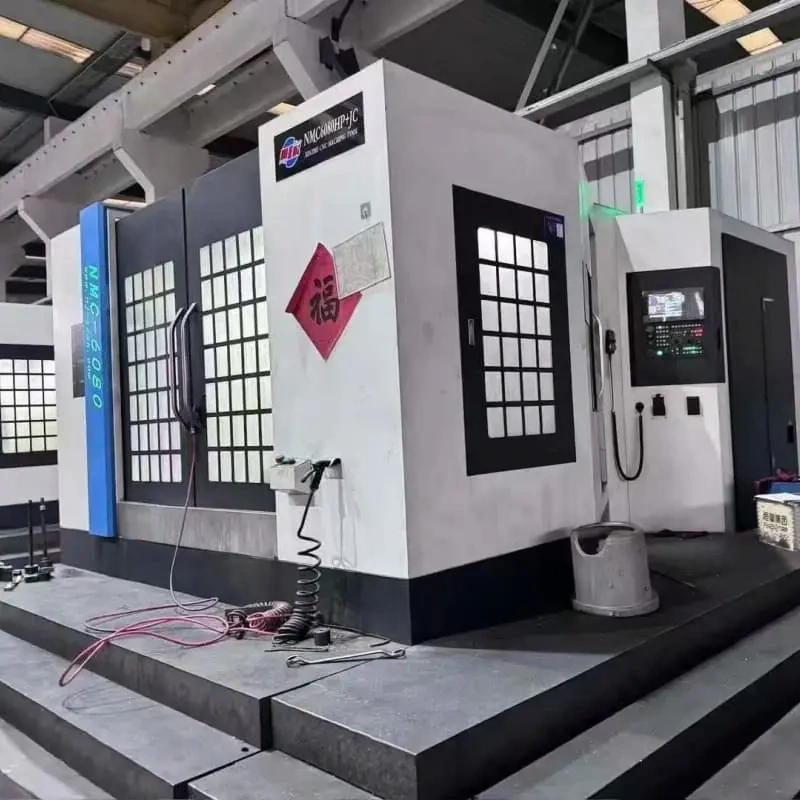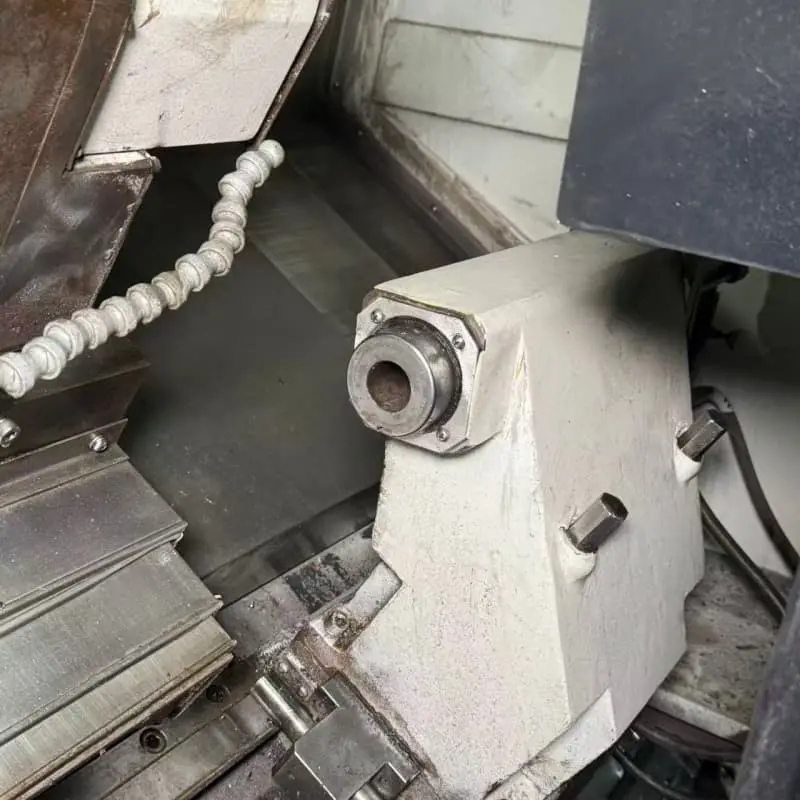
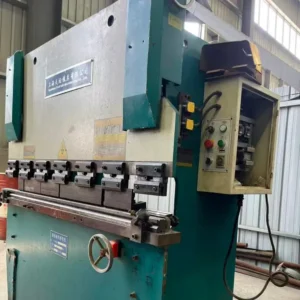
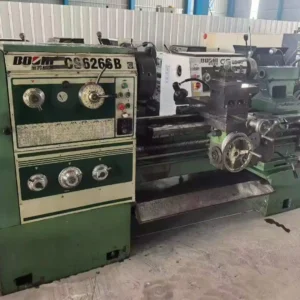
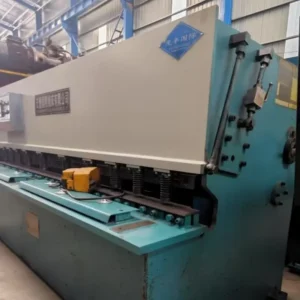
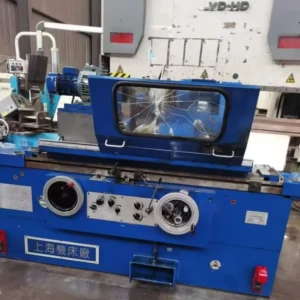
Buying used metalworking machinery can cut your capital spend by 30% to 60%, but one wrong machine can idle your line for weeks. In our Liaocheng stockyard we have learned that risk is rarely in the year of manufacture — it is almost always in the details a buyer did not verify before the invoice was paid.
You can buy used metalworking machinery without increasing production risk by matching the machine to your application, inspecting it under power, reviewing maintenance records, confirming control and spare-part support, and budgeting for freight, rigging, and commissioning. The cheapest listing is almost never the lowest-risk choice.
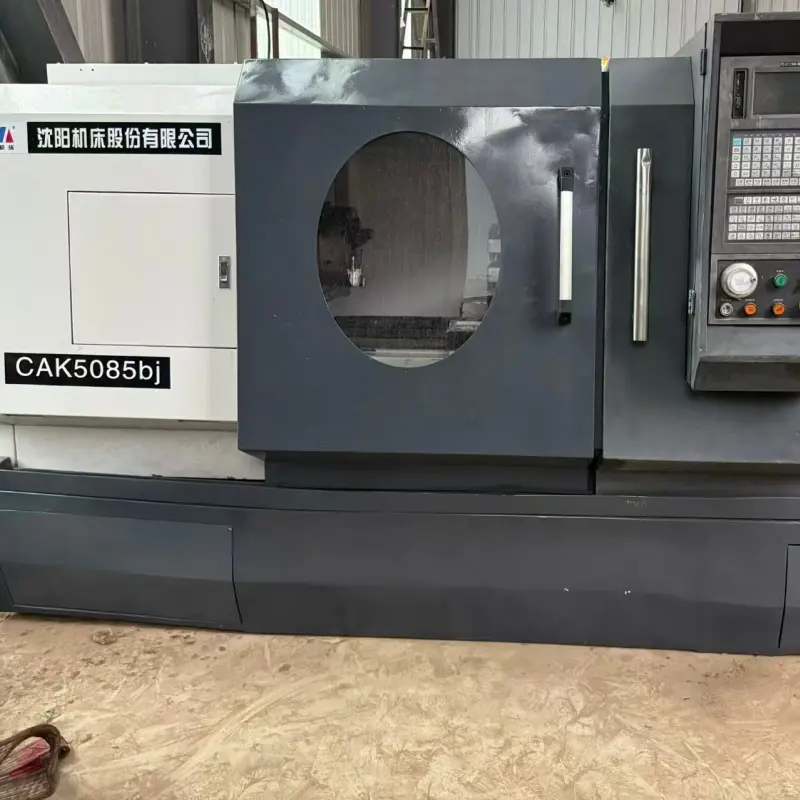
Most of the overseas buyers we serve — machinery importers in Vietnam and Saudi Arabia, distributors in Mexico, maintenance contractors in Pakistan — start with the same question: how do we know the machine will not become a production problem? They are right to ask. A used CNC lathe, press brake, or shearing machine can arrive with worn ways, contaminated hydraulics, obsolete controls, or missing tooling, and each problem translates into downtime, rework, and lost contracts. The good news is that risk is manageable if you follow a repeatable process. This article walks through the checks we apply to every machine before it leaves our yard, and the questions every buyer should ask before committing.
What Should You Verify Before You Buy a Used Machine?
A machine that looks clean in photos can still hide expensive problems. If you only read the specification sheet and the price, you are gambling with your production schedule.
Before buying any used metalworking machine, verify mechanical condition, electrical health, control functionality, and maintenance history. Photos prove cosmetics; records and a powered test prove reliability.
Mechanical Condition Is the Foundation
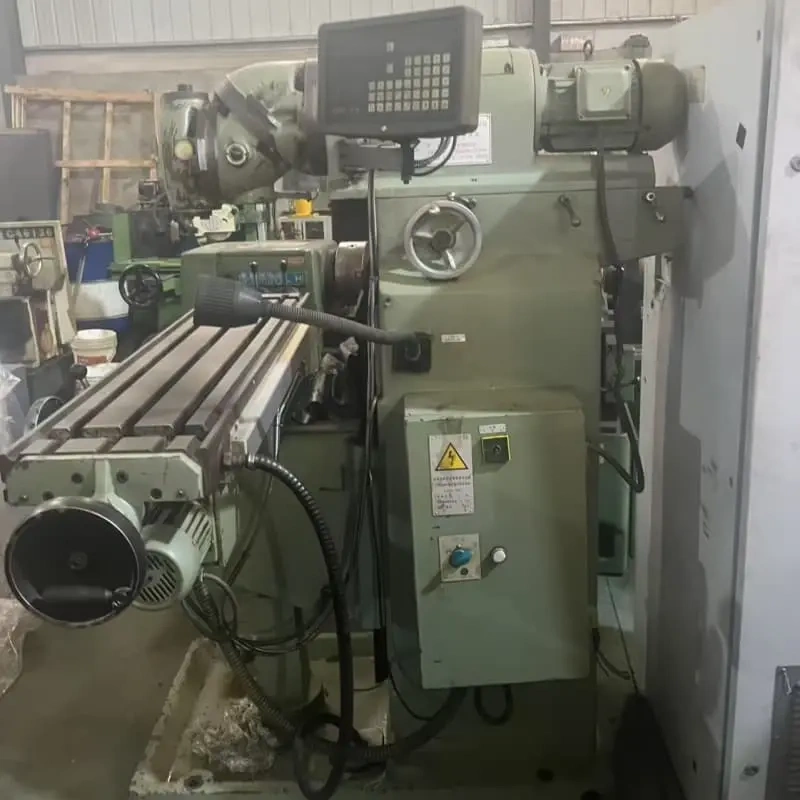
Start with the structure. Look at the bed, frame, ways, slides, and spindle. Cracks in castings, deep scoring on the ways, or obvious welding repairs are red flags that no amount of paint can fix. On a lathe, check the spindle taper and the tailstock alignment. On a milling machine, move the table through its full travel and feel for binding or excessive backlash. On a press brake or shearing machine, inspect the ram guides, blades, and hold-down assemblies. A few months ago I watched a customer almost skip the backlash check on a used turret milling machine. We set a dial indicator on the table and found 0.18 mm of play in the X-axis ball screw — enough to ruin repeatability on precision parts. He chose a different unit from the same batch and later told us the first machine would have cost him more in rejected parts than the price difference.
Backlash, spindle runout, and way wear are the three mechanical issues that turn a bargain into a liability. Always ask for a test cut or accuracy check if the seller claims the machine is production-ready. If they cannot provide one, budget for a technician to inspect the machine on site or hire a local third party before shipment.
Electrical and Control Health Decide Your Spare-Parts Future
Open the electrical cabinet. It should be clean, organized, and free of burned smells, loose terminals, or cobbled wiring. Check the control boot-up time and whether alarms clear normally. Obsolete controls are a silent risk: even a mechanically perfect machine can become a paperweight if you cannot find boards, drives, or parameter backups. Ask the seller whether the control manufacturer still supports the model, whether the software version is current, and whether a parameter backup is included.
Connectivity matters too. Modern shops need USB, Ethernet, or DNC access to transfer programs. If the machine only accepts floppy disks or a proprietary serial protocol, you may spend more on integration than you saved on the purchase.
Maintenance Records Tell the Real Story
A complete maintenance history is worth more than a low hour meter. We have seen machines with 15,000 spindle hours that ran beautifully because they were maintained on schedule, and machines with 3,000 hours that were oil-starved and crashed. Request preventive maintenance logs, repair invoices, and records of any replaced components such as ball screws, bearings, seals, or pumps. If the seller cannot produce records, treat the machine as higher risk and adjust your offer accordingly.
| Check area | What to look for | Why it matters |
|---|---|---|
| Bed, frame, ways | Cracks, scoring, weld repairs, rust | Structural wear is expensive or impossible to fix |
| Spindle / ram | Runout, noise, vibration, bearing temperature | Spindle rebuilds can cost thousands and take weeks |
| Axes and ball screws | Backlash, binding, uneven movement | Directly affects part repeatability |
| Electrical cabinet | Cleanliness, loose wires, burned smell | Predicts control and safety issues |
| Coolant / hydraulics | Fluid condition, leaks, contamination | Contaminated oil destroys pumps and valves |
| Control system | Boot speed, alarms, software version, connectivity | Obsolete controls mean long-term downtime risk |
| Maintenance records | PM logs, invoices, replaced parts | Proves how the machine was actually treated |
How Do Hydraulic and Fabrication Machines Hide Their Biggest Risks?
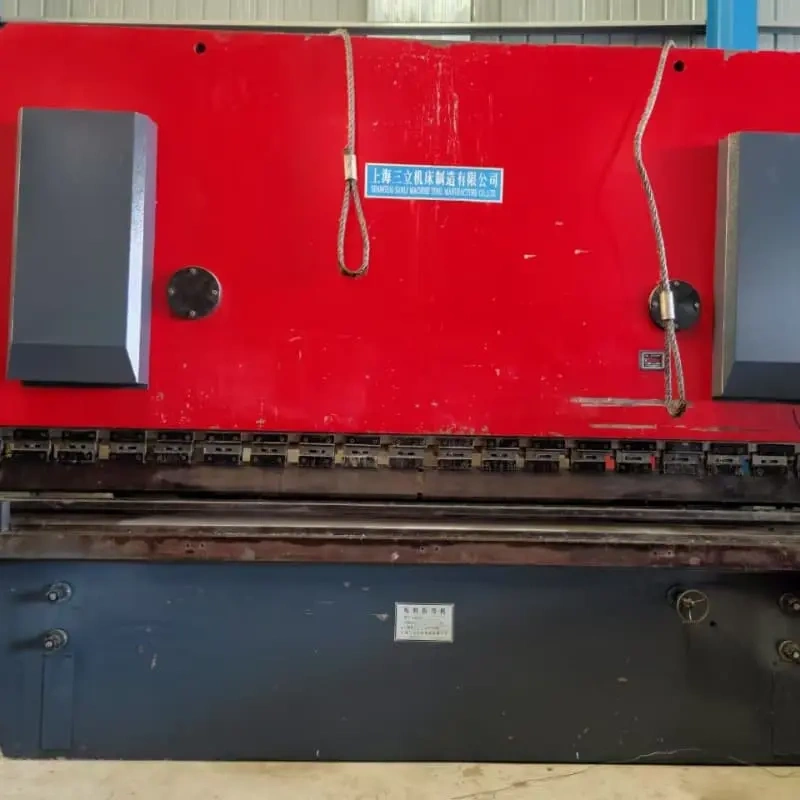
Hydraulic press brakes, shears, and bending machines look simple from the outside, but their real condition lives inside hoses, cylinders, and valves. A slow leak or a sticky valve can shut a line down without warning.
The biggest hidden risks in used hydraulic and fabrication machinery are contaminated oil, worn cylinder seals, sticking proportional valves, and overheating. These problems rarely show up in static photos — they only appear when the machine cycles under load.
Hydraulic Oil Condition Is a Blood Test
Hydraulic oil is not just a working fluid; it lubricates, cools, and carries wear particles away from sensitive components. Most press brake hydraulic systems are designed to run between 30°C and 55°C. Above 60°C the oil oxidizes, loses viscosity, and forms varnish that sticks valves. Ask the seller when the oil was last changed and whether a recent sample was analyzed. If the oil is dark, smells burnt, or contains visible particles, budget for a full flush, filter change, and possibly seal replacement before production starts.
Air in the system is another silent killer. Cavitation shows up as a high-pitched whine from the pump and is caused by a clogged suction filter, restricted intake line, or oil that is too thick for the ambient temperature. Aeration sounds more like rattling or banging and usually means air is entering through a leak on the suction side or the reservoir level is too low. Either condition will destroy a pump over time.
Cylinders, Valves, and Seals Are Where Tonnage Is Lost
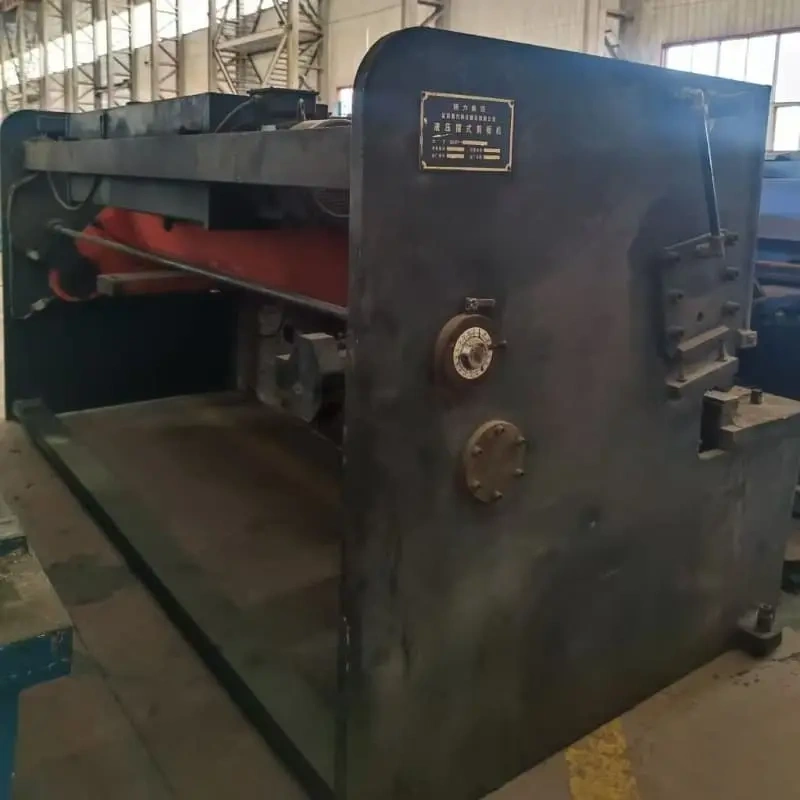
If a press brake cannot reach its rated tonnage, or if the ram drifts downward when stopped, the problem is usually internal leakage past piston seals or a failing check valve. External leaks at hose fittings and cylinder rod seals are easy to spot once the machine is clean and cycling, but internal leaks require a pressure test. We always cycle a hydraulic press brake through its full stroke several times and check cylinder temperature with an infrared thermometer. A cylinder that runs noticeably hotter than its partner is almost always bypassing oil internally.
Proportional valves on CNC press brakes are precision components. Contamination, wrong oil grade, or mixed additive packages can make a valve stick and cause the ram to tilt or move unevenly. When we refurbish machines in our yard, we never mix hydraulic oil brands. A zinc-based anti-wear oil and a zinc-free ashless oil can react and form sludge that glues a new valve shut within weeks.
| Symptom | Likely cause | What to check |
|---|---|---|
| High-pitched pump whine | Cavitation | Suction filter, intake line, oil viscosity |
| Rattling or banging | Aeration | Suction-side leaks, reservoir oil level |
| Loss of tonnage | Relief valve stuck open / internal cylinder leak | Pressure test, cylinder temperature differential |
| Ram drifts down when stopped | Worn piston seal / leaking check valve | Hold-pressure test, seal condition |
| Slow or jerky ram movement | Contaminated proportional valve / trapped air | Valve command signals, bleed cylinders |
| Oil temperature above 60°C | Cooling failure / restricted flow | Heat exchanger, fan, relief valve setting |
Is the Seller More Important Than the Specification Sheet?
The best specification sheet in the world means nothing if the seller misrepresents the machine, ships a different unit, or disappears after payment. The right supplier is often the single largest risk reducer in the deal.
A trustworthy seller is more important than the specification sheet because no paper can replace honest representation, pre-shipment inspection support, real running videos, and accountable export packing.
Warning Signs in a Seller’s Behavior
Be cautious if a seller avoids direct questions, pushes for a fast deposit, refuses a video call, or cannot explain where the machine came from. Vague answers about condition, missing tooling, or recent repairs usually mean the seller has not inspected the machine themselves. We always encourage buyers to ask us hard questions: why is this machine available, when was it last under power, what materials did it run, and what tooling is included. An honest seller should welcome those questions.
What a Reliable Supplier Should Offer
Look for suppliers who provide real machine photos — not catalogue renders — plus running test videos, loading inspection support, and documented export packing. At azmachines we send buyers video of the actual machine cycling before order confirmation, and we support third-party or SGS inspection before shipment. That single step has saved more deals than any discount. One buyer from Saudi Arabia told us our pre-shipment video and inspection report were the reason he stopped using brokers who only sent still photos.
| Factor | Low-risk seller | High-risk seller |
|---|---|---|
| Communication | Fast, technical, answers hard questions | Slow, vague, avoids specifics |
| Evidence | Real photos, running videos, inspection reports | Stock photos, no video, no records |
| Inspection support | Welcomes third-party or SGS inspection | Refuses inspection or charges unreasonable fees |
| Export packing | Wooden case, anti-rust, proper bracing | Loose loading, no rust protection |
| After-sales accountability | Provides documentation and spare-part guidance | Disappears after payment |
How Should You Budget for the Real Total Cost of Ownership?
The sticker price is only the beginning. Freight, rigging, electrical hookup, tooling, and commissioning can add 10% to 30% to the landed cost. Smart buyers build these numbers into the decision from the start.
Budget at least 10% to 20% of the machine price for freight, rigging, electrical work, missing tooling, and commissioning. Buying the right machine and shipping it across borders is usually cheaper than buying the wrong machine because it is nearby.
The Hidden Cost Categories
Freight and rigging are the most visible extras. A multi-tonne CNC lathe or press brake needs a low-loader, proper lifting, and sometimes a crane at both ends. Electrical work can include a transformer, phase converter, or new distribution if your shop supply does not match the machine. Tooling and accessories are easy to overlook: chucks, collets, toolholders, press brake dies, and shear blades can add thousands if they are not included. Finally, commissioning — leveling, alignment, first test cuts, and operator training — is what turns a delivered machine into a productive one.
We recommend buyers build a simple total-cost table before they compare offers. A machine that is $2,000 cheaper on paper can become the more expensive option once you add freight, missing tooling, and a rushed commissioning that produces scrap for the first month.
| Cost item | Typical range | Notes |
|---|---|---|
| Machine price | Base cost | Negotiate after inspection, not before |
| Freight and rigging | 10% to 20% of machine price | Depends on weight, distance, and port access |
| Electrical hookup | $500 to $5,000 | Transformers, phase converters, distribution upgrades |
| Tooling and accessories | $1,000 to $10,000+ | Chucks, dies, blades, toolholders, fixtures |
| Commissioning / training | $500 to $3,000 | Leveling, alignment, first article approval |
| Spare parts and consumables | First-year buffer | Belts, filters, seals, coolant, hydraulic oil |
Conclusion
Used metalworking machinery is one of the fastest ways to add capacity without adding debt, but only when risk is managed from the first inquiry. Match the machine to your job, inspect it under power, verify the seller, and budget the full landed cost. Do that, and your next used machine will earn its place on the shop floor.