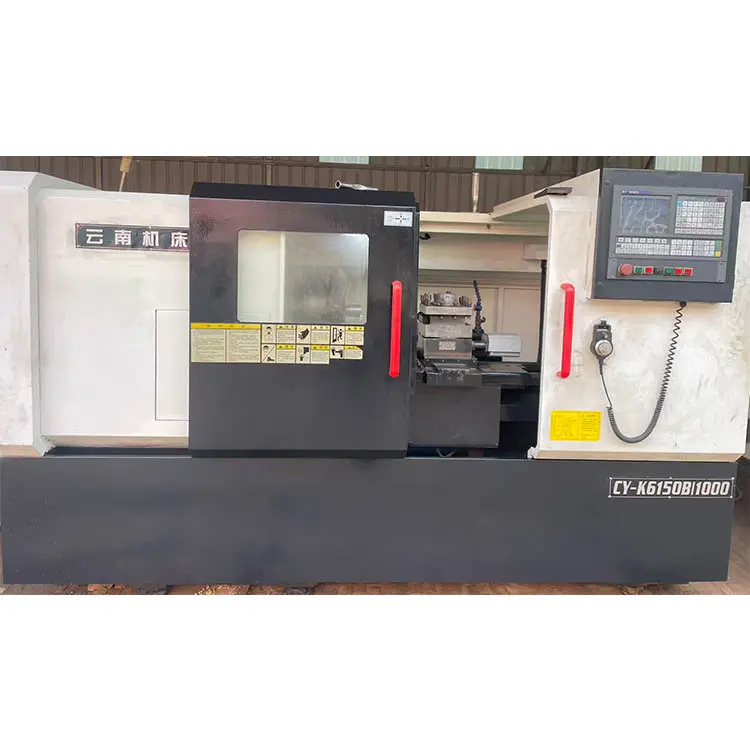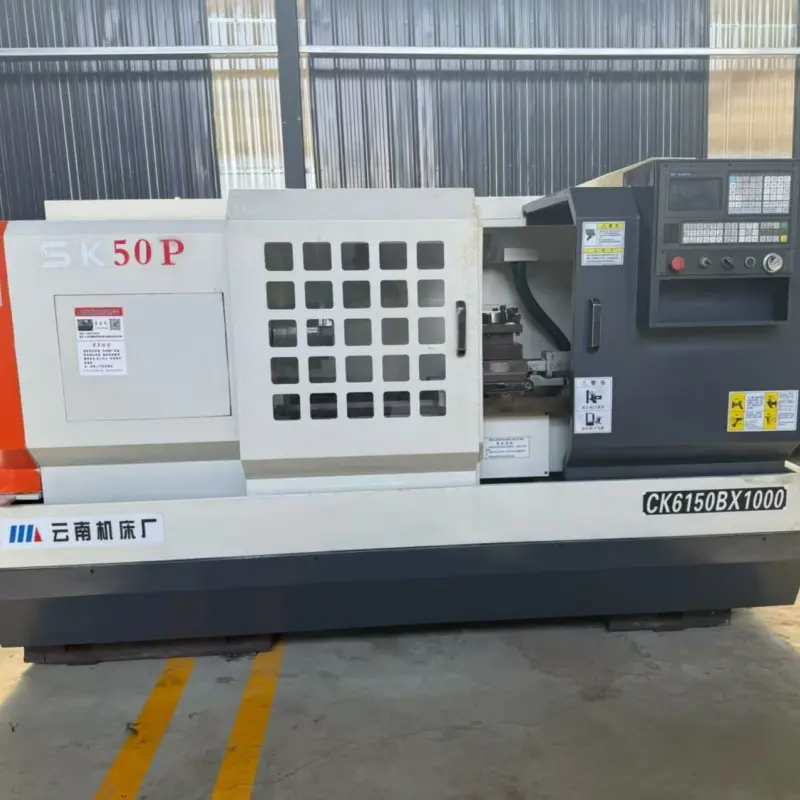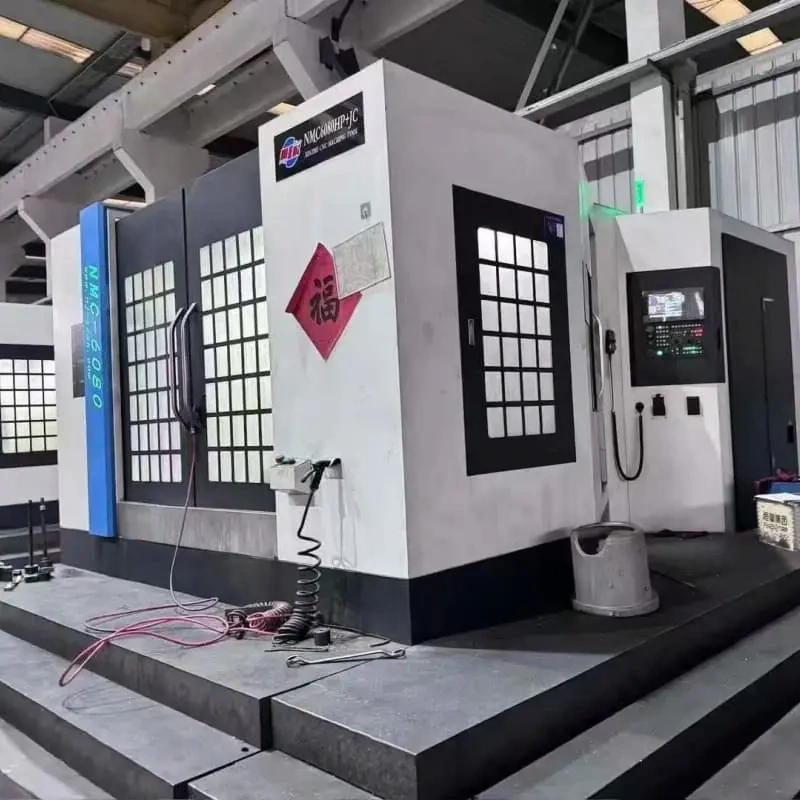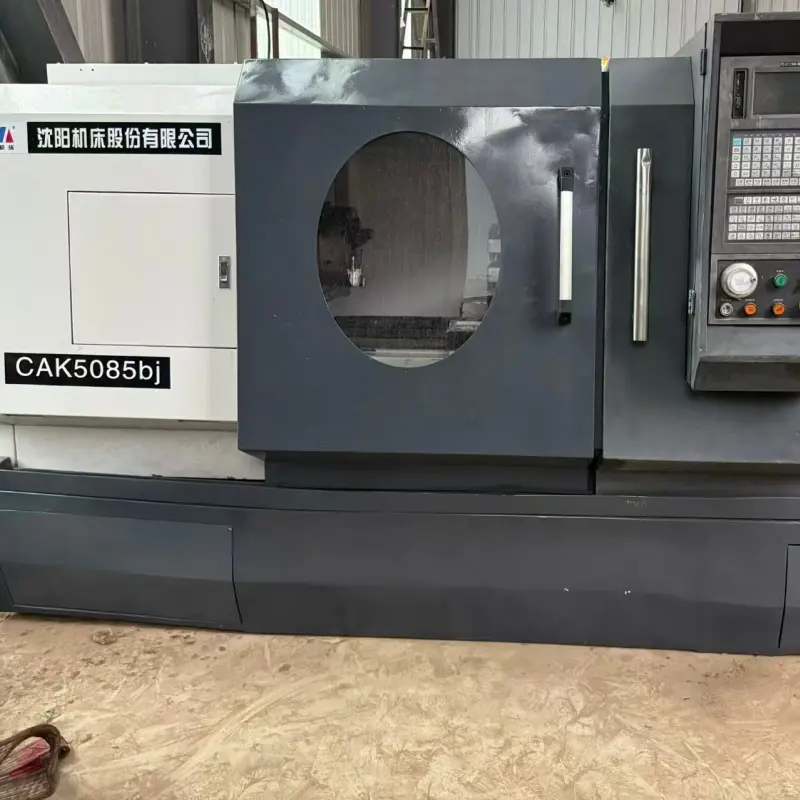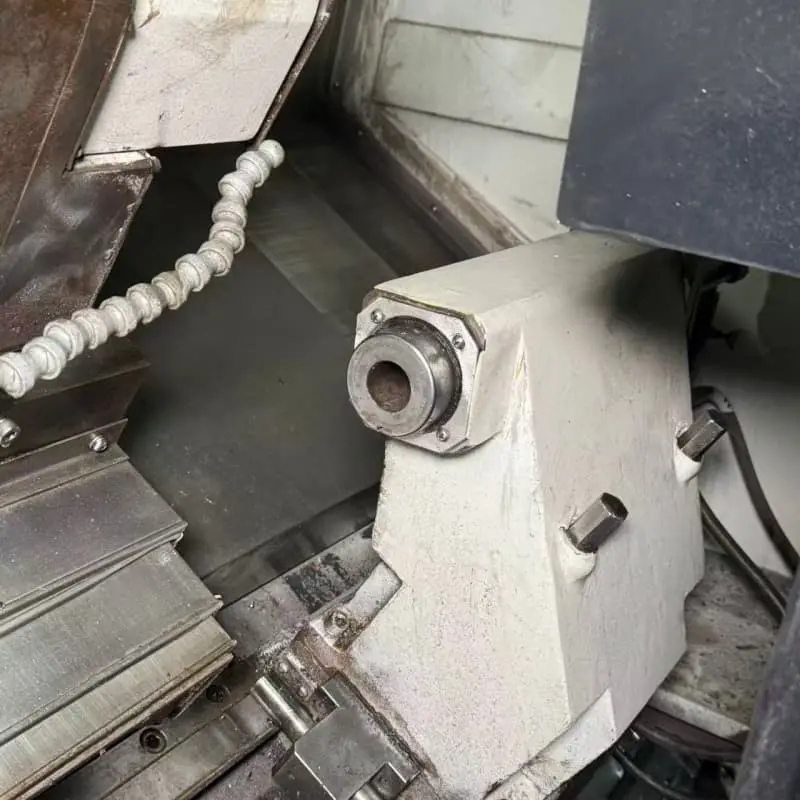
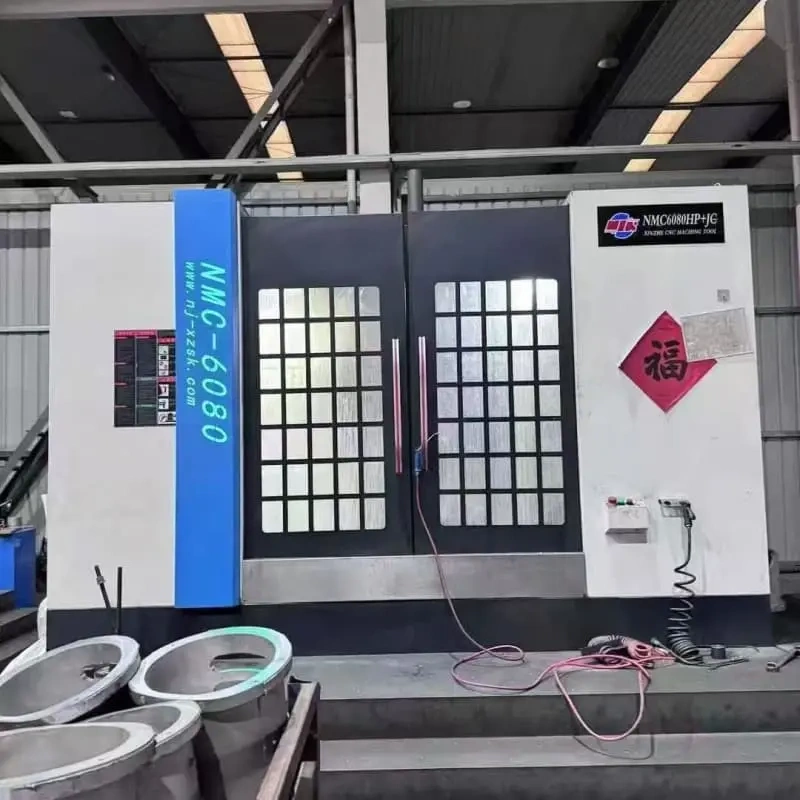
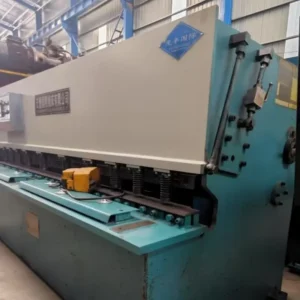
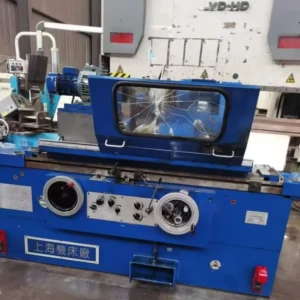
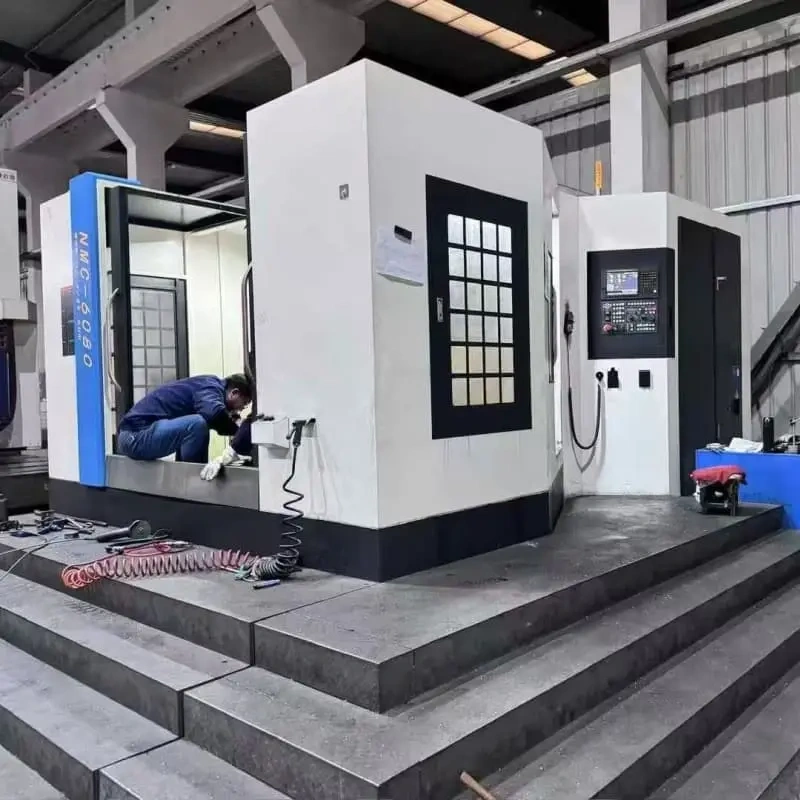
A buyer in Ho Chi Minh City asked me last week whether the surge in used machine tool imports his colleagues keep talking about is real or just dealer chatter. I sent him the same numbers I will summarize in this article, and he came back the next morning with a budget approval and a request for a list of CNC machining centers we could ship by the end of the month. The pattern is the same in Bangkok, Jakarta, Riyadh, Jeddah, and Cairo. Two regional manufacturing booms — Southeast Asia’s diversification away from a single-country supply chain, and the Gulf’s localization push under Saudi Vision 2030 and the UAE’s industrial strategy — have collided with three global machine tool realities: new equipment lead times that stretch past a year, working capital that is tighter than it was in 2021, and a secondary market that is now structured enough to deliver documented, reconditioned machines at a known price. Used metalworking machinery is gaining attention in these two regions not because it is cheap, but because it is the only practical way to convert a confirmed order into a running production line before the customer’s delivery deadline.
What market signals show used metalworking machinery gaining attention in Southeast Asia and the Middle East??
The headline numbers explain the attention. Southeast Asia’s machine tool imports grew faster than any other emerging-market region in 2025, with Vietnam expanding 5.8 percent year on year and Indonesia 4.9 percent — both well above the 2.7 percent global average for used machine tool trade. The Middle East and North Africa region posted a 9.9 percent CAGR through 2034, the highest of any region tracked by Sector Data Insights, with Saudi Arabia, the United Arab Emirates, and Egypt accounting for most of the import volume. The Gulf’s import surge is concentrated in sheet metal processing equipment for aluminum fabrication, defense production, and the boilerplate infrastructure projects that anchor Vision 2030’s industrial diversification. The specific spending pattern in these two regions — heavy on press brakes, shears, plate rollers, and CNC machining centers — also matches what we see in our order book, where approximately two thirds of the 2026 enquiries from these regions are for one of those four categories.
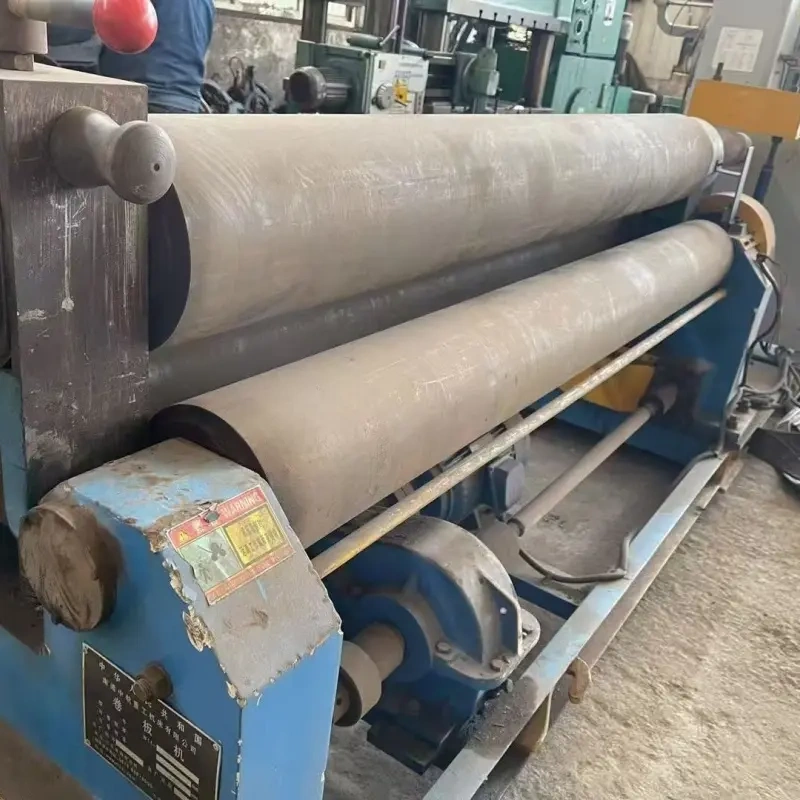
Three demand drivers stand out. First, supply chain relocation. As production capacity migrates out of single-country concentration into Vietnam, Thailand, Malaysia, and Indonesia, the new factories need metalworking equipment on a timeline that new machine builders cannot meet. Lead times for Japanese five-axis machining centers are now 10 to 14 months from order, German equivalents run 12 to 18 months, and even Chinese-domestic three-axis VMCs sit at 90 to 150 days from order to delivery. Used machinery, by contrast, can be inspected, commissioned, crated, and shipped in 30 to 60 days when the source dealer holds the right stock. The buyers we work with are not shopping for the cheapest machine; they are shopping for the machine that can be cutting metal within their production ramp window.
Second, working capital pressure. Most Southeast Asian and Gulf manufacturers expanding into metalworking in 2026 are SMEs with limited debt capacity. New machine tools at OEM list price require either a sizeable cash outlay or a financing arrangement that smaller buyers struggle to secure. Used machinery at 35 to 60 percent of OEM list price lets the same buyer deploy working capital to people, tooling, and inventory instead of steel. The acquisition math gets easier when the equipment has already depreciated through one or two production cycles and the buyer does not have to absorb that depreciation during the first 36 months of ownership.
Third, sector-specific demand pull. The global mold-making industry now accounts for 23.8 percent of all used machine tool purchases, with Vietnam, Indonesia, and Thailand emerging as the fastest-growing mold-making hubs in the Asia-Pacific region. The Gulf’s sheet metal and aluminum fabrication demand is dominated by press brake and plate roller installations for architectural, transportation, and defense applications. Aerospace maintenance, repair, and overhaul work in the Middle East is creating a steady call for horizontal boring machines and machining centers that can hold tight tolerances on legacy airframe components. Each of these sectors has a documented, repeatable equipment profile, and the used market is well stocked with each one.
What regional buyers are actually purchasing
| Region | Top equipment categories 2026 | Typical price band vs. OEM new | Lead time vs. new order |
|---|---|---|---|
| Vietnam | CNC machining centers, lathes, press brakes | 40–55% | 30–60 days vs. 90–240 days |
| Indonesia | Plate rollers, shears, drilling machines | 35–50% | 30–45 days vs. 60–180 days |
| Thailand | Surface grinders, boring machines, VMCs | 40–60% | 30–60 days vs. 120–300 days |
| Saudi Arabia | Press brakes, plate rollers, fiber lasers | 45–60% | 45–75 days vs. 180–360 days |
| UAE | Machining centers, lathes, shears | 45–60% | 30–60 days vs. 150–300 days |
| Egypt | Lathes, milling machines, drilling machines | 30–45% | 30–60 days vs. 90–240 days |
What supply-side factors are pushing manufacturers in these regions toward used equipment??
The push factors are as important as the pull factors. Three structural shifts in the global machine tool industry are forcing buyers in Southeast Asia and the Middle East to look beyond new equipment, regardless of preference.
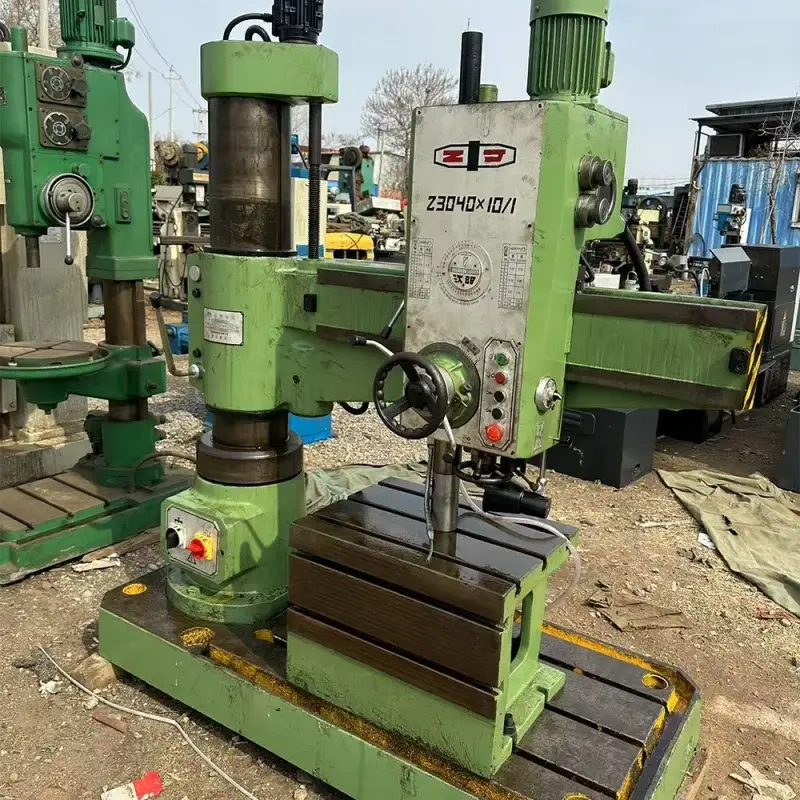
The first is the order book of major OEMs. Japanese, German, and Korean builders of five-axis machining centers, horizontal boring machines, and large press brakes are running at capacity, with allocation rather than availability now governing which buyers receive delivery in a given quarter. Allocation tends to favor long-term service-contract customers — typically large automotive and aerospace prime contractors — and to push smaller, newer buyers to the back of the queue. The result for an SME in Penang or Dammam is that even a willing buyer with cash in hand may not be able to place an order for the machine they actually need.
The second is the spread between the new machine price and the actual transactional price. OEM list prices for popular models in 2026 are 18 to 25 percent higher than they were in 2022, reflecting input cost pressure on cast iron, precision bearings, and servo components. Dealer discount levels have compressed as order books have lengthened. The effective acquisition cost for a new CNC machining center has therefore risen faster than the headline inflation rate, while the price of comparable used equipment has stayed within a tighter band because the supply of late-model used machines has continued to expand. The price gap has widened, and the deal math has tilted.
The third is the documentary maturity of the used market. The leading used-equipment dealers in 2026 now provide what new-equipment OEMs provided a decade ago: full maintenance records, recent inspection reports, video walkarounds, parameter backups for the CNC control, and limited warranties on key components. The same documentation gap that used to discourage risk-averse buyers is closing, which raises the buyer pool. The first-time used machinery buyer in 2026 is often a buyer who bought new five years ago and is now comfortable buying refurbished because the documentation has matured to the point where the buyer’s own quality team can sign off on the purchase.
How used machinery supply reaches these regions
The supply chain that delivers used machinery into Southeast Asia and the Middle East runs through a small number of consolidating hubs. Shandong province in China exports a large share of the late-model used machines that come out of the Chinese domestic market, and the export dealers there have built quality-control infrastructure that rivals what OEM service networks provide. Japan and South Korea remain the dominant source for high-precision used CNC lathes and machining centers, sold through a network of authorized dealers who issue export-grade documentation. Germany and Italy remain the source for high-end used machining centers out of plant consolidations and bankruptcies, with prices that reflect both the build quality and the seller’s overhead.
Freight logistics are also favorable. A 40-foot high-cube container can hold one mid-size CNC machining center or one press brake under 200 tons, with door-to-door transit times of 18 to 24 days from Qingdao or Shanghai to Ho Chi Minh City, Jakarta, Bangkok, Jeddah, or Hamad Port. The cost of inland transport from the source dealer to the export port, ocean freight, insurance, and import clearance for all the Chinese purchasing is typically 8 to 12 percent of the machine’s purchase price, which is low enough that it does not distort the deal math. Used machinery is gaining attention in 2026 because the supply chain that delivers it has finally reached the reliability threshold that serious commercial buyers require.
How are ASEAN and Gulf buyers changing their inspection and procurement practices??
The single biggest shift in 2026 is regulatory, not commercial. From 1 July 2026, Vietnam, Thailand, and Indonesia will jointly require carbon footprint declarations for every imported used machine tool, plus AI-based visual inspection at the port of entry for any machine over ten years old. Saudi Arabia and the United Arab Emirates are aligning their customs procedures to accept the same documentation, which means a single ASEAN-Gulf inspection file can clear both regions. For buyers, this raises the floor on what counts as an acceptable pre-shipment inspection. A used machine that arrives without a recent third-party inspection report, a verified hour-meter reading, a documented maintenance history, and a carbon footprint declaration will sit in customs for weeks, accrue storage charges, and may eventually be refused entry.
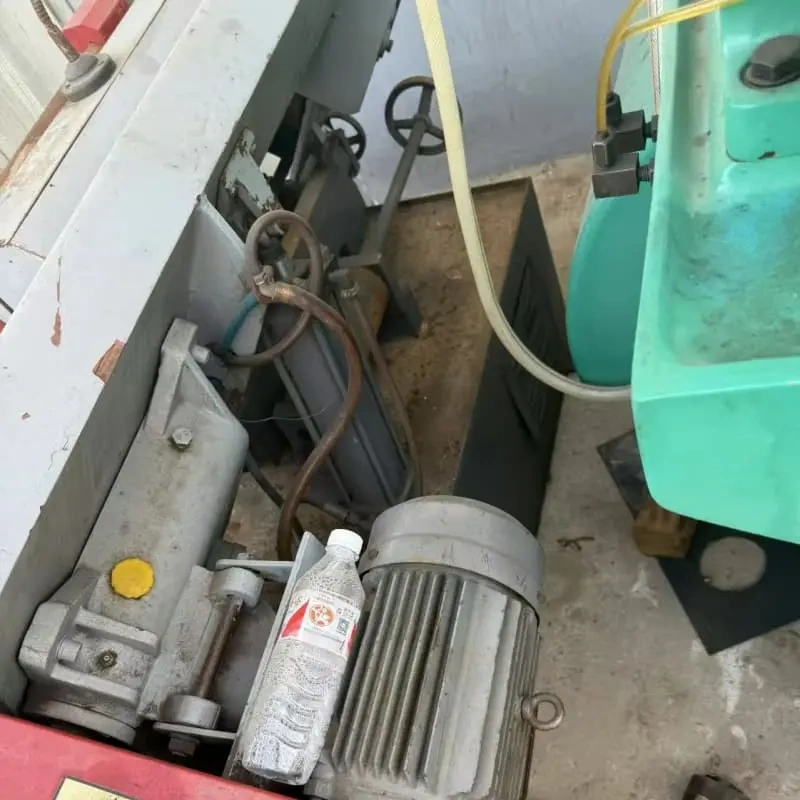
The procurement side has also tightened. Vietnamese buyers now request a CCIC pre-shipment inspection for any used machine over $50,000 in declared value, and the CCIC inspector’s report is required for customs clearance. Thai buyers in the automotive parts segment increasingly require that the seller obtain an export-side de-rating certification for any machine with a Fanuc, Siemens, or Mitsubishi control, confirming that no stolen parameters or unlicensed software is bundled with the equipment. Indonesian buyers in the defense and aerospace supply chain require an end-user certificate and a documented chain of ownership back to the original installation site. These are not optional requests. They are the new baseline.
The practical effect for overseas dealers is that the documentation work that used to be a seller’s competitive advantage is now a seller’s admission requirement. The dealers who can produce CCIF-compliant investigation files, carbon footprint declarations, parameter backups, and ownership chain documentation on every shipment are the dealers that win the regional RFQs in 2026. The dealers who treat documentation as an optional extra have already lost market access in the largest Southeast Asian and Gulf import destinations.
What should buyers in Southeast Asia and the Middle East evaluate before locking in a used purchase??
Buyers in these regions should apply the same inspection discipline used in the source markets, with two regional additions: a verified carbon footprint declaration for the specific machine, and a documented chain of ownership back to the original installation. Both are now customs requirements, and both will determine whether the machine clears the port within the buyer’s commissioning window.
The standard mechanical and electrical checks — spindle runout, axis backlash, ballscrew pretension, electrical cabinet integrity, hydraulic system cleanliness, tool changer function — do not change by region. What does change is the documentation file. A used machine shipped to a buyer in Riyadh or Jakarta in 2026 should arrive with: a maintenance logbook covering the machine’s full operating life; a recent third-party inspection report dated within 90 days of shipment; a parameter backup file for the CNC control; a carbon footprint declaration prepared under the ASEAN-Gulf common methodology; an ownership chain document tracing the machine from its first installation; and a commercial invoice, packing list, and bill of lading whose machine description, serial number, and HS classification match across all three documents.
Red flags specific to a 2026 regional shipment
- Refusal to provide a CCIC or third-party inspection report dated within 90 days of shipment
- A carbon footprint declaration prepared under a methodology other than the ASEAN-Gulf common standard
- A seller who cannot trace ownership back to the original installation site
- A Fanuc, Siemens, or Mitsubishi control without a current de-rating certificate
- A serial plate whose number does not match the seller’s invoice, the bill of lading, and the inspection report
- A test cut performed only on a seller-prepared demo part, with no buyer-supplied test piece
Used metalworking machinery is gaining attention in Southeast Asia and the Middle East for a reason that is more durable than price. The combination of regional manufacturing growth, OEM allocation pressure, working capital constraints, and a maturing used-equipment supply chain has converted the buyer’s question from “why would I buy used” to “why would I wait six quarters for new.” The inspection discipline, the documentation file, and the regional regulatory baseline are what make the answer safe. A buyer who treats those three things as the cost of doing business in 2026 will capture the production window. A buyer who treats them as optional will pay for the omission in storage charges, missed delivery dates, and eventually in the buyer’s own customer relationships.