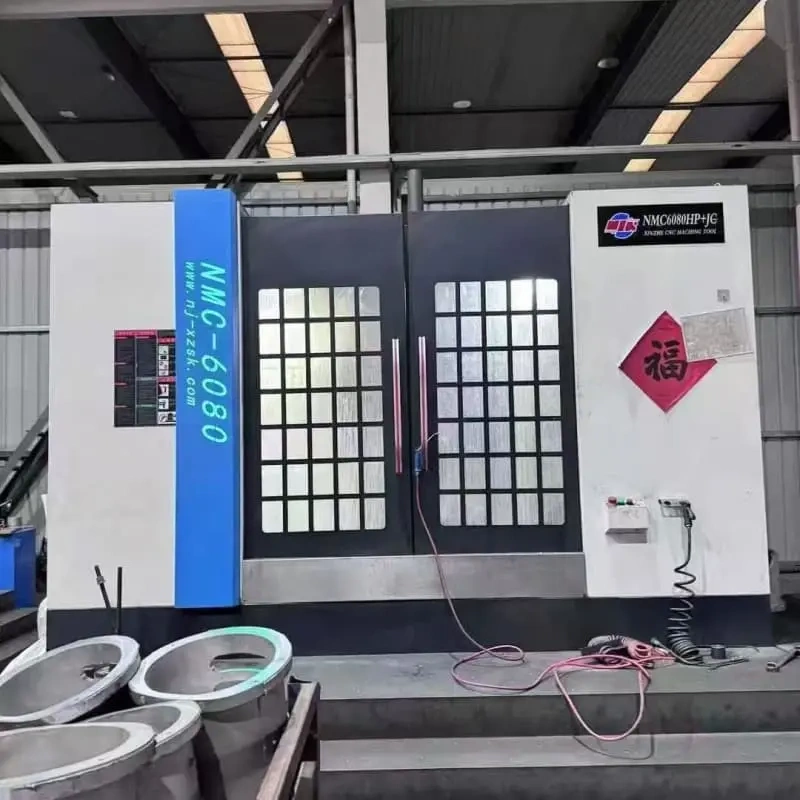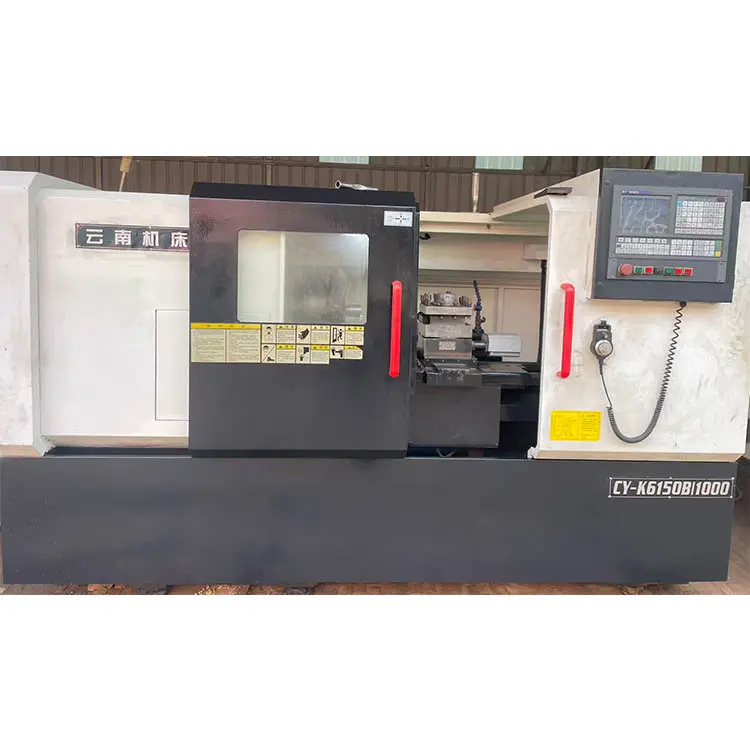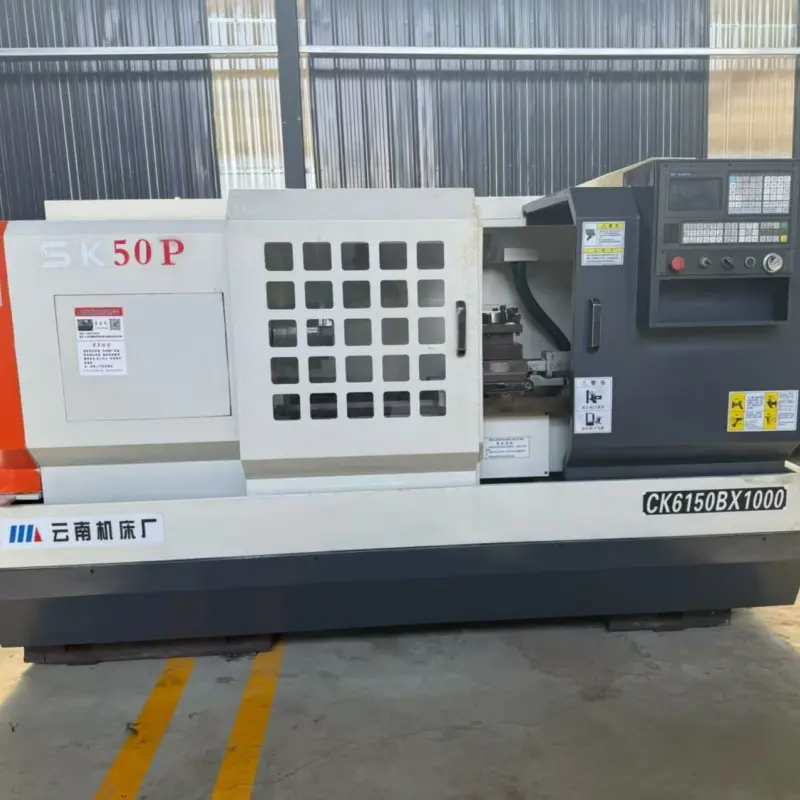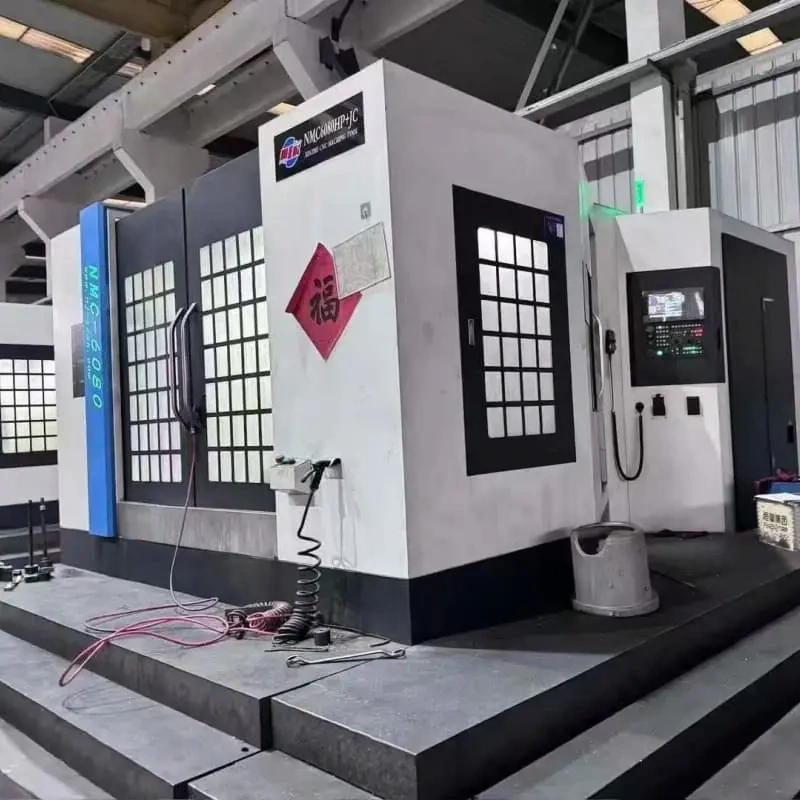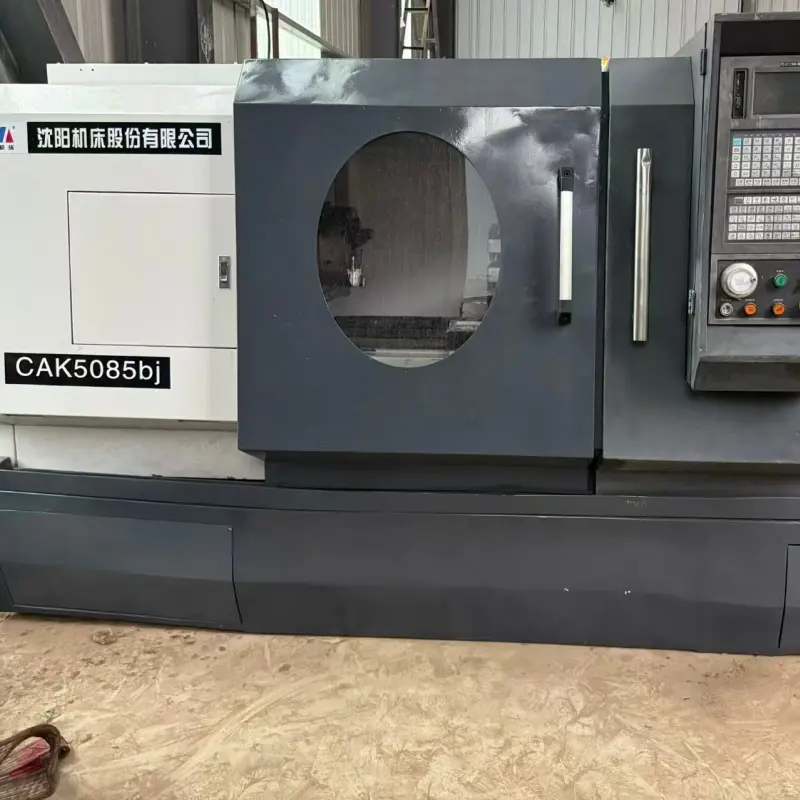
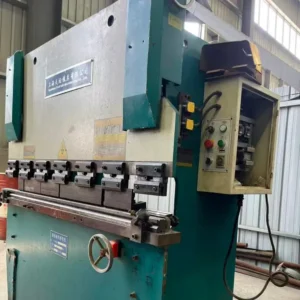
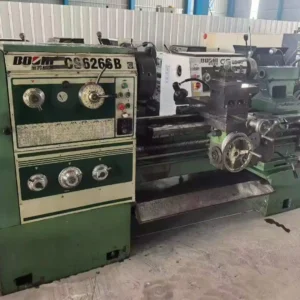
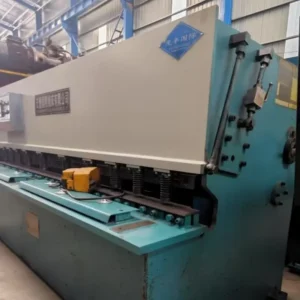
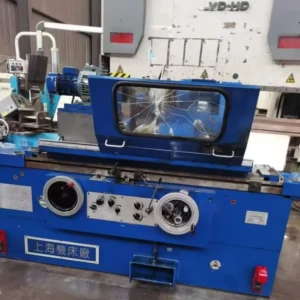
Capital budgets are tight, new machine lead times are long, and the wrong purchase can idle a line for months. Used metalworking machinery is stepping in as the practical fix.
Used metalworking machinery is gaining attention in Southeast Asia and the Middle East because it cuts capital outlay by 30-50%, fills capacity gaps while new equipment lead times stretch past 40 weeks, and supports manufacturing growth in Vietnam, Indonesia, Saudi Arabia, and the UAE.
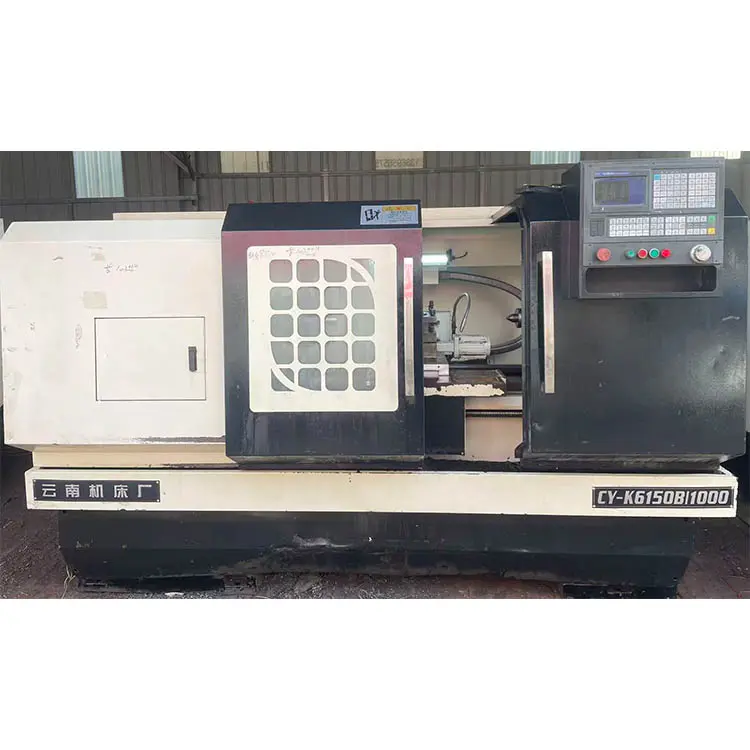
The numbers behind this shift are hard to ignore. Global used machine tool trading reached roughly USD 8.72 billion in 2025, up 4.6% year on year, and Asia-Pacific alone accounted for more than 42% of that volume according to GEP Research. In the first quarter of 2026, worldwide used machine tool inquiries rose 12.3%, while average order fulfillment dropped to about 18 days. By 2030, the market is expected to pass USD 12.8 billion, growing at a compound annual rate near 6.8%. That growth is not coming from North America or Europe alone. It is being driven by factories in Southeast Asia expanding to serve electric-vehicle supply chains, and by Gulf states pouring capital into localization and infrastructure under programs like Saudi Vision 2030. At azmachines, we see this every week from our base in Liaocheng, Shandong: more RFQs from Ho Chi Minh City, Jakarta, Riyadh, and Dubai asking for used CNC lathes, used milling machines, and used press brakes that can ship quickly and run reliably.
Another research house, Sector Data Insights, projects the used machine tools market will grow at a 9.4% compound annual rate from 2026 to 2034, expanding from USD 21.73 billion to USD 48.73 billion. That forecast covers the broader metal-cutting and metal-forming segments, but the directional signal is the same: secondary machine assets are becoming a planned part of capital strategy, not an emergency purchase. Online platforms and certified dealer networks now handle more than 31% of used machine tool transactions, up sharply from a few years ago, which means price discovery and machine history are more transparent than ever. At the same time, general lathes and milling machines turn over in about 45 days from dealer stock, while large presses and specialty grinders can sit for 90 days or more. Smart buyers watch those inventory cycles because they signal where the best negotiating room sits.
What Market Forces Are Driving Used Machinery Demand in Southeast Asia?
Southeast Asian factories need capacity now, not next year. Long new-equipment lead times are pushing buyers toward pre-owned lathes, mills, and press brakes.
The main force is speed-to-production: used lathes, milling machines, and press brakes can ship within weeks, cost 30-50% less than new machines, and let small and mid-size factories scale without overleveraging.
Capacity Migration and Government Incentives
Manufacturing is moving. Vietnam, Indonesia, Thailand, and Malaysia are absorbing orders that used to flow to coastal China, especially in automotive parts, electronics hardware, and general metal fabrication. A 2026 industry forecast puts Vietnam’s used machine tool demand growth at 5.8% and Indonesia’s at 4.9%, well above the global average. Governments across ASEAN are backing this with tax incentives, industrial-zone subsidies, and skills programs aimed at precision manufacturing. The ASEAN tariff-code harmonization on used equipment has also simplified cross-border clearance, which means a machine leaving our Liaocheng yard can reach Haiphong or Jakarta faster than a comparable new machine can leave a European factory floor.
The Cost and Lead-Time Gap
New machine tool lead times have stretched to 40-60 weeks for many popular models, while a well-sourced used lathe or machining center can be inspected, packed, and loaded in a matter of days. Sector Data Insights notes that a used CNC lathe typically costs 30-50% less than an equivalent new unit, and a 5-axis machining center from a premium brand can trade at only 35-40% of its original price. Those savings matter when a factory is quoting a new contract and needs to reserve cash for raw materials and labor. The table below shows how the two paths compare for a typical mid-size metalworking shop.
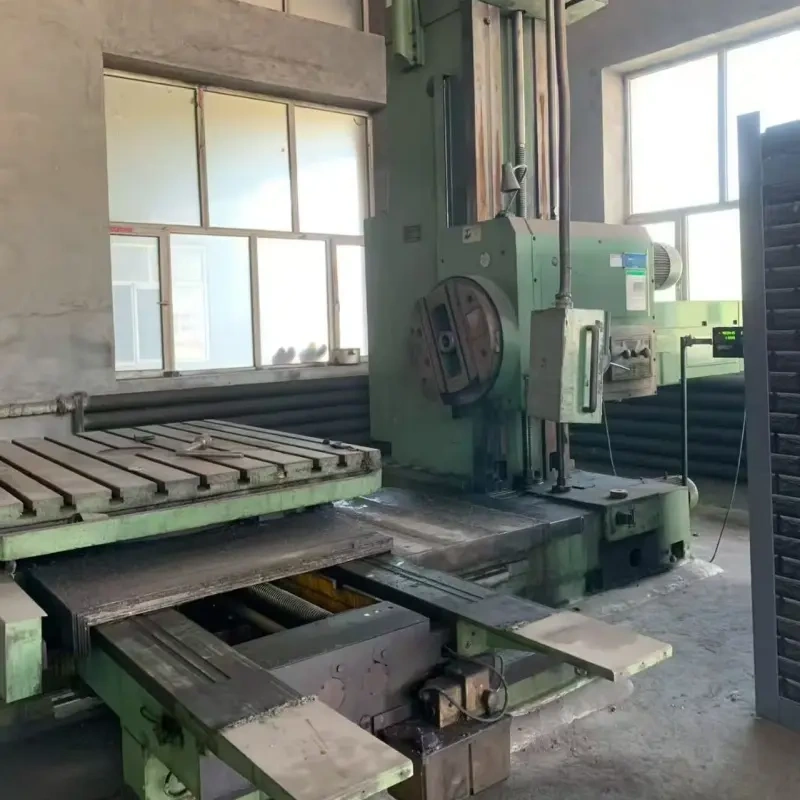
| Factor | New machine | Quality used machine |
|---|---|---|
| Capital outlay | Full list price, often USD 80,000-250,000 for CNC lathes/VMCS | 30-50% lower; premium 5-axis units at 35-40% of new price |
| Lead time | 40-60 weeks for many models | Often 2-6 weeks from stock |
| Depreciation hit | Steepest in first 2-3 years | Already absorbed by first owner |
| Retrofit flexibility | Factory-spec controls and options | Can be upgraded with modern CNC, sensors, or tool monitoring |
One thing I watch closely is residual value. A three-axis vertical machining center in good condition can retain 65-75% of its original value after five years, and a retrofitted unit can perform like an entry-level new machine at 40-60% of the cost. That is why Southeast Asian buyers increasingly ask for spindle-hour records and ball-screw inspection reports before they commit.
What Buyers Actually Want
The demand is not uniform. Automotive component makers still dominate used machine tool buying, accounting for about 36.4% of downstream demand in 2025, but the fastest-growing segment is new-energy battery housing and structural parts, up 14.7%. Mold and die shops want rigid gantry machining centers, while general job shops want universal lathes, radial drills, and hydraulic shears. I noticed this pattern last quarter when a buyer from [Zora will replace city] asked for three used lathes and a used hydraulic press brake for a solar-mounting contract. He cared less about the brand badge than about whether we could send running videos and an SGS inspection report before shipment.
Why Are Middle Eastern Buyers Turning to Pre-Owned Machine Tools?
Megaprojects and localization goals across the Gulf need metalworking capacity. New machines are expensive and slow to arrive.
Middle Eastern buyers choose used machine tools to stretch capital across more projects, source faster for oilfield and fabrication work, and avoid the long delivery windows common on new European equipment.
Infrastructure Spending and Localization
The Middle East and Africa imported 9.2% more used machine tools in 2025 than the year before, with oil-pipeline processing equipment among the strongest categories. Saudi Arabia’s Vision 2030 projects, the UAE’s industrial re-export hubs, Qatar’s post-World Cup infrastructure expansion, and Oman’s steady manufacturing growth all need metal-cutting and sheet-metal capacity. In the UAE, Sharjah Industrial Area functions as a regional trading hub; machines land there and are re-exported to Saudi Arabia, Qatar, Kuwait, and Oman. That re-export model is one reason why Middle Eastern buyers often ask for CE-compliant machines with complete service history, even when the final destination is a job shop in Dammam or Jebel Ali.
Financing is also changing the buying pattern. Equipment leasing and rent-to-own arrangements are expanding in developing markets, with some estimates showing finance penetration above 45% for capital equipment buyers in Southeast Asia and the Middle East. For a project contractor in Riyadh or a fabrication shop in Dubai, leasing a quality used CNC lathe preserves working capital for material and labor while still delivering the part accuracy they need. This is why our team often quotes both outright purchase and staged payment options, depending on the buyer’s cash-flow cycle and project timeline.
Seasonality and Buying Behavior
Construction-driven demand in the Middle East peaks from October through March when weather is favorable, and procurement teams start quoting in Q3 to secure delivery by peak season. Payment terms tend to favor Letters of Credit, especially for first-time relationships. This is a relationship-based market: buyers want to speak with a sales manager, see real photos, and receive a test video before they release an LC. One of our repeat clients in Saudi Arabia, Gulf Industrial Equipment LLC, told us that the biggest difference between azmachines and their previous suppliers was our ability to provide running videos and third-party inspection support before payment. That trust layer is what turns a low-price listing into a long-term supply relationship.
Technical Requirements and Component Close-Ups
Gulf buyers are often technically sharp. They ask about spindle taper runout, backlash on the X and Y axes, and whether the CNC control can be retrofitted with modern remote diagnostics. Used CNC retrofit work grew 22% globally in 2025, and buyers in this region are part of that trend. They want machines that can be connected to shop-floor dashboards, not standalone dinosaurs.
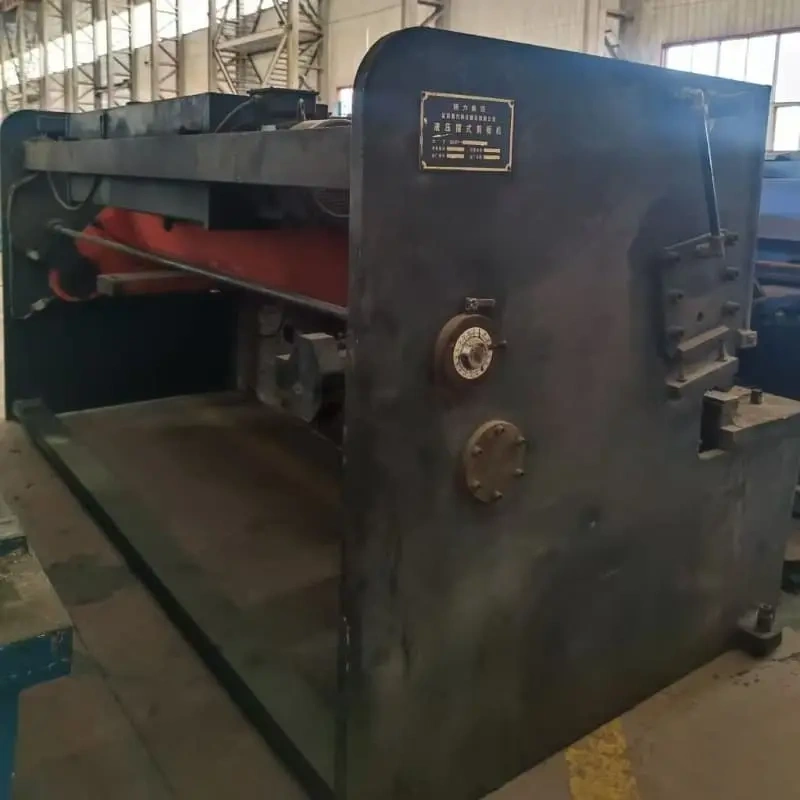
The table below compares how buyer priorities differ across key Gulf markets.
| Market | Typical buyer priority | Common machine types | Sourcing preference |
|---|---|---|---|
| Saudi Arabia | Long-term reliability for large projects | Used CNC lathes, hydraulic press brakes, shearing machines | Direct dealer with inspection support |
| UAE | Re-export and fast turnaround | Used milling machines, machining centers, band saws | Stock in regional hub; CE compliance |
| Qatar | Premium condition, smaller batches | Compact press brakes, CNC lathes, grinders | Low-hour units with full documentation |
| Oman | Price sensitivity and bundles | Used lathes, drilling machines, rolling machines | Volume discounts and basic inspection |
How Should Buyers Source Used Machinery Without Adding Risk?
Lower price is only half the win. A used machine without inspection records or export support can turn into a costly mistake.
Buyers should source used machinery from sellers who provide real machine photos, running test videos, optional third-party inspection, export packing, and clear customs paperwork.
Verify Before You Pay
The first rule is simple: do not buy from a listing alone. Ask for the machine running under power, a video of the spindle at operating speed, and close-ups of the ways, ball screws, and tooling tapers. Check that the serial number on the nameplate matches the documentation. If the seller cannot provide these basics, move on. At azmachines, we send real photos and running test videos before order confirmation, and we support SGS or buyer-nominated third-party inspection before shipment. That is the same process we used when we supplied used CNC lathes, shearing machines, hydraulic bending machines, and milling machines to Gulf Industrial Equipment LLC in Dammam.
Inspect the Details That Matter
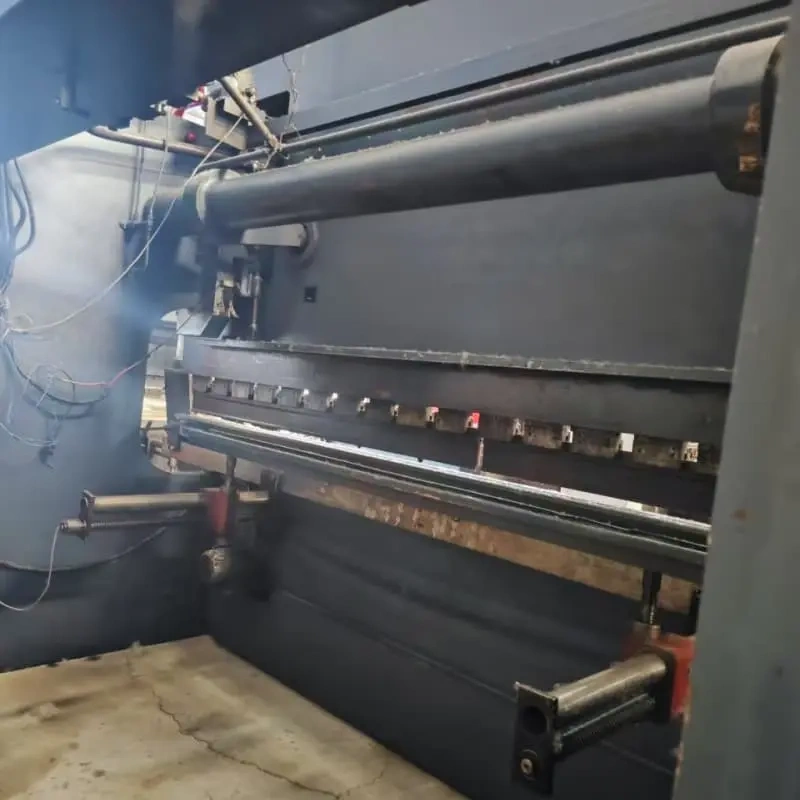
A used lathe is not just about spindle hours; it is about how those hours were accumulated. Continuous light cutting in a clean shop is very different from heavy interrupted cuts in a dusty environment. Check the cross-slide and compound rest for play, the tailstock quill for smooth travel, and the headstock for abnormal noise. On a used milling machine, run the table through its full travel and watch for sticking or chatter marks. On a press brake, test the hydraulic system for leaks and repeat the bending cycle to confirm ram parallelism. If you are not on site, hire a local inspector or use a video inspection with the seller walking the machine through a checklist.
Plan for Shipping and Arrival
Export packing matters more than many buyers expect. A lathe shipped without anti-rust protection and proper bracing can arrive with scraped ways or a cracked dial. We pack in wooden cases with anti-rust film, desiccant, and bracing designed for Ro-Ro or container shipment. Logistics costs as a share of used machine tool transactions have fallen from 7.8% in 2023 to 5.3% in 2025, but poor packing can erase those savings in a single claim. We also prepare full export documentation, including commercial invoice, packing list, bill of lading, and certificates of origin, so the machine clears customs without unnecessary delays.
After arrival, spare parts and service support become the real test. The machine tool spare parts market has become a bottleneck for some older models, with certain encoders and servo motors carrying lead times beyond 26 weeks. Before we recommend a used machine, we check whether the control, drives, and bearings are still supported or can be replaced with available equivalents. We also help buyers plan for retrofits, such as adding IoT sensors or a modern CNC control, so the machine fits into a smart factory rather than sitting as an isolated island. That forward-looking approach is what turns a used machine purchase into a long-term production asset.
Conclusion
Used metalworking machinery is not a fallback; it is a capital strategy for fast-growing markets that need proven capacity at a controlled price.