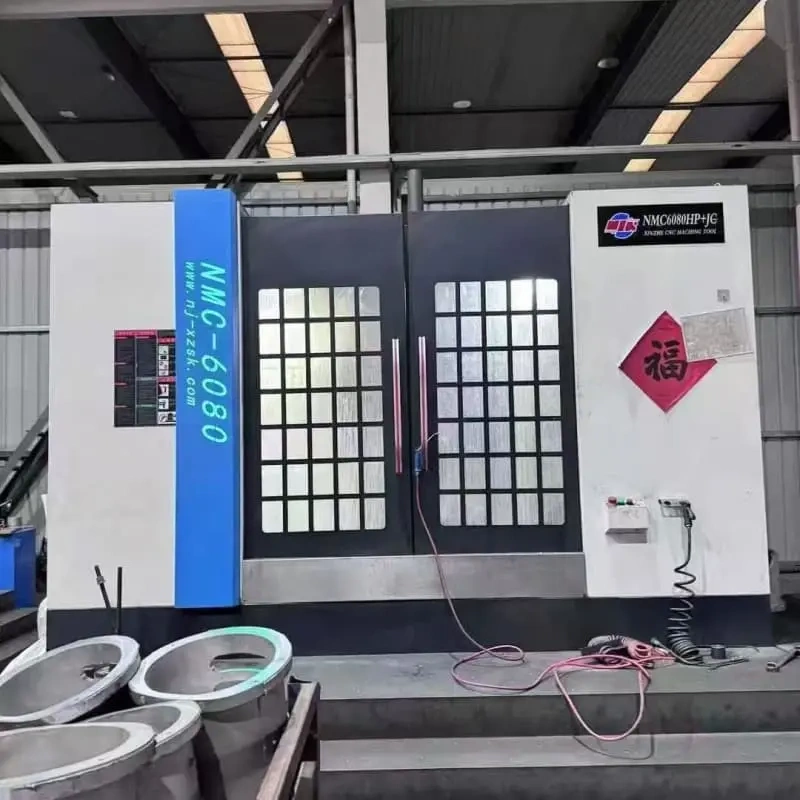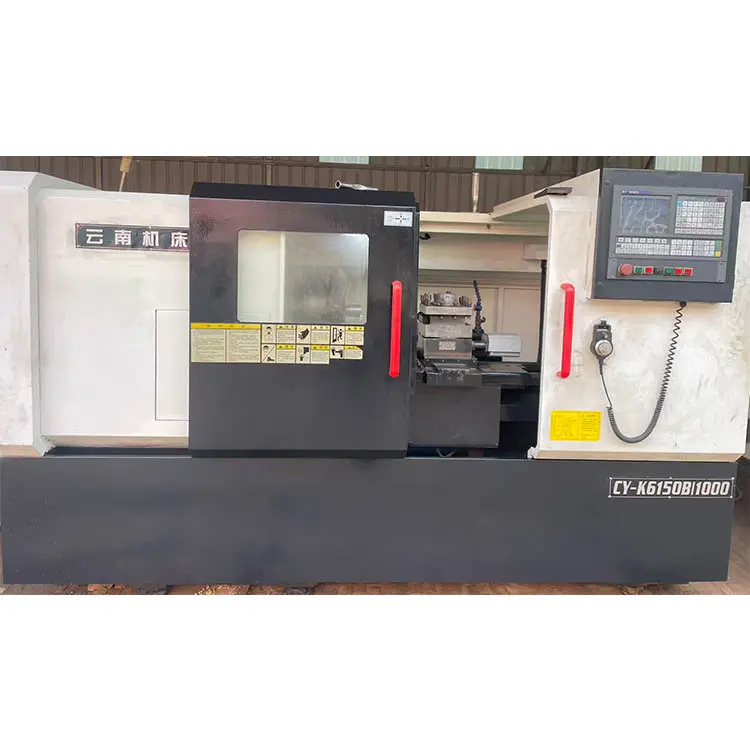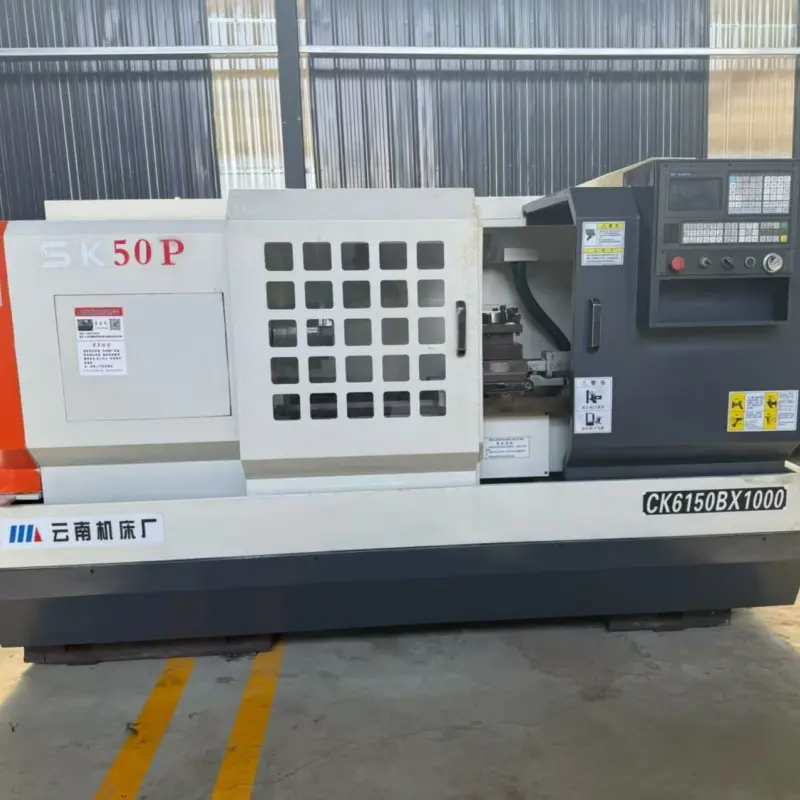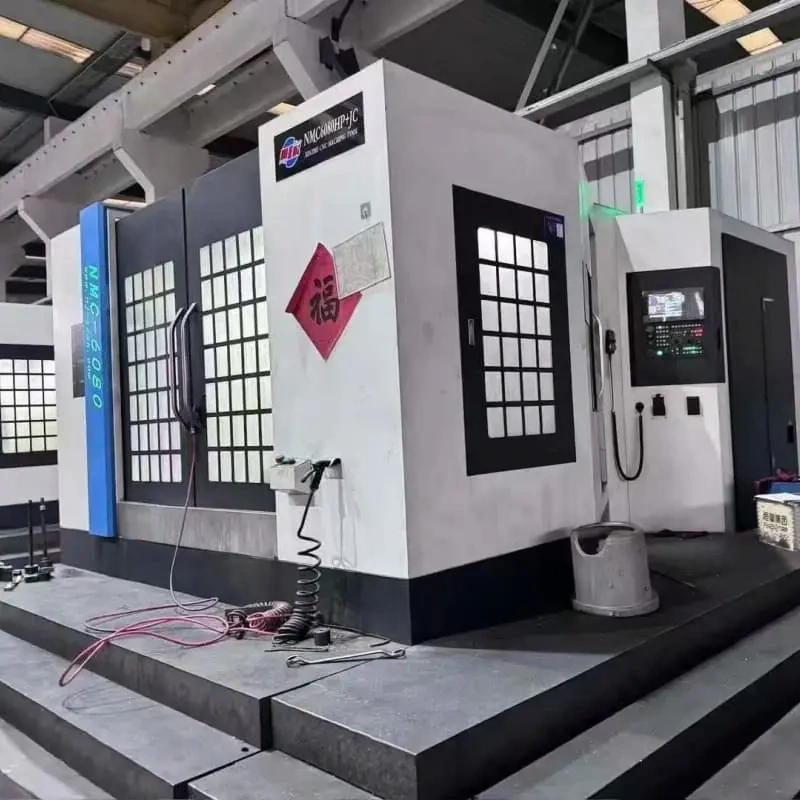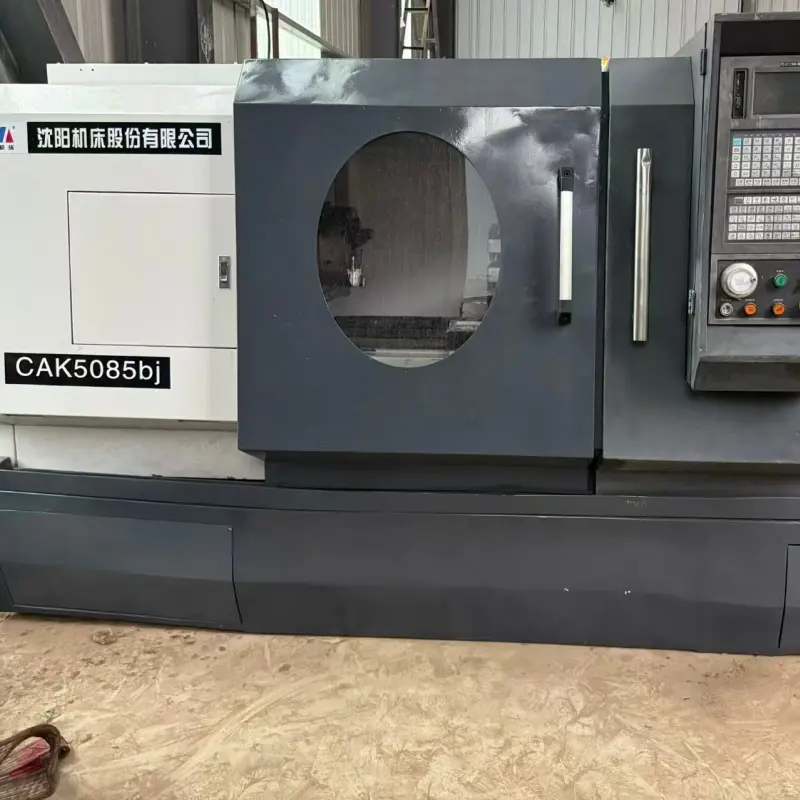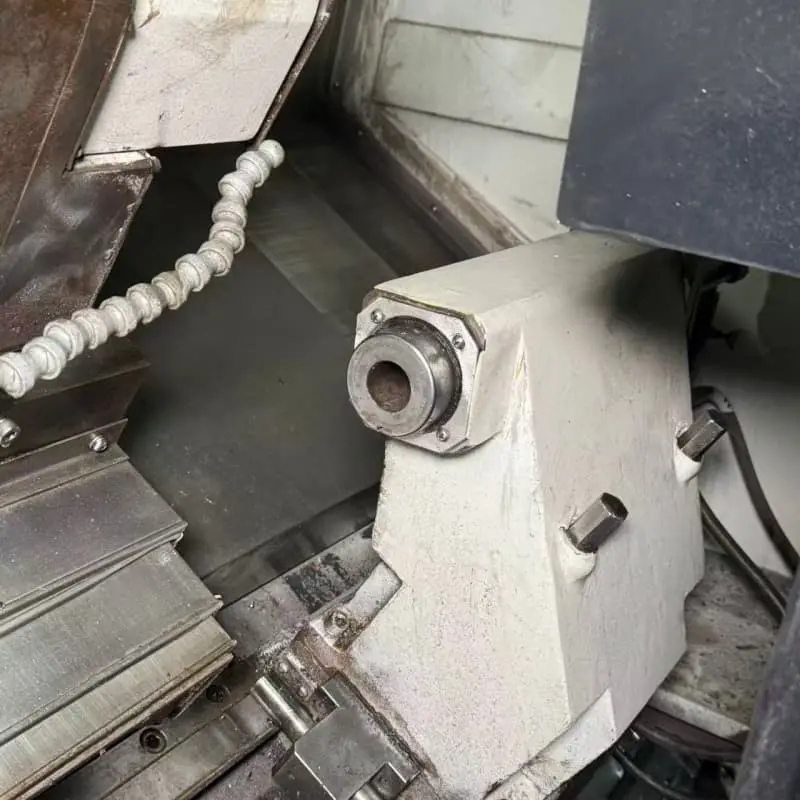
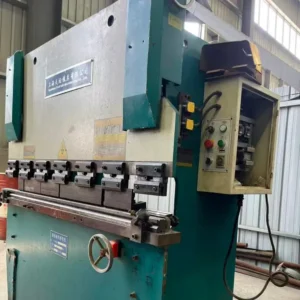
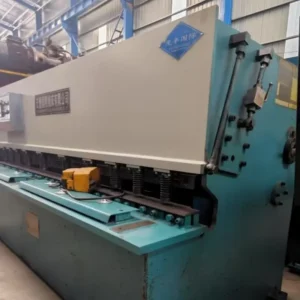
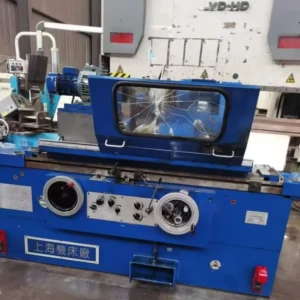
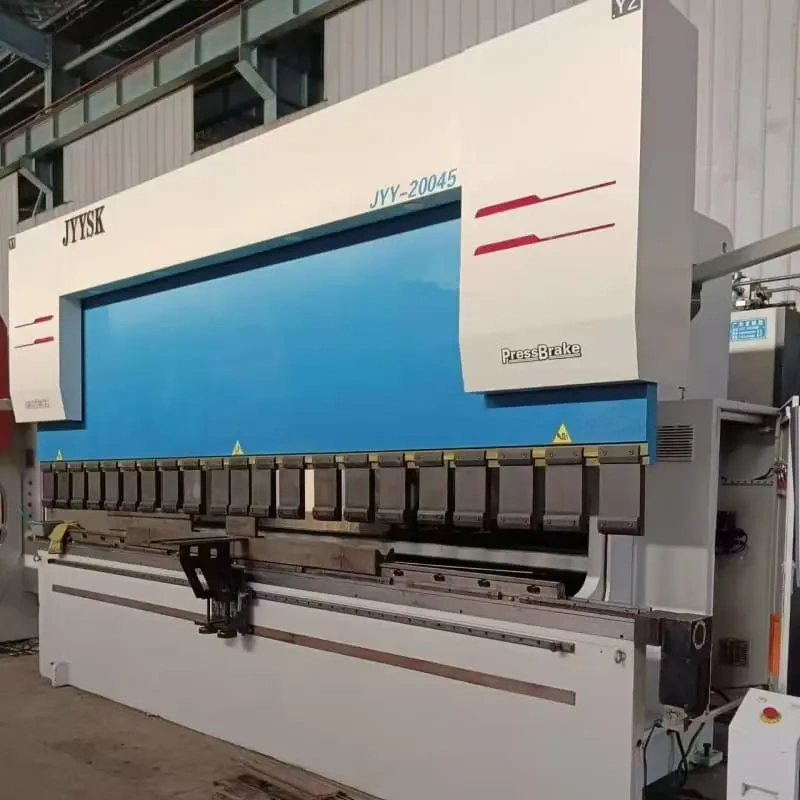
A used press brake or shear with a fresh coat of paint can hide frame fatigue, worn blades, and a CNC control that nobody supports anymore. The year stamped on the nameplate is not a warranty, and in our yard in Liaocheng I have seen 1990s brakes that bend truer than machines built fifteen years later.
Evaluate used press brakes and shears by capacity fit, frame and blade condition, hydraulic health, backgauge repeatability, control support, tooling, and a live test — not by the year of manufacture. Age changes the electronics and gauging; the frame and cutting geometry age only through use, abuse, and maintenance.
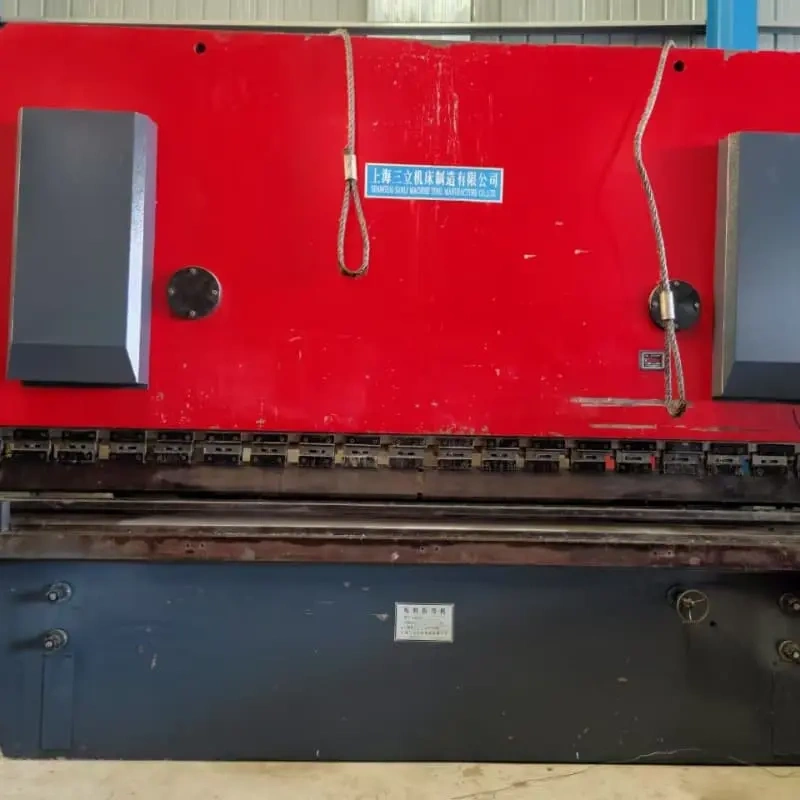
The temptation is understandable. A newer year feels like lower risk. But with sheet-metal machinery, the real depreciation happens in the hydraulics, the backgauge, the blade edges, and the control boards — not in the cast-iron frame. Our job as a buyer is to separate cosmetic age from functional age. In this guide I will walk through the checks we run on every used press brake and guillotine shear before we list it, and the questions you should ask before you commit.
What Should You Inspect First on a Used Press Brake?
A press brake looks simple from the outside, but its accuracy lives in the ram-to-bed relationship. Ignore that geometry and every long bend becomes a guessing game of shimmed dies and reworked parts.
Start with the frame, ram, bed, and hydraulics. Check for cracks, ram parallelism, oil leaks, and gib wear. Then test the backgauge and run a sample bend with your own material before you negotiate.
Frame, Ram, and Bed Come First
The frame is the foundation. Walk the full length of the bed with a straightedge and look for visible deflection, wear on the V-die rails, and oil weeping from the cylinder rod seals. Cracks at the side housings are a deal-killer — they mean the machine has been overloaded or poorly repaired. If I can bring a dial indicator, I measure ram parallelism at three points along the bed. More than a few thousandths of an inch and we are looking at a machine that will struggle to hold angle across a long part.
Tonnage and bed length matter before any of this. A good rule of thumb for mild-steel air bending is roughly one ton per inch of bend per one-eighth inch of thickness, but I always cross-check a real tonnage chart against the worst-case part. Buying a bigger machine than you need is not safer — oversized brakes are slower to set up for small parts and burn more energy. Match the machine to the work, and leave headroom only for realistic growth.
Hydraulics and the Backgauge Tell the Truth
Hydraulic health separates a working asset from a maintenance project. We look for leaks at hoses, fittings, valve bodies, and cylinder glands. We listen for pump cavitation, watch for uneven ram travel, and check whether the oil is dark, foamy, or burnt-smelling. A short demo bend with thin sheet can hide a lot; we prefer to see the machine work at something closer to its rated capacity.
The backgauge is the part of the brake that takes the most abuse. Bent fingers, sloppy lead screws, and an X-axis that will not repeat within a couple of thousandths are all signs of a costly rebuild. A clean, repeatable backgauge is one of the strongest signals that a machine has been cared for. When I inspected a 200-ton CNC brake last quarter, the backgauge moved smoothly through its full travel and repeated within 0.05 mm — that one detail told me more about the machine’s history than the polished paint did.
Controls, Tooling, and the Test Bend
The control is where used press brakes become a minefield. Older Cybelec, ESA, and Delem controls are still serviceable, but replacement boards vary in availability. Before you buy, write down the exact control model and search for parts. If you cannot find a source for a replacement board, either budget for a retrofit or walk away. A retrofit with a modern Delem DA-58T or DA-66T can give a 1980s machine another twenty years of life, but it is a line item, not an afterthought.
Tooling can be worth more than the machine itself. A full set of European- or American-style precision tooling for a 175-ton brake can run $15,000 or more on its own. Get a written tooling list and verify it physically. “Some tooling included” means nothing until you see the dies.
| Press brake type | Typical tonnage | Best suited for | Key trade-off |
|---|---|---|---|
| Manual / mechanical stop | 20–80 tons | Short runs, light sheet metal | Lowest cost, least repeatability |
| Torsion-bar hydraulic | 80–200 tons | Medium-volume repetitive work | Simple and durable, limited axis control |
| CNC electro-hydraulic | 100–400+ tons | Complex geometries, long runs | Higher price, better accuracy and crowning |
| Large-format heavy-duty | 250–600+ tons | Structural steel, tanks, shipbuilding | High tonnage and long bed, high power demand |
The final step is the under-power test. Bring your own material — a piece of 10-gauge and a piece of 1/4-inch mild steel is usually enough. Make a 90-degree bend, check the angle, check springback consistency over a few hits, and listen. Smooth and quiet is good. Coughing, surging, or chattering is bad. anchor text
How Do You Judge a Used Guillotine Shear Beyond Its Age?
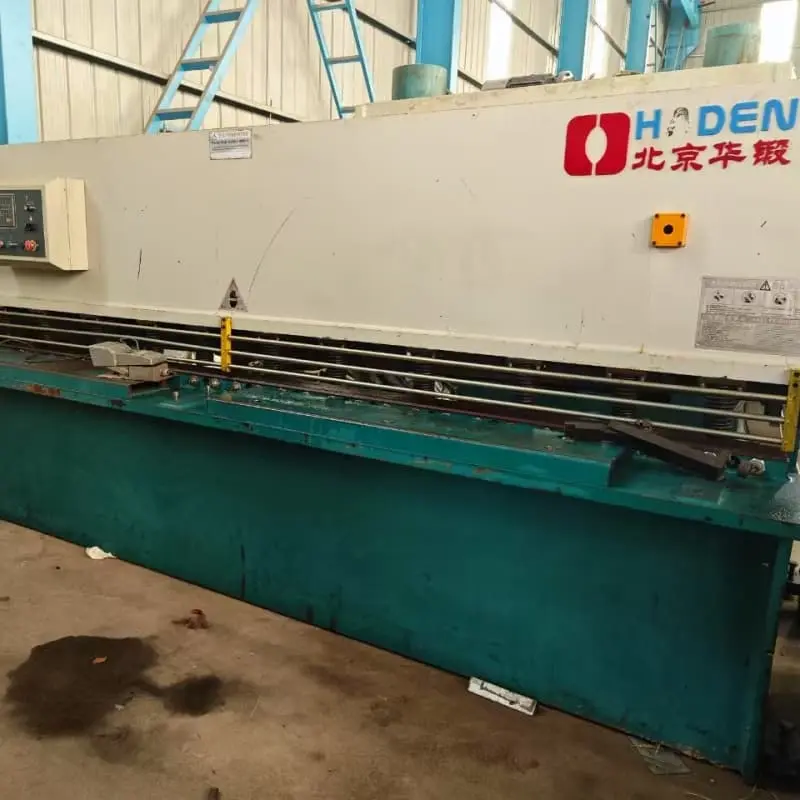
A guillotine shear has fewer moving parts than a press brake, but the parts it does have must be in very good condition. A neglected shear may have worn or mismatched blades, internal hydraulic leaks, or frame twist that turns every cut into a tapered, burred edge.
Inspect blade condition and gap, hold-down pressure, backgauge repeatability, hydraulic leaks, and frame alignment. Finish with trial cuts across the full width at your typical thickness, because a shear’s real condition shows up at the edges.
Blades, Gap, and Hold-Downs
The blade is everything on a shear. Look for nicks, chips, bends, and worn edges. Ask when the blades were last ground and how much life is left. Most blades can be reground three to four times before they are undersized and need replacement, which is a real cost. A tired blade shows up as burr, roll-over, and a cut that is not square through the thickness.
Blade gap is just as important as blade sharpness. For mild steel, the gap should typically be about 0.02 to 0.04 times the material thickness. Cutting 2 mm sheet needs roughly 0.04–0.08 mm of clearance. If the gap is wrong, the blades will chip, the edge quality will suffer, and the machine will need more force than it should. We prefer shears with powered blade-gap adjustment, because manual adjustment is often skipped in busy shops and that neglect costs you blades.
The hold-downs must press the sheet firmly and evenly during the cut. Worn or seized hold-downs let the sheet lift, and the cut wanders. I always run the hold-downs through their full stroke and watch for uneven pressure along the width.
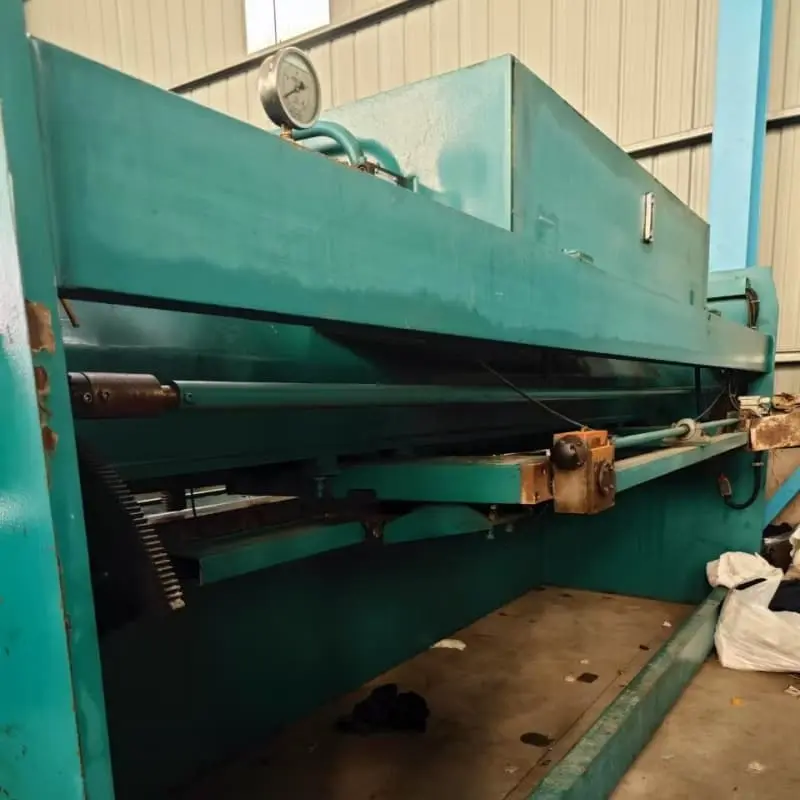
Frame, Hydraulics, and Backgauge
Frame rigidity is especially important on wide shears. For machines over three meters, frame twist or deflection toward the edges can show up as inconsistent cuts. We use feeler gauges, straightedges, and dial indicators to check blade parallelism, squareness, and frame deflection under load. Out-of-parallel blades or a twisted frame are not minor issues — they are expensive or sometimes impossible to fix.
Hydraulic health on a shear follows the same rules as on a brake. Check the pump, valves, hoses, filters, tank, and cylinder rods. Look for leaks, pitting on the rods, oil foaming, and erratic pressure. If the shear has sat idle for a long time, cylinder rod corrosion can damage seals as soon as the machine cycles again.
The backgauge on a shear positions the sheet for each cut. A motorized backgauge with ball-screw drive should move smoothly and repeat accurately. On older machines, a purely mechanical backgauge can be adequate for simple work, but a poorly retrofitted motorized gauge is often a weak link. We measure positioning accuracy at several points along the stroke; anything beyond ±0.10 mm on repeat positioning is a warning sign.
The Trial Cut and Parts Support
Never buy a used shear you have not seen cut your material. Run the machine through its full range, cut plates of different thicknesses across the full width, and check edge quality at both ends. Uneven cut quality, chatter, burrs, taper, or slower-than-spec cycle times are all red flags. anchor text
Parts availability matters for the long haul. Spare blades, hydraulic seals, valves, sensors, and control boards should all be obtainable without a six-week custom order. European brands like LVD, Durma, and Edwards Pearson tend to have better support networks than obscure machines, but the only way to know is to check part numbers before you pay.
| Shear inspection area | What to check | Common red flags |
|---|---|---|
| Blades | Edge condition, matching set, gap adjustment | Chips, mismatch, excessive burr, manual gap never adjusted |
| Hold-downs | Even pressure, full stroke, no binding | Slippage, seized fingers, uneven clamping |
| Frame and alignment | Straightedge, blade parallelism, squareness | Cracks, twist, out-of-parallel blades |
| Hydraulics | Pump, valves, hoses, cylinders, oil | Leaks, rod pitting, dark or foamy oil, pressure drift |
| Backgauge | Repeatability, smooth travel, sensors | Backlash, hesitation, sensor faults |
| Test cut | Edge quality across full width | Burr, taper, chatter, slow cycle |
Which Hidden Costs Can Turn a Discounted Used Brake or Shear Into a Money Pit?
The sticker price is only the opening bid. Controls, tooling, safety retrofits, freight, and refurbishment can push the real cost well past the invoice before the first part is produced.
Budget for control support, tooling, guarding, freight, and refurbishment. A machine that needs a full CNC retrofit, new blade set, or light-curtain install can cost 30–60% more than the asking price, even if the frame is sound.
The Real Price of a Used Machine
Used press brakes track price most closely with tonnage, not brand. Market data from used-machinery listings shows that machines under 60 tons cluster around a $22,500 median, 60–99 tons around $27,990, 100–199 tons around $49,990, 200–399 tons around $69,580, and 400-plus-ton machines around $142,000. In euros, an 80–100 ton synchro brake with a 2000–2500 mm bed typically falls between €8,000 and €18,000, while a 135–200 ton CNC model in good condition ranges from €25,000 to €60,000. Large-tonnage brakes above 250 tons can exceed €80,000.
Those figures are asking prices, not total delivered costs. A 12-foot 175-ton brake weighs more than 30,000 pounds. Rigging, loading, ocean freight, and offloading can add $3,000–$8,000 depending on distance and access. That number should be in writing before you finalize the price.
Refurbishment, Retrofit, and Safety
Even a “good” used brake or shear usually needs new seals, blade sharpening or replacement, alignment checks, and an oil service. If the control is obsolete, a retrofit can run from $10,000 to $30,000 or more. Safety guarding is non-negotiable: a light curtain or laser guard for a press brake can add $4,000–$10,000 depending on bed length. Skipping it is not an option.
| Cost category | Typical range for used brake/shear | When it applies |
|---|---|---|
| Freight and rigging | $3,000–$8,000 | Always; varies by weight, distance, and port access |
| New blade set / blade grind | $1,500–$6,000 | Shears with worn or mismatched blades |
| Tooling set for press brake | $8,000–$20,000+ | When no usable tooling is included |
| CNC control retrofit | $10,000–$30,000+ | Obsolete or unsupported controls |
| Safety light curtain / laser guard | $4,000–$10,000 | Missing or non-compliant guarding |
| Hydraulic seals, oil, filters | $1,000–$4,000 | Machines with leaks or degraded oil |
The best way to avoid surprises is to build a delivered-and-ready budget, not a purchase-price budget. A $25,000 machine that needs $15,000 in immediate work is effectively a $40,000 machine. If that total still beats the new-machine price and delivery lead time, the used route makes sense. If it does not, you are not saving money — you are buying someone else’s deferred maintenance.
Conclusion
Judge used press brakes and shears by what actually wears: the frame, hydraulics, blades, gauging, controls, and tooling. Bring your own material, run live tests, and price in freight, safety, and refurbishment before you sign.