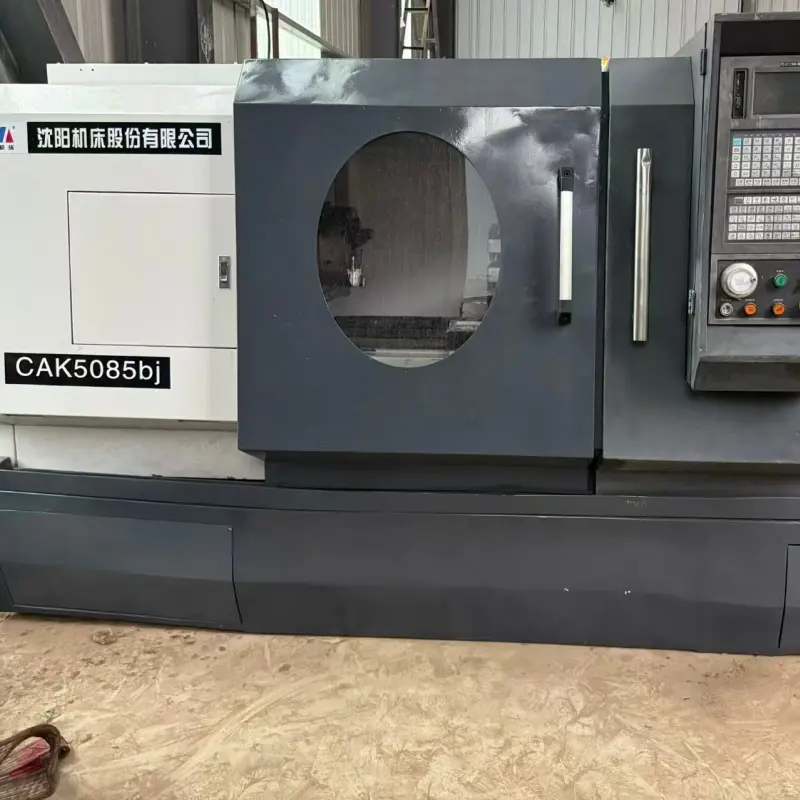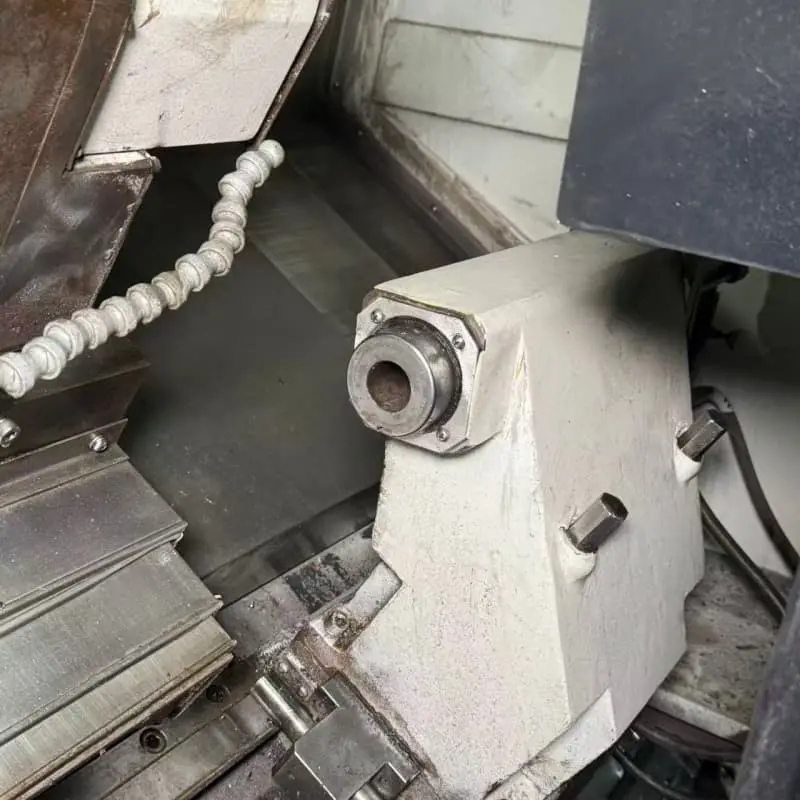
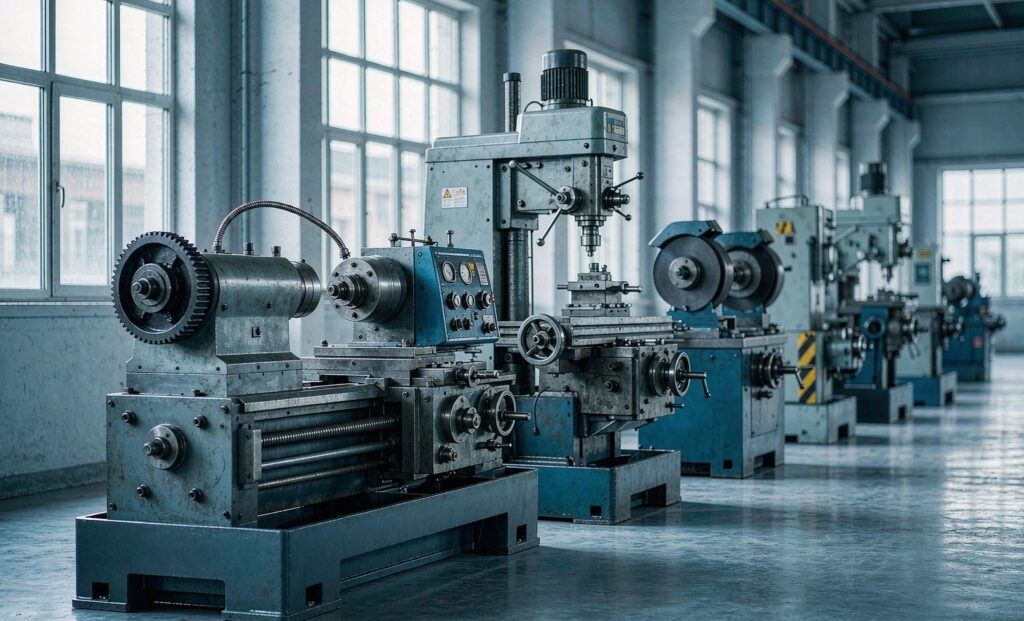
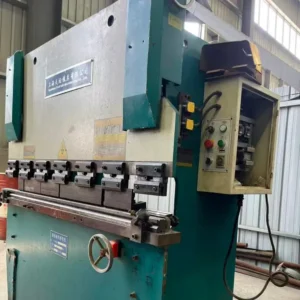
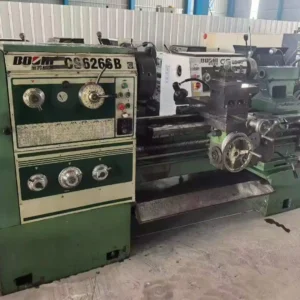
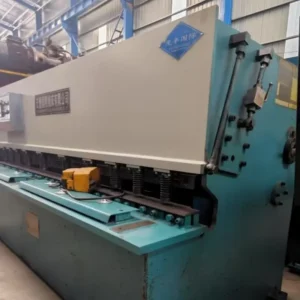
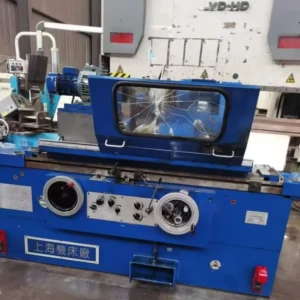
Buying used metalworking machinery on price alone is the fastest way I know to turn a smart saving into a six-figure regret. Most workshop owners we work with in Saudi Arabia, Vietnam, and Mexico learn this the hard way. The right checklist is what turns the gamble into a calculated buy.
The right used metalworking machinery is a machine whose type, condition, hours, and seller match your workshop’s actual production needs, and the only way to confirm that is to inspect it under power with a clear checklist, not just trust the listing photos.
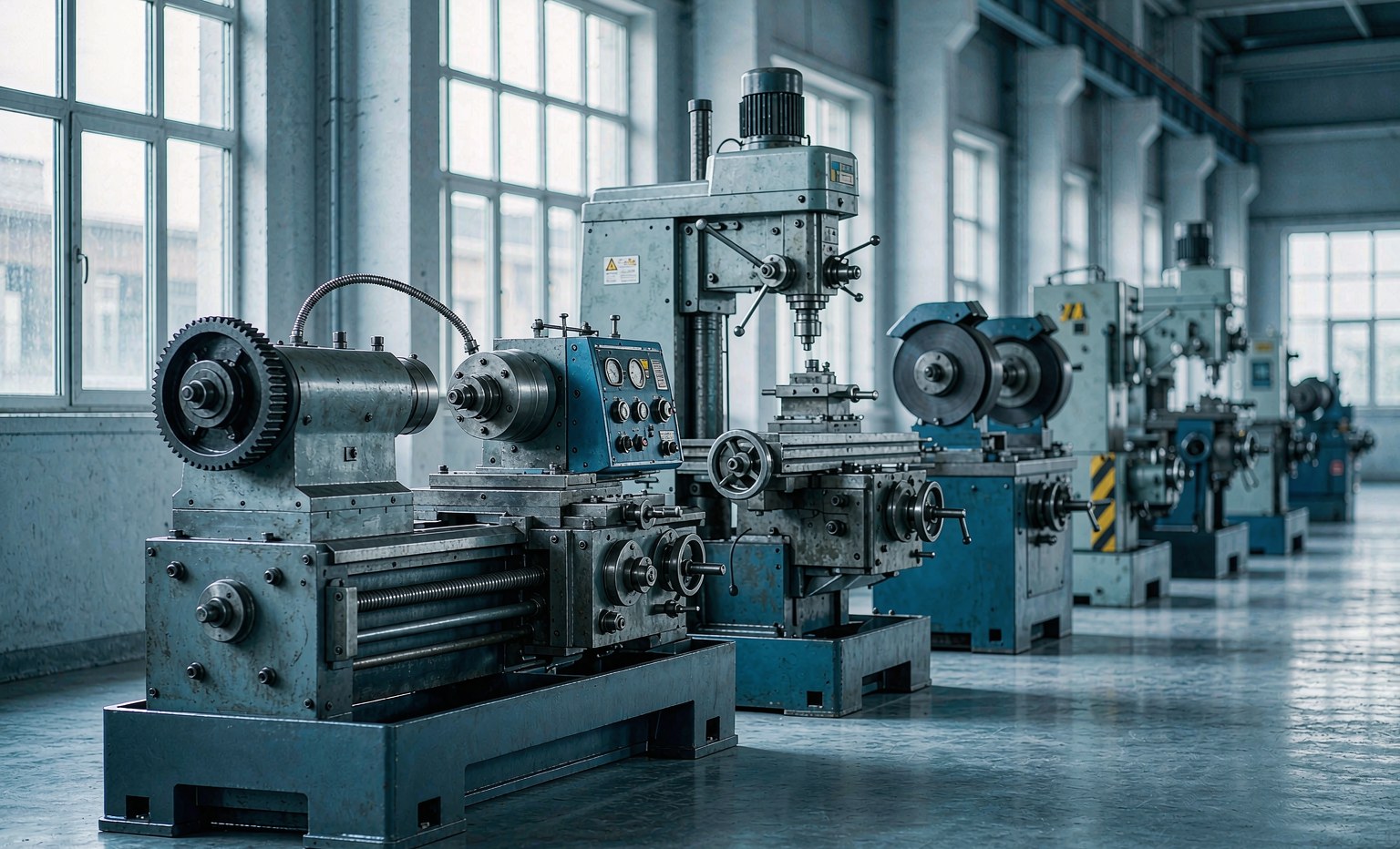
Most buyers I talk to start the search with two questions: brand and price. That is backwards. Start with the part you are actually cutting, the material, the tolerance you need, and the hours you run per shift. When those four things are clear, the brand list and the price band fall out of them. Skip that step and even a properly refurbished machine can become a problem the day it lands in your shop. The rest of this guide walks through the four checks we use on every machine we ship out of Liaocheng, in the order they should happen, before any deposit changes hands.
What Should You Inspect First When Buying Used Metalworking Machinery?
Most bad used machinery buys I have seen came from a buyer who trusted a clean paint job and a friendly email. A clear inspection checklist, run in person with a flashlight and a dial indicator, fixes most of that.
Always inspect under power. Listen to the spindle, jog every axis end to end, cycle the tool changer, and check the way covers, hydraulic lines, and the electrical cabinet before you sign anything.
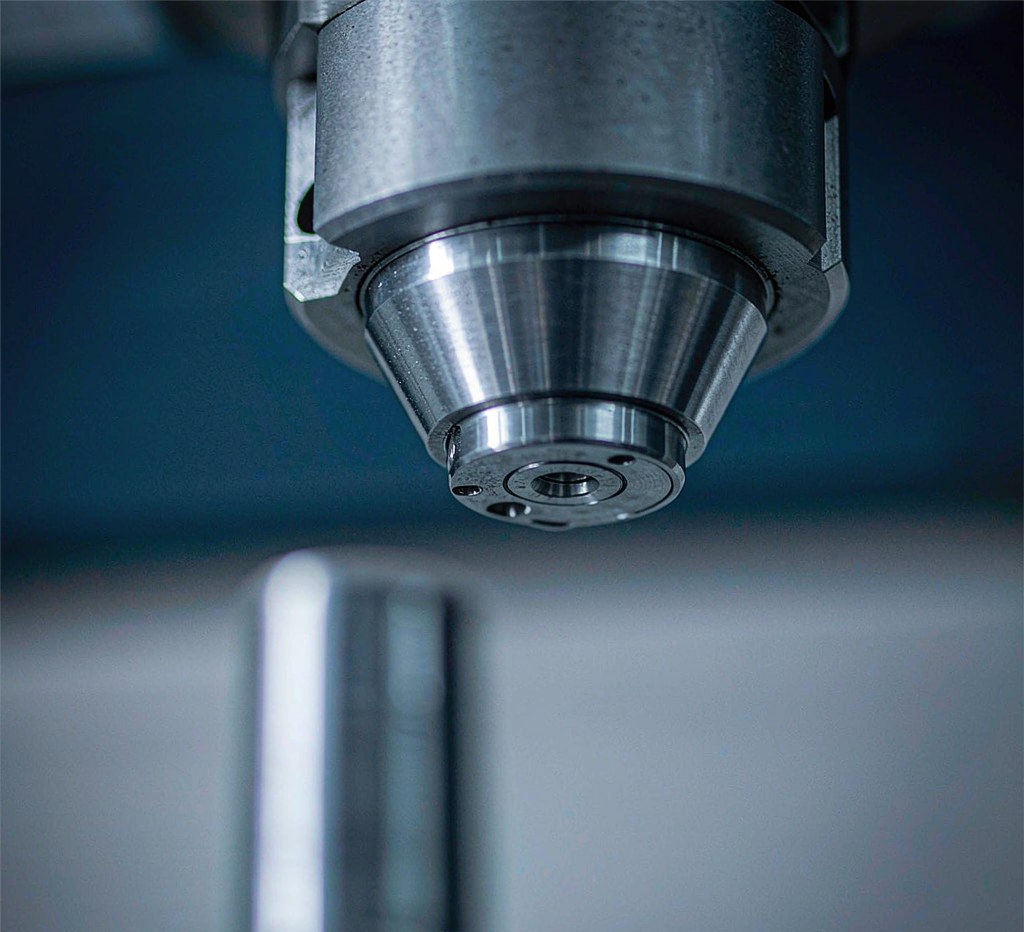
Spindle First, Always
The most expensive thing on any used CNC machine is the spindle, and a quick ear test tells you more about it than any spec sheet. Run the spindle cold at several speeds and listen for whine, grind, or pulsing. A noisy bearing now will become a spindle rebuild inside two years, and that is the single most expensive repair on the machine. After the spindle test, jog every axis through its full travel by hand and feel for binding, stick-slip, or rough patches. These are signs of worn ways or damaged ballscrews, the second most expensive thing on the machine. For a used lathe, also feel the spindle housing after a 10-minute run. If it is too hot to hold, the bearings are at the end of their life. For a used machining center, check the spindle taper with a test bar and dial indicator. Runout above 0.01 mm at the taper is a real problem and a real negotiation point.
Ways, Ballscrews, and Backlash
Pull the way covers back and look at the linear guides or box ways directly. Light scoring is normal on a used machine. Deep grooves, pitting, or chips embedded in the wipers are not. Check backlash on each axis by moving the axis back and forth against a dial indicator. Some backlash is expected on a used machine. The question is whether the backlash compensation parameter is already near its limit. A compensation parameter that is maxed out is hiding real wear, and that wear will show up in your parts. Also run each axis to its full extremes and back. A machine that is tight in the middle but loose at the ends has uneven way wear, and that usually requires professional grinding to fix.
Coolant, Hydraulic, and Electrical
Then check the coolant tank, the chip conveyor, the hydraulic lines, and the cabinet interior. Milky oil means water got in. Metal flakes in the oil mean the internals are grinding themselves apart. Rounded-off bolts, mismatched paint textures, and packing grease are red flags I have seen on too many machines that look too clean for their age. Open the electrical cabinet and look at the boards and wiring. Burnt components, spliced wires, or a fan clogged with dust are all signs of poor maintenance, even if the outside of the machine looks fresh.
A simple rule I share with every new buyer: if the seller will not let you see the machine run, treat the price as scrap value. That single test cuts your risk by more than half. Bring your own dial indicator, a precision test bar, and a flashlight. Sellers who are confident in their machines will not object.
| Inspection Point | What to Check | Red Flag |
|---|---|---|
| Spindle | Run cold at multiple RPMs, listen | Whine, vibration, pulsing, hot housing |
| Spindle Taper | Test bar plus dial indicator | Runout above 0.01 mm |
| Axes / Ways | Jog full travel, feel for binding | Sticky spots, rough patches |
| Ballscrews | Inspect threads, measure backlash | Backlash above 0.05 mm, compensation maxed |
| Way Covers | Pull back, inspect ways directly | Chips inside, damaged wipers |
| Coolant | Check oil and tank | Milky, metal flakes, sludge |
| Electrical | Open cabinet, inspect wiring | Burnt boards, spliced wires |
| Tool Changer | Cycle repeatedly | Slow indexing, misalignment |
How Do Hours and Maintenance Records Affect Your Buying Decision?
Hours on a used machine are not a verdict. They are one input into a verdict. The same hour count on the same model can be a bargain or a trap, depending on what the machine was cutting and whether the seller can show real records.
Ask for three numbers: power-on hours, spindle hours, and the date of the last spindle rebuild. Match those numbers against the visible wear on the machine, not against the asking price.
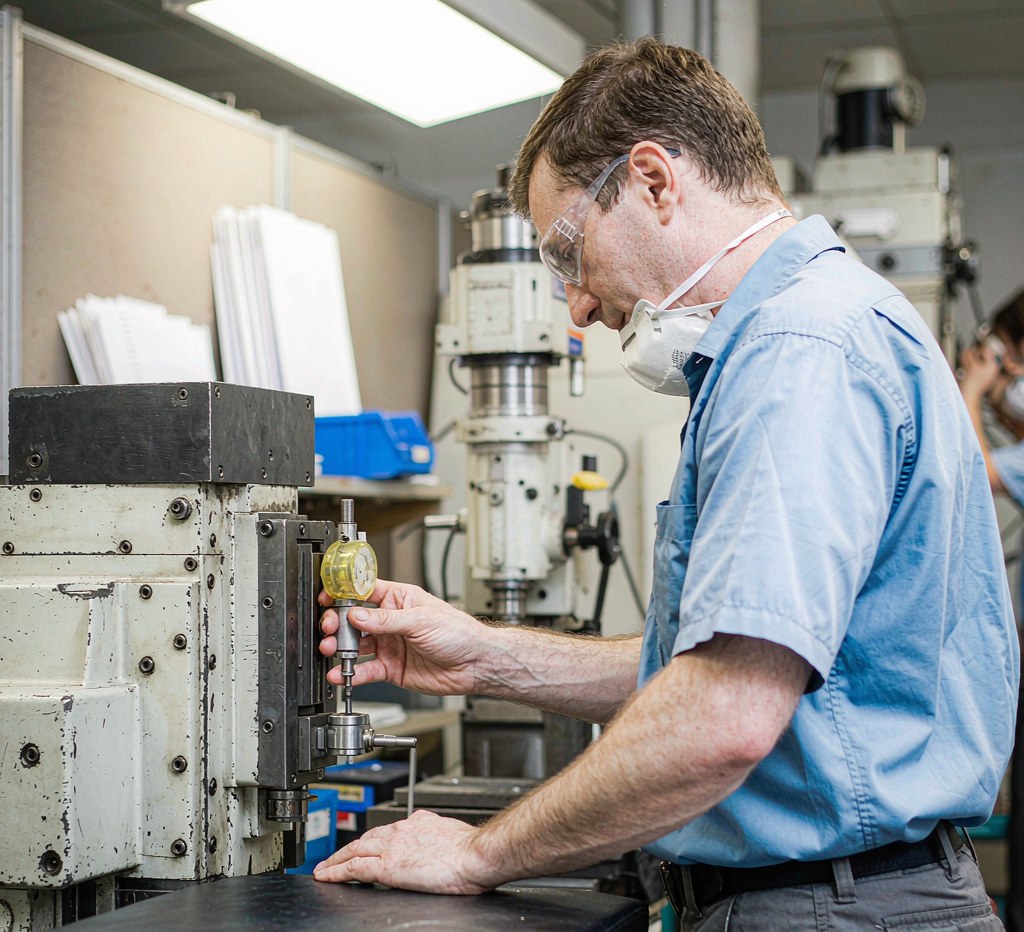
Hours Are Context, Not a Verdict
A 15-year-old CNC lathe with 6,000 spindle hours and documented preventive maintenance will often outperform a 5-year-old machine with the same hours that ran two shifts cutting tool steel with no service log. The first machine was respected. The second was used until it cried.
What matters is the gap between the visible condition and the claimed hours. If a machine looks pristine but claims 20,000 spindle hours, something does not add up. Either it was rebuilt, or the hour meter was reset. Ask directly. Honest sellers will tell you. Dishonest sellers will not. A machine that was used for light aluminum work for 15,000 hours will look very different from one that cut Inconel for the same time, and the price should reflect that.
The Four Documents That Matter
We ask every seller for the same four documents before we ship a machine to an overseas buyer. If a seller cannot provide any of these, that is not a hard no, but it is a clear haircut on the price. Budget 15% to 25% for risk if records are missing.
| Document | Why It Matters |
|---|---|
| Purchase invoice with serial number | Proves ownership and serial number match |
| Preventive maintenance log | Predicts future service needs |
| Repair invoices, especially for spindle, drives, ballscrews | Shows what has already failed |
| Current accuracy report (laser interferometer or ballbar) | Confirms the machine still holds tolerance |
A useful buyer trick: ask the seller for the alarm history file from the CNC control. Most Fanuc, Siemens, and Mazak controls keep a log of the last few hundred alarms with timestamps. That file is harder to fake than a paper log, and it tells you what kind of failures the machine has actually had. If the seller cannot produce the alarm log, ask why. A reset alarm log is not necessarily a deal-breaker, but it deserves a question.
Which Machine Type Matches Your Workshop’s Real Production Needs?
The cheapest used machine that fits your work is the right machine. Anything more is dead capital. A 5-axis machining center sounds impressive on the shop floor but it is useless to a shop that cuts shafts and bushings all day. Match the machine to the part, not the marketing.
Start with the part: material, size, tolerance, and annual volume. Let those four answers pick the machine type and size, not the seller or the deal.
| Machine Type | Best For | Common Use Case |
|---|---|---|
| CNC Lathe (2-axis) | Shafts, bushings, flanges | Job shop turning |
| VMC | Boxes, brackets, prismatic | Mold and automotive |
| HMC | Long cycle prismatic | Engine blocks |
| Surface Grinder | Flat finishing | Toolroom, dies |
| Press Brake | Sheet metal bending | Fabrication |
| Shear | Sheet metal cutting | Fabrication |
Match Size to Your Largest Part, Not the Largest Machine Available
The size question is where buyers most often overbuy. A machine with 30 inches of swing does not help you if your biggest part is 12 inches across, and it costs more to ship, more to power, and more to level. Buy the smallest machine that will hold your biggest part with margin. That is the cheapest one to run, the cheapest one to maintain, and the easiest one to resell. The same logic applies to travel on mills and bed length on press brakes. Bigger is not better if it does not match the parts you actually cut.
Brand Considerations
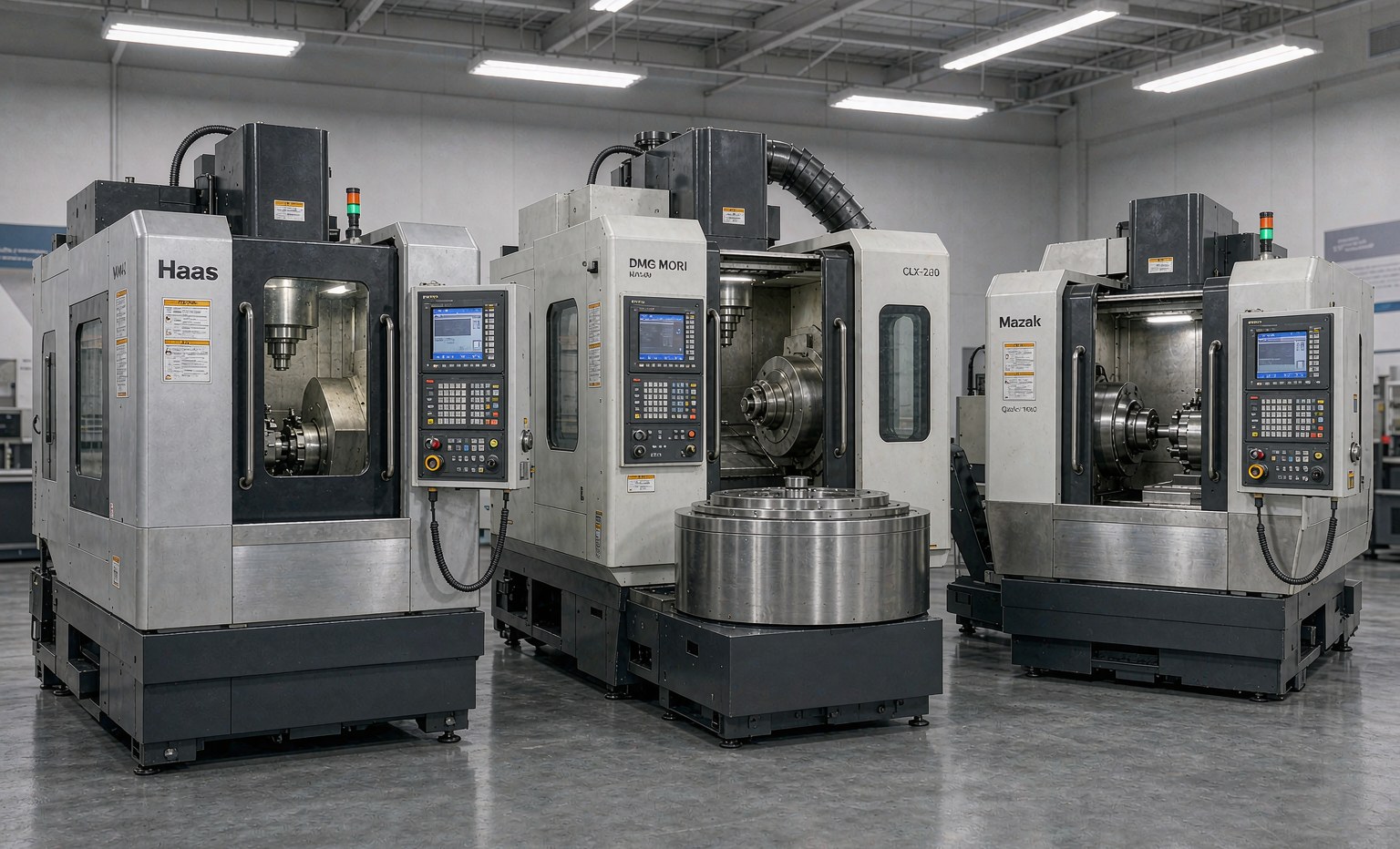
For brands, Haas, Mazak, Doosan, Okuma, and DMG MORI all hold value well and have widely available parts. Older Fanuc and Siemens controls are usually well supported, even on 15-year-old machines. Cheap, off-brand CNC machines look attractive on price but parts lead times and control support get painful fast, especially outside the major industrial clusters. When in doubt, buy the boring brand with the long parts catalog.
Common Pitfalls
A few common pitfalls I see over and over. First, buying a used CNC for a job that a manual machine would handle better and cheaper. CNC is not always the right answer. For one-off repair work or prototype fabrication, a good used manual lathe or mill will save you money and downtime. Second, buying a CNC lathe with live tooling and a sub-spindle because the listing mentions both, when your parts are simple two-axis turned parts. The extra options are nice to have, but they cost more to maintain and break more often. Third, buying based on maximum envelope rather than typical envelope. Your typical part should sit comfortably in the middle of the machine’s working area, not at the extreme end of every axis.
One observation from our shop floor: the buyers who do best on a used machine are the ones who can show me a print of their top three parts on the table when we discuss a quote. The ones who cannot are the ones who later regret the purchase. The print makes the buying decision concrete, and it forces the conversation away from price toward fit.
How Do You Avoid Cross-Border Risks When Sourcing Overseas?
Buying used metalworking machinery across a border adds a second layer of risk on top of machine condition risk. Most disputes I have mediated came from packing, documentation, and shipping damage, not from the machine itself. These are solvable before any money is wired.
Always ask for three things before payment: real running videos of the machine, photos of the actual packing method, and a clear Incoterm with the seller responsible for export documentation and a seaworthy wooden case.
Videos Beat Photos Every Time
Running videos are non-negotiable. A 60-second video of the machine under power, cutting a part or at least jogging every axis, tells you more than 50 photos. If a seller will not send one, walk away. We send videos for every machine that goes to a buyer we have never met in person, and we send packing photos for every shipment. It costs us nothing and it removes the largest single cause of cross-border complaints. The videos should show the machine powered on, the spindle running through its speed range, every axis moving through its full travel, the tool changer cycling, and ideally a test cut in metal with the part being measured after.
Packing Is the Second Largest Risk
A used machine without proper export packing will arrive with coolant leaks, surface rust, or broken way covers. A proper export pack is a seaworthy wooden case, internal anti-rust film, foam bracing on moving parts, and a desiccant pack. Ask the seller to send photos of the actual packing before shipment. If they cannot, that is a sign you will receive a damaged machine. The wooden case should be fumigated and ISPM 15 stamped for ocean freight. Loose tarps and stretch wrap are not packing, they are hope.
Documentation, Payment, and SGS Inspection
Make sure the seller is responsible for the export documents, the commercial invoice, the packing list, and the certificate of origin. Most reputable Chinese suppliers, including our own team in Liaocheng, will support SGS or third-party inspection before shipment. Pay the small fee. It is cheap insurance against a much larger mistake. The inspector should run the machine, verify the serial number, photograph key components, and confirm the packing meets the contract.
A small but real piece of advice: pay in stages if the order is large. A typical structure is 30% deposit, 60% against shipping documents, and 10% after arrival inspection. This keeps both sides honest and gives you leverage if the machine arrives damaged or missing accessories. For repeat orders, you can negotiate tighter terms based on track record.
Also arrange marine cargo insurance from the seller’s warehouse to your final destination. The premium is usually 0.3% to 0.5% of the machine value, and it covers the risk that your forwarder or the carrier will not. Even a properly packed machine can shift in a hold, hit a storm, or sit in a flooded container yard for a week. Insurance turns a potential total loss into a recoverable claim. Confirm with the seller whether they include insurance in their quote or whether you need to arrange it through your own broker. For one-off purchases under $20,000 the math often does not justify insurance, but for larger shipments it is non-negotiable.
| Cross-Border Risk | How to Mitigate |
|---|---|
| Machine condition | Running video, SGS inspection before shipment |
| Packing damage | Photo of actual packing, seaworthy ISPM 15 case |
| Documentation | Seller responsible for export docs |
| Spare parts | Confirm parts availability for model before payment |
| After-sales | Written warranty terms in contract |
| Payment | L/C or staged payment, not 100% upfront |
| Ocean transit | Marine cargo insurance from warehouse to destination |
Conclusion
Used metalworking machinery can save you 30% to 70% over new when the machine, hours, records, and seller all match your real production needs.