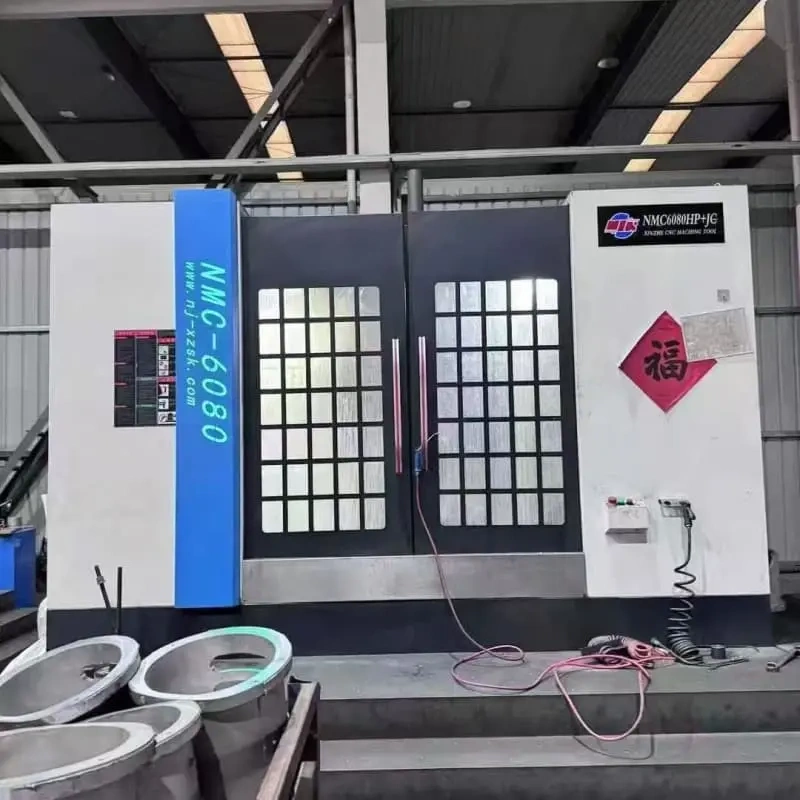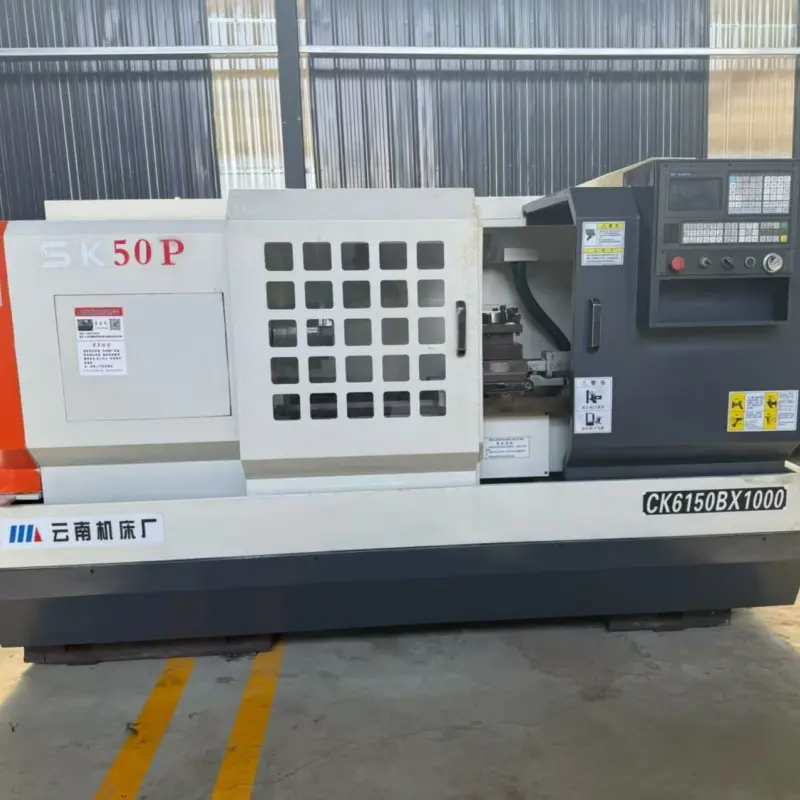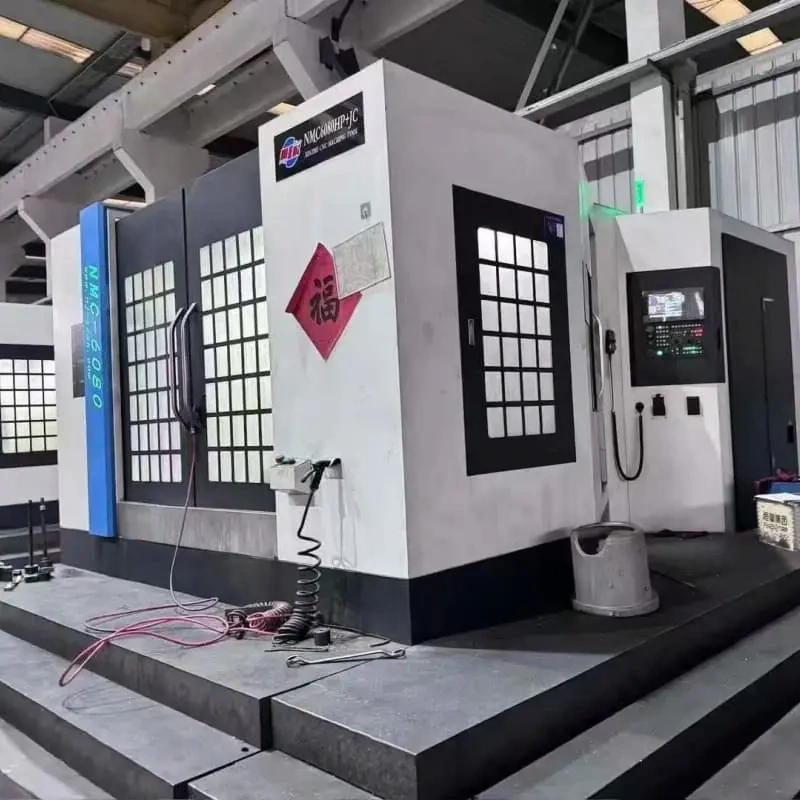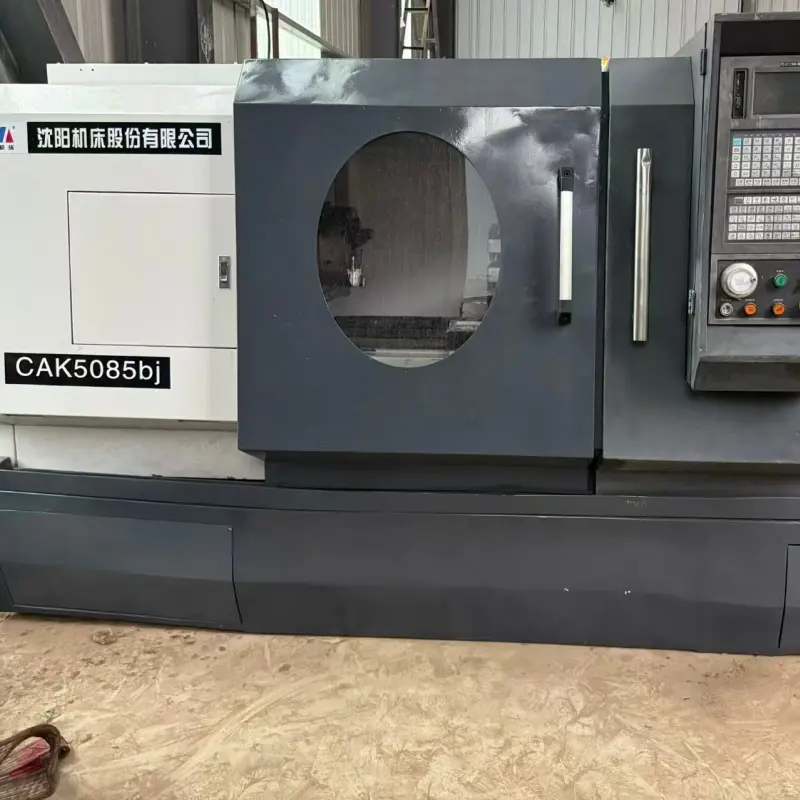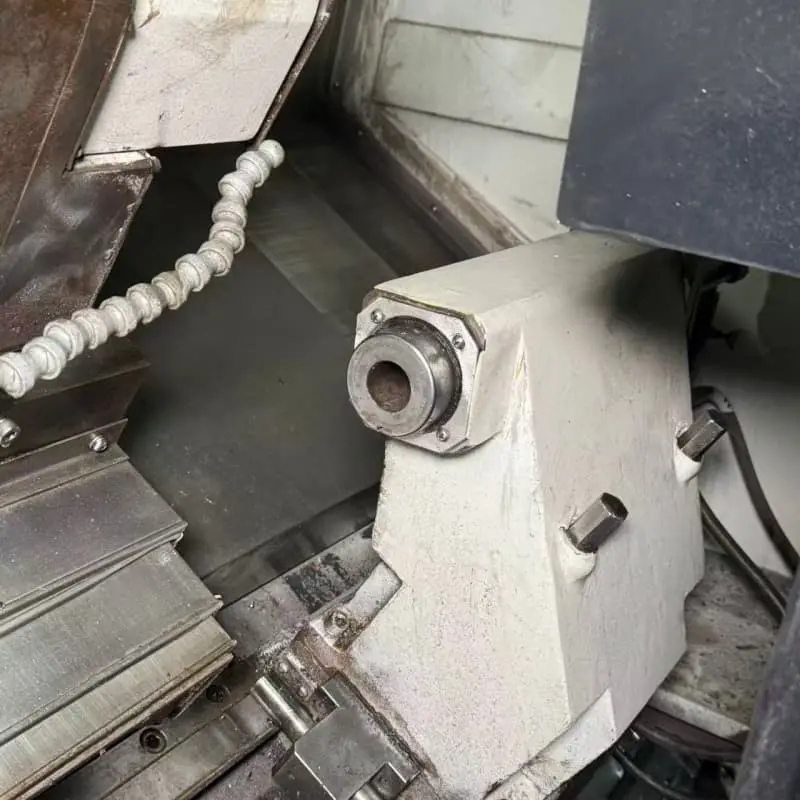
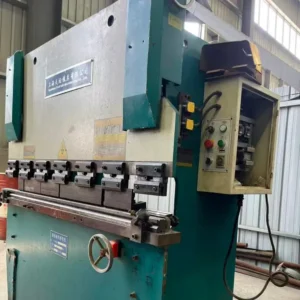
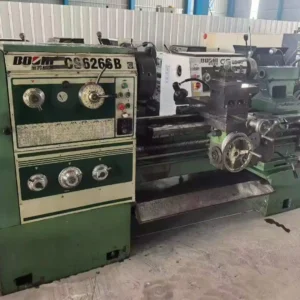
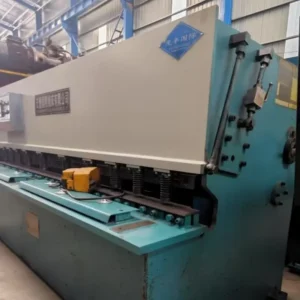
Buying used metalworking equipment from another country is risky because you cannot walk up to the machine and touch it before you pay. One bad container can stall a production line for months. The good news is that nearly every cross-border risk can be controlled with a simple, repeatable sourcing process.
Safe cross-border sourcing of used metalworking equipment comes down to four controls: verify the supplier with a factory audit, demand third-party inspection and complete export documents, match the trade terms to your risk appetite, and pay against milestones instead of a full upfront transfer.
I have spent years shipping used lathes, milling machines, shears, and press brakes out of China to buyers in Vietnam, Saudi Arabia, Mexico, and beyond. Almost every souring story I have heard follows the same pattern: a great price, a fast decision, and no verification. The buyer saves a week of due diligence and then spends six months fighting a dispute. This guide walks through the checks that separate a reliable used machinery supplier from a gamble, and it uses only the lessons we learned on real shipments.
How Do You Verify a Used Machinery Supplier Before Money Moves?
A supplier with a beautiful website can still be a one-man trading desk with no yard, no technicians, and no idea what is actually in the photos. If you wire a deposit to the wrong kind of company, no inspection report can save the deal afterwards.
Verify a used machinery supplier by auditing the physical facility, not the brochure. A genuine exporter owns or controls a real stockyard, employs technicians who can run the machines, and willingly shares registration papers, past bills of lading, and customer references. Refusal to allow any of these is your exit signal.
Audit the Yard, Not the Website
The single best filter in cross-border sourcing is a factory or warehouse audit. You are checking one thing: does this company physically control the machines it sells? A real used machinery dealer can show you a yard full of stock, staff on site, and service records for individual units. A trading company reselling from someone else’s yard usually cannot, because it never sees the machines between purchase and shipment.
When we work with new buyers, we always offer a live video walkthrough of the specific machine before any deposit. I remember a buyer in Southeast Asia who told me his previous supplier shipped him a lathe that looked nothing like the listing photos. When I asked whether he had ever seen that machine running on video, the answer was no. That single missing step caused the whole dispute, and it costs nothing to fix.
Ask for the Paper Trail Early
Company registration documents, copies of past packing lists and bills of lading, and two or three customer references should be standard requests, not special favours. A professional exporter answers these within a day. Slow, vague, or evasive replies on basic documents tell you how the supplier will behave when a real problem appears at your port.
Red Flags That Should End the Conversation
| Warning Sign | What a Serious Exporter Does Instead |
|---|---|
| Price far below market with no explanation | Explains the machine’s history and justifies the price with hours, year, and condition |
| Refuses a yard visit or live video tour | Invites you to inspect, in person or on camera, any day of the week |
| No maintenance records or hour meter data | Provides service logs, hour readings, and photos of the nameplate and serial number |
| Vague answers about who owns the machine | Confirms stock ownership and can show the machine in its own yard |
| No third-party inspection offered | Supports SGS or another inspection agency and waits for the report before shipment |
| Certificates that apply to a model, not your unit | Provides documents tied to the exact serial number you are buying |
One more thing I tell every first-time importer: pay attention to how fast and how clearly the supplier answers technical questions. Communication speed before the order is the best predictor of communication quality after the order. This is exactly why our team assigns a dedicated export sales manager to each account, so a buyer in Riyadh or Manila always reaches the same person who knows the machines on the floor.
Which Inspections and Documents Protect You Before Shipment?
You cannot stand next to the machine, so the inspection and the paperwork must do that job for you. This is the most technical part of cross-border sourcing, and it is where the expensive mistakes hide.
Protection before shipment comes from two layers: a technical inspection you commission and an export document set the supplier prepares. The inspection confirms the machine’s real condition under power; the documents make sure that exact machine, with its serial number, clears customs in your country without detention, fines, or reshipment.
Commission an Independent Inspection
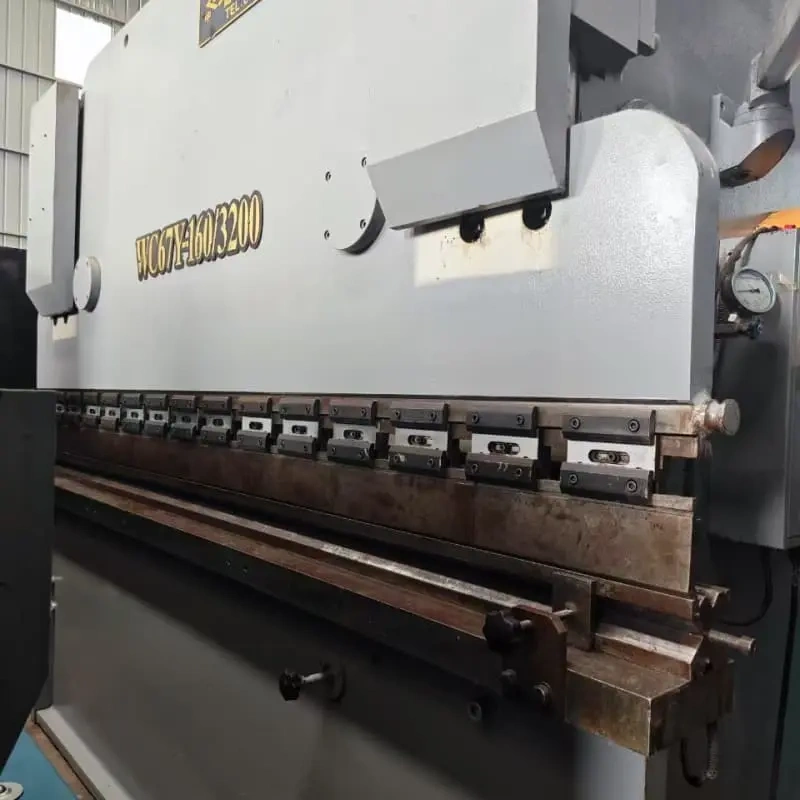
For any serious capital purchase, hire a third-party inspection agency such as SGS, TÜV, Bureau Veritas, or a qualified local machinery inspector in the seller’s country. A proper used machine inspection covers the machine identity and nameplate, structural condition, hydraulics, electrics, control system, safety devices, and a no-load and, where possible, loaded running test, with photos and video as evidence. Typical inspection fees for a single machine run in the range of a few hundred dollars — commonly quoted around 250 to 350 USD — which is trivial next to the value of the machine. [Zora will replace with our standard inspection fee if we want a specific number]
Ask for a precision report where it matters. For CNC machines, a ballbar test or laser interferometer report on positioning accuracy is worth more than any photo gallery. On conventional lathes and mills, I look at the spindle, the ways, and the backlash under power. Videos should show every axis running, the tool changer cycling, and the control screen with no alarm history hidden. On our own floor, we film the machine running at each speed range before we even quote it, because a buyer who sees the machine work rarely argues about condition later.
A buyer from Saudi Arabia we worked with — a fabrication shop that buys CNC lathes, shearing machines, and hydraulic press brakes in batches — told us he had been burned before by suppliers who sent no videos and refused inspection support. On his first order with us, we sent running test videos before he confirmed the order, supported a third-party inspection before shipment, and packed everything in wooden cases with anti-rust protection. The machines arrived matching the videos, and he has reordered since. The lesson is simple: inspection before payment is a right, not a favour.
Get the Export Document Set Right
The second layer of protection is paperwork. Customs in your country does not care how good the machine is; it cares whether the documents match the cargo. Every document below should name the same machine, the same serial number, and the same figures, or you invite inspection delays and storage charges.
| Document | What It Proves | Common Mistake Buyers Make |
|---|---|---|
| Commercial invoice | Price, model, year, and terms for customs valuation | Accepting an invoice with no serial number or year |
| Packing list | Weight, dimensions, and case contents | Not checking that crated weight matches the machine spec |
| Bill of lading | Legal title and shipment details | Letting the shipper name differ from the invoice seller |
| Pre-shipment inspection certificate | Third-party confirmed condition before loading | Treating the report as optional on high-value units |
| Certificate of origin | Where the machine was exported from | Assuming it transfers automatically with the machine |
| Maintenance and service records | The machine’s real working history | Relying on verbal condition claims |
The bill of lading, packing list, and invoice must agree with each other, because any mismatch can trigger a customs hold. This is also the stage where a professional logistics partner earns their fee: they classify the HS code correctly, arrange the right container — open-top or flat-rack for oversized machines — and cover the cargo with full transport insurance. Skilled freight forwarders who handle precision equipment routinely prevent the most common failure, which is a documentation inconsistency discovered at the destination port.
One practical habit from our loading bay: we photograph every crated machine from four angles plus the serial plate before the container door closes. When a buyer in Mexico asked about a scuff on a machine guard last year, we sent the loading photos within the hour and the claim closed the same day. Documentation is not bureaucracy; it is your evidence chain.
What Do Trade Terms, Payment Methods, and Landed Costs Actually Look Like?
Even a perfect machine at a fair price becomes a bad deal if the trade terms, payment structure, or landed cost math are wrong. This is the commercial half of cross-border risk, and it is fully in your control.
Match the trade term to how much risk you want to carry, pay against milestones rather than one full transfer, and budget the total landed cost — machine price plus freight, insurance, duties, VAT, inland transport, and inspection fees — with a 10 to 15 percent contingency reserve on top.
Choose the Trade Term Deliberately
The trade term decides who owns the risk at every stage of the journey. Most used machinery deals sit on FOB or CIF, and each shifts responsibility differently.
| Trade Term | Seller Covers | Buyer Bears | Best For |
|---|---|---|---|
| EXW | Makes the machine available at the yard | Everything: loading, export, freight, insurance, import | Buyers with their own forwarder in China |
| FOB | Loading, export clearance, delivery to the port | Ocean freight, insurance, import clearance, duties | Experienced importers with a trusted carrier |
| CIF | Ocean freight and insurance to your port | Import clearance, duties, inland transport | First-time importers who want fewer moving parts |
FOB gives you control over the carrier and usually the best freight rate. CIF bundles the shipping risk with the seller, which is simpler when you are buying your first container. What I avoid recommending is EXW for a first-time buyer of heavy machinery, because arranging export clearance and heavy loading from abroad is exactly the kind of cross-border risk you are trying to remove.
Structure Payments Against Milestones
Never send a full upfront wire to a supplier you have not traded with. The standard protective structure is a deposit to start the order, inspection of the machine before the balance, and shipment only after the documents are confirmed. A letter of credit adds bank-level security for larger deals, and third-party escrow releases funds only after confirmed receipt. If a supplier pushes back against a pre-shipment inspection holding the balance, ask yourself what they know about the machine that you do not.
Budget the Full Landed Cost
The machine price is only the first line. Your total landed cost adds international freight, insurance, export and import duties, VAT, inland transport, customs agent fees, and the inspection fee. Duty and VAT rates vary by destination — many markets apply single-digit to low-teens duty on machine tools plus a value-added tax on top — so confirm the exact rates with your customs broker before you compare supplier quotes. Then hold a 10 to 15 percent contingency reserve, because the shipment that surprises you is always the one you did not budget for.
A quick example with round numbers: a used CNC lathe quoted at 20,000 USD FOB [Zora will replace with a real stock example] might add 2,000 to 3,500 USD in freight and insurance to Southeast Asia or the Gulf, plus duties and VAT at your port, plus a few hundred for inspection and inland haulage. The realistic landed figure lands near 26,000 to 28,000 USD. Buyers who only compare the 20,000 against a competitor’s quote miss the real comparison, which is landed cost against landed cost.
The same logic applies to after-sales risk. Spare parts availability, wiring diagrams, and remote technical support belong in the purchase decision, not the warranty claim. We ship a spare-parts kit and full documentation with every machine, and we keep our export packing to wooden cases with anti-rust treatment, because a machine that arrives damaged has already failed the risk test no matter how well it ran in the yard.
Conclusion
Verify the supplier, inspect before payment, align your documents, and price the full landed cost. Follow those four steps and cross-border sourcing of used metalworking equipment becomes a repeatable advantage instead of a gamble.