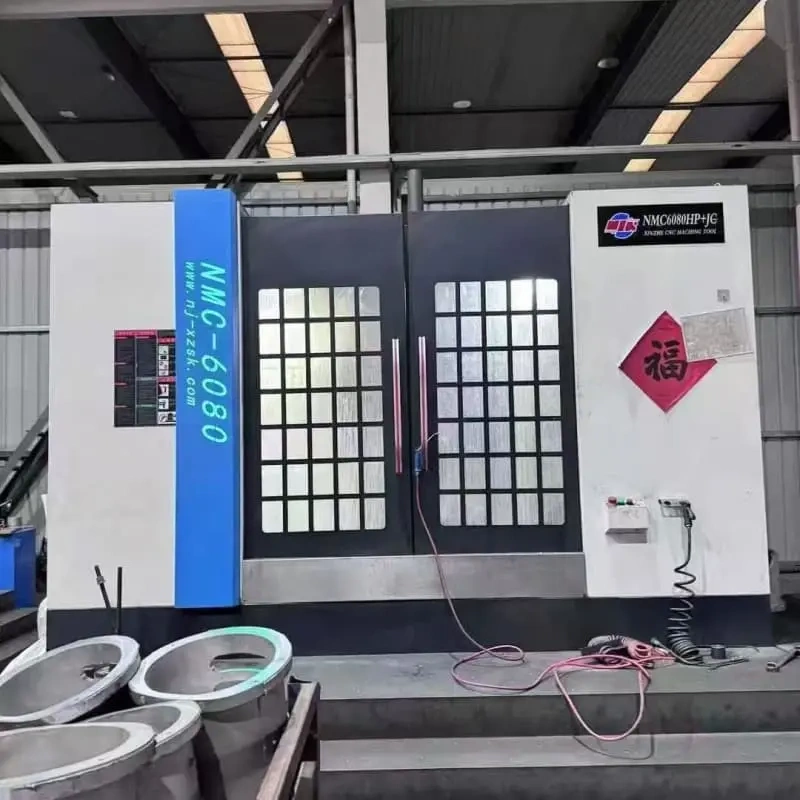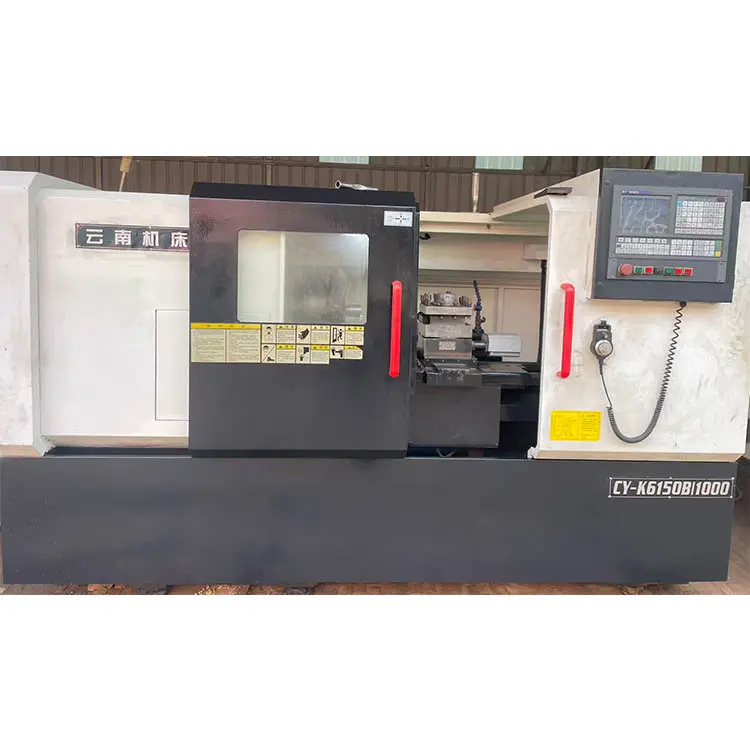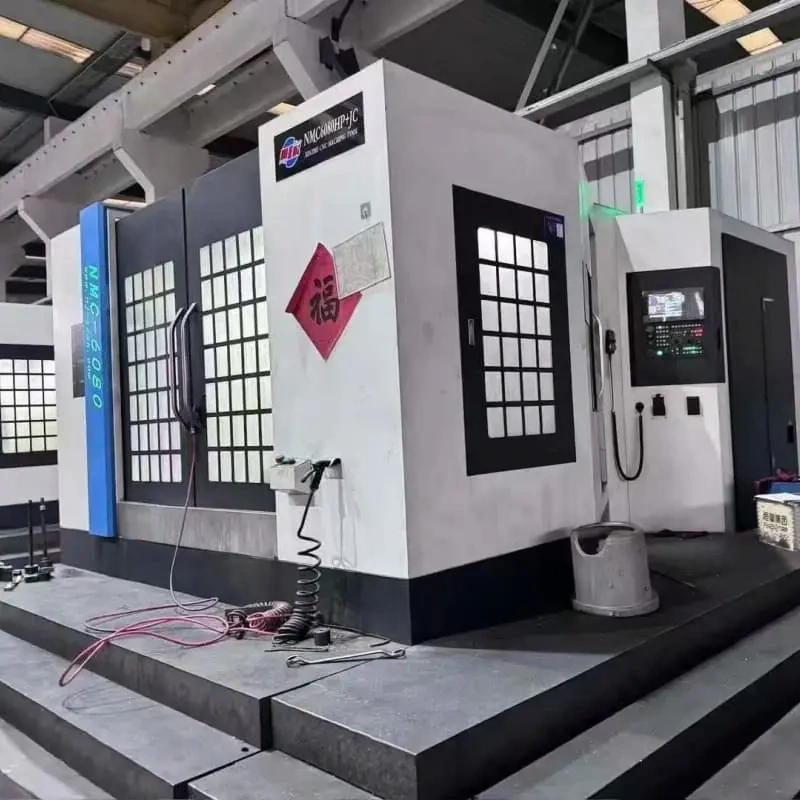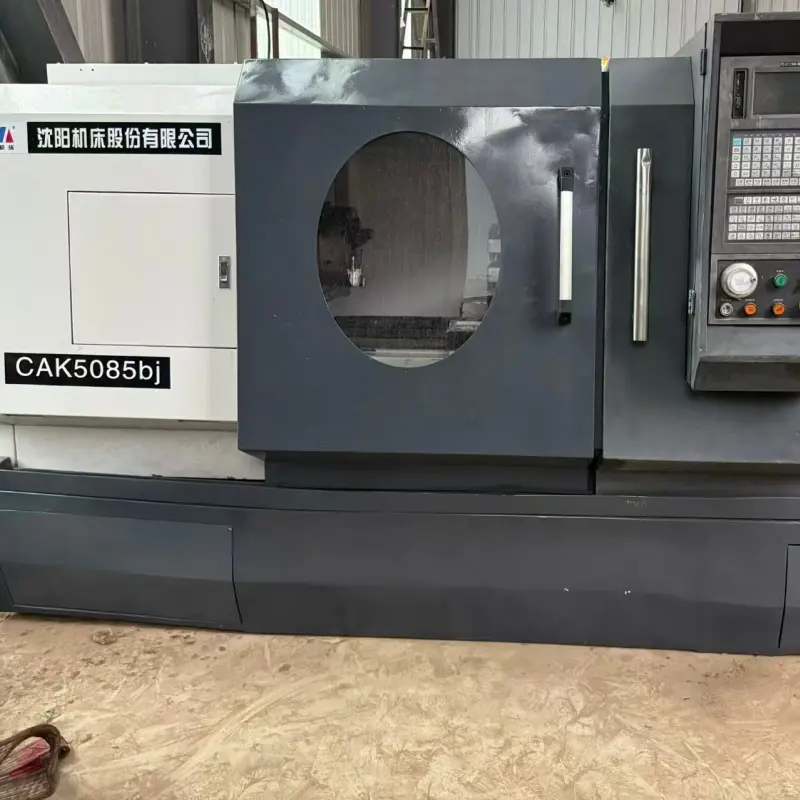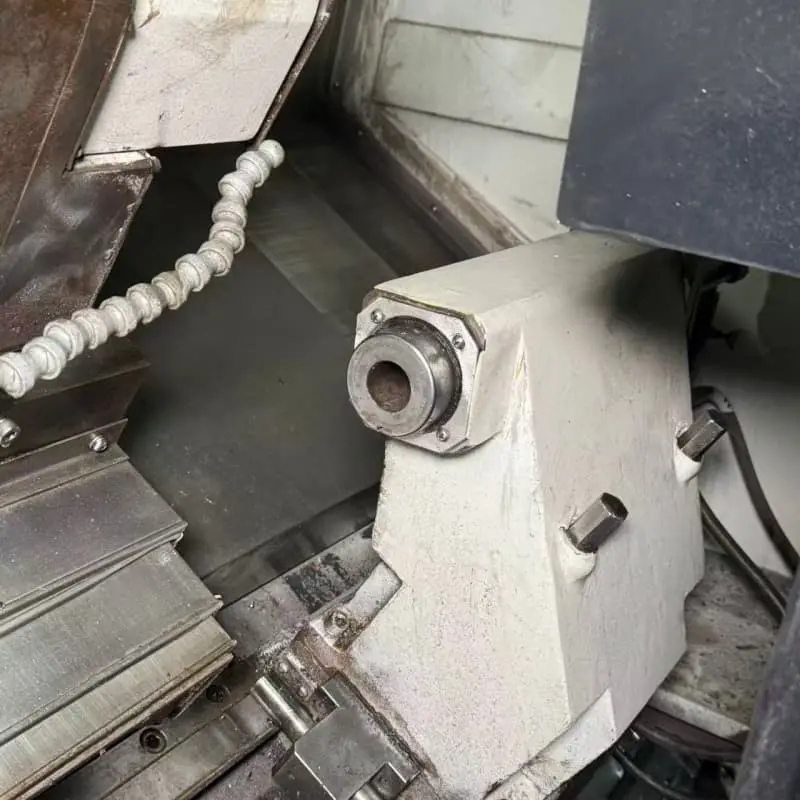
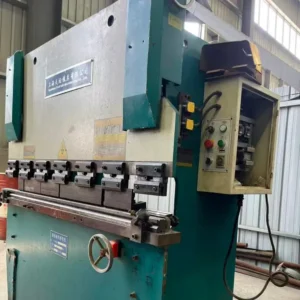
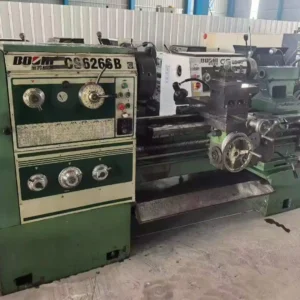
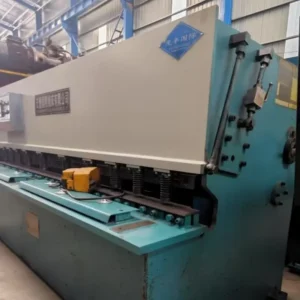
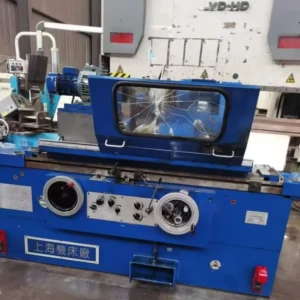
A configured CNC lathe or machining center from a major OEM now ships in twelve to eighteen months on a normal booking, and longer on the heavy-duty or 5-axis configurations that job shops and tier-one suppliers actually need. A shop that orders a new machine in March may not see it commissioned until the following summer, and the customers waiting on the production capacity do not care whose fault the delay is. A used, properly inspected machine can close that gap in two to six weeks, which is why more procurement managers I talk to in our Liaocheng yard are rebuilding their capacity plans around pre-owned equipment than they were three years ago.
A used metalworking machine is the smart answer to a long OEM lead time when the buyer’s required tolerance, control generation, and wear-part supply match the machine’s measured condition, when the seller provides pre-shipment inspection videos, and when the two-to-six-week shipping window lines up with the buyer’s production calendar instead of their purchasing budget cycle.
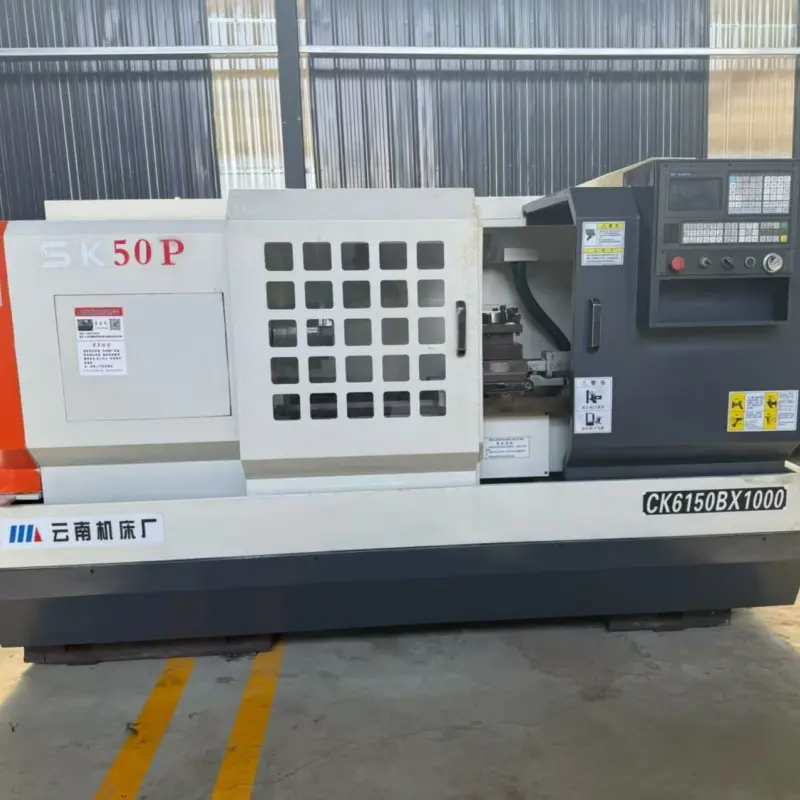
Most of the calls we take from buyers shopping for used machinery are no longer about price. They are about timing. The buyer has a confirmed order from a downstream customer, a hiring plan already in motion, and a shop floor with a vacant bay that is costing rent every month it stays empty. The question they bring us is whether a used machine can carry the load until a new machine arrives, or in many cases, whether a used machine replaces the new order entirely. The four sections below walk through what is happening with OEM lead times, what the hidden costs of waiting look like, how a pre-owned machine can be the smart move, and when the right answer is still to wait for new.
How Long Are OEM Lead Times for New Metalworking Machinery Today?
New CNC machine tool lead times have stretched dramatically since 2022, and they have not returned to the eight-to-twelve-week window that procurement managers used to plan around. A stock CNC lathe from a major brand now ships in three to six months; a configured CNC vertical machining center typically takes six to nine months; a heavy-duty 5-axis machining center or a large boring mill is on a twelve-to-eighteen-month booking. During the worst of the supply chain disruption some brands quoted lead times beyond twenty-four months on their flagship lines, and while those extreme numbers have eased, the structural causes — long-lead bearings, foundry capacity, drive electronics, and skilled assembly labour — have not gone away. The result is that a buyer who needs a new machine on the floor by Q3 of 2026 had better place the order before Q1 closes.
Why the Lead Times Have Stretched
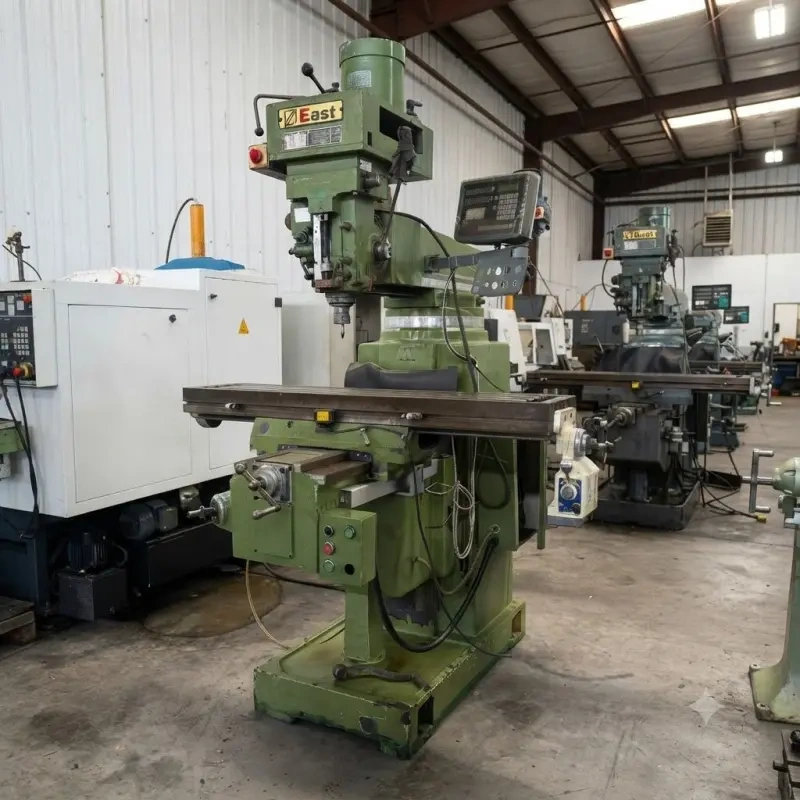
Three forces are pushing OEM lead times longer, and they are unlikely to reverse quickly. First, the OEMs themselves are running near-full order books. Demand from EV battery lines, semiconductor fabrication, aerospace reshoring, and defence supply chain build-outs has soaked up most of the global capacity for precision spindles and large casting work, and that capacity takes years to add. Second, the components that go into a modern CNC machine — precision bearings, large castings, servo drives, glass scales, and the controllers themselves — each have their own multi-month supply chain, and a delay in any one of them pushes the assembly slot back. Third, the labour base in the OEM assembly halls is older and thinner than it was a generation ago. A skilled fitter who can level a machine to within 0.01 mm/m takes years to train, and the OEMs are not training enough of them to absorb a demand spike.
What This Means for the Buyer’s Capacity Plan
For the buyer, the practical consequence is that a new machine ordered today is a 2027 problem, not a 2026 problem. A shop that wins a large contract in March and plans to fulfil it in October with a new machine has to either build the inventory of finished parts in advance (tying up working capital and warehouse space) or turn the contract down. A shop that already has a used machine on the floor can quote the work with confidence, knowing the second-shift capacity is there. That shift — from “we will have the new machine eventually” to “we have the capacity already” — is the single biggest change in the equipment market since the lead times stretched.
Where Used Machines Differ
A pre-owned machine does not solve every capacity problem, and it is worth being clear about that before going further. A used machine is not the right answer when the buyer’s customer has signed off on a specific current-generation CNC control, when the production tolerance is below 0.005 mm, or when the part mix requires features (high-speed rigid tapping, 5-axis simultaneous contouring, integrated robotic loading) that the older control cannot deliver. The right question to ask is not “can a used machine do this job” but “does the buyer’s tolerance, control, and feature requirement fall inside what a well-maintained used machine can deliver, given the measured condition of the specific unit on offer.”
The lead times above are the headline, but they are not the whole cost of waiting. The next section walks through what is happening on the buyer’s shop floor during those twelve to eighteen months that are easy to miss when the only line item on the purchase order is the machine price.
What Hidden Costs and Delays Show Up When You Wait for a New Machine?
A twelve-to-eighteen-month wait for a new machine carries costs that never appear on the purchase order. Lost revenue from contracts the buyer has to turn down, idle labour on a shop floor that has hired ahead of the machine arriving, rent on a vacant bay, and the working capital tied up in inventory that has to be built in advance all add up, and they typically dwarf the 30 to 50 percent discount a used unit might offer on the headline price. A buyer who is only comparing the machine sticker price is leaving the largest line items off the spreadsheet.
Lost Revenue From Turned-Down Contracts
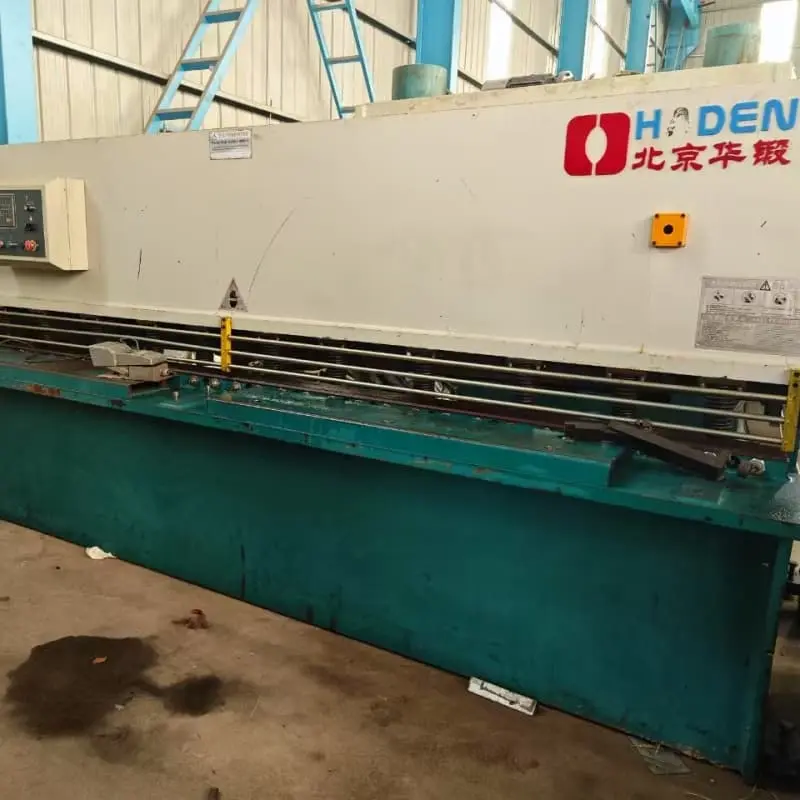
This is the largest hidden cost, and it is the easiest one to underestimate. A job shop running a single-shift operation that wins a six-figure contract with a delivery window of four months cannot deliver that contract without a second machine on the floor. If the buyer is waiting on a new machine that will not commission until month fourteen, the contract has to be declined, and the customer will likely source the work to a competitor. The lost revenue is the contract margin times the lifetime value of that customer relationship — often a much larger number than the saving on the new machine’s purchase price.
Idle Labour and Empty-Bay Cost
Most capacity expansion plans involve hiring operators, programmers, and quality staff before the new machine arrives, on the assumption that the new machine will be commissioning by the time the new hires are at full productivity. If the new machine arrives three to six months late, the new hires are either idle (and the buyer is paying for unproductive labour) or they are working on the older machines at sub-optimal productivity, which still represents lost margin on the existing work. The shop-floor bay itself carries rent, depreciation, utilities, and insurance whether the new machine is sitting in it or not — for an empty bay in an industrial building, that is fifteen hundred to four thousand US dollars a month in many markets.
Working Capital Tied Up in Pre-Built Inventory
The standard mitigation for an OEM lead time is to build finished-goods inventory in advance, but that mitigation is itself expensive. A six-figure order in WIP ties up working capital, occupies warehouse space, and carries the risk of specification change between order and delivery. If the customer revises the drawing in month seven, the pre-built batch may need to be reworked or scrapped entirely. That risk is invisible when the only line on the spreadsheet is the new machine’s price.
Where a Used Machine Closes the Gap
The right way to compare a new machine and a used machine is on a total-cost-of-capacity basis over the buyer’s planning horizon, not on the sticker price. A used machine that arrives in month one and produces revenue for twelve months while the new machine is being built will pay for its discount many times over. A used machine that arrives in month one and produces revenue for six months before a new machine takes over its workload still closes the gap that matters — the buyer’s customer does not see the difference between “we sourced used first, then upgraded” and “we waited for new,” as long as the parts are on time and on spec.
The hidden costs above are why a smart procurement plan treats the new machine and the used machine as complements, not substitutes. The next section walks through the specific scenarios where a pre-owned unit beats the lead-time clock.
How Does a Pre-Owned Machine Beat the Lead-Time Clock?
A pre-owned metalworking machine that has been inspected, refurbished where necessary, and documented with a written condition report can be on the buyer’s floor inside two to six weeks from the order date. The shipping window alone — two to four weeks for ocean freight from China to most major ports, plus a week for inland transport and a week for commissioning — is shorter than the lead time on a single component for a new machine. For buyers whose production calendar cannot wait twelve to eighteen months, a pre-owned unit is not a compromise. It is the only realistic path to capacity this year.
What a Pre-Owned Machine Delivers Today
A used machine that has been selected and prepared by a competent refurbisher delivers very close to the productivity of a new machine for the right application. A well-maintained CNC lathe typically holds 0.01 to 0.03 mm accuracy after inspection and setup; a brand-new machine on commissioning will hold 0.005 to 0.015 mm. For most industrial buyers — job shops, fabrication shops, maintenance contractors, project fabricators — the difference is well inside the production tolerance and rarely justifies a year-long wait. A used machine’s working life after a thorough inspection is typically five to eight years of reliable production with sound ways, a healthy spindle, and consistent maintenance. That is enough working life for the buyer to either ramp up the customer base and order a new machine later, or to step into a permanent used-and-refurbished cycle that keeps the floor productive at a known cost.
How to Verify a Used Machine in the Lead-Time Window
The two-to-six-week shipping window is short enough that the buyer cannot afford to skip the inspection routine. The verification steps that matter most, in priority order, are these:
| Verification Step | What Is Checked | Why It Matters for a Fast Delivery |
|---|---|---|
| Runout and backlash | Spindle radial runout ≤ 0.03 mm; axis backlash ≤ 0.02 mm | A bearing or ballscrew problem that surfaces after arrival costs more in downtime than any saving |
| Test cut under load | Dimensional deviation on a sample part within published spec | Vibration under load reveals alignment and rigidity issues that a cold check misses |
| Controller and parameters | Alarm history read, parameter backup saved, software version recorded | A controller mismatch with the buyer’s existing fleet is a week of integration work the buyer cannot afford |
| Voltage and frequency match | Nameplate vs the buyer’s site supply | A 50 Hz motor on a 60 Hz site, or a 380 V motor on a 400 V site, is a transformer purchase the buyer did not budget for |
| Pre-shipment video | Running under power inside the export crate | Two minutes of video settles more disputes than any contract clause |
| Maintenance records | Three to five years of logs | A well-documented machine is a safer purchase than an undocumented one, even at the same price |
The right refurbisher will provide them all in writing, with measurements, photographs, and a structured report that the buyer’s bank or leasing company will accept. If a seller cannot produce that report inside a week, the buyer should keep looking.
The Hidden Costs a Used Machine Also Carries — and How to Handle Them
A used machine is not free of hidden costs, and an honest comparison acknowledges them. Rigging and transport typically runs three to fifteen thousand US dollars depending on weight and distance. Electrical connection, foundation work, compressed air, coolant setup, initial tooling, and CAM software can together add another twelve to fifty thousand dollars. The total of those costs is usually thirty to fifty percent of the used machine’s purchase price — not trivial, but a known and budgetable number that arrives inside the buyer’s planning horizon, not twelve to eighteen months of carrying cost.
The capacity advantage above is the case for buying used when the OEM lead time does not match the production calendar. There are still scenarios where the right move is to wait for new, and the next section is honest about those.
When Is the Smart Move Still to Wait for New?
A pre-owned machine is not the right answer in every scenario, and a procurement plan that defaults to used for every order will overpay on some machines and underdeliver on others. The right question is whether the buyer’s tolerance, control generation, feature requirement, and warranty needs match what a well-maintained used machine can deliver, and there are three scenarios where the answer is “no — wait for new.”
Ultra-Tight Tolerance and Long Unattended Runs
Production tolerances below 0.005 mm, long unmanned production windows, or work that requires modern thermal compensation and high-speed rigid tapping push the buyer toward a new machine. A used CNC lathe that holds 0.01 mm will not deliver the surface finish or dimensional stability a buyer needs for tight-tolerance work, and a used machining center without high-speed look-ahead cannot sustain the cycle times an unattended production run requires. The right answer in this scenario is to wait for the OEM delivery and budget for the lost-revenue cost during the wait, or to add a second machine (used, for less demanding work) to free up the new machine for the tight-tolerance jobs when it arrives.
Current-Generation Control Required by the Customer
Some downstream customers, particularly in aerospace and medical, audit the machine tool control generation on every part they buy. A buyer whose customer has signed off on a current-generation Fanuc 0i-F Plus or Siemens SINUMERIK 828D control cannot submit parts from a machine running an older generation, even if the older machine holds the tolerance. The right answer in this scenario is to either wait for a new machine, or to source a used machine that has already been retrofitted with the current-generation control — a niche but real market segment, and one that is more expensive than a stock used machine.
5-Axis or Special-Purpose Machines
A 5-axis simultaneous machining center, a large horizontal boring mill, or a gear-cutting machine has a much smaller installed base than a 3-axis VMC or a CNC lathe, and the used market for these machines is thin and specialised. A buyer who needs a 5-axis machine should plan on a longer sourcing timeline and should expect to pay a smaller discount off the new price — used 5-axis machines often retain 50 to 70 percent of their new value because the supply is scarce. The lead-time advantage of a used 5-axis is also smaller, because fewer sellers stock them and the shipping preparation is more involved.
A Hybrid Plan Usually Wins
In our experience, the buyers who are happiest with their equipment decisions three years later are the ones who run a hybrid plan. A used CNC lathe covers the bulk of the production calendar for two to four years while the buyer builds the customer base; a new 5-axis machine is ordered eighteen months before it is needed and arrives just as the used lathe is approaching its first major overhaul; a used milling machine covers the second shift on parts that do not need the latest control. The point is not “new is better” or “used is better” — the point is to match the machine to the production calendar so that the customer never hears “we are waiting on equipment” as the reason for a missed delivery.
A long OEM lead time is a fact of the equipment market for at least the next two to three years, and it is unlikely to reverse quickly. A used, properly inspected machine closes the gap inside the buyer’s planning horizon, and a hybrid plan that mixes used and new over a multi-year horizon delivers the lowest total cost of capacity for most growing workshops. The decision is not whether to buy used at all, but how much of the buyer’s capacity to source used while the OEM lead times stay where they are.