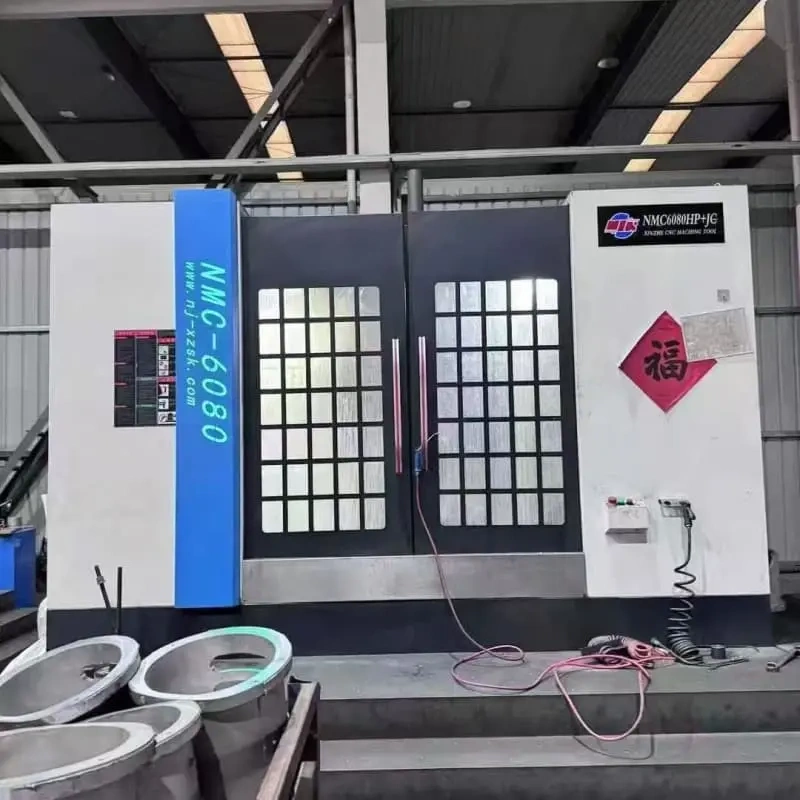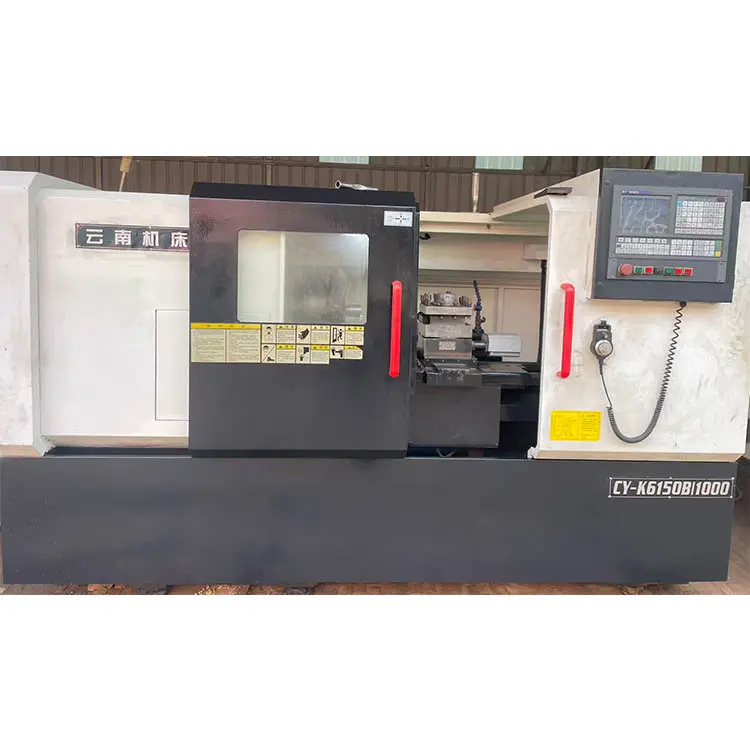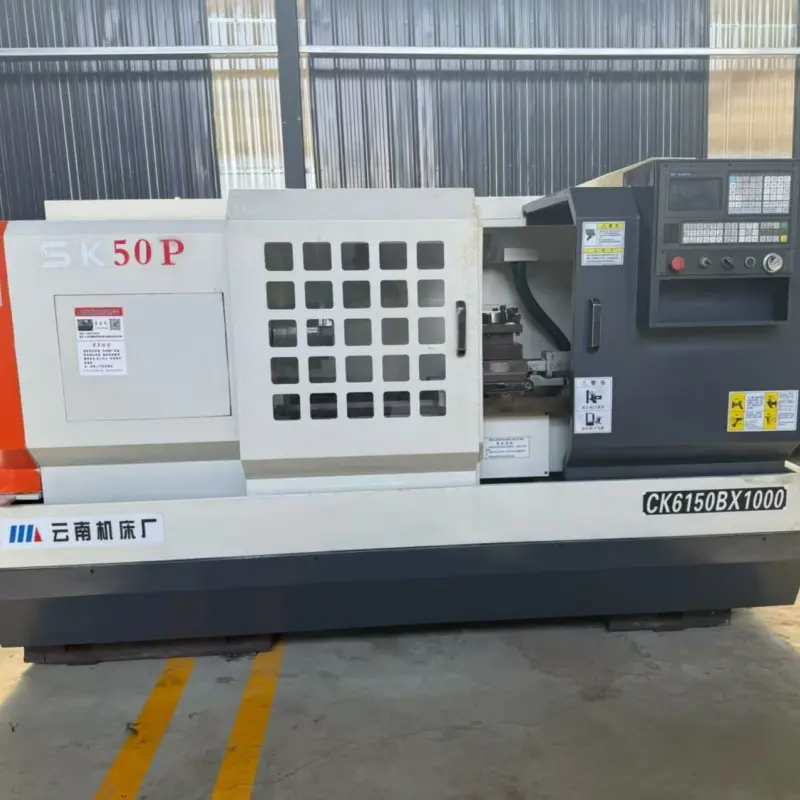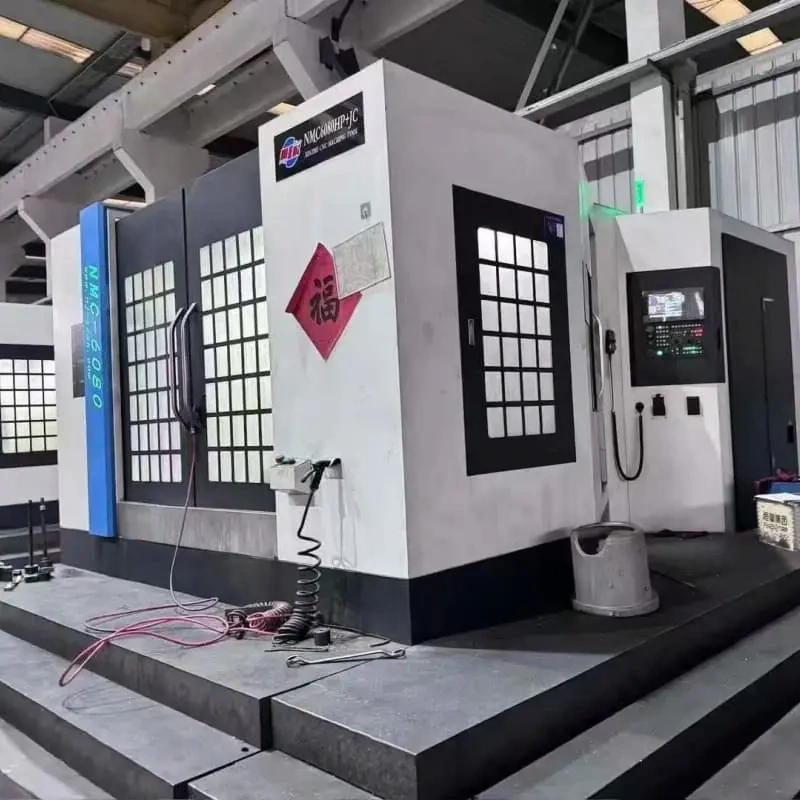
Small manufacturers face a painful choice every time they need to expand capacity: pay premium prices for new equipment and wait months for delivery, or gamble on the used market and hope the machine does not become a repair project. I have walked through our stockyard in Liaocheng with buyers who made both mistakes, and the ones who succeeded followed a simple checklist that I will lay out in this guide.
Small manufacturers should buy used metalworking machinery only after matching the machine to their actual production needs, verifying spindle condition and guideway wear, reviewing maintenance records, and choosing a supplier who can provide running test videos and third-party inspection support.
In 2026, the used machinery market is larger than ever, but so is the range in quality. A well-chosen used CNC lathe or milling machine can cut your capital outlay by 40 to 60 percent while keeping your shop competitive. A poorly chosen one can drain your maintenance budget and idle your operators for weeks. The difference comes down to preparation, not luck. Over the next sections, I will break down the machine types that make the most sense for small shops, the inspection steps that protect your investment, and the sourcing practices that keep cross-border purchases safe.
Which Machine Types Offer the Best ROI for Small Manufacturers?
Small shops often over-buy capacity, then watch an expensive machine sit idle. The real pain is paying for horsepower you never use while your core jobs still wait in queue.
Used lathes, milling machines, press brakes, and shearing machines deliver the highest ROI for small manufacturers because they are built to last decades, have large secondary-market parts pools, and cost 40 to 60 percent less than new equivalents.
Lathes and CNC Turning Centers
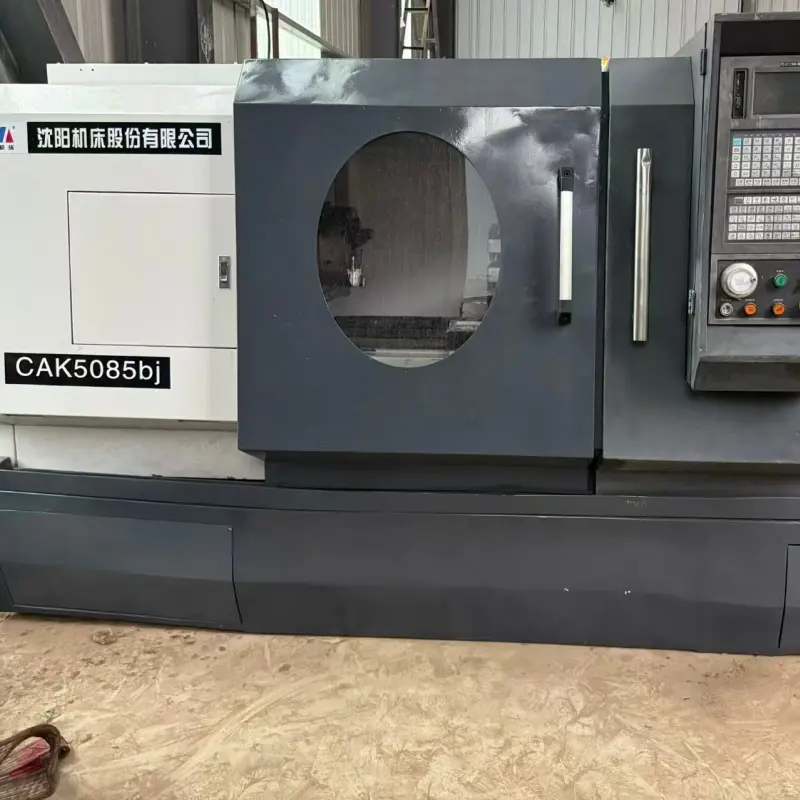
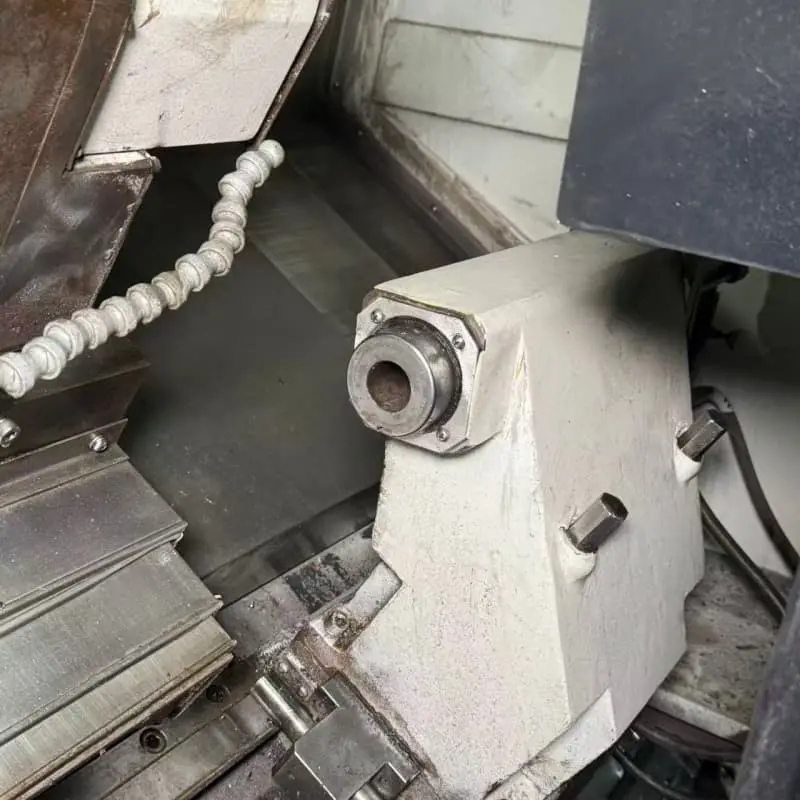
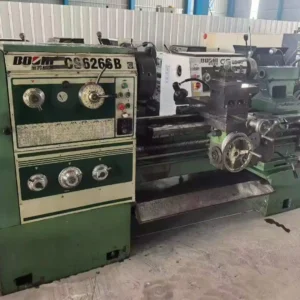
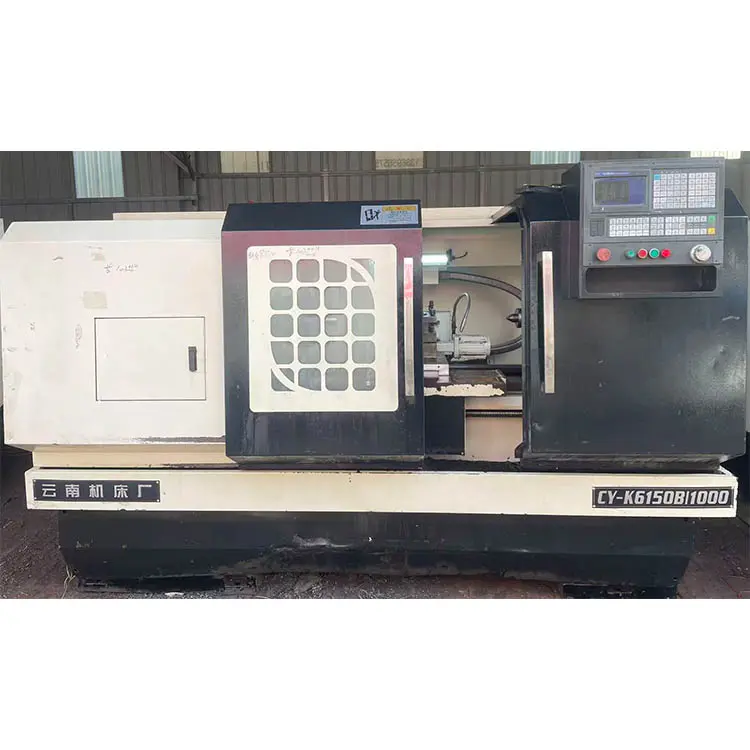
A used lathe is often the first machine a small job shop should add. Manual lathes from reputable makers can run for 30 years or more with basic maintenance, and used CNC lathes from the 2010s still carry control systems that are fully supported today. In our yard, we regularly see used CNC lathes with documented spindle hours under 8,000 that cost less than half of a new entry-level model. The key is to match the swing and bed length to your largest expected part, then buy one size up only if you have confirmed contracts that justify the extra capacity.
Milling Machines
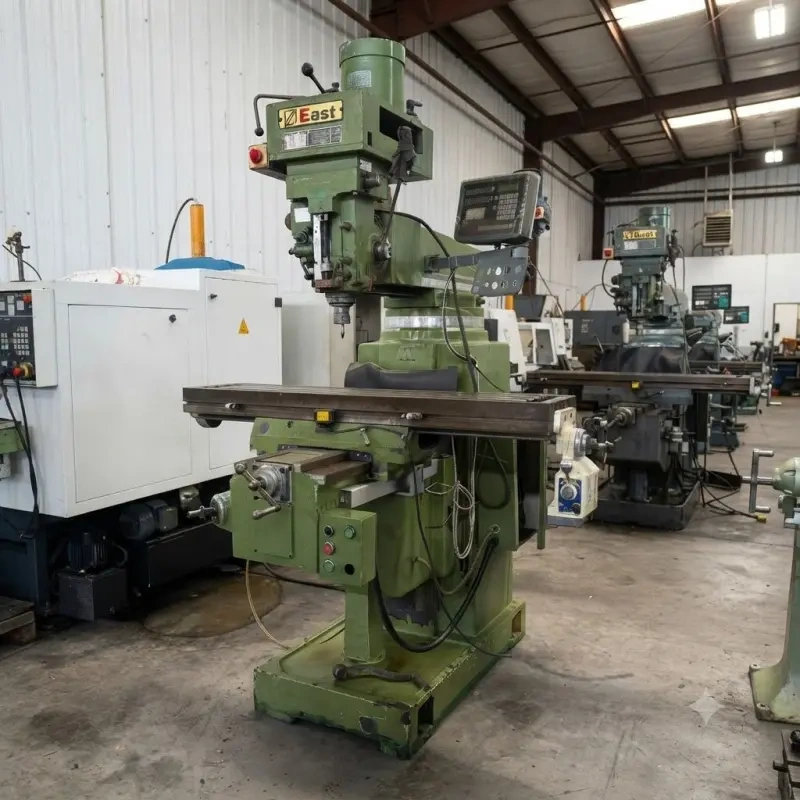
Used vertical turret mills and universal horizontal mills are workhorses for small shops. They do not depreciate as fast as CNC machining centers, and their mechanical simplicity means you can often source replacement parts locally. A used turret mill in good condition can handle 80 percent of typical general-machining jobs without the control-system complexity that drives up repair costs. When we inspect a used mill, we focus on table travel smoothness, spindle quill play, and the condition of the lead screws. These three checks will tell you more about the machine’s real health than the year of manufacture.
Press Brakes and Shearing Machines
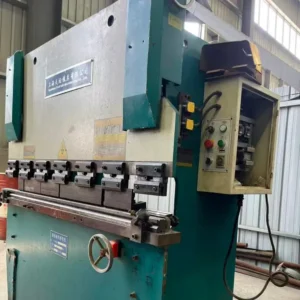
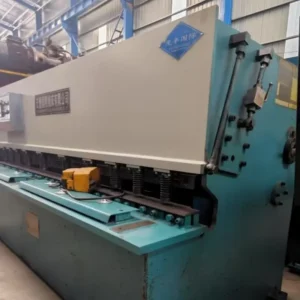
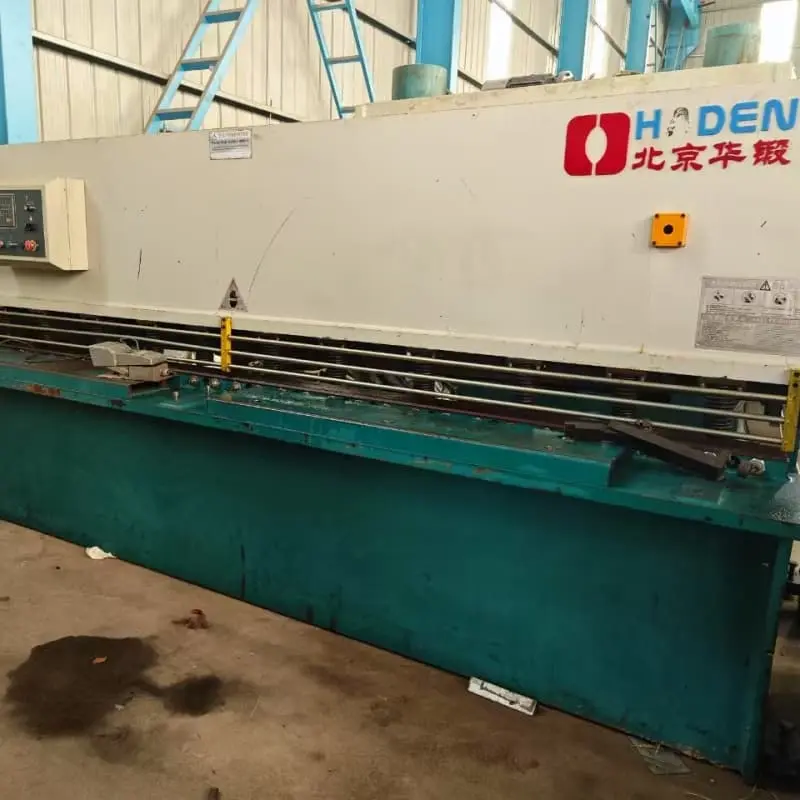
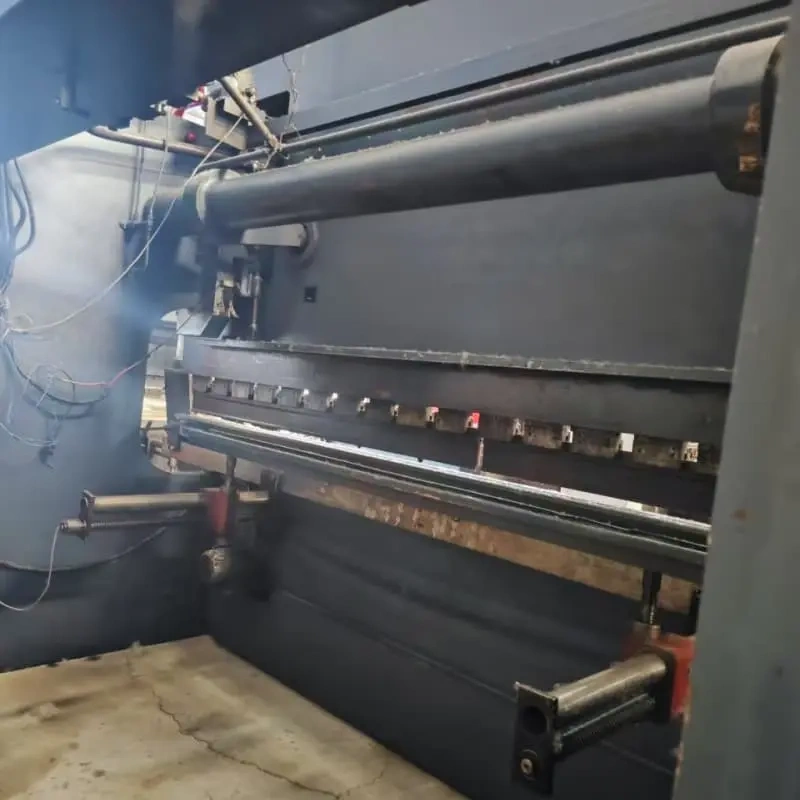
For fabrication shops, used press brakes and shears are among the safest bets in the secondary market. These machines are massively over-built. A 160-ton press brake or a 4-meter shearing machine from the early 2000s can still hold tight tolerances if the ram guides and blade edges are in spec. Replacement tooling is widely available, and the hydraulic systems are straightforward to service. The main risk is neglect: machines left outdoors or without regular hydraulic fluid changes develop cylinder seal leaks that are expensive to fix. Always ask for a pressure test before you commit. We test every press brake in our yard at full rated tonnage before we list it, because a slow hydraulic creep during the hold phase is a sign the seals are failing.
Comparison of Common Used Machine Types for Small Shops
| Machine Type | Typical Used Cost vs New | Spare Parts Availability | Key Wear Point | Best For |
|---|---|---|---|---|
| Manual Lathe | 30-50% of new | Excellent | Spindle bearings, lead screw | General turning, small batches |
| CNC Lathe | 40-60% of new | Good | Ball screws, servo motors | Precision repeat work, medium volume |
| Turret Mill | 35-55% of new | Excellent | Quill, table ways, lead screws | Prototyping, general milling |
| Press Brake | 40-60% of new | Good | Ram guides, hydraulic seals | Sheet metal bending |
| Shearing Machine | 35-50% of new | Good | Blade edge, hold-down pads | Straight-line cutting |
| Band Saw | 30-45% of new | Excellent | Blade guides, drive belts | Bar stock, structural cutting |
I remember a buyer from Vietnam who visited our yard last spring. He needed a lathe and a mill for his 12-person shop. We walked past several large CNC machining centers that looked impressive, but I steered him toward a used manual lathe and a turret mill that matched his actual part sizes. He saved enough to add a used band saw and still stayed under budget. Six months later he told me all three machines were running two shifts with no major issues. That is what matching the machine to the job looks like in practice.
What Inspection Steps Prevent a Bad Purchase?
A machine that looks clean on the outside can hide expensive problems inside. The worst mistake is trusting a still photo and a low price tag without seeing the machine move under power.
Always inspect a used machine under power, check spindle runout and axis backlash, review maintenance logs, and run a test cut on material similar to your own before you finalize payment.
Mechanical Checks That Matter Most
Start with the spindle. Mount a dial indicator and check radial runout. On a general-purpose lathe or mill, runout under 0.03 mm is acceptable; anything above 0.05 mm suggests bearing wear that will cost you precision and money. Run the spindle at full rated speed for at least 30 minutes and feel the housing for excessive heat. Temperatures above 60 degrees Celsius after a 30-minute run usually mean the bearings are on their way out.
Next, check the ways and guideways. These surfaces determine accuracy more than any other component. Look for scoring, uneven wear patterns, or signs of previous grinding repairs. On a milling machine, move the table through its full travel and feel for binding or rough spots. On a lathe, check the bed for twist using a precision level. A bed with twist or severe wear will never produce straight parts, no matter how good the rest of the machine is.
Ball screws and lead screws are the next priority. Backlash should be measured with a dial indicator attached to the table or saddle. For CNC machines, backlash over 0.02 mm is a warning sign. For manual machines, up to 0.05 mm is usually tolerable for general work. Excessive backlash means the nut or screw is worn, and replacement can cost thousands of dollars plus downtime.
Electrical and Control System Evaluation
The control system is the brain of a CNC machine, and an obsolete or unsupported control can turn a good mechanical machine into a doorstop. Check the controller manufacturer and model. Fanuc, Siemens, and Mitsubishi controls from the last 15 years are generally well supported. Proprietary or lesser-known controls may lack spare parts or technical documentation.
Open the electrical cabinet and look for signs of amateur repairs, exposed wiring, or components that have been swapped with non-original parts. Ask for the software version and confirm that backup and restore procedures are documented. If the machine uses a tool changer, run it through a full cycle and watch for hesitation, misalignment, or alarm codes.
Documentation and History Review
A machine with maintenance records is worth more than an identical machine without them. Ask for preventive maintenance logs, repair invoices, and any records of major component replacements. A lathe that received new spindle bearings in 2023 is a safer bet than one with unknown history. Also ask about the machine’s previous application. A machine that ran light aluminum work in a climate-controlled shop will be in better shape than one that cut cast iron in a dusty environment for 10 years. When we receive a machine into our yard, the first thing our technicians do is open the coolant tank and the electrical cabinet. A coolant tank full of sludge and an electrical cabinet full of metal dust tell you everything you need to know about how the previous owner treated the machine.
Essential Inspection Checklist for Small Manufacturers
| Inspection Item | What to Check | Acceptable Threshold | Red Flag |
|---|---|---|---|
| Spindle runout | Radial deviation with dial indicator | Under 0.03 mm | Over 0.05 mm |
| Spindle temperature | Heat after 30 min at max speed | Under 60 C | Over 65 C |
| Axis backlash | Dial indicator on table/saddle | Under 0.02 mm (CNC) | Over 0.05 mm |
| Way condition | Visual scoring and wear | Smooth, even wear | Deep scoring or repairs |
| Electrical cabinet | Wiring, components, cleanliness | OEM parts, tidy layout | Amateur repairs, rust |
| Control system | Model, version, support status | Recent mainstream brand | Obsolete or unsupported |
| Maintenance records | Logs, invoices, major repairs | Documented history | No records available |
| Test cut | Cut sample material | Meets your tolerance spec | Poor finish or out of spec |
If you cannot inspect in person, demand a video that shows the machine powering up, homing all axes, running at various spindle speeds, and making a test cut. Any seller who refuses this basic demonstration is selling you risk, not machinery. At azmachines, we provide running test videos and support third-party SGS inspection before shipment because we have seen too many buyers learn this lesson the hard way. One of our Saudi clients told me his previous supplier sent photos that looked perfect, but the machine arrived with a cracked coolant pump and a control screen that flickered constantly. That is why we never ask a buyer to trust photos alone.
How Can Small Manufacturers Reduce Risk When Sourcing from Overseas?
Buying across borders adds layers of risk: shipping damage, customs delays, currency fluctuations, and the difficulty of resolving disputes when the seller is thousands of miles away. Small manufacturers feel this pain more acutely because one bad shipment can wipe out their equipment budget for the year.
Small manufacturers can reduce overseas sourcing risk by choosing suppliers with documented export experience, requiring pre-shipment inspection reports, using secure payment terms, and confirming that professional export packing and full documentation are included.
Supplier Vetting and Communication
The first filter is responsiveness. A supplier who takes days to answer basic questions about specifications will be even slower when a problem arises. Test their communication before you commit. Ask for specific details: machine serial number, year of manufacture, total operating hours, and photos of the electrical cabinet interior. A legitimate dealer will have this information ready. A broker or middleman will stall or provide vague answers.
Check whether the supplier has a physical facility. Ask for a video call from their stockyard or workshop. During the call, look for organized storage, lifting equipment, and a range of machines in stock. A real dealer invests in inventory and infrastructure. A virtual broker has nothing to show but a website.
Inspection, Packing, and Documentation
Always insist on pre-shipment inspection. If you cannot travel to the seller’s location, hire a third-party inspector like SGS or Bureau Veritas, or ask the seller to provide a detailed inspection report with photos and measurements. At a minimum, the report should cover spindle runout, axis backlash, electrical cabinet condition, and a test cut result.
Export packing is not optional for heavy machinery. A used lathe or milling machine needs a solid wooden case with anti-rust wrapping, shock-absorbing blocks, and moisture barriers. We have seen machines arrive with broken handwheels and dented sheet metal because the seller used nothing more than a tarp and some rope. Professional packing costs money, but it costs far less than repairing a damaged machine.
Documentation is equally critical. You need a commercial invoice, packing list, bill of lading, certificate of origin, and any required inspection certificates. Missing paperwork can hold your machine at the port for weeks and generate demurrage fees that quickly exceed the savings you made on the purchase price.
Payment Terms and Recourse
Never pay 100 percent upfront. The standard structure for used machinery exports is a deposit of 30 percent after order confirmation, with the balance paid against copy of bill of lading or after pre-shipment inspection approval. This structure gives both parties skin in the game. If a supplier demands full payment before any verification, that is a signal to walk away.
Also confirm what after-sales support is available. Can the supplier source spare parts? Do they offer technical guidance by video call? A used machine will eventually need maintenance, and having a supplier who answers the phone when you call is worth more than a slightly lower price from a stranger. Last year, a buyer in Qatar called us six months after delivery because he needed a replacement coolant pump for a used lathe. We sourced the part locally in China, shipped it within a week, and walked him through the installation by video. That is the kind of relationship that turns a one-time purchase into a long-term partnership.
Cost Comparison: Buying Local vs Buying from China
| Cost Factor | Local Purchase | Import from China | Notes |
|---|---|---|---|
| Machine price | Higher | 30-50% lower | China’s large secondary market drives prices down |
| Shipping | Low or none | $2,000-$8,000 | Depends on machine size and destination port |
| Import duties | None | 5-15% | Varies by country and HS code |
| Inspection | Easier | Requires planning | Third-party or video verification |
| Lead time | Immediate | 3-6 weeks | Ocean freight plus customs clearance |
| Spare parts access | Good | Good for common brands | OEM support widely available for Fanuc, Siemens |
| Total first-year cost | Baseline | Often 20-40% lower | Even with shipping and duties |
Our team in Liaocheng has shipped used machines to buyers in Vietnam, Saudi Arabia, Mexico, Malaysia, and Pakistan. The pattern we see is consistent: buyers who do their homework on the front end — verifying specs, watching test videos, confirming packing standards — receive machines that go straight into production. Buyers who skip those steps and chase the lowest price often end up with repair bills that erase any savings. The smartest buyers treat the purchase process as a project, not an impulse. They ask questions, they verify answers, and they build a relationship with their supplier before they ever sign a contract.
Conclusion
Buying used metalworking machinery in 2026 is one of the smartest moves a small manufacturer can make, but only when the purchase is guided by clear needs, thorough inspection, and a trustworthy supplier.