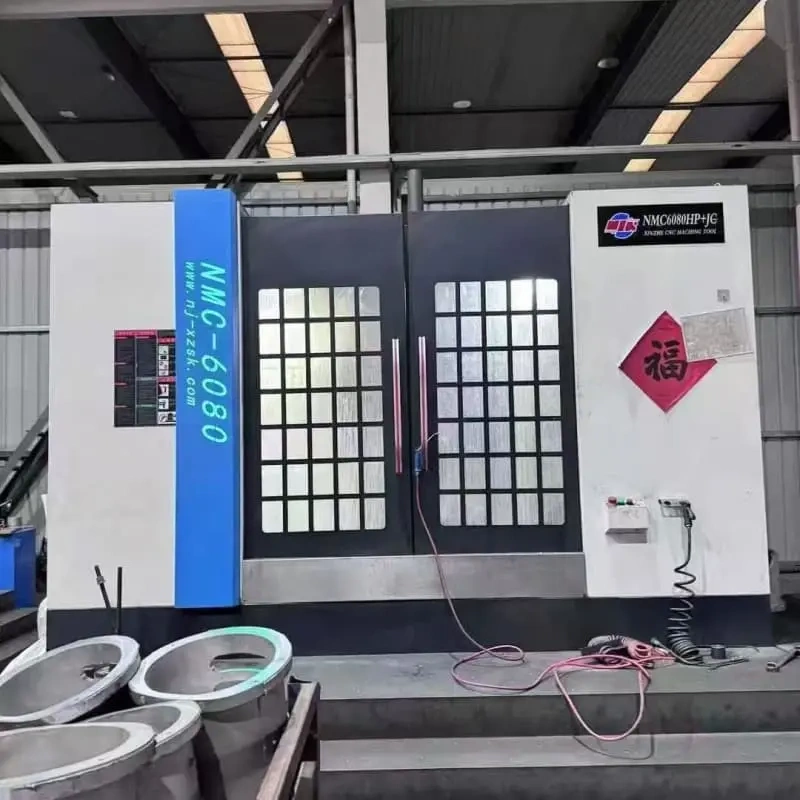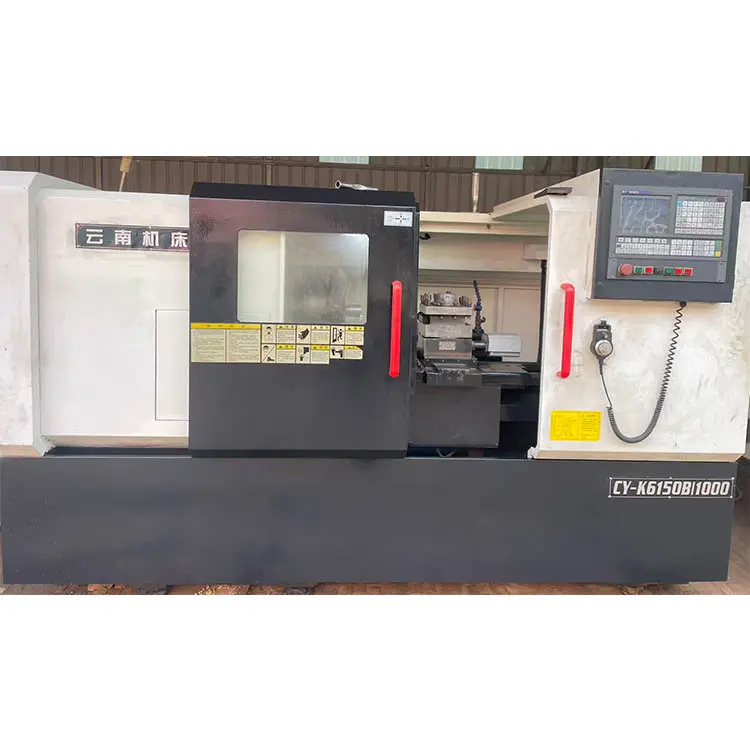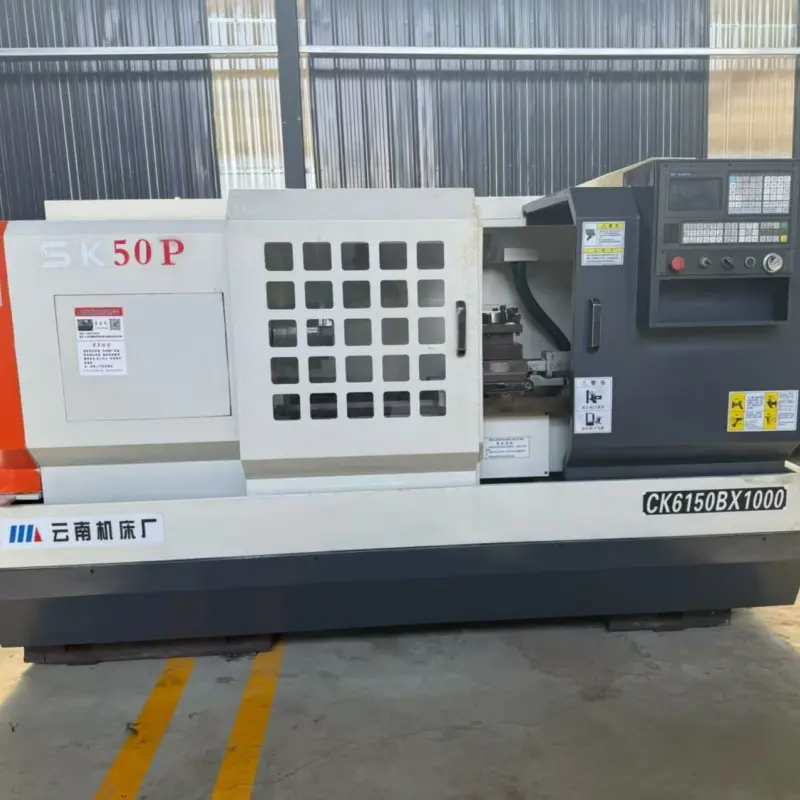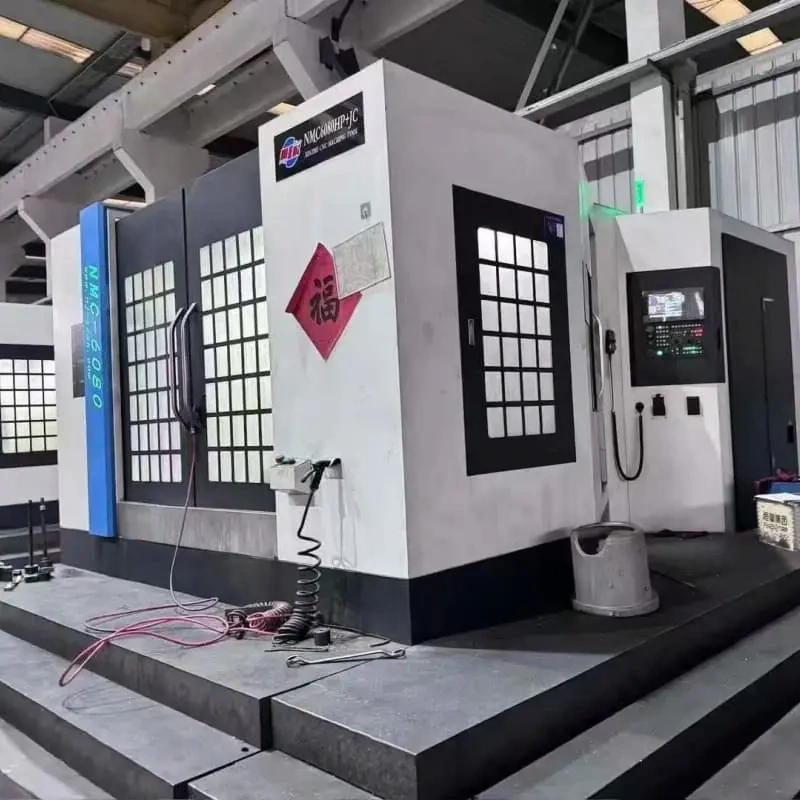
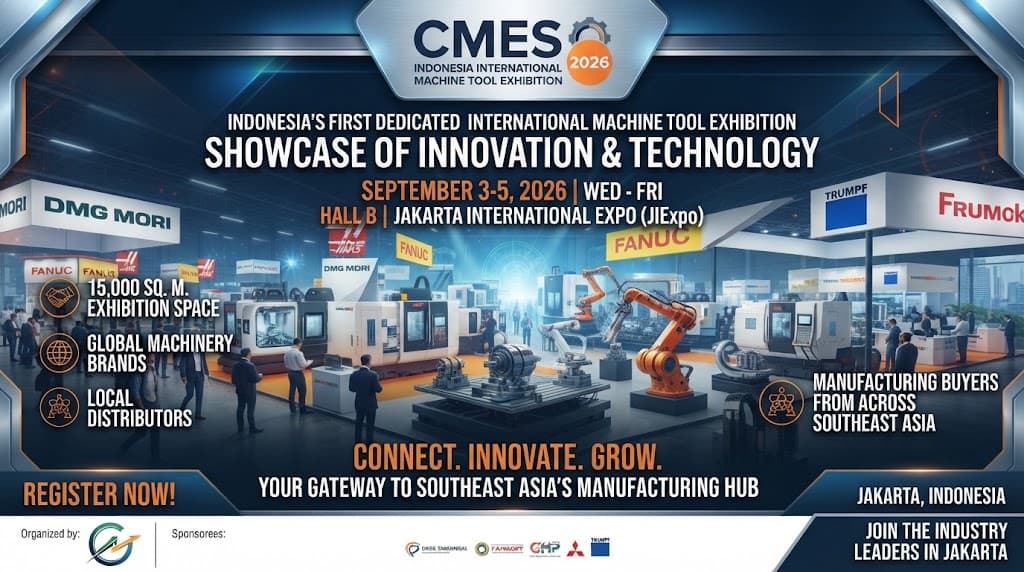
You want to enter the Indonesian market. You need real buyers, not just contacts. You need a show floor, not a website. The Indonesia Machine Tool Exhibition 2026 gives you exactly that.
**The CMES Indonesia International Machine Tool Exhibition 2026 runs September 3-5 at the Jakarta International Expo (JIExpo) in Jakarta, Hall B. It is Indonesia’s first dedicated international machine tool exhibition. It covers 15,000 square meters and brings together global machinery brands, local distributors, and manufacturing buyers from across Southeast Asia.
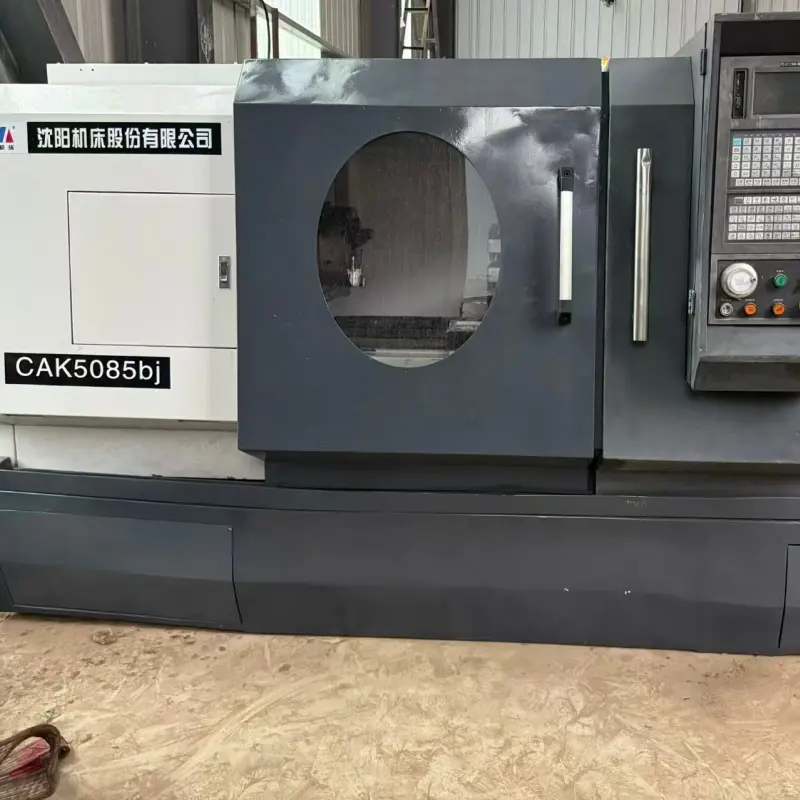
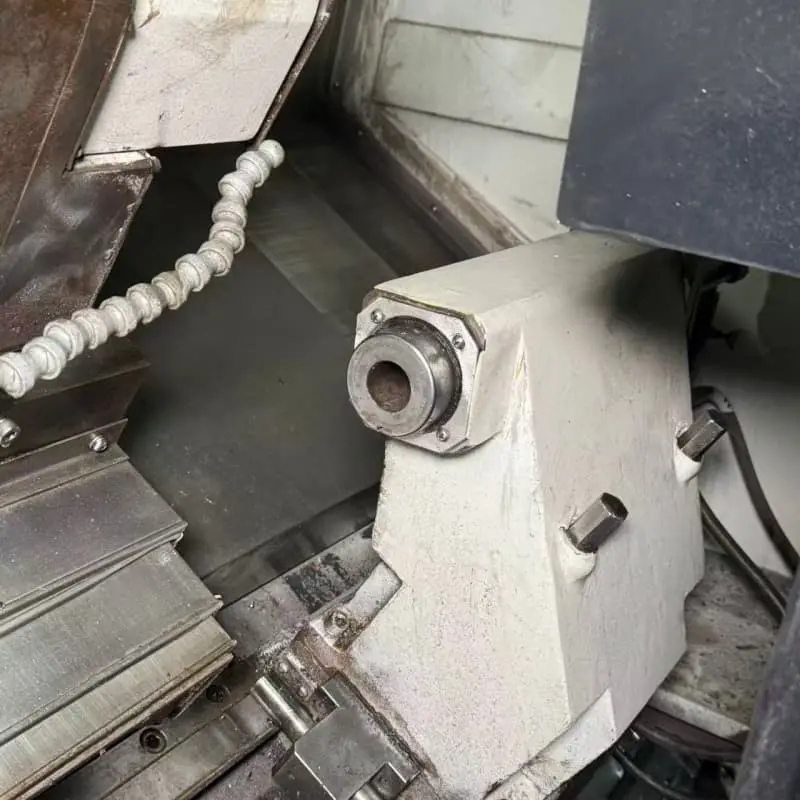
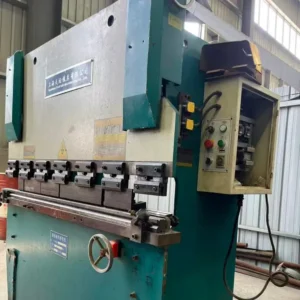
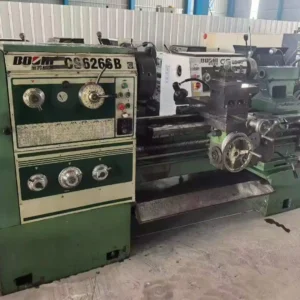
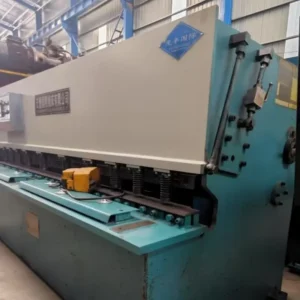
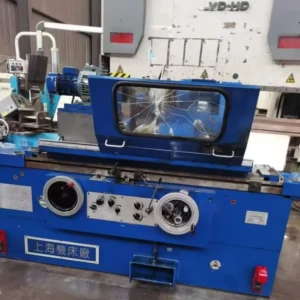
I am Zora Liu from AZ Machines. My team has been buying and selling used machine tools for years. We ship used lathes, mills, grinders, and shears to factories in Vietnam, Mexico, Saudi Arabia, Pakistan, and many other industrial markets. Indonesia is on our radar for one simple reason: the demand is growing fast, and the local supply cannot keep up. This new exhibition is a direct response to that gap. Let me explain why this show matters for anyone in the used machinery business.
Why Is Indonesia a Strategic Market for Used Machine Tools?
You look at Indonesia and see a huge population. You see factories hiring. You see infrastructure projects breaking ground. But you also see a machine tool industry that cannot serve its own market.
**Indonesia is Southeast Asia’s largest economy and is pushing hard under the "Making Indonesia 4.0" program. Metalworking is shifting from traditional casting to high-precision component manufacturing. About 75% of high-end machine tools are imported. The market is projected to reach $4 billion.
The Numbers Behind the Opportunity
The machine tool market in Indonesia is not small. One research report models the market at $684 million in 2025. That figure is expected to reach $1,199 million by 2032. The compound annual growth rate is about 8.35%.
But the most striking number is the import share. About 75% of high-end machine tools in Indonesia come from abroad. Local manufacturers cannot meet the demand for precision and heavy-duty equipment.[reference:3] This is where used machinery becomes important.
Here is a breakdown of the key market indicators:
| Indicator | Value | Source |
|---|---|---|
| Market Size (2025) | $684 million | Ken Research |
| Projected Market Size (2032) | $1,199 million | Ken Research |
| CAGR (2025-2032) | 8.35% | Ken Research |
| Import Share (High-End Equipment) | ~75% | CMES Indonesia |
| Manufacturing Growth Target | 5.51% | Ministry of Industry |
| Metal Industry Growth Target | 14% | Ministry of Industry |
The automotive sector is the largest consumer of machine tools. It accounts for about 45% of total imports. Oil, gas, and transportation make up most of the rest.[reference:4] Indonesia’s EV manufacturing ecosystem is adding another layer of demand. Projected domestic EV production capacity was targeted at 251,000 units annually by end-2025. This widens the need for dies, molds, and precision components.
Where the Buyers Are Concentrated
Most of the machine tool demand is on Java. Greater Jakarta, Bekasi, Cikarang, and Karawang form the main industrial corridor. Automotive, electronics, and metalworking plants cluster in this area. Major machine tool brands like Mazak, Okuma, AMADA, and TRUMPF all maintain sales or service operations there.
This concentration is good news for exhibitors. It means the buyers you need to reach are not scattered across thousands of islands. They are in one region. A three-day show in Jakarta puts you in front of them.
What Should You Know Before the September 3-5 Show?
You have a product. You have a price. But you are not sure if this show is worth the investment. You want to know who attends, what they buy, and how the show is organized.
**The CMES Indonesia 2026 is organized by CMES, China’s largest private exhibition organizer by space. The company has over 23 years of experience and manages 600,000 square meters of exhibition space annually. Its 2025 Vietnam edition drew 11,602 attendees and generated over 30,000 business interactions. The Indonesia show will feature an International Buyer Matchmaking Meeting to connect exhibitors with qualified buyers.
How the Exhibition Is Structured
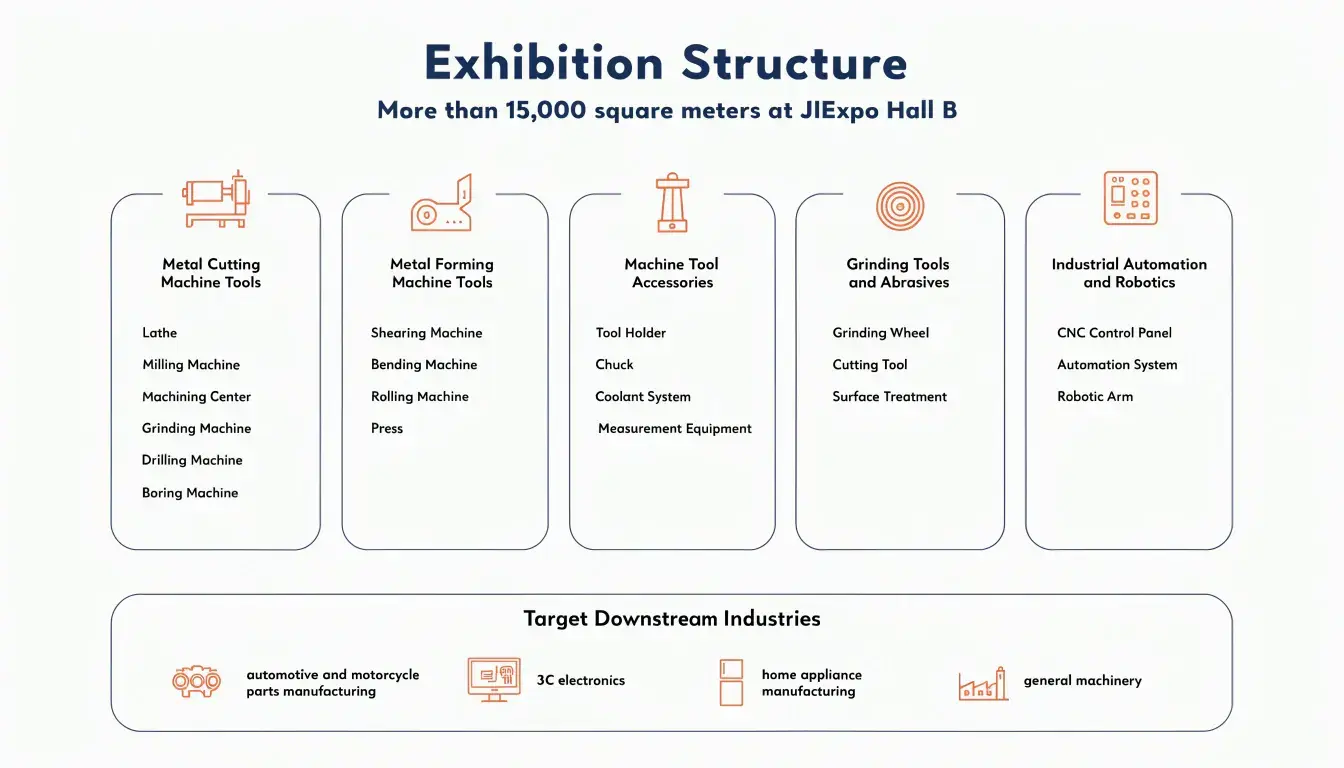
The show will occupy more than 15,000 square meters at JIExpo Hall B.[reference:9] The product scope covers several categories:
Metal Cutting Machine Tools: Lathes, milling machines, machining centers, grinding machines, drilling machines, and boring machines.
Metal Forming Machine Tools: Shearing machines, bending machines, rolling machines, and presses.
Machine Tool Accessories: Tool holders, chucks, coolant systems, and measurement equipment.
Grinding Tools and Abrasives: Grinding wheels, cutting tools, and surface treatment products.
Industrial Automation and Robotics: CNC controls, automation systems, and robotic arms.
The target downstream industries include automotive and motorcycle parts manufacturing, 3C electronics, home appliance manufacturing, and general machinery.
What the Organizer Is Doing to Bring Buyers
CMES is not relying on walk-in traffic. The organizer is investing over $7 million annually in marketing. The strategy includes digital media partnerships with Google, Facebook, TikTok, Instagram, and major Indonesian outlets like Kompas, Bisnis Indonesia, and Jawa Pos. It also includes offline visibility through highway billboards and street banners at key transportation hubs and industrial areas in Jakarta.[reference:12]
The Intelligent Data Matching system is worth noting. The organizer uses data analytics to match exhibitors with qualified buyers and decision-makers. This is more than a generic matchmaking service. It is a targeted effort to connect the right supplier with the right buyer.
A Critical View: Where the Show Might Fall Short
I want to be honest about the limitations. This is the first edition of the CMES Indonesia show. First-time shows always carry some risk. The organizer has a strong track record in Vietnam, but Indonesia is a different market with different regulations, different buyer behavior, and different logistics challenges.
The most reliable benchmark is the 2025 Vietnam edition. That show achieved 11,602 attendees and 30,000 business interactions.[reference:14] If the Indonesia show matches those numbers, it will be a solid event. But there is no guarantee. A cautious exhibitor should plan for a smaller first-year turnout and set realistic expectations.
The other issue is the timing. The show runs September 3-5, 2026. That is a Thursday to Saturday. Thursday and Friday are good business days. Saturday is usually slower. Exhibitors should concentrate their efforts on the first two days.
For used machinery dealers specifically, the challenge is different from new machine sellers. Used machines do not have a standard catalog. You cannot just display a spec sheet. You need to show condition, run testing videos, and explain the value proposition. The show floor is a starting point, not a closing room.
I see the exhibition as a lead generation tool, not a sales floor. My goal at any show is simple: collect qualified contacts, understand what machines they need, and follow up after the show with specific test videos and inspection reports. That is how used machinery deals get done.
Why Do Indonesian Buyers Need Used Machines?
You have a factory in Bekasi. You need a CNC lathe to handle a new automotive contract. A new machine costs $80,000. Your budget is $30,000. You need a machine that works, not a machine that is new.
Used machine tools fill a critical gap in Indonesia’s manufacturing sector. The demand for modern, precision equipment is growing fast. But many small and medium factories cannot afford new machines. Used machines from China offer a practical bridge. They cost 40% to 60% less than new equipment. They are available now, not six months from now. And with proper inspection and refurbishment, they perform reliably for years.
The Price Gap That Drives Demand
The price difference between new and used machines is the main driver. A new CNC lathe from a major brand costs $80,000 to $150,000 depending on specifications. A used CNC lathe of similar capability costs $25,000 to $60,000. The savings are substantial.
For a project-based distributor in Indonesia, this price gap creates a business model. They buy used machines from China, refurbish them if needed, and sell them to local fabrication workshops at a markup. The end user gets a working machine at an affordable price. The distributor earns a margin.
This is the same model that works in Saudi Arabia, Mexico, and Vietnam. Our customer Gulf Industrial Equipment LLC in Saudi Arabia buys used CNC lathes, shearing machines, bending machines, and milling machines from us. They serve local fabrication workshops and industrial factories. Their buyers are sensitive to quality, but they also pursue competitive prices.[reference:15]
What Indonesian Buyers Actually Need
The machine types in highest demand in Indonesia align with the country’s industrial profile. Automotive and motorcycle parts manufacturing needs CNC lathes, machining centers, and grinding machines. Electronics manufacturing needs precision milling and drilling equipment. Infrastructure projects need shearing machines, bending machines, and rolling machines.
The used machine categories that fit this demand include:
| Machine Type | Typical Use in Indonesia | Price Range (Used) |
|---|---|---|
| Used CNC Lathe | Automotive parts, shafts, fittings | $25,000 – $60,000 |
| Used Milling Machine | Mold making, general machining | $8,000 – $35,000 |
| Used Surface Grinder | Die and mold finishing | $5,000 – $20,000 |
| Used Shearing Machine | Sheet metal cutting | $10,000 – $40,000 |
| Used Bending Machine | Sheet metal forming | $12,000 – $45,000 |
| Used Drilling Machine | General hole making | $3,000 – $15,000 |
These are not theoretical numbers. These are real price ranges from my own inventory and from deals I have completed. The variation depends on brand, year, condition, and included accessories.
The Quality Concern and How to Address It
The biggest concern Indonesian buyers have is quality. They have heard stories of used machines arriving in poor condition. They have seen photos that do not match reality. They have waited months for delivery only to find a machine that does not run.
This is a real problem in the used machinery trade. But it is also a problem that can be solved. The solution is verification. Before you pay, you should see the machine run. You should see a test cut. You should have an independent inspection report. You should have photos of the actual machine, not stock images.
I send test videos to every customer before they pay. I show the machine cutting real material. I show the serial number plate. I show the hour meter. I support SGS inspection when the buyer requests it. This is how you build trust in a market where trust is scarce.
How Do You Prepare for the Jakarta Show as a Used Machinery Dealer?
You have decided to attend. You have booked your booth. You have your machines ready. But you need a plan. You need to know what to bring, what to say, and how to follow up.
Prepare three things before the show: a clear product catalog with real machine photos and videos, a compliance checklist for Indonesian import regulations, and a follow-up system for leads. Indonesian buyers are price-sensitive and quality-conscious. They will compare your offer with competitors. You need to show real stock, real condition, and real compliance. Do not rely on brochures alone.
Understand the Indonesian Import Rules Before You Go
This is the most important preparation step. Indonesia has strict rules for importing used machinery. If you do not understand these rules, you cannot sell to Indonesian buyers.
The core regulation is Minister of Trade Regulation No. 24 of 2025. This regulation limits what used capital goods can be imported, the age of the machines, and who can import them.[reference:16]
The key requirements are:
Permitted Importers: Only three types of companies can import used machinery: direct user companies, reconditioning companies, and remanufacturing companies.
Age Limits: Most used machines in HS Code chapters 84, 85, and 90 must be under 20 years old from the date of manufacture. Some categories have shorter limits. For example, certain electronic equipment under HS Code 8518.11.00 must be under 5 years old.[reference:18]
Pre-Shipment Inspection: Used machinery must pass a technical inspection in the exporting country before shipment. This inspection is conducted by a designated inspection company. SGS is one of the approved inspectors for Indonesia.
SNI Certification: Indonesia now requires full SNI (Indonesian National Standard) certification for imported machinery. The documentation must match the physical nameplate data exactly. SNI enforcement includes on-site verification at Indonesian ports.
Import Approval: Importers must obtain an import approval from the Ministry of Trade before the goods arrive. The approval is valid for up to one year.
Here is a practical checklist for your Indonesian buyers:
| Requirement | What the Buyer Needs | Who Provides It |
|---|---|---|
| Import License (API) | Valid importer registration | Indonesian buyer |
| Tax Registration (NPWP) | Taxpayer identification number | Indonesian buyer |
| Import Approval | Permit from Ministry of Trade | Indonesian buyer |
| Pre-Shipment Inspection | Inspection report from SGS or approved surveyor | Seller arranges, buyer pays |
| SNI Certification | National standard compliance | Buyer arranges with Indonesian authorities |
| Machine Documents | Serial number, year, original invoice, manuals | Seller provides |
The takeaway is clear: the Indonesian buyer handles the import licensing. The seller handles the machine documentation and inspection support. Both sides need to communicate clearly about who does what.
What to Bring to the Show Floor
A used machinery booth is different from a new machine booth. You cannot bring a 10-ton lathe. You bring evidence.
Bring high-quality videos of your machines running. Bring test cut videos. Bring inspection reports. Bring a tablet or screen to play the videos. Bring printed spec sheets with real photos. Bring your price list with clear terms.
Bring a compliance folder. This folder should contain sample documents: a sample SGS inspection report, a sample pre-shipment inspection certificate, and a sample packing photo set. Show Indonesian buyers that you understand their regulatory environment.
Bring a dedicated sales manager who can communicate in English. Indonesian buyers value fast response and clear technical communication. Our customer in Saudi Arabia specifically mentioned that our dedicated export sales manager with fluent English was a key reason they chose us. The same principle applies in Indonesia.
The Follow-Up Strategy That Works
The show floor generates leads. The deal happens after the show. You need a follow-up system.
Day 1-2 After the Show: Send a personalized email to every qualified lead. Reference the specific machine they asked about. Attach the test video and spec sheet.
Day 3-7: Follow up with a WhatsApp message or a phone call. Ask if they have questions. Offer to arrange a video call to show the machine in your warehouse.
Day 8-14: If the buyer is serious, offer SGS inspection. Provide the inspection cost and timeline. Explain the process clearly.
Day 15-30: Finalize terms, sign the contract, and arrange shipment.
The key is speed. Indonesian buyers, like buyers everywhere, move fast when they find a supplier they trust. Slow follow-up kills deals.
Conclusion
The Indonesia International Machine Tool Exhibition 2026 is a direct entry point into Southeast Asia’s largest manufacturing market. The demand is real. The import gap is wide. Used machines from China can fill that gap. Prepare your compliance documents, bring your test videos, and follow up fast. The opportunity is there for dealers who are ready.